Animal recognition Normal Science Worksheets for Ages 6-7
4 filtered results
-
From - To
Explore the exciting world of animal recognition with our engaging Normal Science Worksheets designed for children aged 6-7! These thoughtfully crafted worksheets help young learners identify different animals, understand their habitats, and learn about their unique characteristics. Each worksheet presents fun activities that encourage critical thinking, enhance observational skills, and promote a love for the natural world. Perfect for classroom learning or home practice, our resources align with educational standards, making learning both enjoyable and effective. Dive into the adventure of animal studies today and inspire a budding scientist’s curiosity with our interactive and visually appealing worksheets!
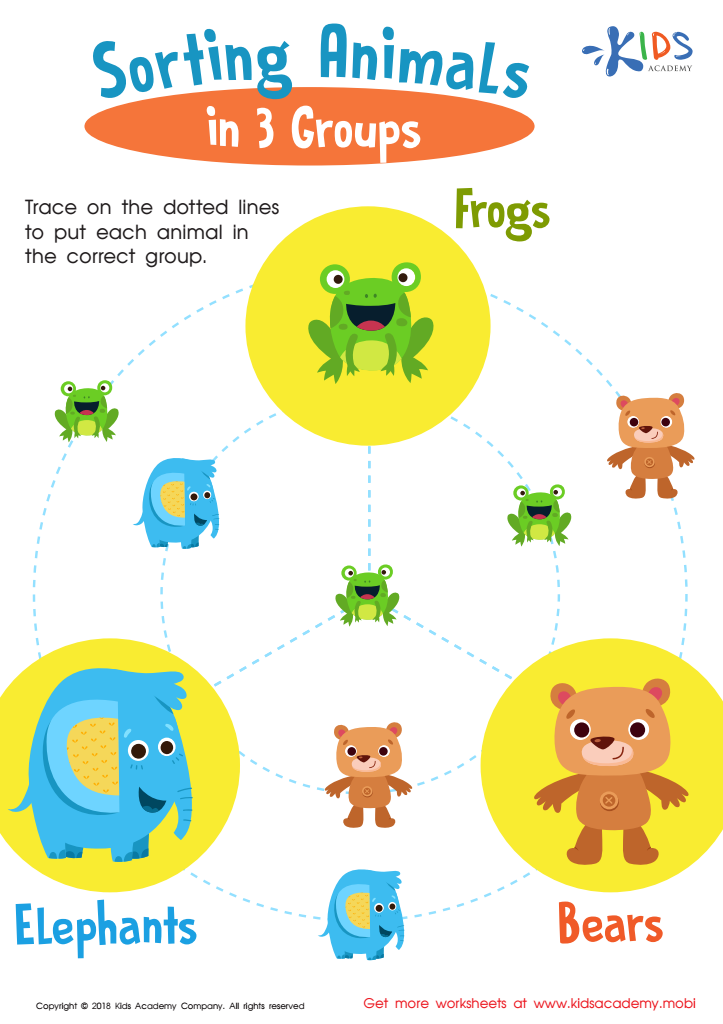
Sorting Animals in 3 Groups Worksheet
 Assign to My Students
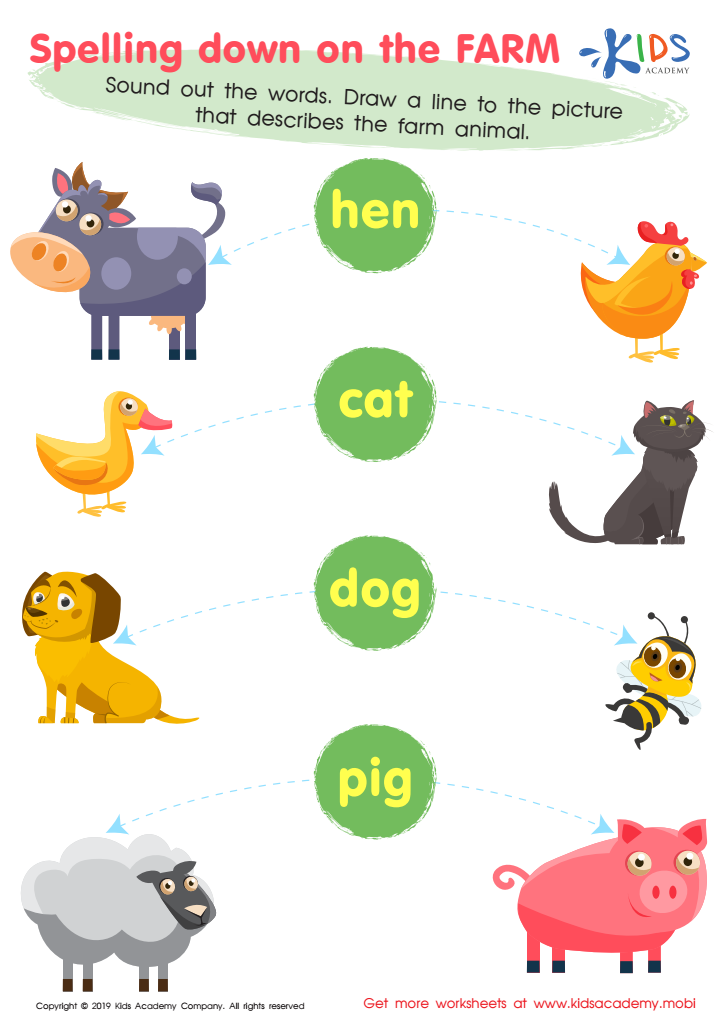
Spelling Down on the Farm Worksheet
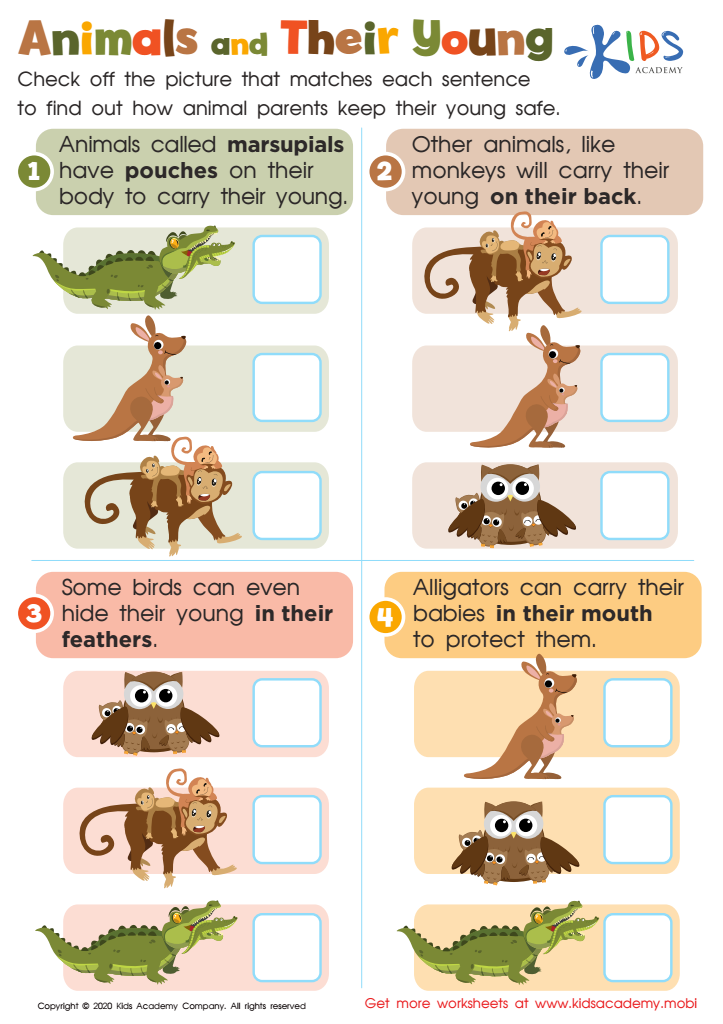
Animals and Their Young Worksheet
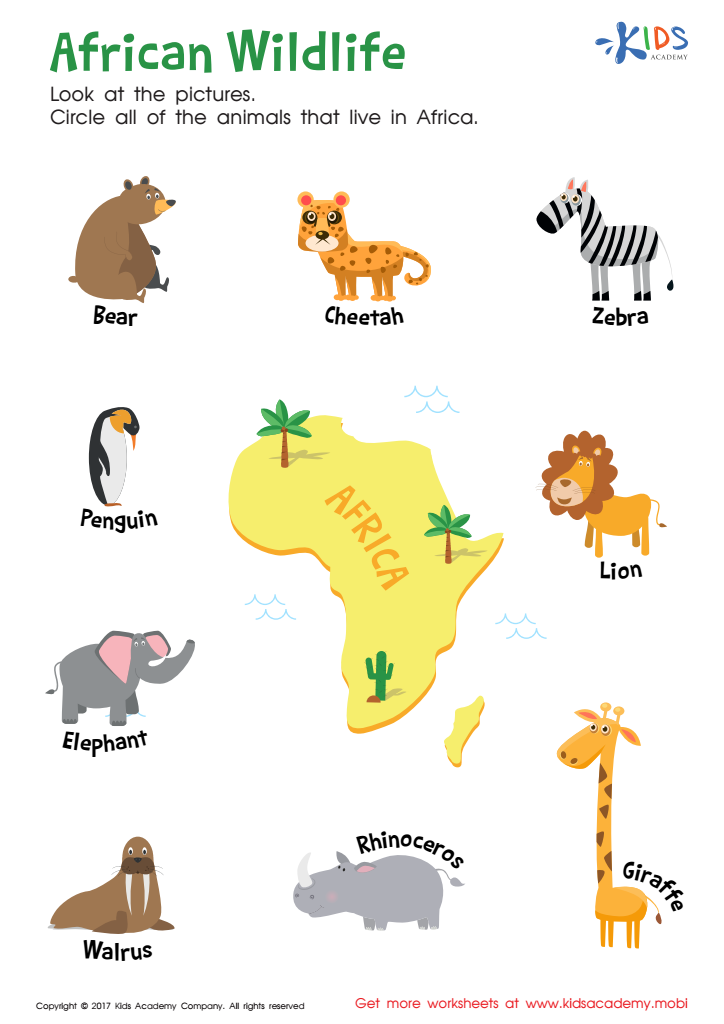






.jpg)

Animal recognition is an essential part of Normal Science for children ages 6-7, offering both educational and cognitive benefits. At this age, children are naturally curious about the world around them, and introducing them to animal recognition nurtures that curiosity. Learning to identify different species helps them understand biodiversity and the roles animals play in various ecosystems, fostering a sense of environmental stewardship.
Moreover, this topic enhances observational skills, critical thinking, and memory. Children begin to distinguish features, behaviors, and habitats, which can lead to discussions about adaptation and survival. It promotes vocabulary development as they learn the names of animals, their characteristics, and even emotional intelligence by recognizing animal behaviors and needs.
Additionally, engaging with animals can strengthen parent-child or teacher-student relationships by creating opportunities for shared exploration, whether through outings to the zoo, nature walks, or interactive learning tools like books and educational games. By emphasizing animal recognition, parents and teachers can empower young learners to become more aware and compassionate individuals, laying the groundwork for future scientific inquiry and fostering respect for all living things. Ultimately, this knowledge contributes to a more informed, engaged, and caring society.







