Enhancing Reading Comprehension Normal Science Worksheets for Ages 6-7
6 filtered results
-
From - To
Discover our "Enhancing Reading Comprehension Normal Science Worksheets for Ages 6-7" designed to captivate young minds while developing critical reading skills. Perfect for first graders, these worksheets combine engaging science topics with reading comprehension exercises to foster a love for learning. Each activity allows children to explore fascinating subjects, from plants and animals to weather and space, while honing their ability to understand and interpret text. Developed by educators, these printables ensure a blend of education and fun, promoting cognitive growth and curiosity. Ideal for classroom use or at-home practice, these worksheets set the foundation for lifelong learning.
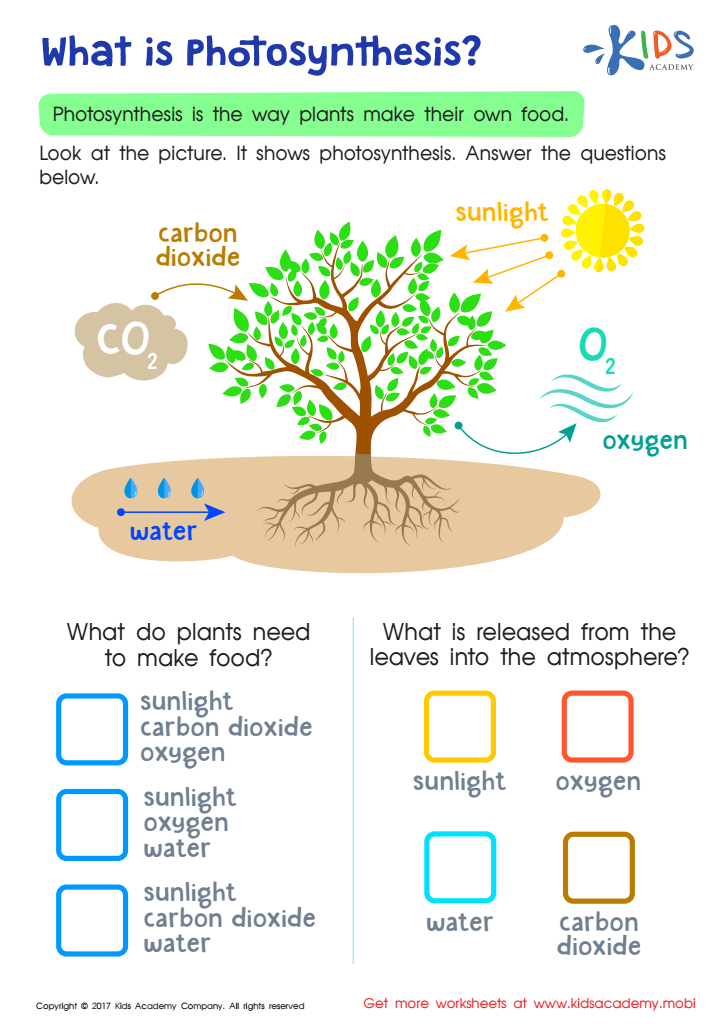
What is Photosynthesis Printable
 Assign to My Students
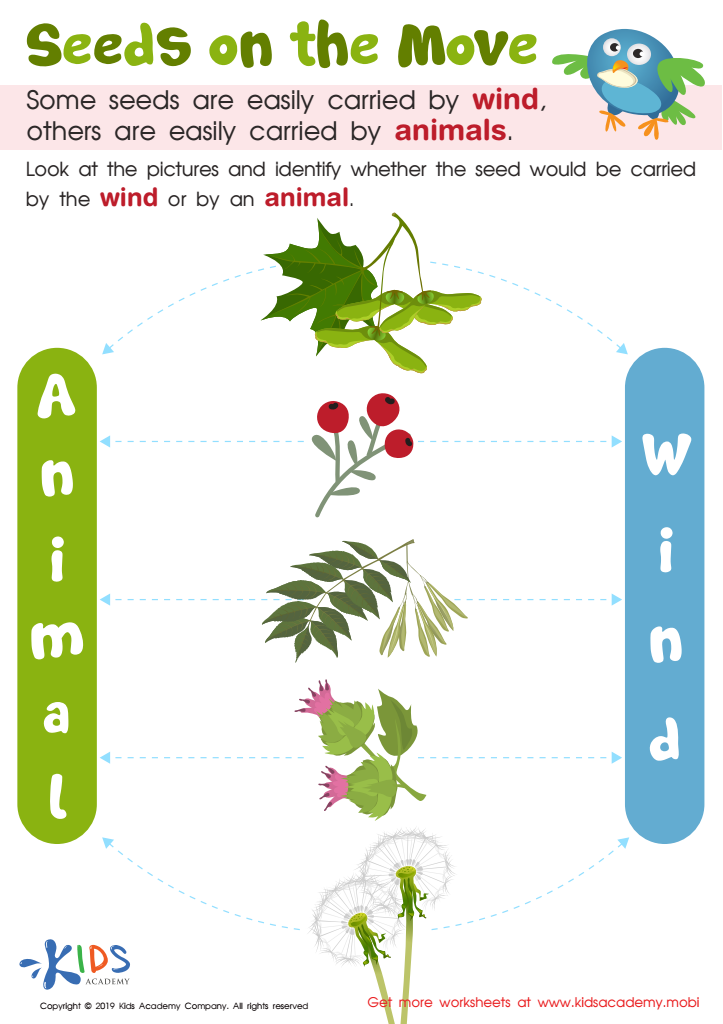
Seeds on the Move Worksheet
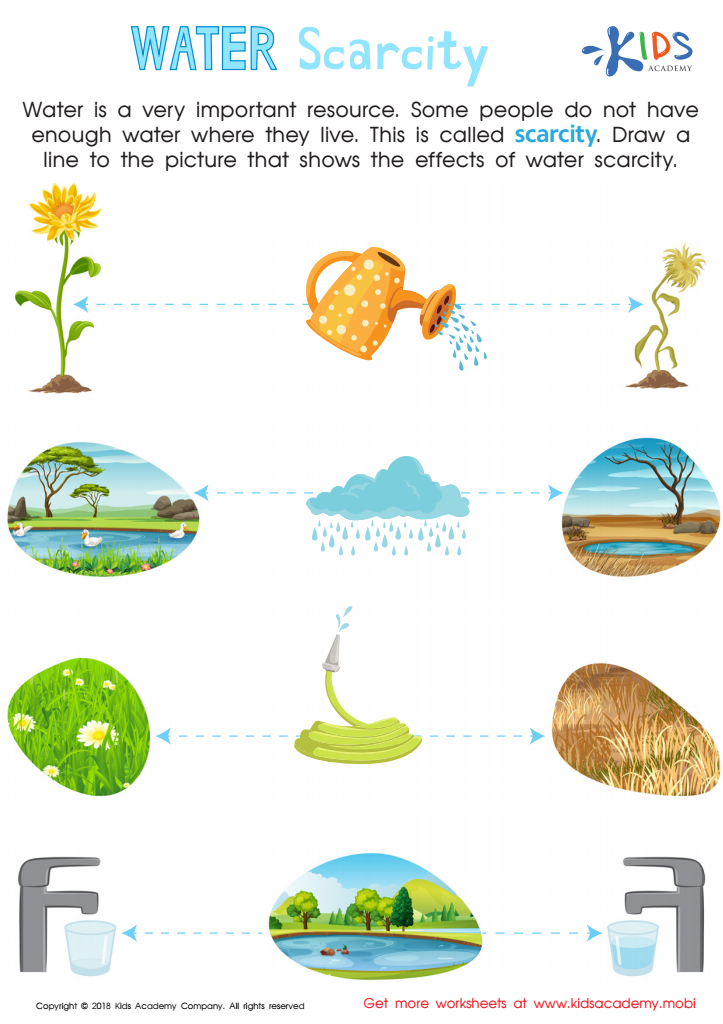
Water Scarcity Worksheet
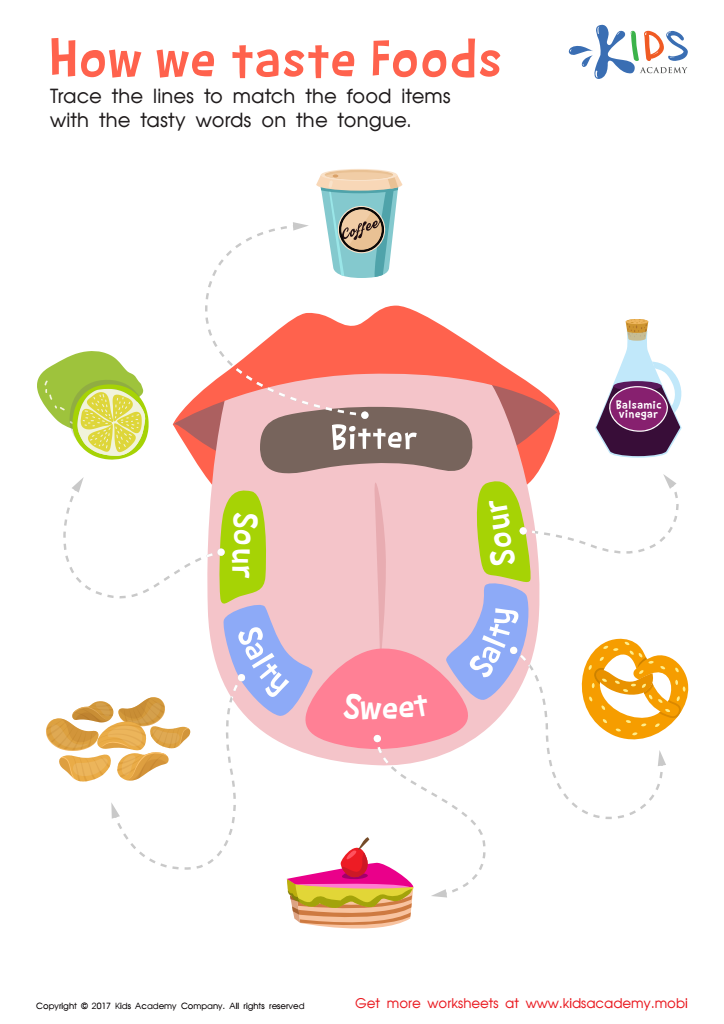
How We Taste Foods Worksheet
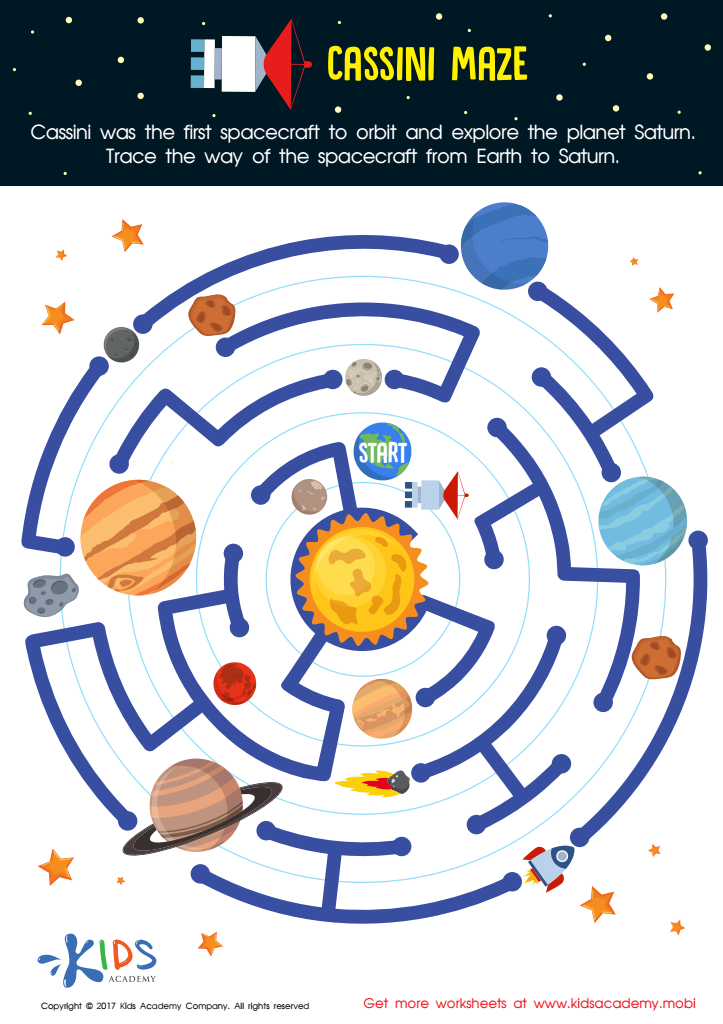
Cassini Printable Worksheet
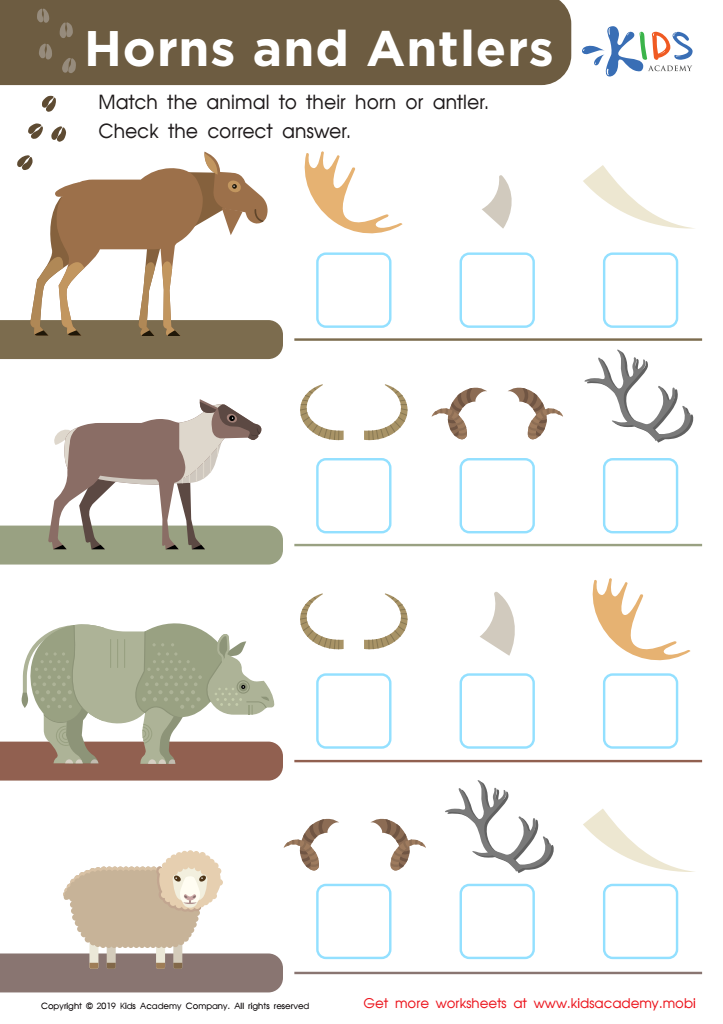
Horns and Antlers Worksheet







Enhancing reading comprehension in the realm of "normal science" for children aged 6-7 is fundamental for fostering a lifelong love for learning and developing critical cognitive skills. At this age, children are transitioning from "learning to read" to "reading to learn," making it essential that they not only decode words but also grasp the meanings and concepts within texts.
Focusing on reading comprehension in scientific contexts helps children understand the world around them, stimulates curiosity, and encourages analytical thinking. Science-based reading materials often introduce young readers to unique vocabulary and complex concepts about the natural and physical world. This not only enriches their vocabulary but also nurtures their inquisitiveness and participatory dialogue.
Moreover, early age reading comprehension in science lays the foundation for future academic success. Children who develop robust comprehension skills are better equipped to tackle the more challenging and specialized subject matter they encounter in higher grades. It also enhances their capacity to engage in science-centric problem-solving and analytical discussions, fostering a growth mindset and resilience to tackle complex topics.
For parents and teachers, putting emphasis on reading comprehension in science is an investment in a child's intellectual development, decision-making skills, and cognitive flexibility. This helps shape well-rounded, competent individuals ready to adapt and thrive in an ever-evolving world.







