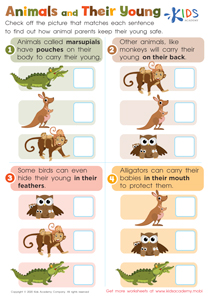
Vocabulary expansion Normal Plants Worksheets for Ages 6-7
3 filtered results
-
From - To
Enhance your child's vocabulary with our engaging Normal Plants Worksheets designed for ages 6-7! These printable resources focus on expanding language skills through fun, themed activities centered around plant life. Our worksheets include diverse exercises such as word searches, matching games, and fill-in-the-blank tasks, all aimed at introducing young learners to essential botanical terms. As your child explores the fascinating world of plants, they will build their vocabulary, improve their comprehension, and develop a love for science. Perfect for home or classroom use, these worksheets make learning about plants enjoyable and effective! Try them today and watch your child's language skills flourish!
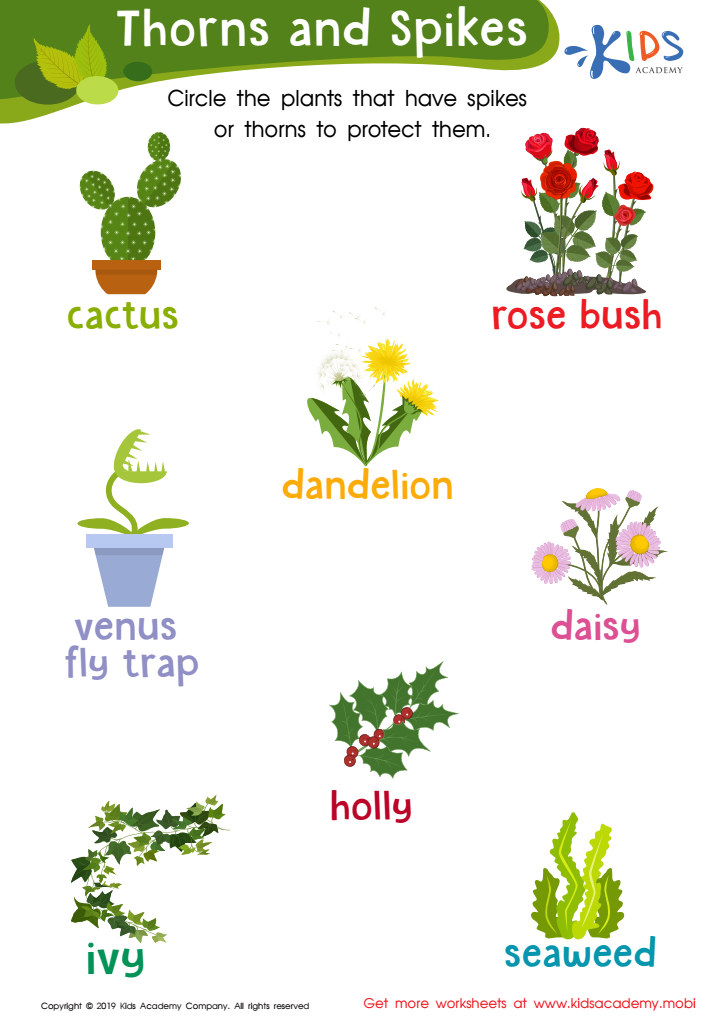
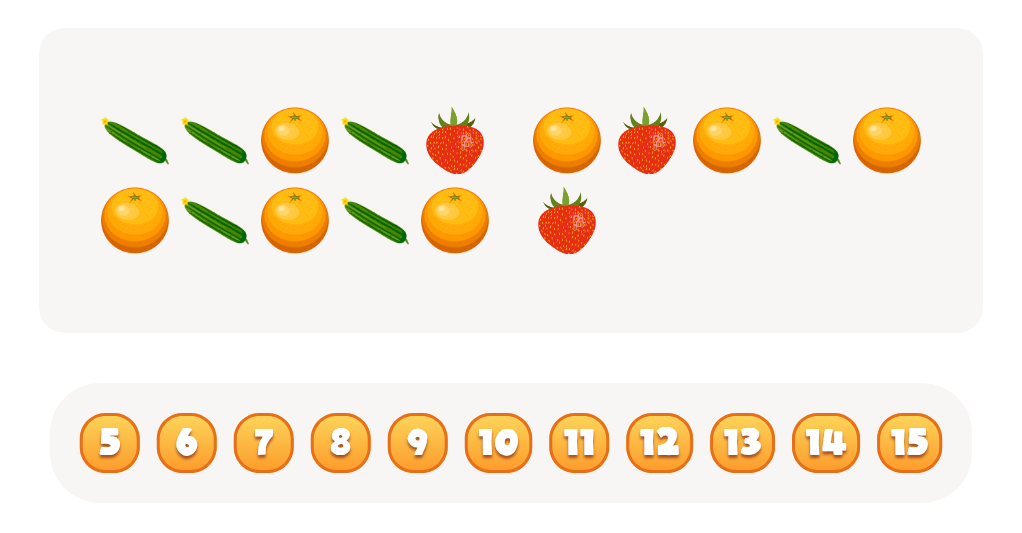
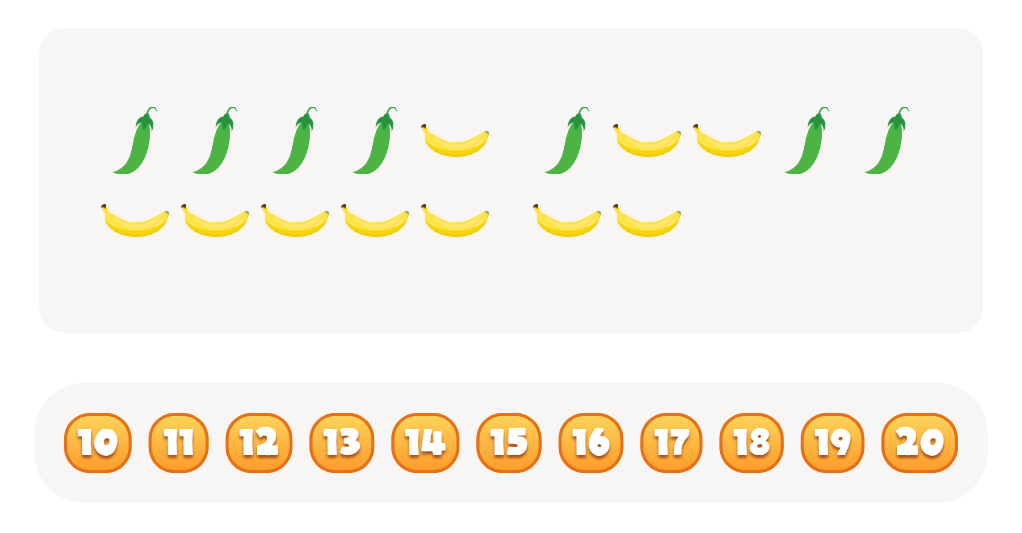
Thorns and Spikes Worksheet
 Assign to My Students
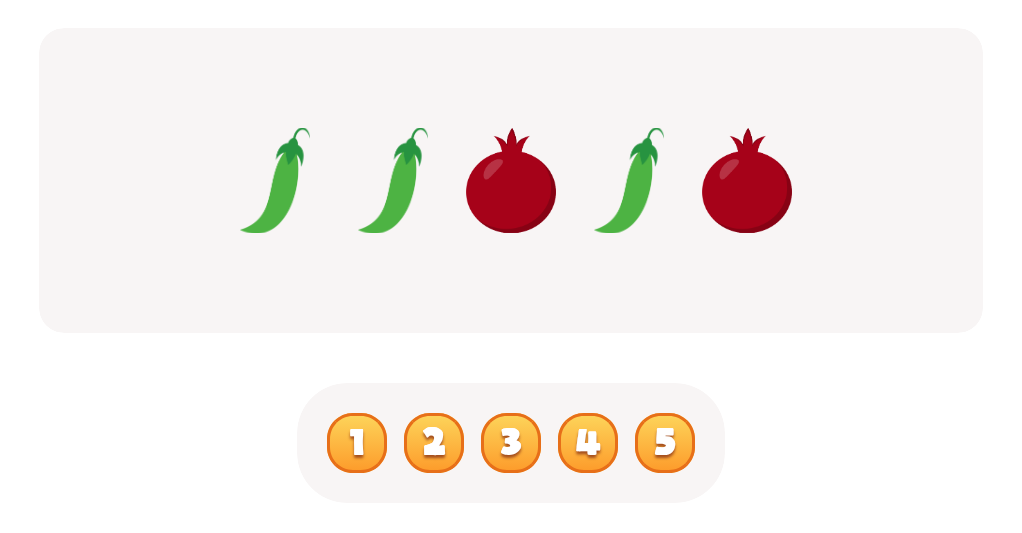

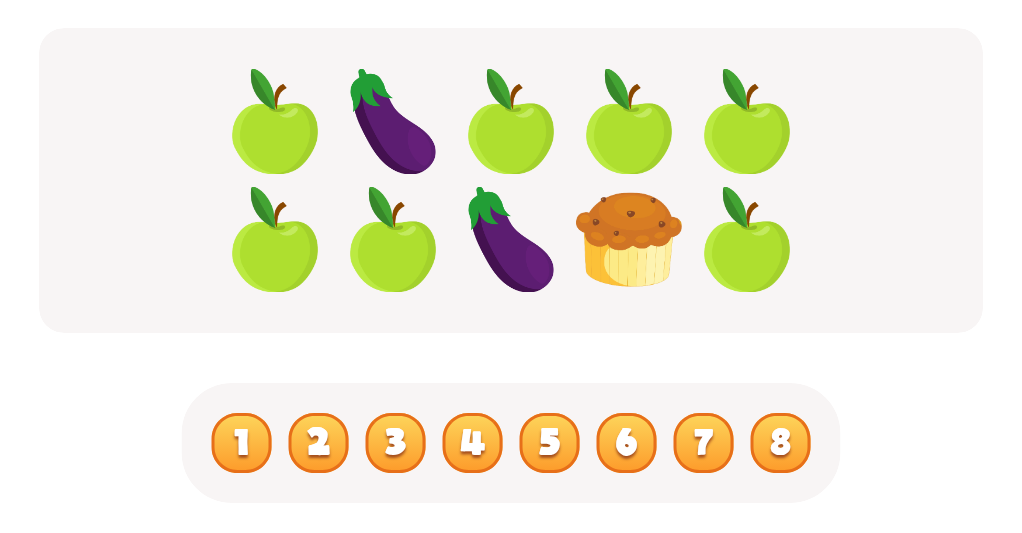


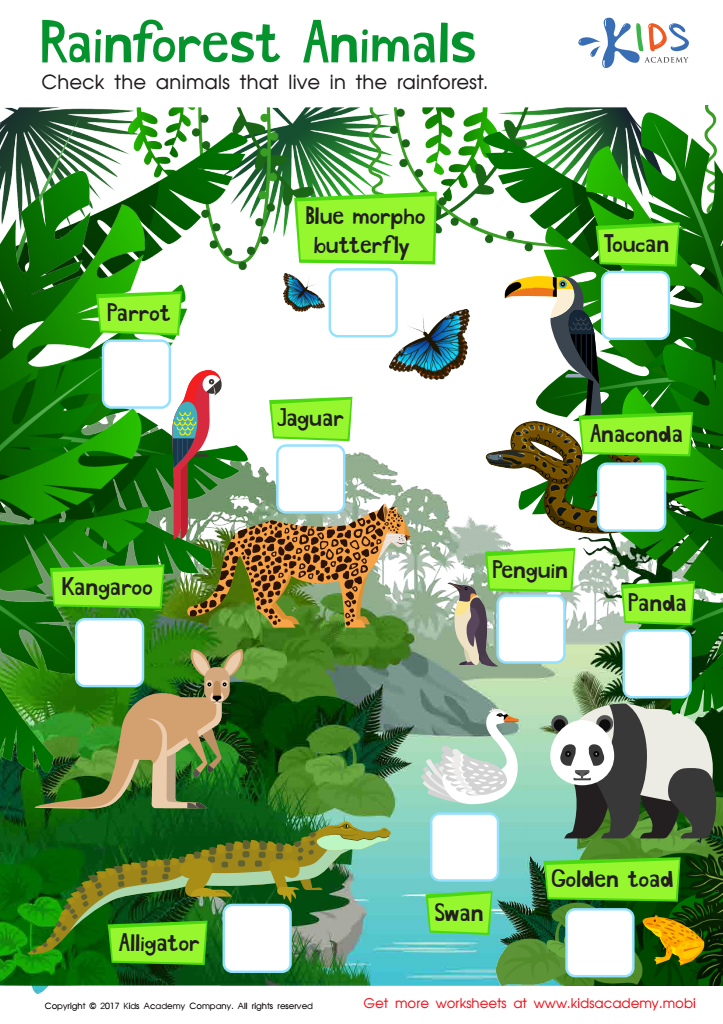
Rainforest Animals Worksheet
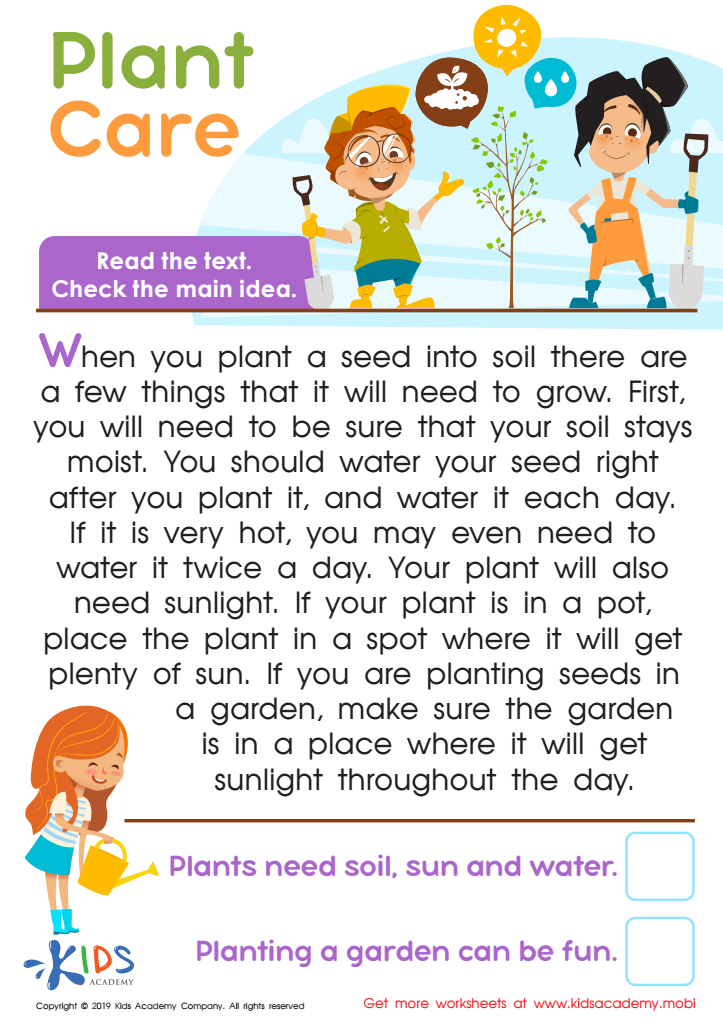
Plant Care Worksheet








Vocabulary expansion is essential for children aged 6-7, particularly when focusing on familiar topics like normal plants. Understanding plant-related vocabulary enhances their ability to explore and describe the natural world, which can foster a lifelong love for science and nature. When children learn words such as "photosynthesis," "leaf," "roots," and "habitat," they are better prepared to engage in conversations about their surroundings. This knowledge not only enriches their language skills but also boosts comprehension and critical thinking.
Parents and teachers should care about this development because acquiring vocabulary expands a child's cognitive abilities and enables more effective communication. By using plant-related words in discussions, projects, and reading materials, caregivers can integrate learning opportunities into everyday experiences. Additionally, this vocabulary acquisition supports academic success across subjects; strong reading skills can lead to better performance in science, art, and even social studies.
Moreover, fostering a connection with plants can increase awareness of environmental issues and encourage responsible behavior toward nature. Engaging children in hands-on activities related to plants—like gardening or nature walks—can make vocabulary lessons more memorable and enjoyable. Ultimately, building a rich vocabulary around normal plants empowers children to articulate their experiences and curiosities, setting a solid foundation for their educational journey.