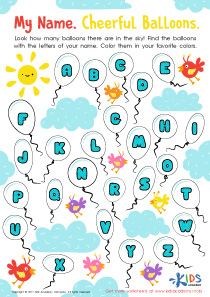
Handwriting practice Normal ABC Order Worksheets for Ages 6-8
4 filtered results
-
From - To
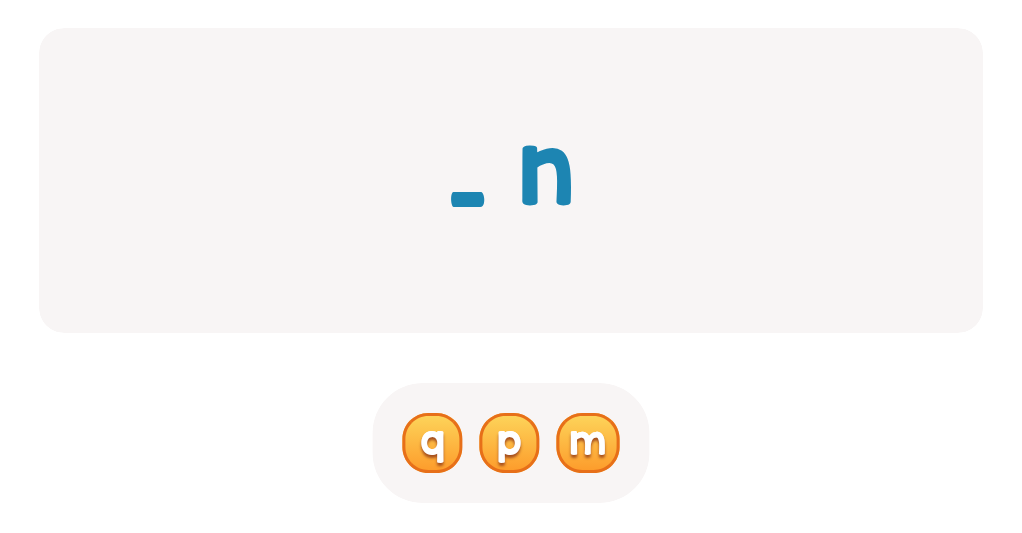
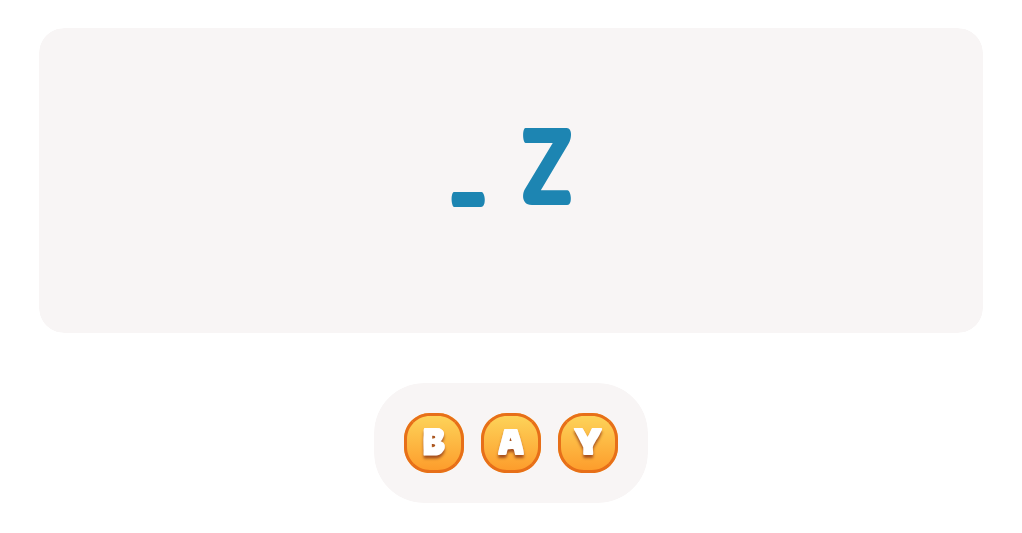
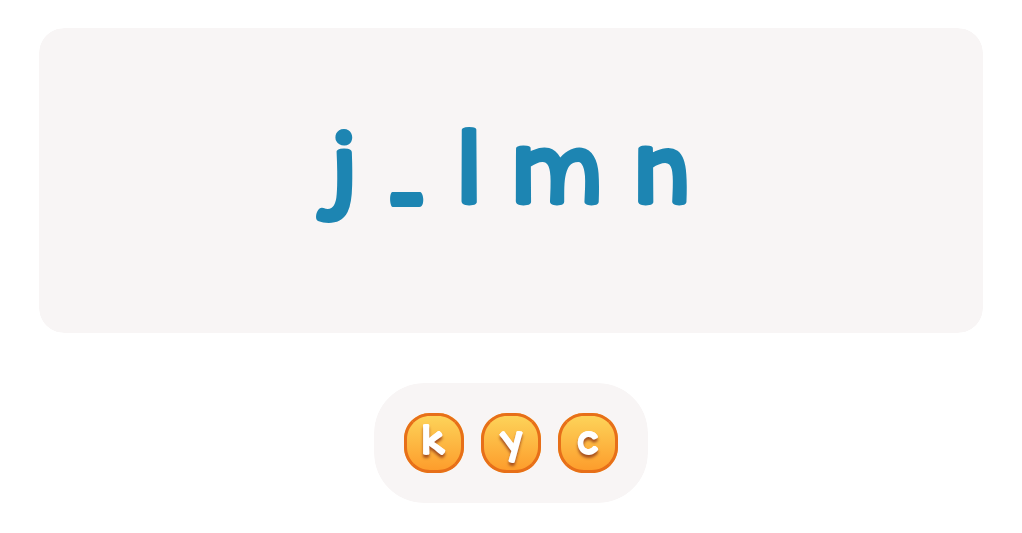
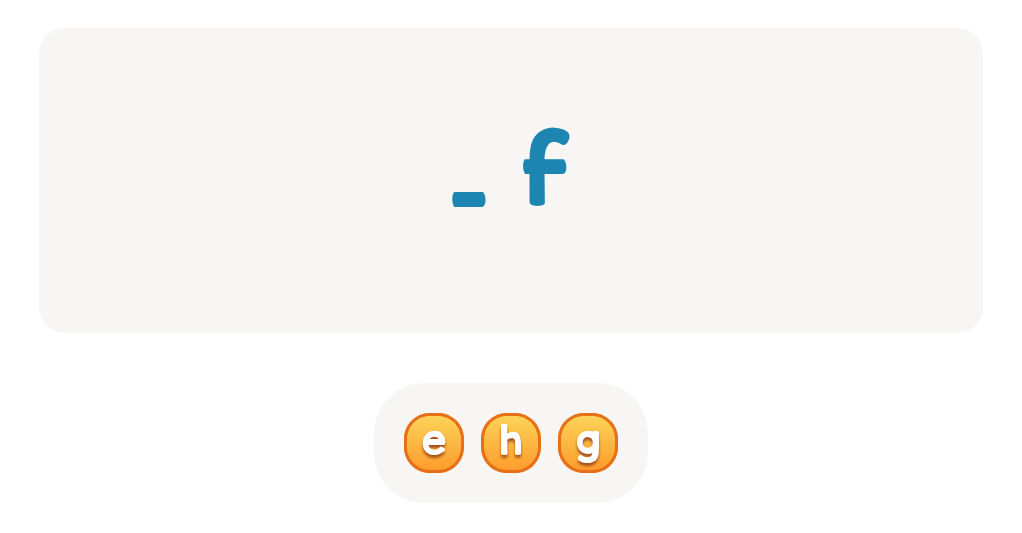
Introducing our Handwriting Practice Normal ABC Order Worksheets, designed specifically for children aged 6-8. These engaging worksheets provide young learners with the perfect opportunity to enhance their handwriting skills while sequentially organizing the alphabet. Each worksheet encourages practice through fun exercises and creative activities, making learning enjoyable. As children trace and fill in letters, they build muscle memory and improve letter formation, essential for effective writing. Ideal for classrooms or at-home learning, these worksheets serve as valuable tools to boost children's confidence in their writing abilities. Help your child master handwriting and alphabet order with our thoughtfully crafted resources!
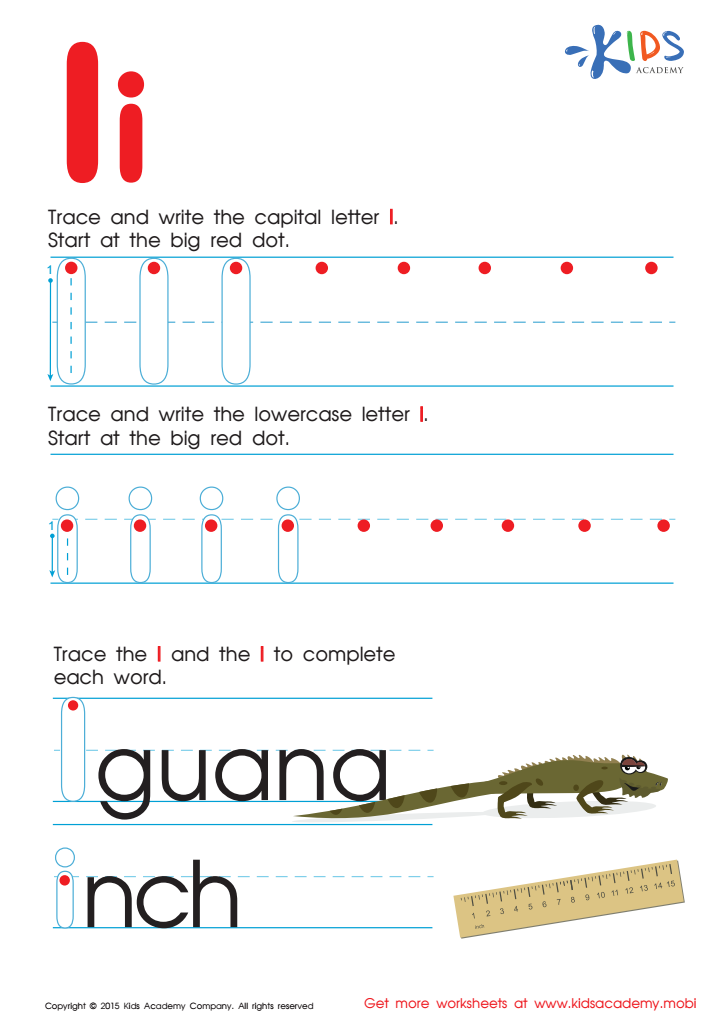
Letter I Tracing Page
 Assign to My Students


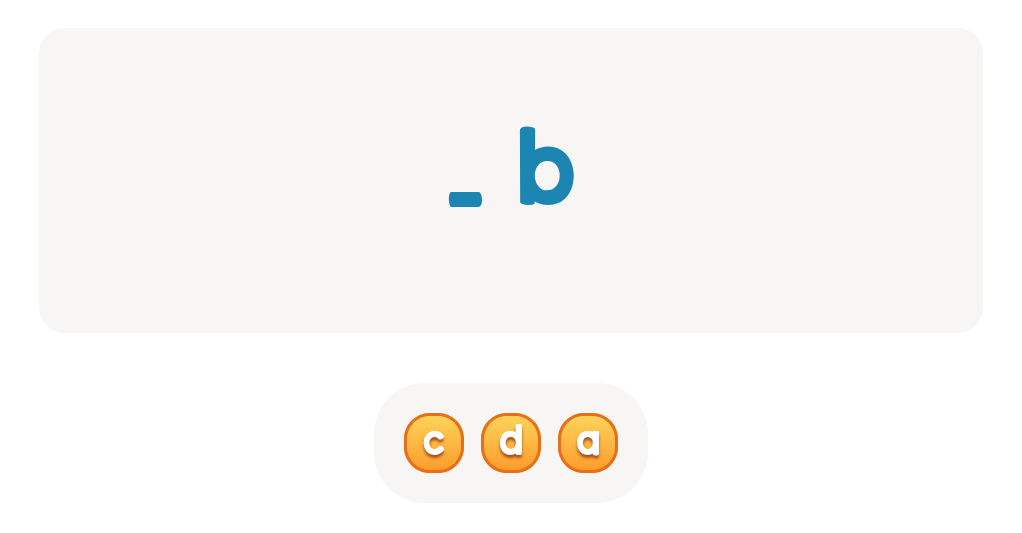



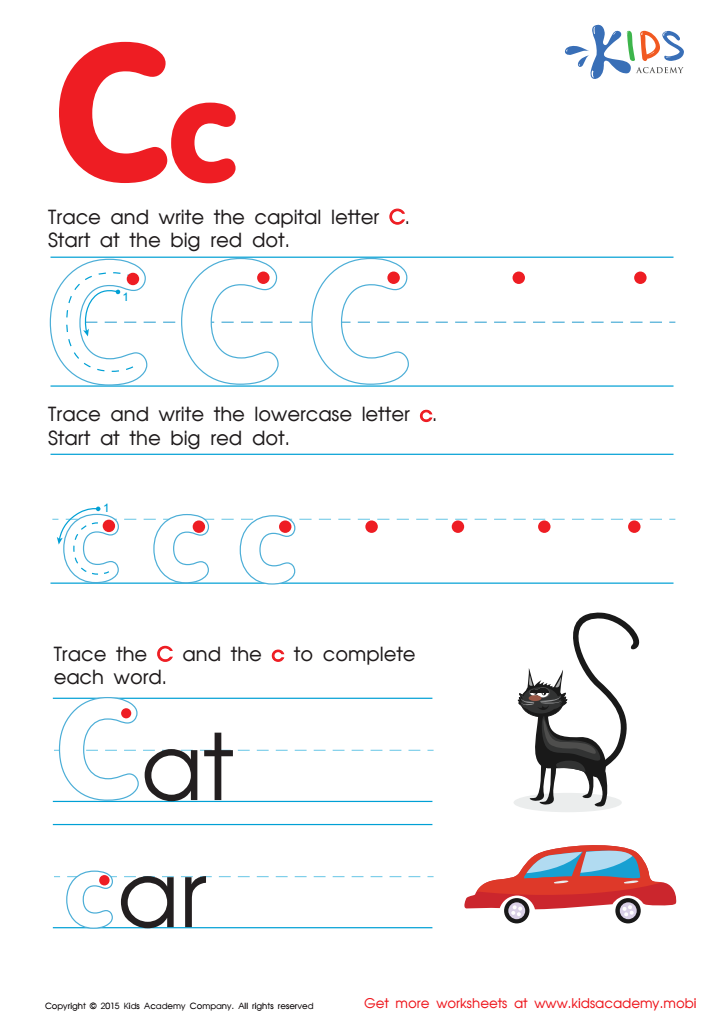
Letter C Tracing Page
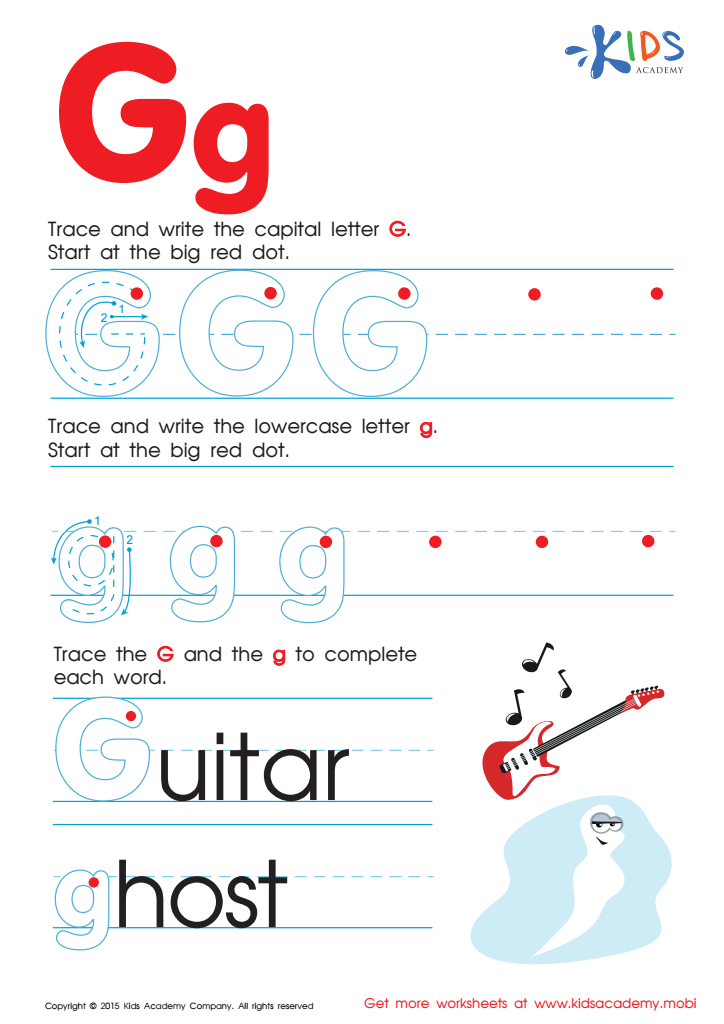
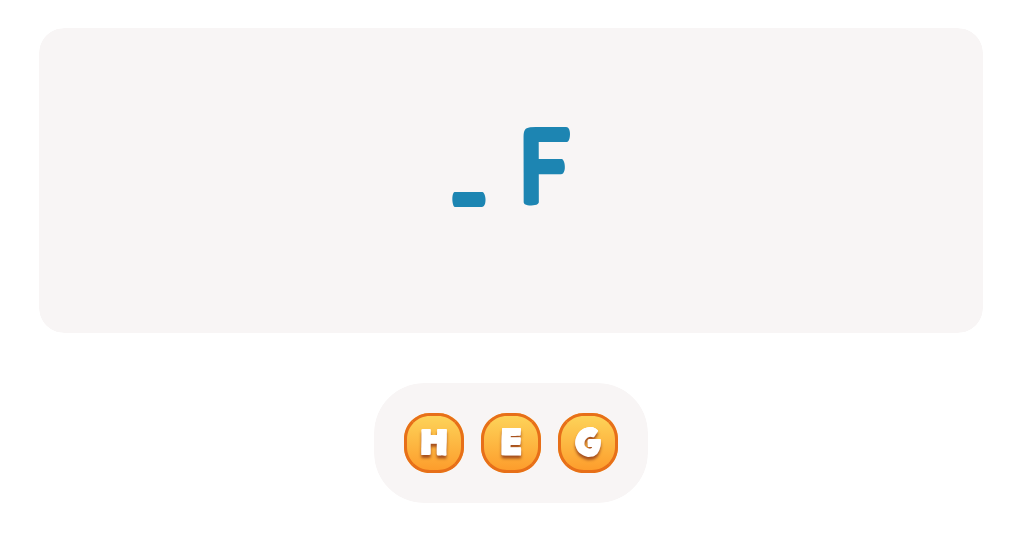
Letter G Tracing Page
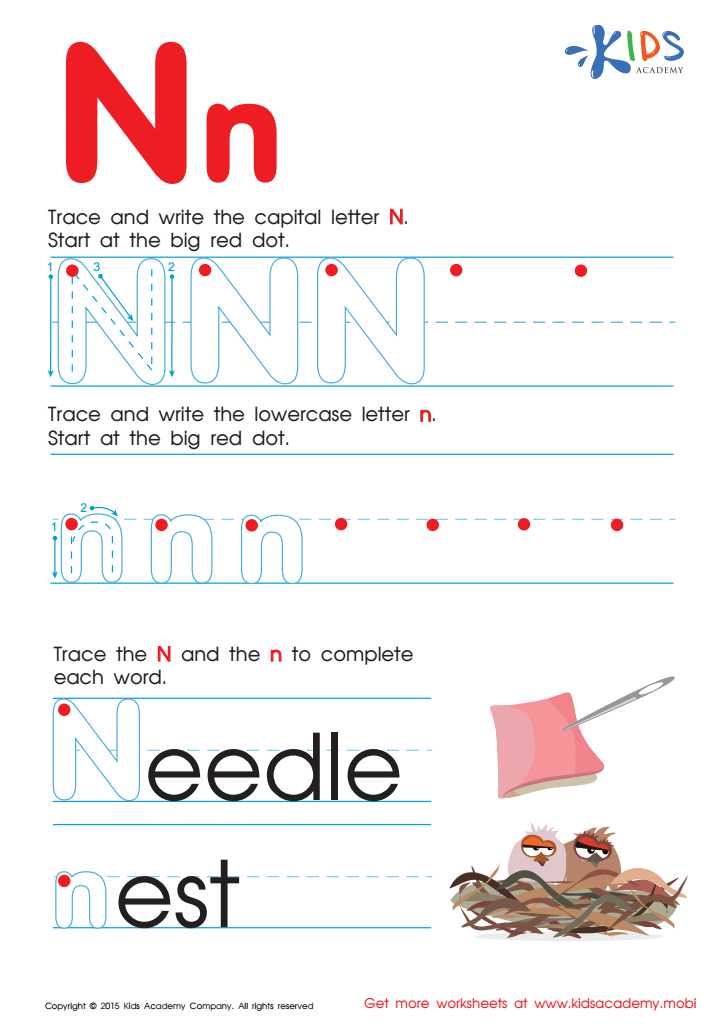
Letter N Tracing Page








Handwriting practice in normal ABC order for children aged 6 to 8 is crucial for several reasons. First, it promotes fine motor skills development, which is essential for young learners as they refine the coordination of their fingers and hands. Practicing letters helps build the muscle memory necessary for writing, enhancing their overall dexterity.
Second, writing in alphabetical order aids in literacy development. Understanding the sequence of letters is beneficial for phonemic awareness and spelling. When children can recognize and write the alphabet fluently, they are better equipped to form words and sentences, leading to improved reading and writing skills.
Additionally, handwriting practice fosters cognitive development. As children practice writing letters, they engage their brains in the process, reinforcing letter shapes and sounds. This also supports memory retention as they encounter letters repeatedly.
Moreover, neat handwriting is important for effective communication. As children express their thoughts in writing, clarity becomes key. Parents and teachers who emphasize handwriting education equip children with skills essential for academic success and self-expression.
Ultimately, handwriting practice instills patience, persistence, and discipline, helping children develop positive learning habits that extend beyond the classroom. Engaging in this practice encourages a lifelong appreciation for written communication.