Cognitive Development Normal Alphabet Worksheets for Ages 6-8
5 filtered results
-
From - To
Enhance your child’s cognitive development with our engaging Normal Alphabet Worksheets designed for ages 6-8! These expertly crafted resources encourage children to explore letters through interactive and fun activities that develop critical thinking and problem-solving skills. Each worksheet focuses on essential learning milestones, guiding young learners to recognize, trace, and utilize the alphabet confidently. Our worksheets are perfect for home or classroom use, promoting both independent learning and collaborative play. Equip your child with the foundational skills they need for future academic success while fostering a love for learning. Access our free printable worksheets today and watch your child's cognitive abilities flourish!
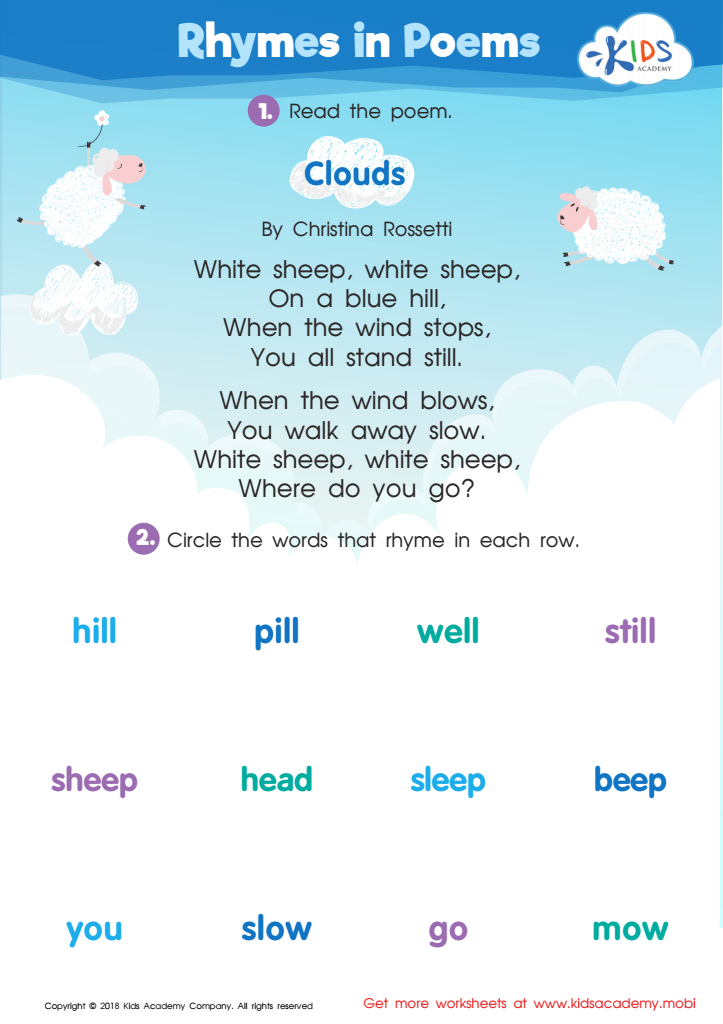
Rhymes in Poems Worksheet
 Assign to My Students
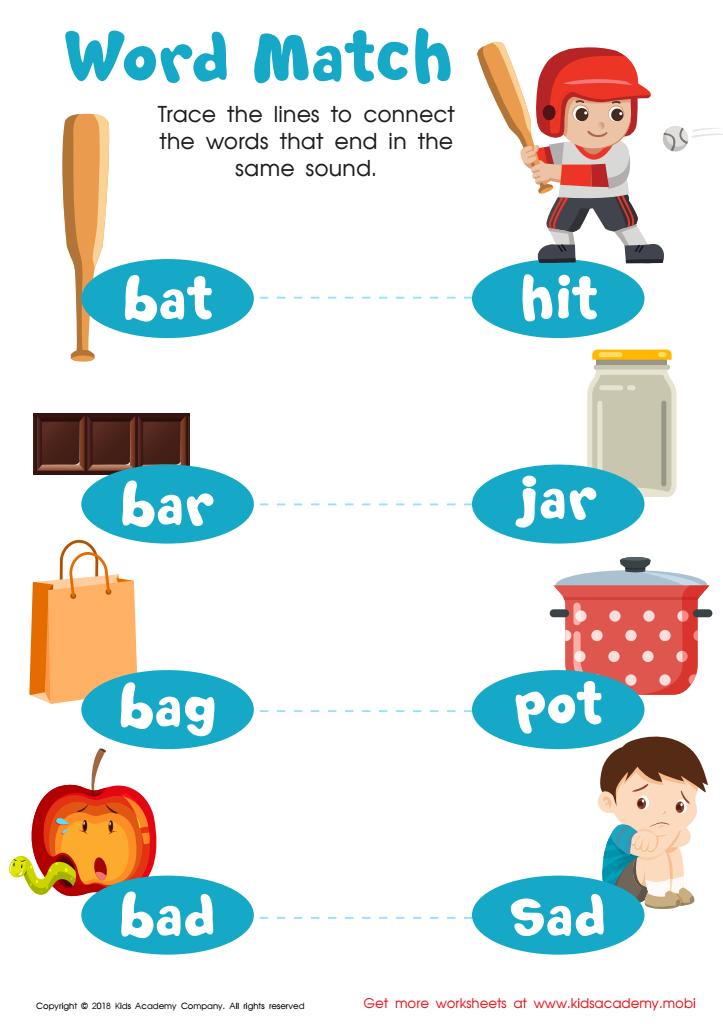
Word Match Reading Worksheet
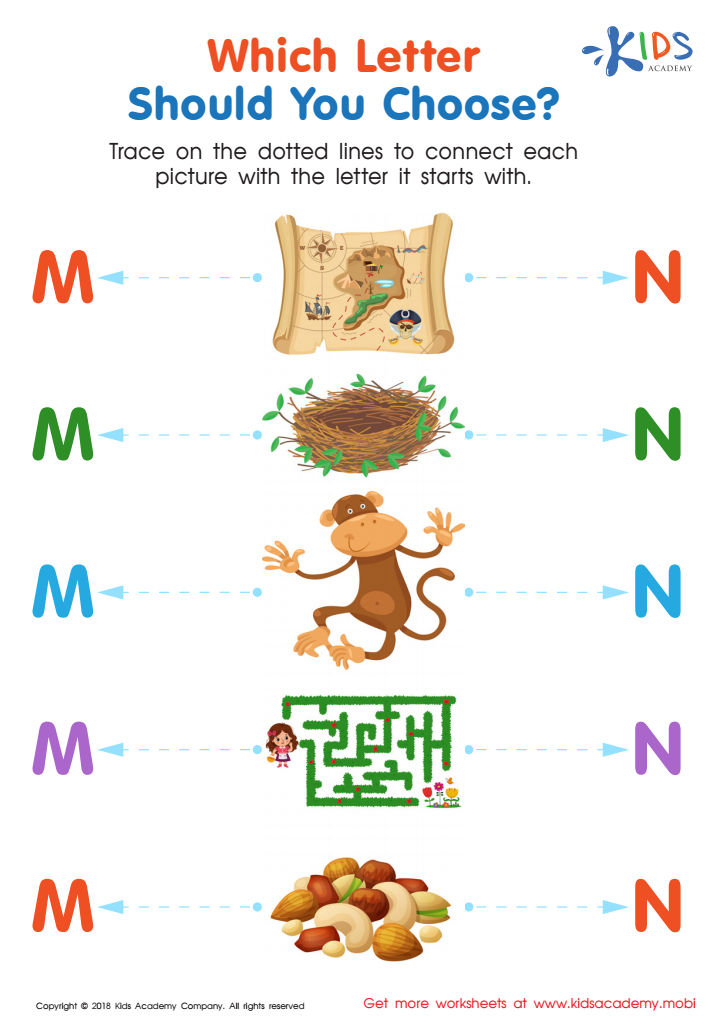
Which Letter Should you Choose? Worksheet
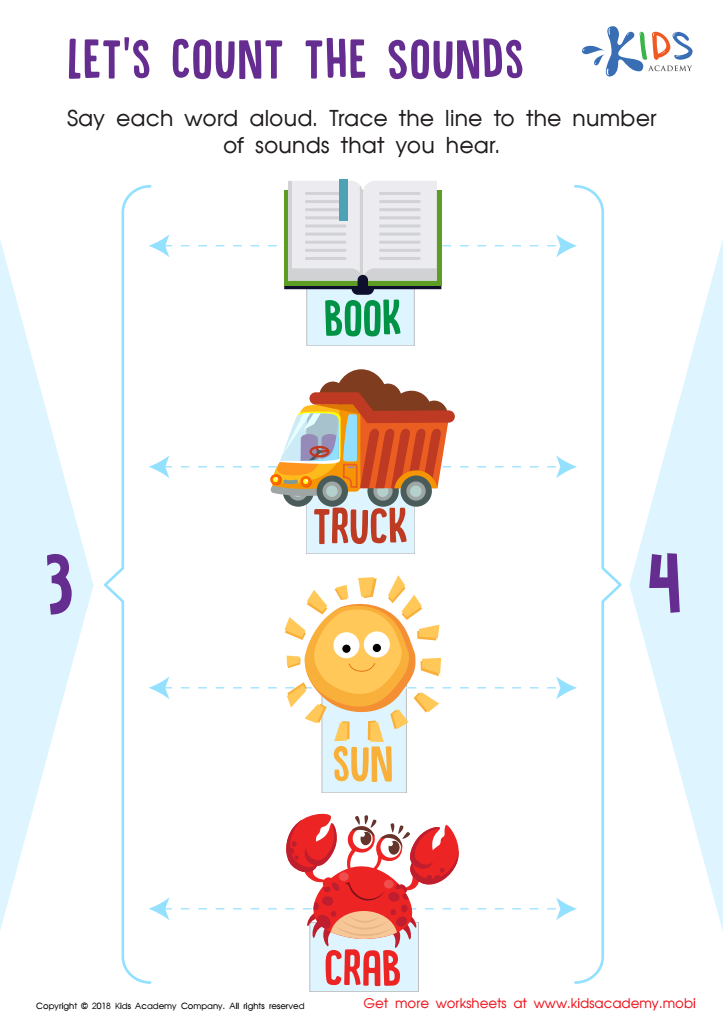
Let's Count the Sounds Worksheet
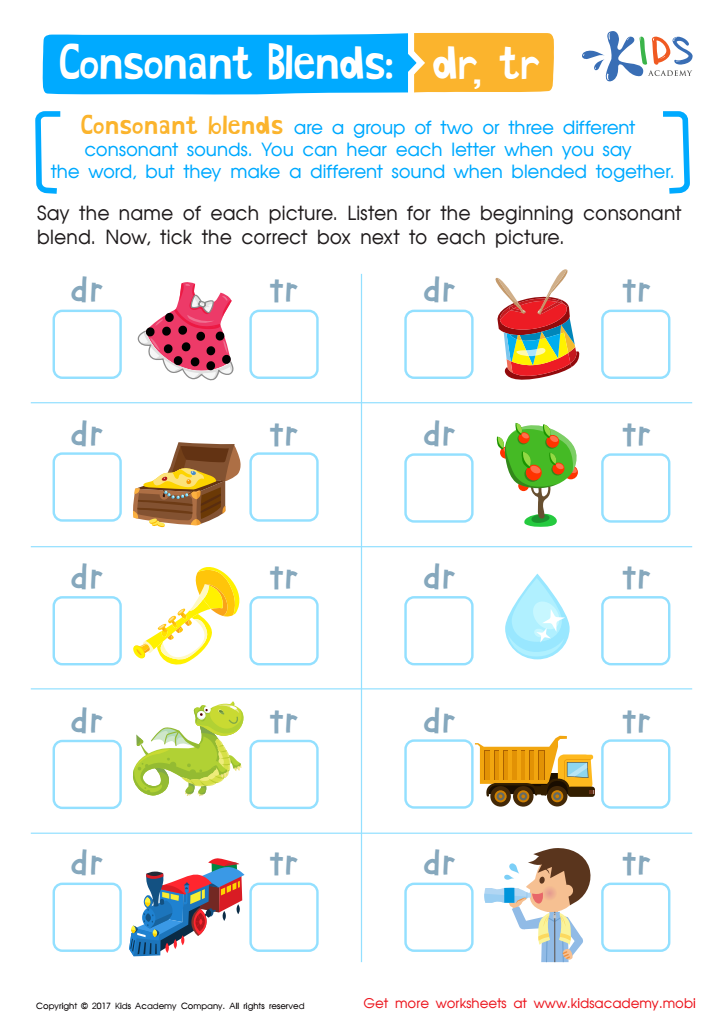
Consonant Blends: "Dr" and "Tr" Printable








Cognitive development is a crucial aspect of a child’s growth, particularly for ages 6-8, when foundational skills in reading, writing, and critical thinking are established. Parents and teachers should prioritize this developmental stage because it sets the groundwork for later academic success. During these years, children learn to decode letters and understand the connections between sounds and symbols, which are essential skills that pave the way for literacy.
Understanding the Normal Alphabet refers to the recognition of letters and their appropriate sequencing, consistent with developmental milestones for this age group. It is vital for parents and teachers to engage in activities that reinforce these skills, as mastery of the alphabet enhances vocabulary, promotes expression, and boosts overall communication skills. Moreover, a strong grasp of cognitive skills influences problem-solving abilities and creativity.
Early intervention and support in this area can help identify potential difficulties, ensuring that every child receives the help they need to thrive. Ultimately, fostering cognitive development around the alphabet not only bolsters academic performance, but also builds confidence, paving the way for a lifetime of learning. As invested adults in a child’s life, promoting this growth ensures they are well-equipped for future educational challenges.







