Letter recognition Normal Alphabet Worksheets for Ages 6-8 - Page 2
47 filtered results
-
From - To
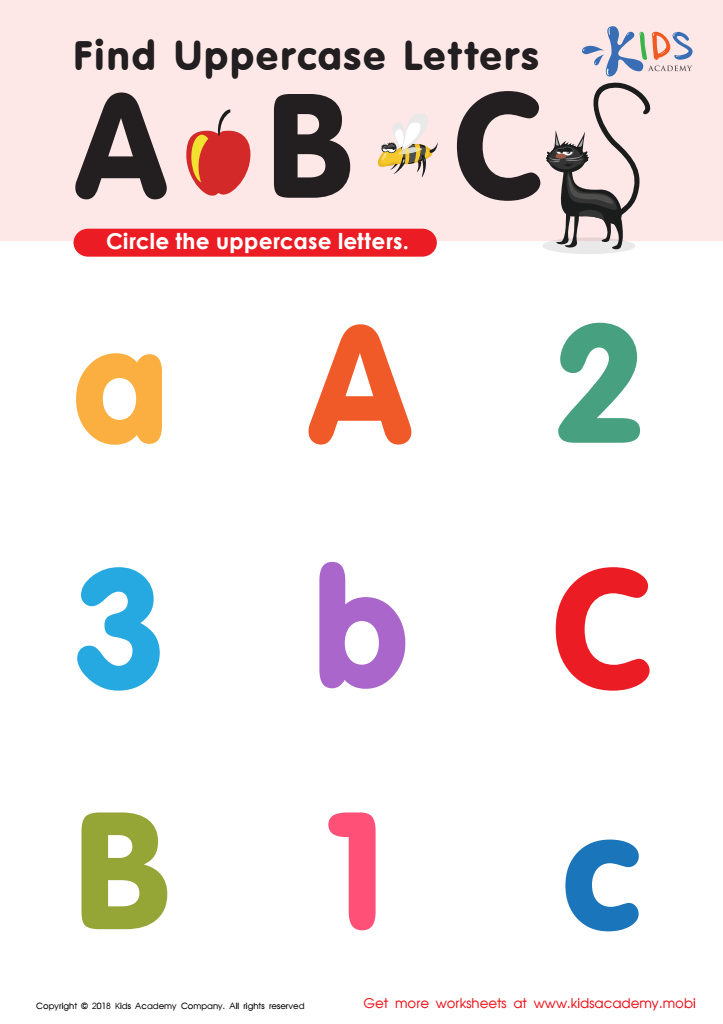
Find Uppercase Letters A, B, and C Worksheet
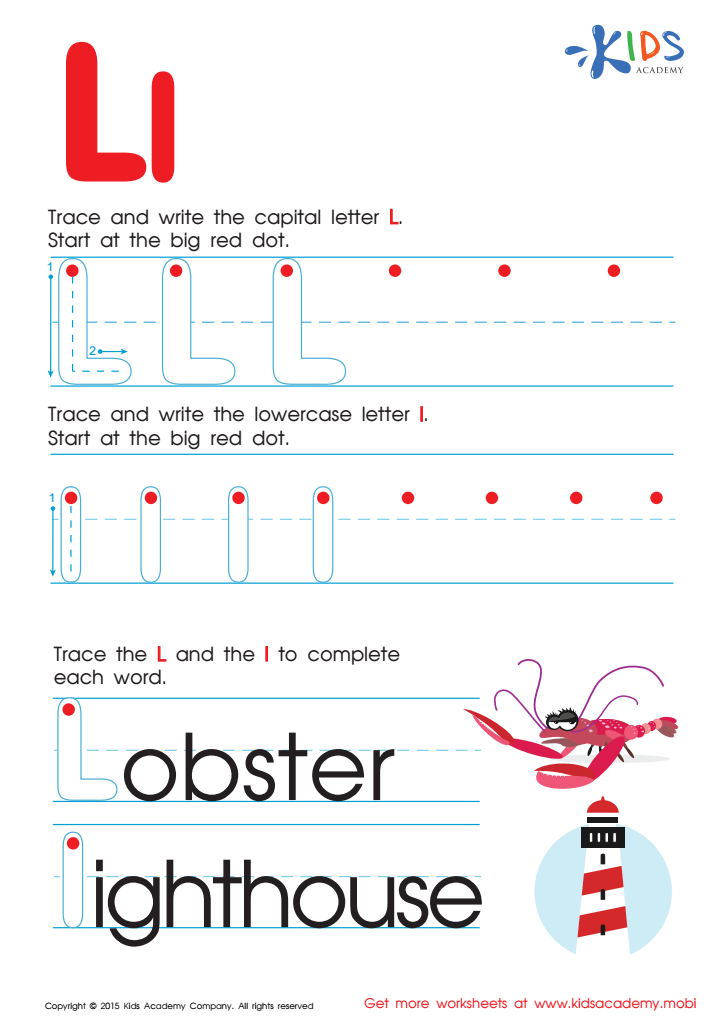
Letter L Tracing Page
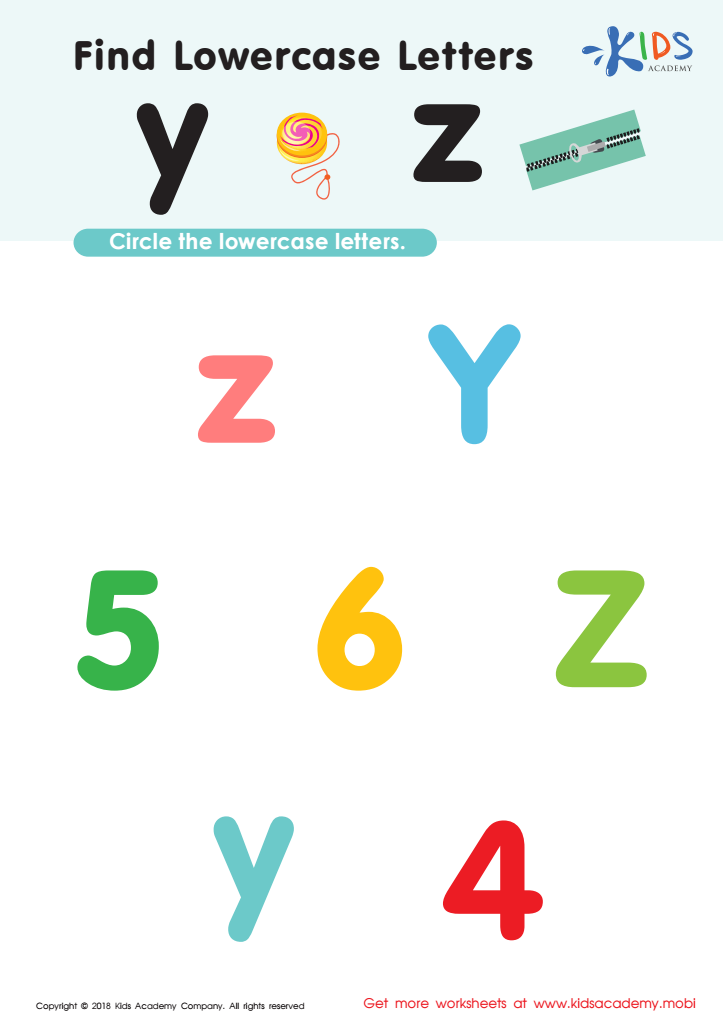
Find Lowercase Letters y z Worksheet
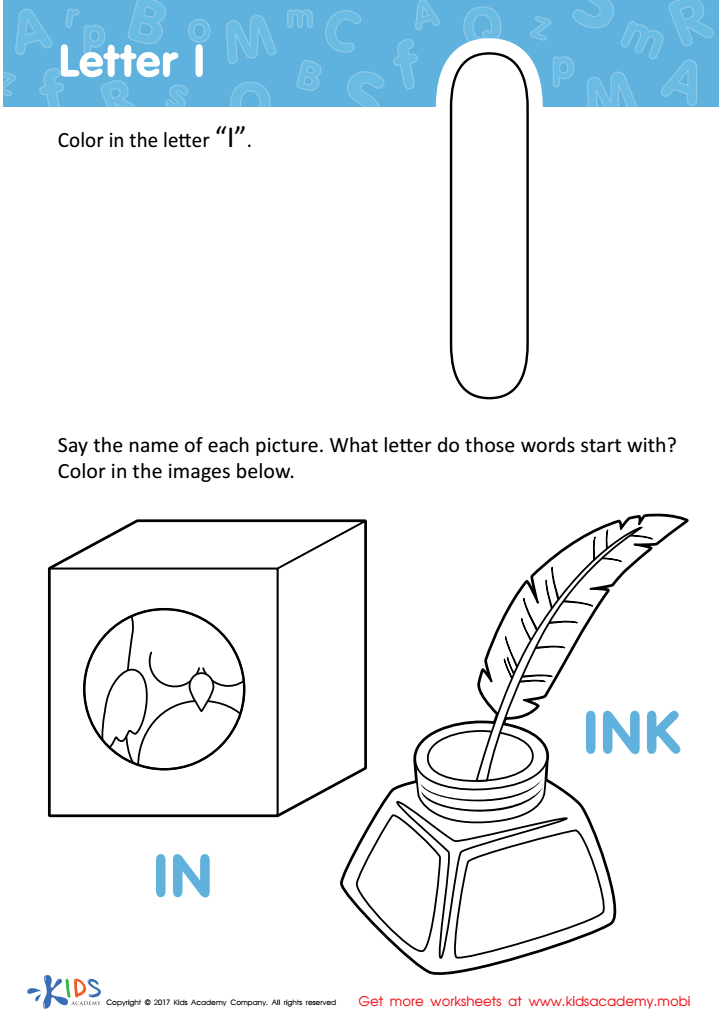
Letter I Coloring Sheet
 Assign to My Students
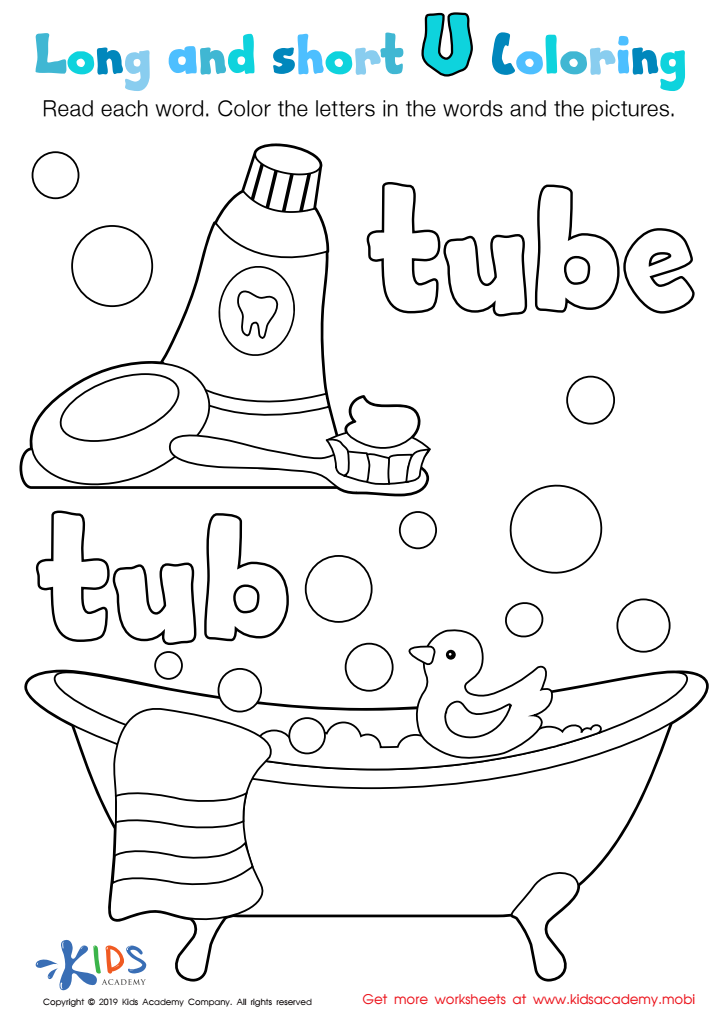
Long and Short U Worksheet
Assign to My Students
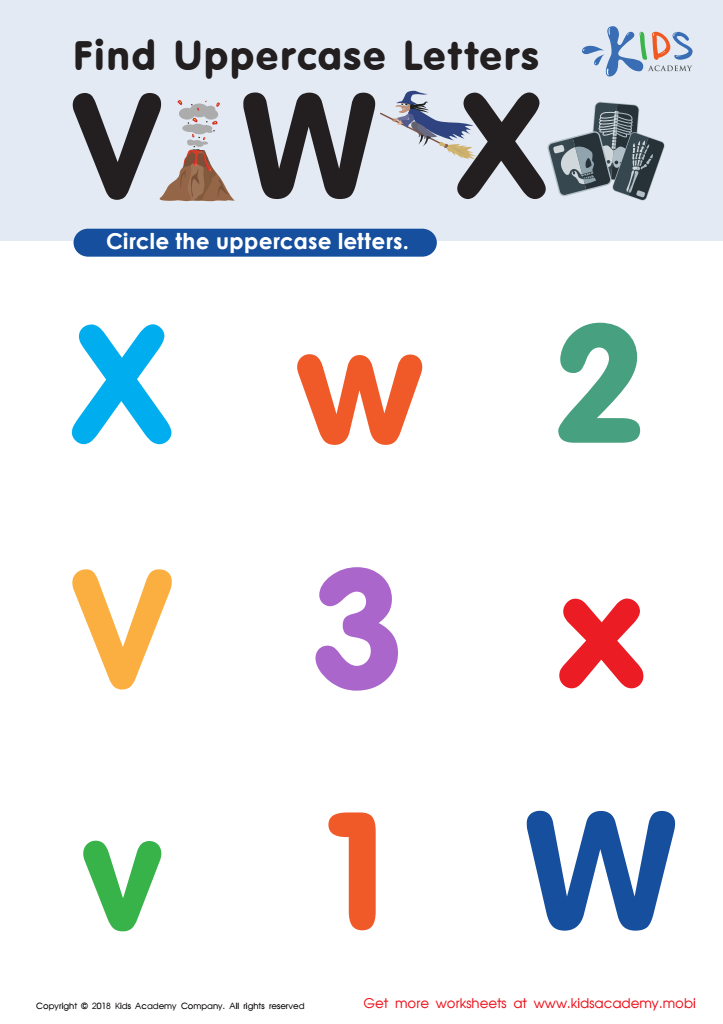
Find Uppercase Letters V, W, X Worksheet
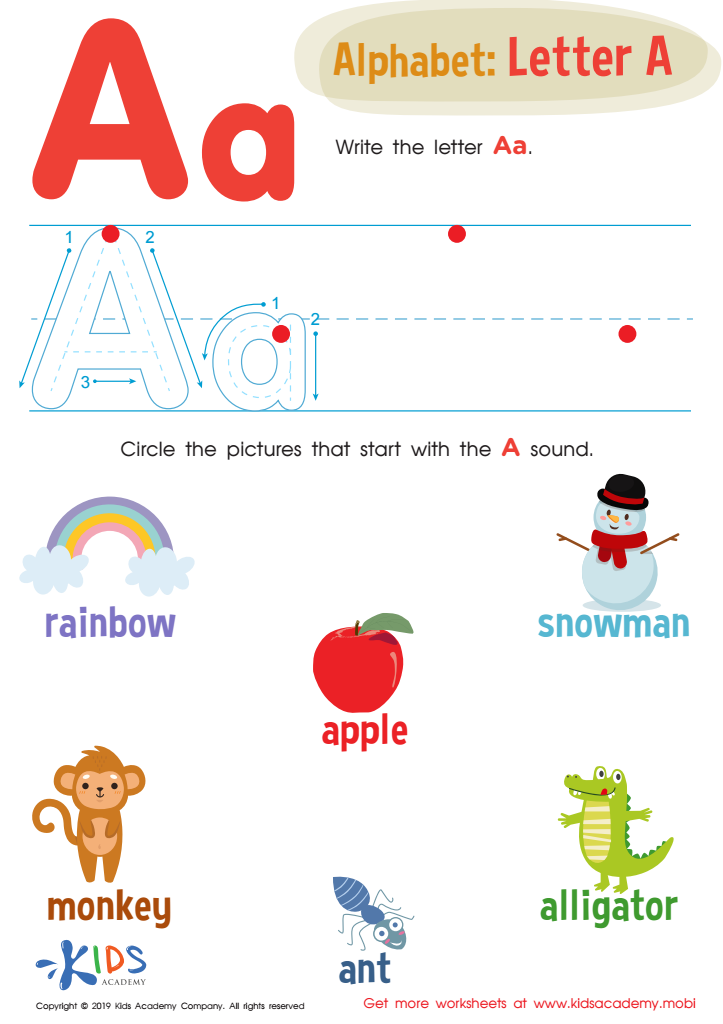
Letter A Tracing Worksheet
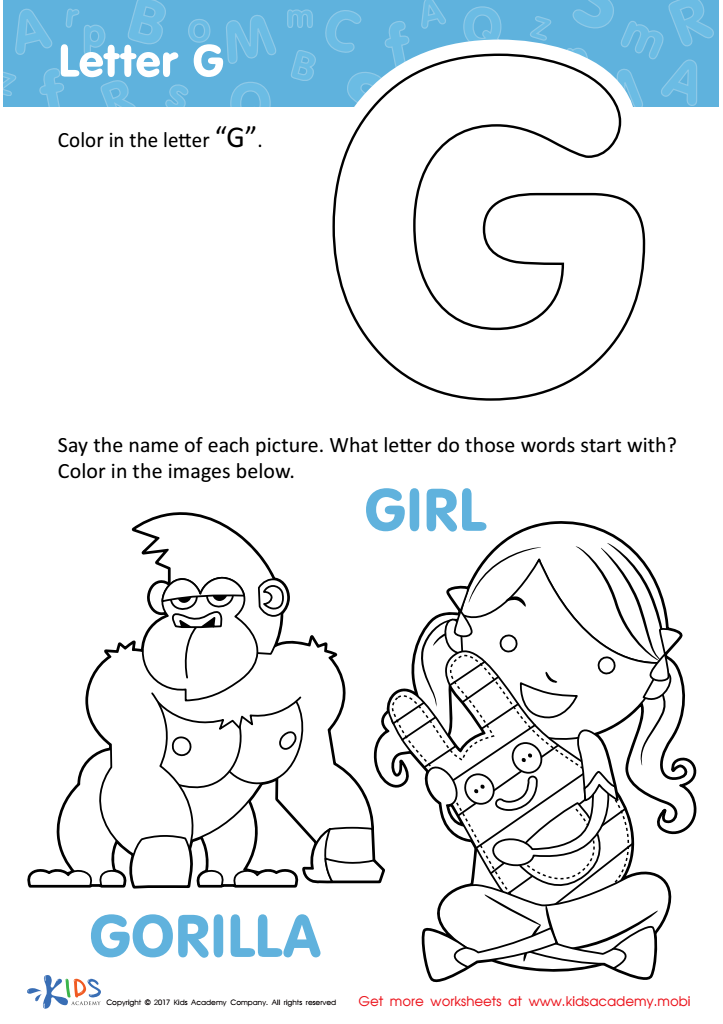
Letter G Coloring Sheet
Assign to My Students
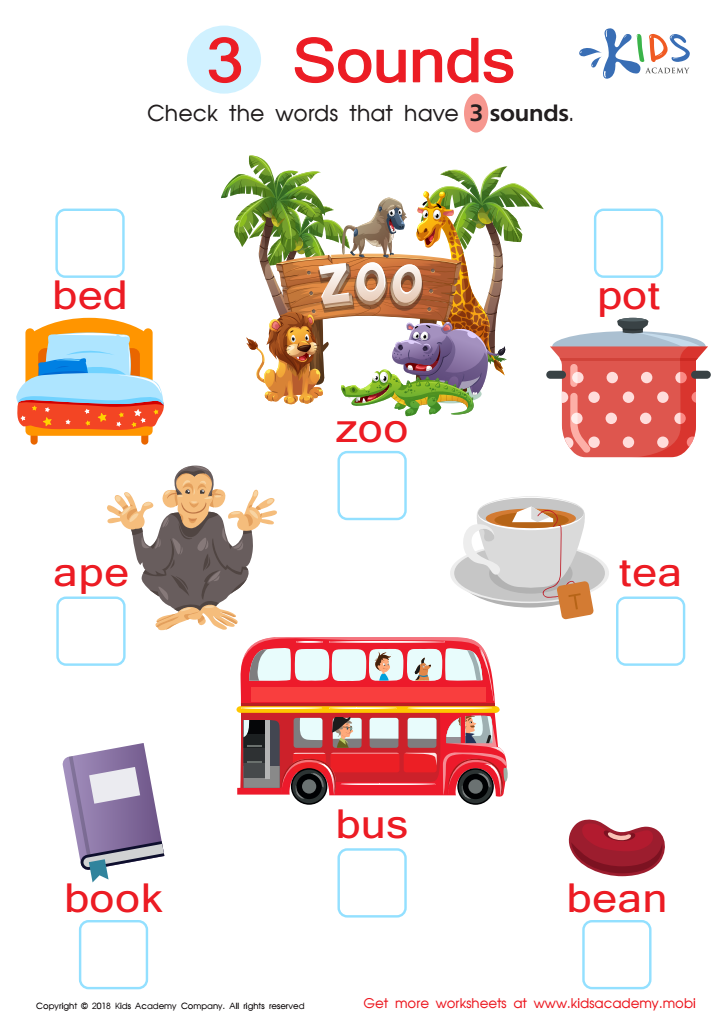
3 Sounds Worksheet
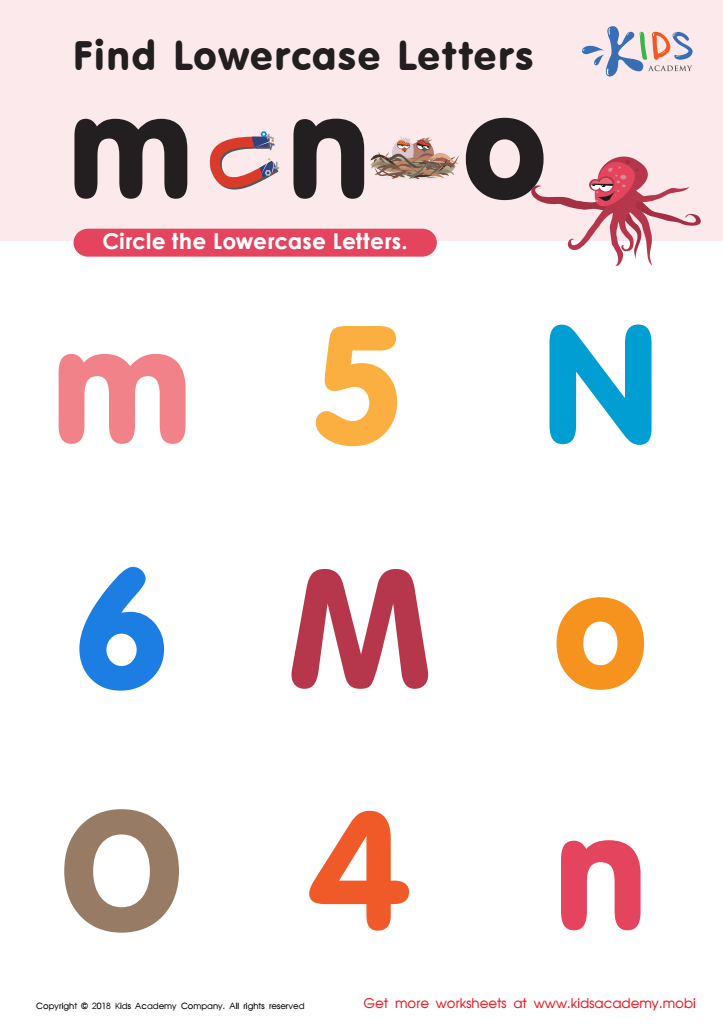
Find Lowercase Letters m n o Worksheet
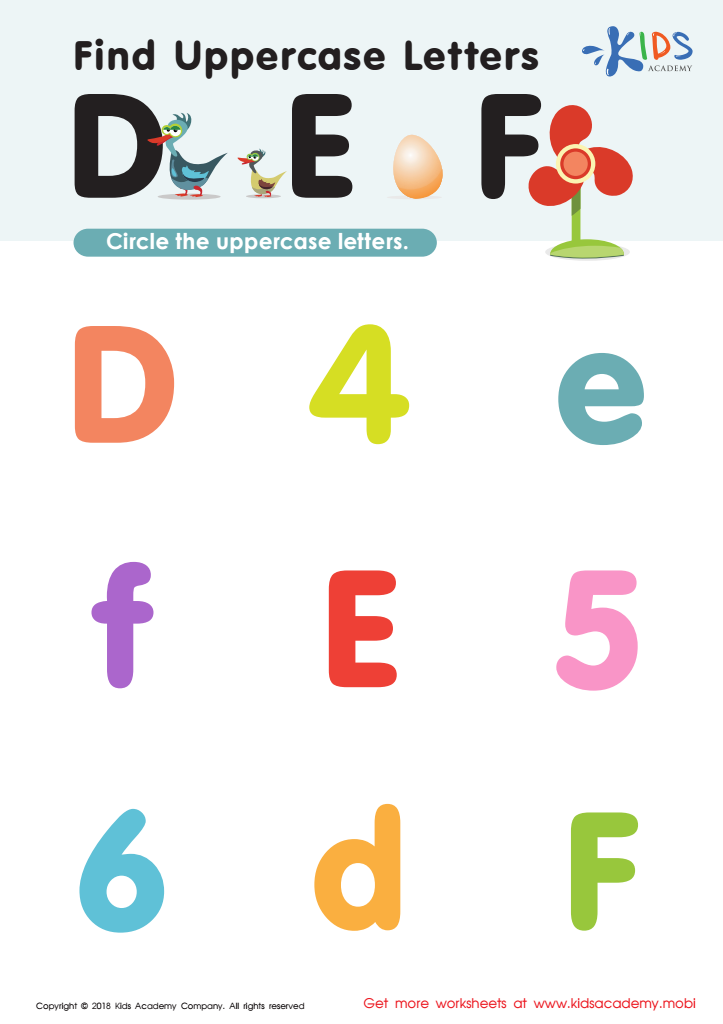
Find Uppercase Letters D, E, and F Worksheet
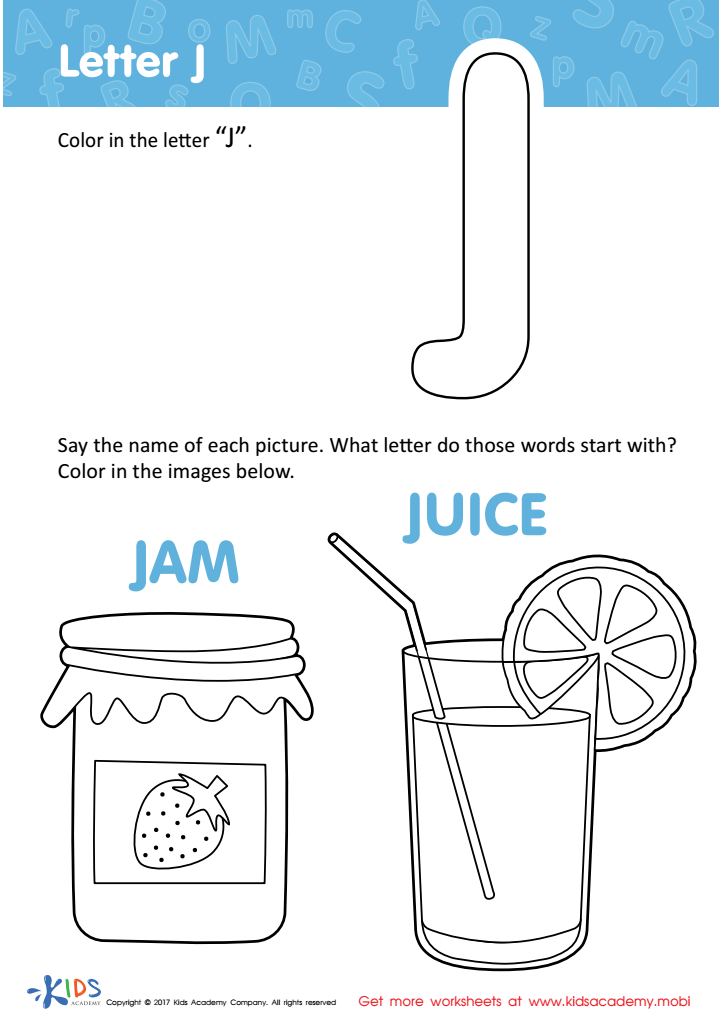
Letter J Coloring Sheet
Assign to My Students
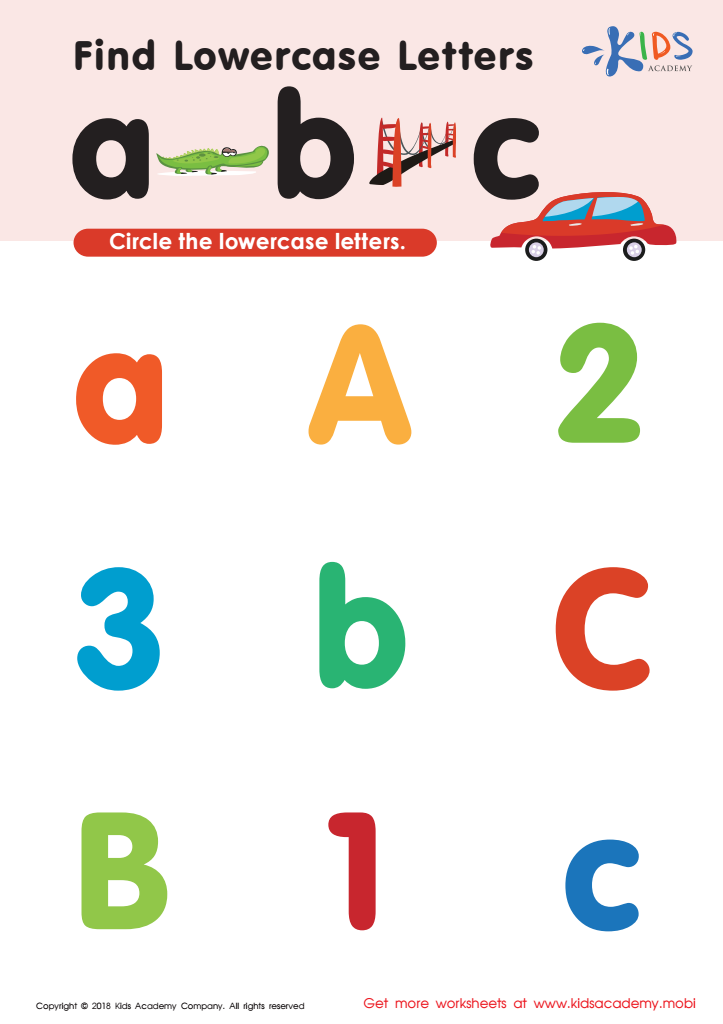
Find lowercase letters a b c Worksheet
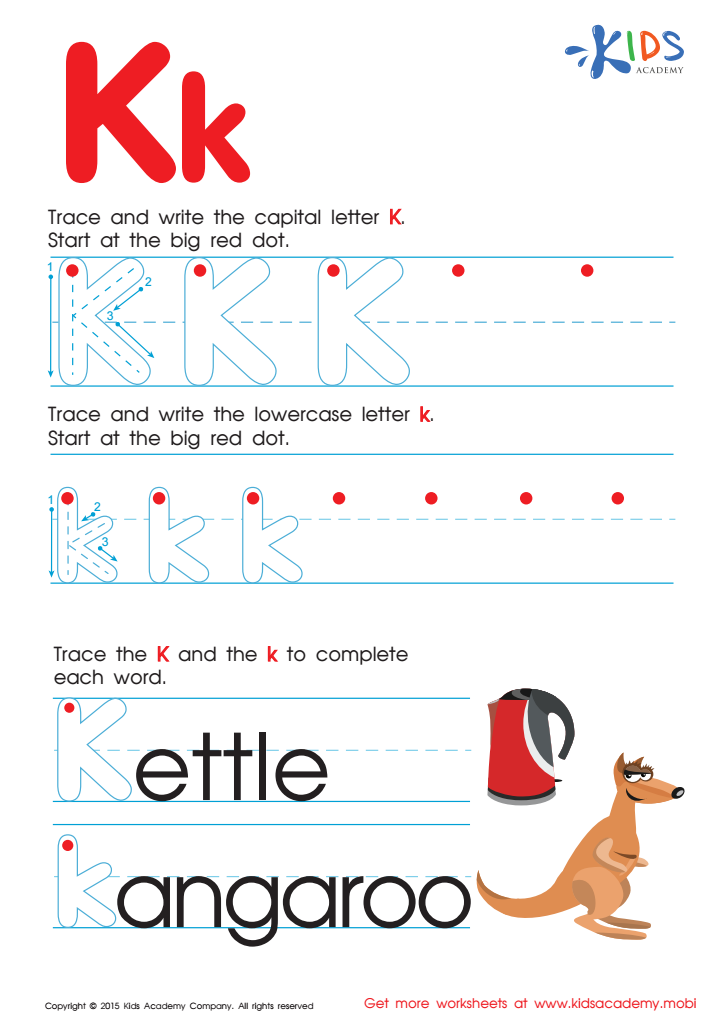
Letter K Tracing Page
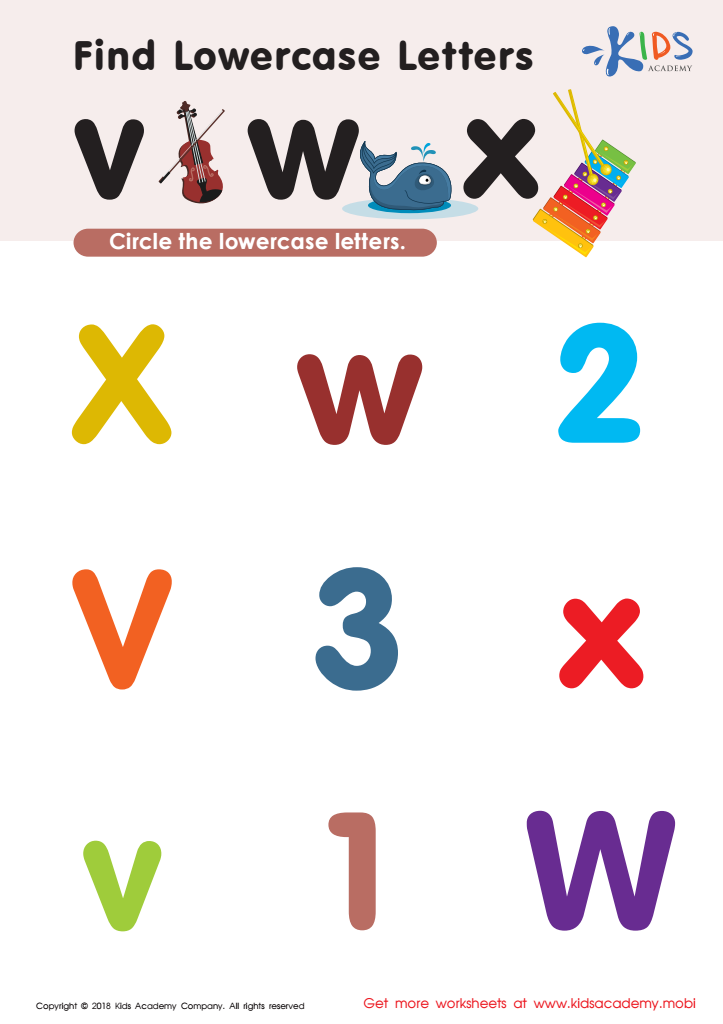
Find Lowercase Letters v w x Worksheet
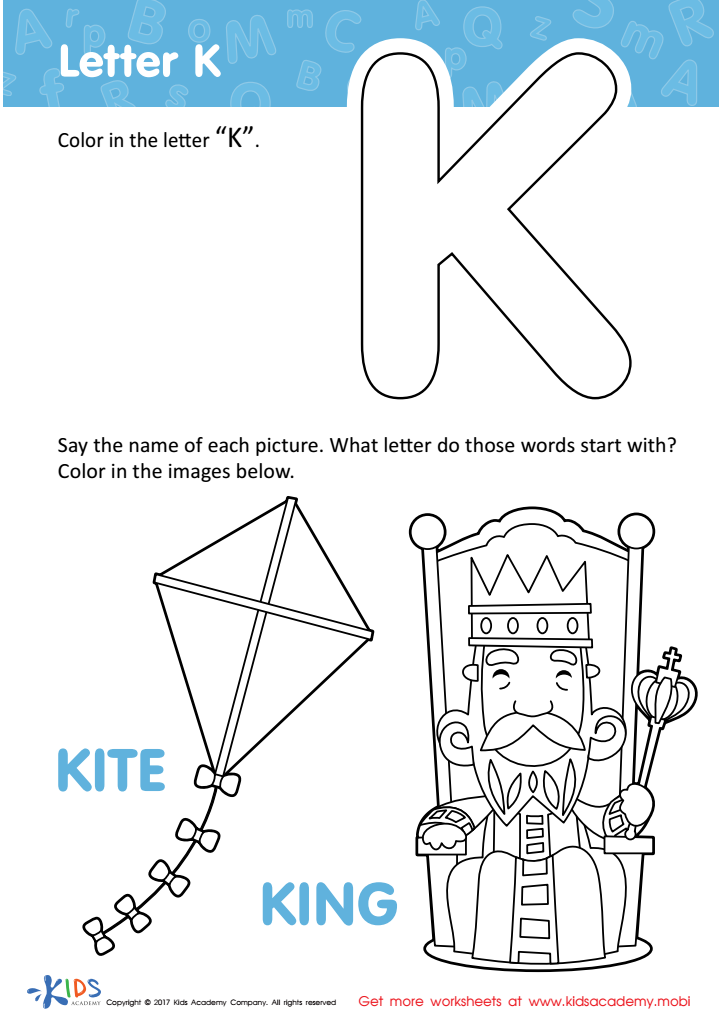
Letter K Coloring Sheet
Assign to My Students

Letter F Tracing Page
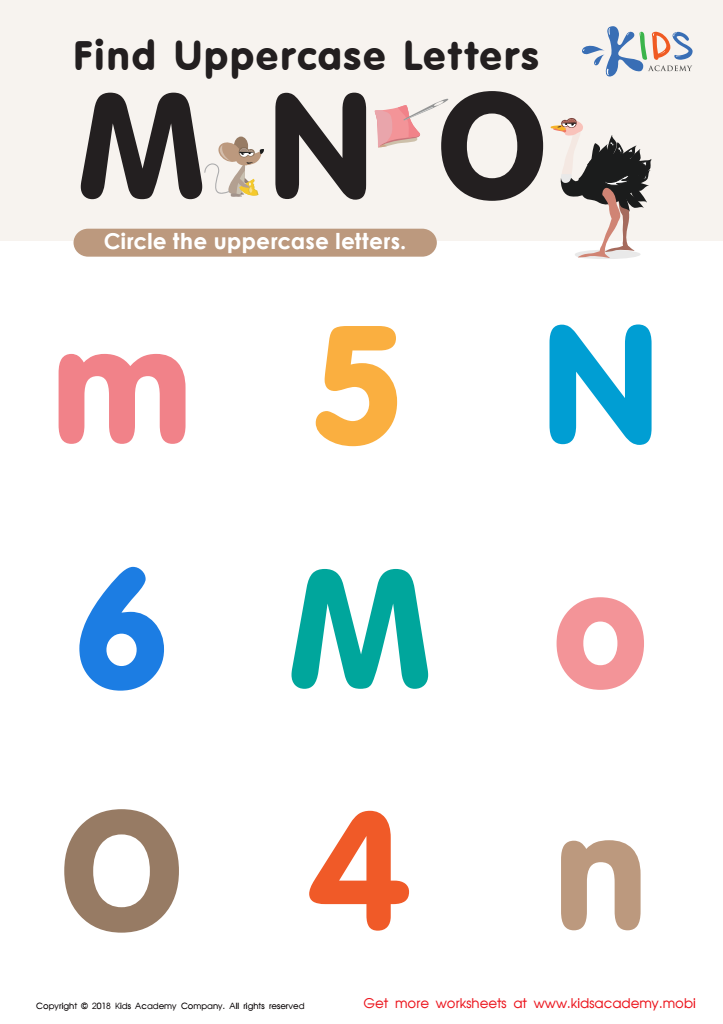
Find Uppercase Letters M, N, and O Worksheet
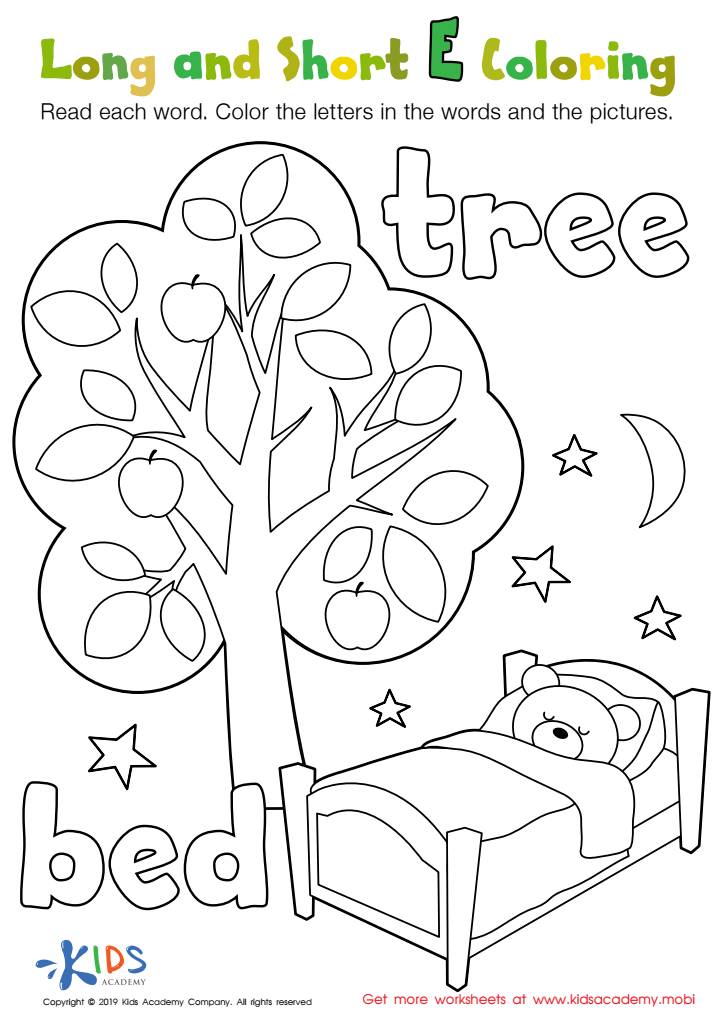
Long and Short E Worksheet
Assign to My Students
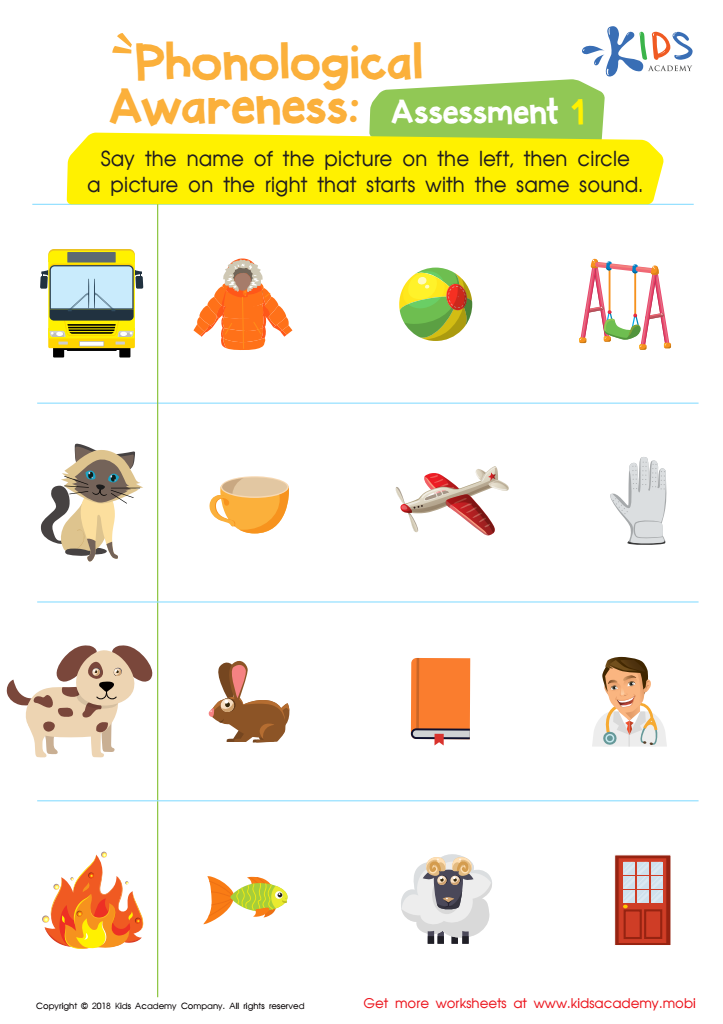
Phonological Awareness: Assessment 1 Worksheet
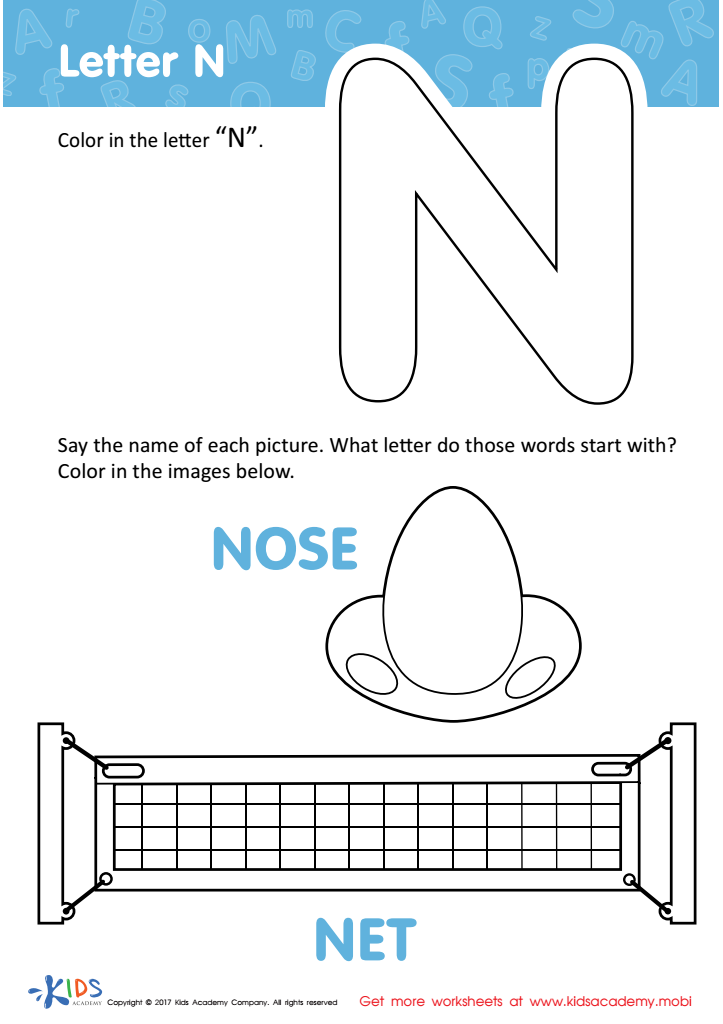
Letter N Coloring Sheet
Assign to My Students

Letter D Tracing Page
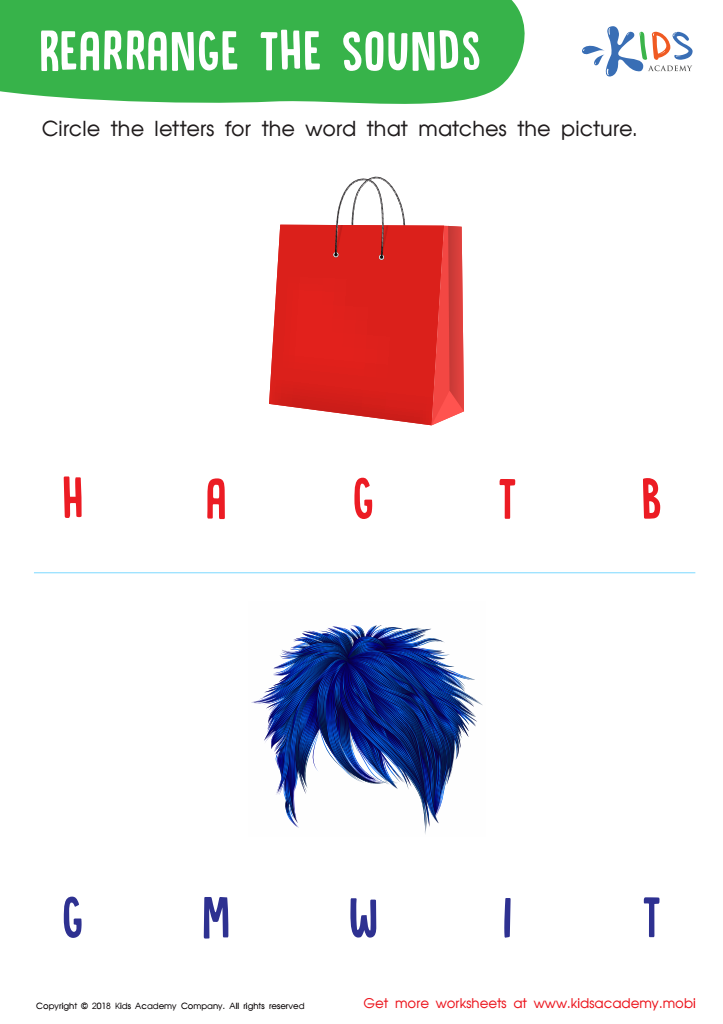
Rearrange the Sounds Worksheet







Letter recognition is a fundamental building block for young learners, particularly for children aged 6-8. It forms the foundation upon which reading and writing skills are built. At this age, recognizing letters of the alphabet enables children to begin understanding the relationships between sounds and letters, a crucial step in phonics education.
For parents and teachers, fostering letter recognition helps children decode words, improving their reading fluency and comprehension. As children become more comfortable identifying letters, they can more easily match them to their corresponding sounds, which enhances their spelling and vocabulary skills. These basic literacy skills are critical for academic success across all subjects, including math, science, and social studies.
Early mastery of letter recognition also contributes to a child's confidence and enthusiasm for learning. When children can readily recognize letters, they experience less frustration and more enjoyment in reading activities. This positive experience can cultivate a lifelong love of learning and intellectual curiosity.
Additionally, adults who actively engage children in fun and interactive activities that promote letter recognition, such as games, storytelling, and crafts, also support their cognitive development and fine motor skills. Ultimately, investing in letter recognition opens doors to wider communication skills, self-expression, and access to the diverse world of knowledge and imagination found in reading.







