Phonics Skills Normal Phonics Worksheets for Ages 6-8
48 filtered results
-
From - To
Explore our engaging "Phonics Skills Normal Phonics Worksheets" designed specifically for children ages 6-8! These worksheets provide a fun and interactive way to enhance phonics knowledge, focusing on decoding, blending, and recognizing sounds. Ideal for young learners, each worksheet offers a variety of exercises that promote essential reading skills while ensuring student engagement. Our carefully crafted resources help reinforce phonemic awareness, aiding in the development of reading fluency and comprehension. Perfect for home or classroom use, these phonics worksheets support your child's literacy journey, making learning both effective and enjoyable. Help your child build a strong phonics foundation today!
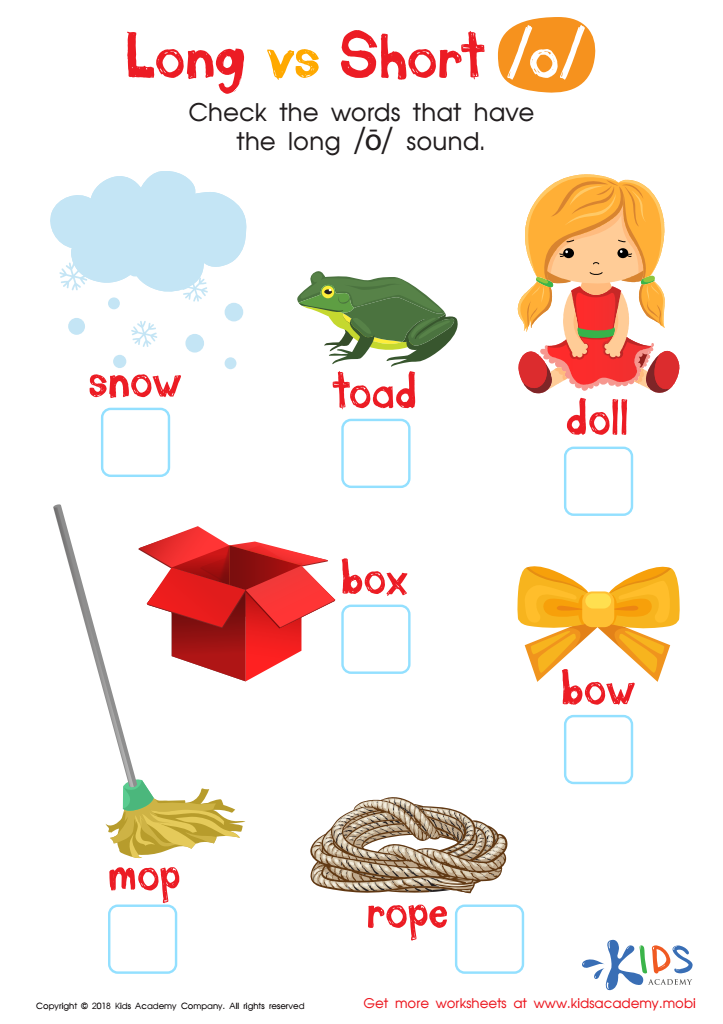
Long vs Short O Reading Worksheet
 Assign to My Students
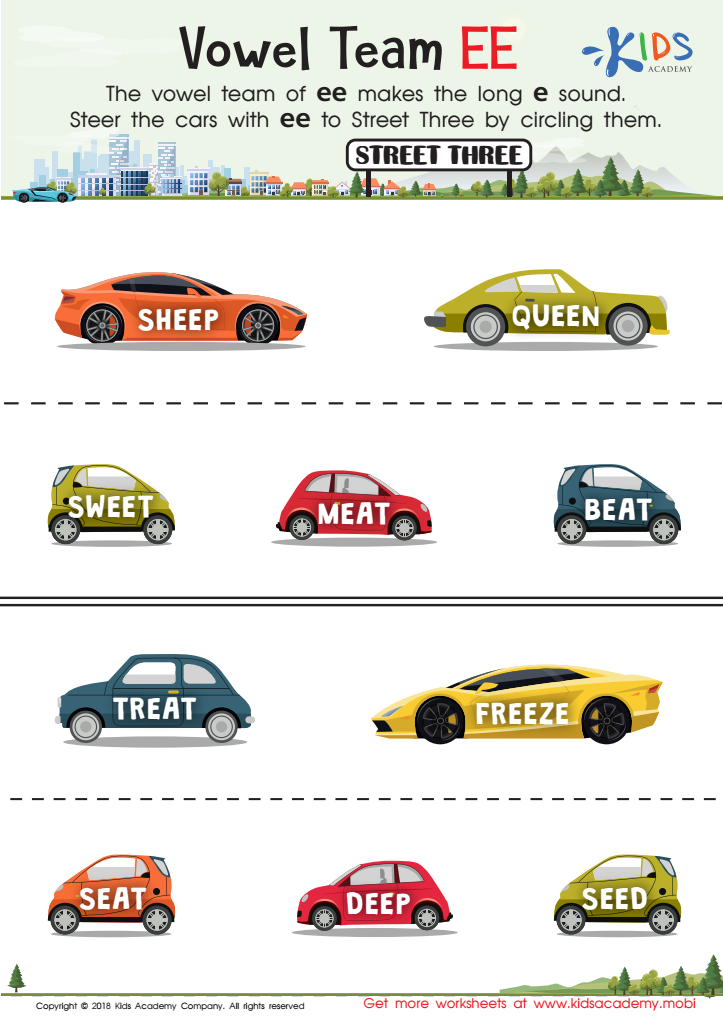
Vowel team ee Worksheet
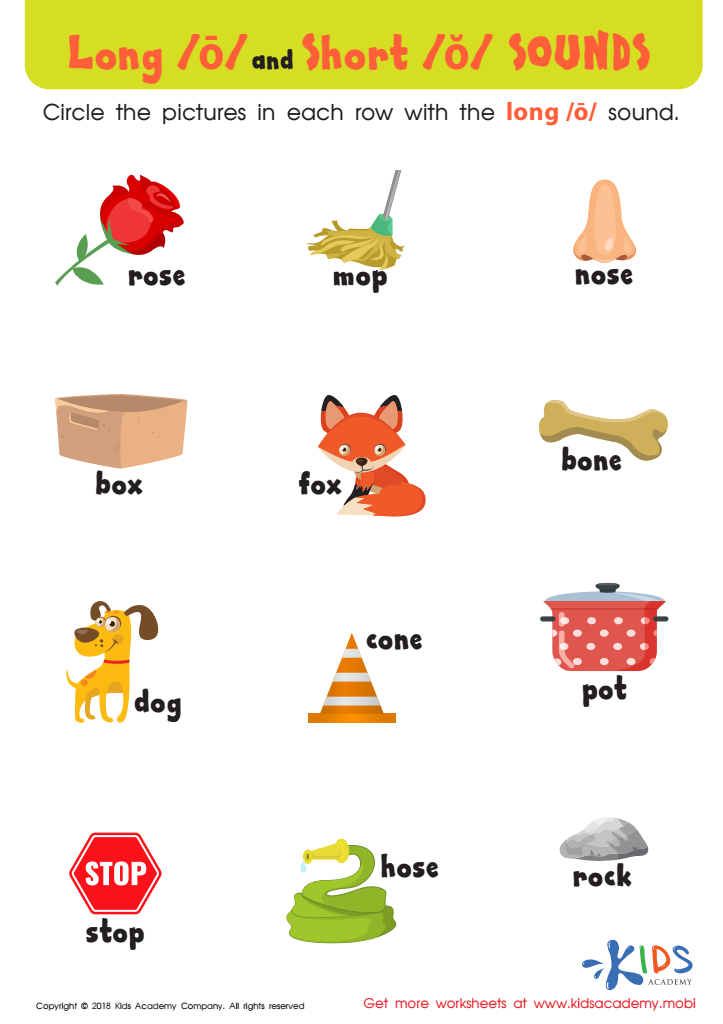
Reading: Long O and Short O Sounds Worksheet
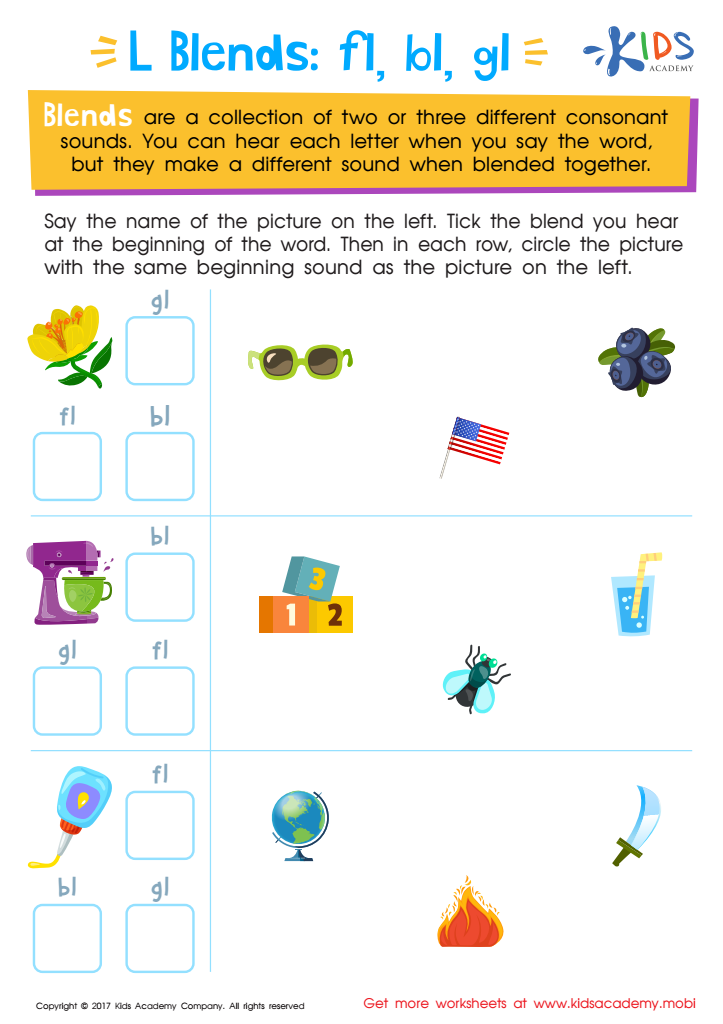
Blending Consonants: "Fl", "Bl" and "Gl" Printable
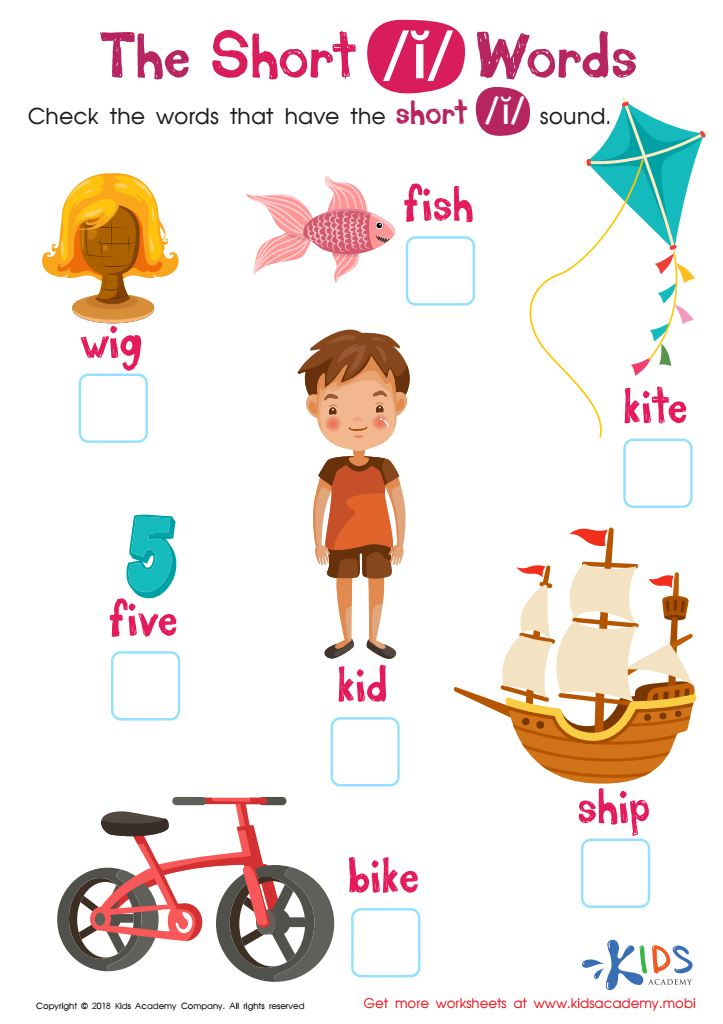
The Short I Words Reading Worksheet
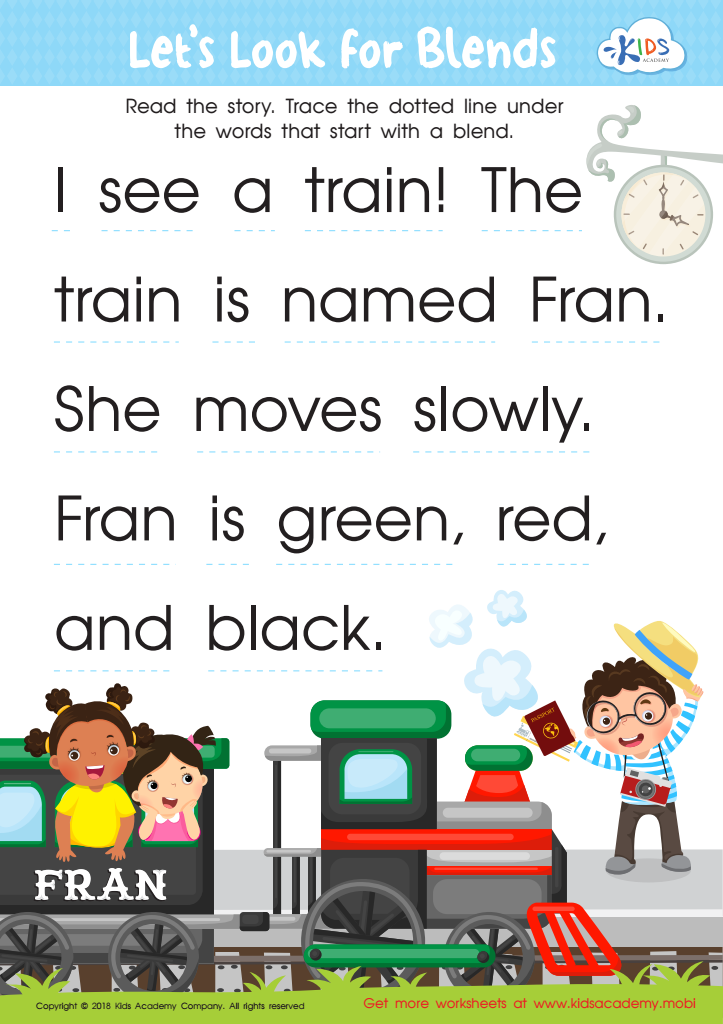
Let's Look for Blends Worksheet
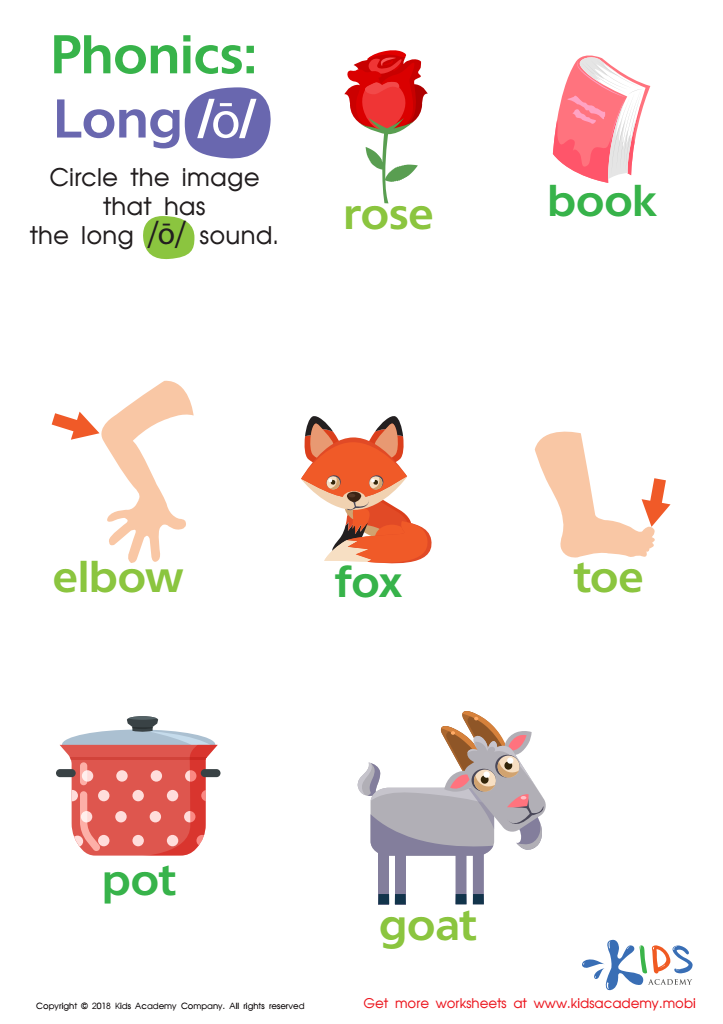
Phonics Long O Reading Worksheet
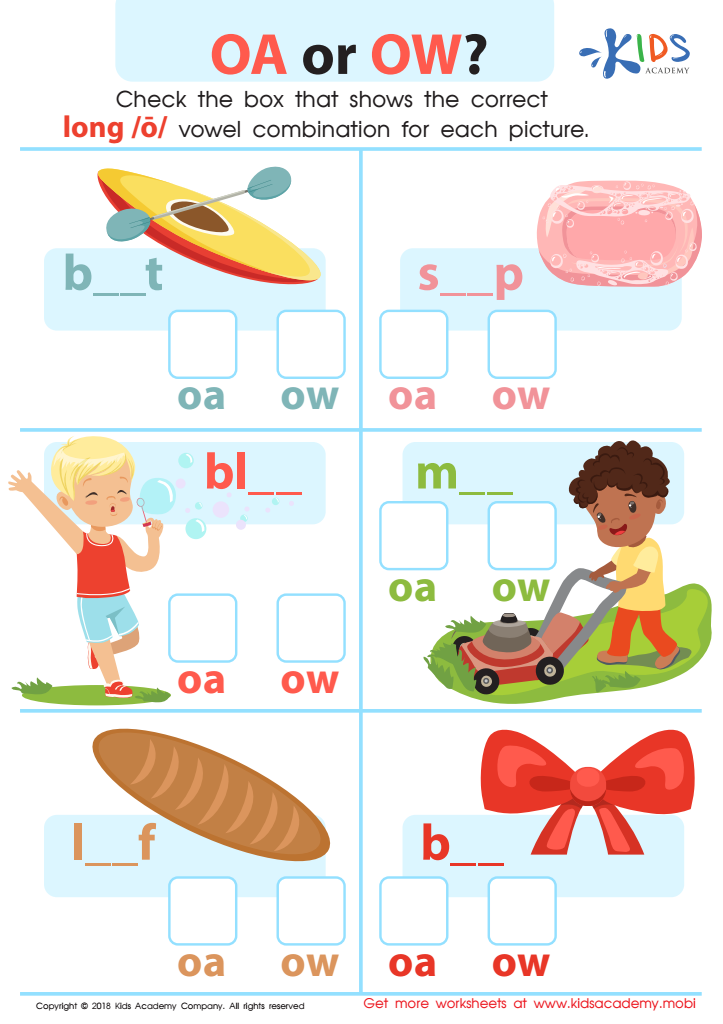
Reading: OA or OW Worksheet
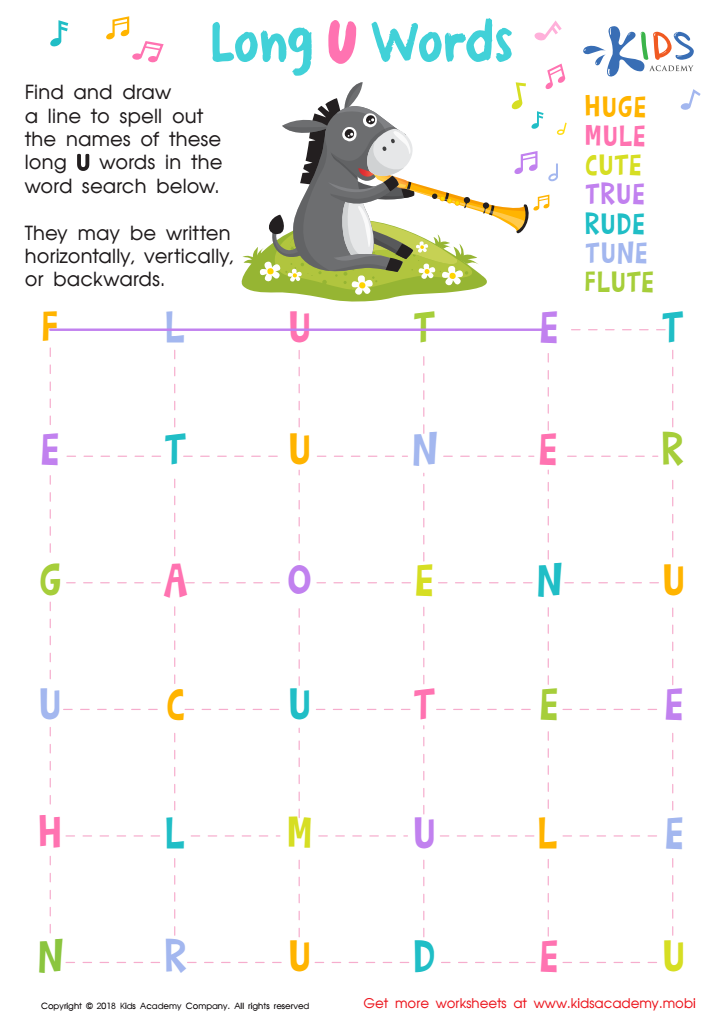
Long /u/ Words Worksheet
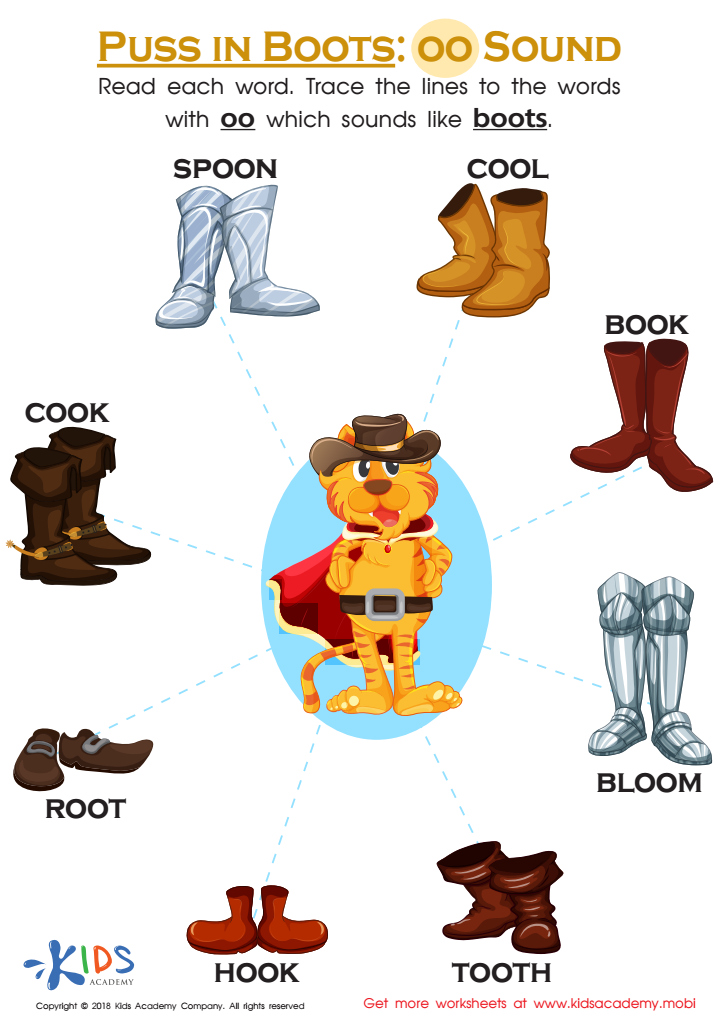
Puss in Boots: OO Sound Worksheet
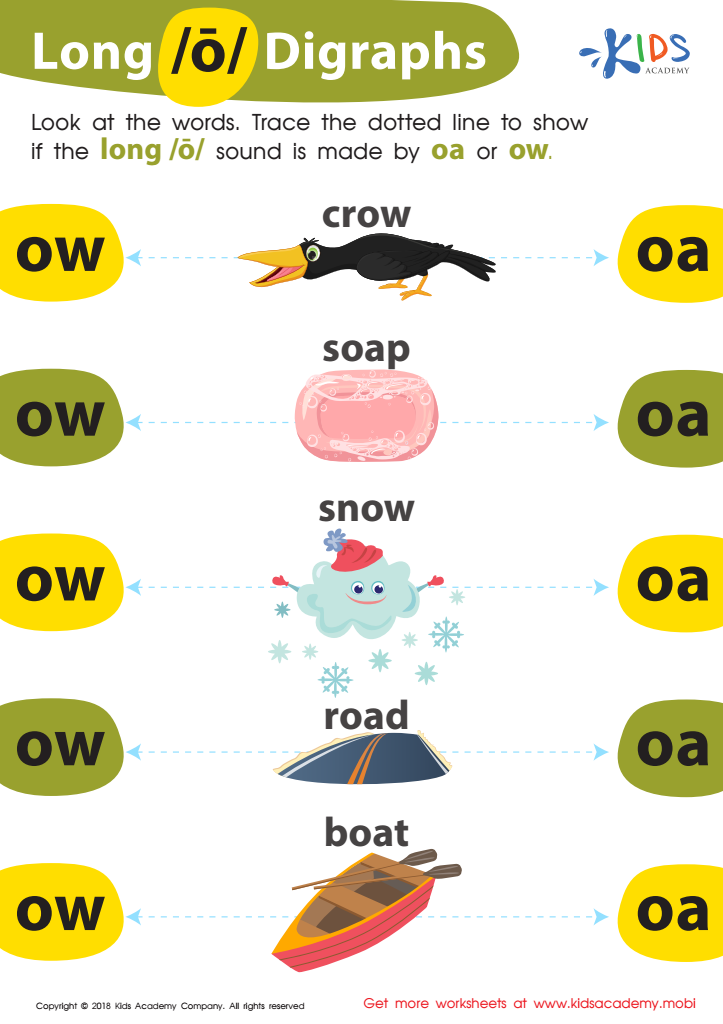
Reading: Long O Digraphs Worksheet
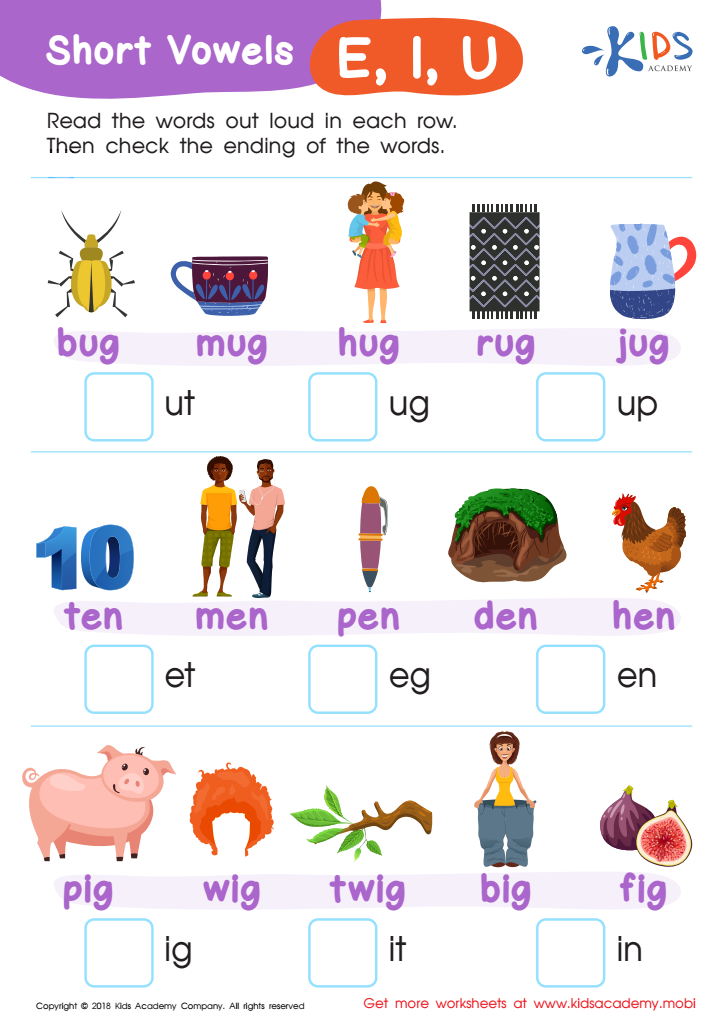
Short Vowels /e/, /i/, and /u/ Worksheet
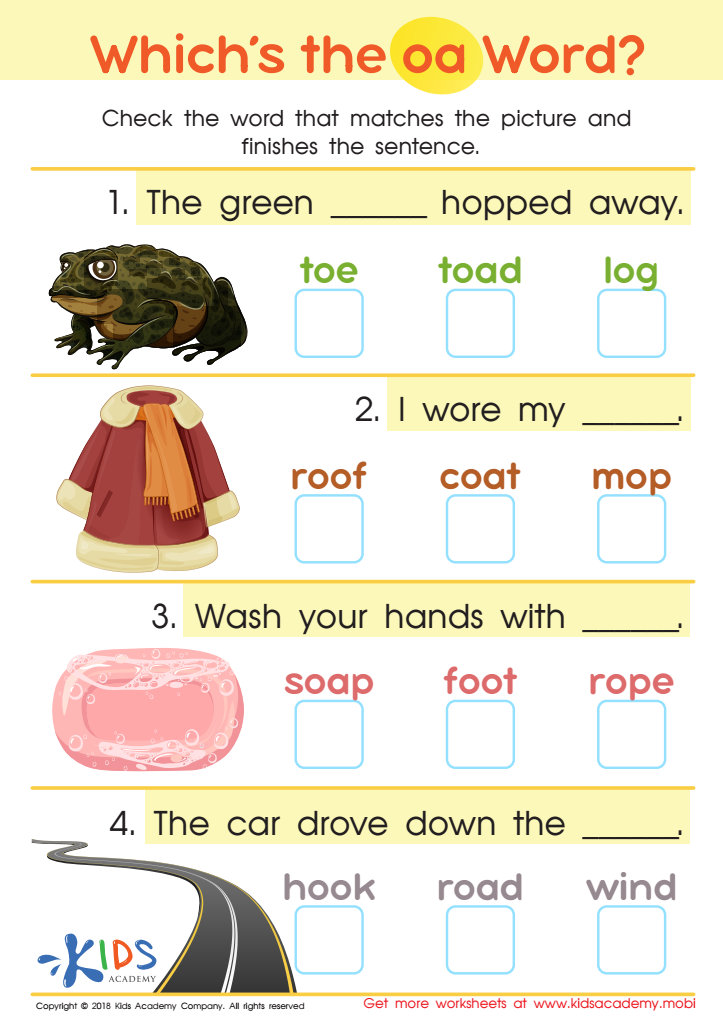
Which's the OA Word? Worksheet
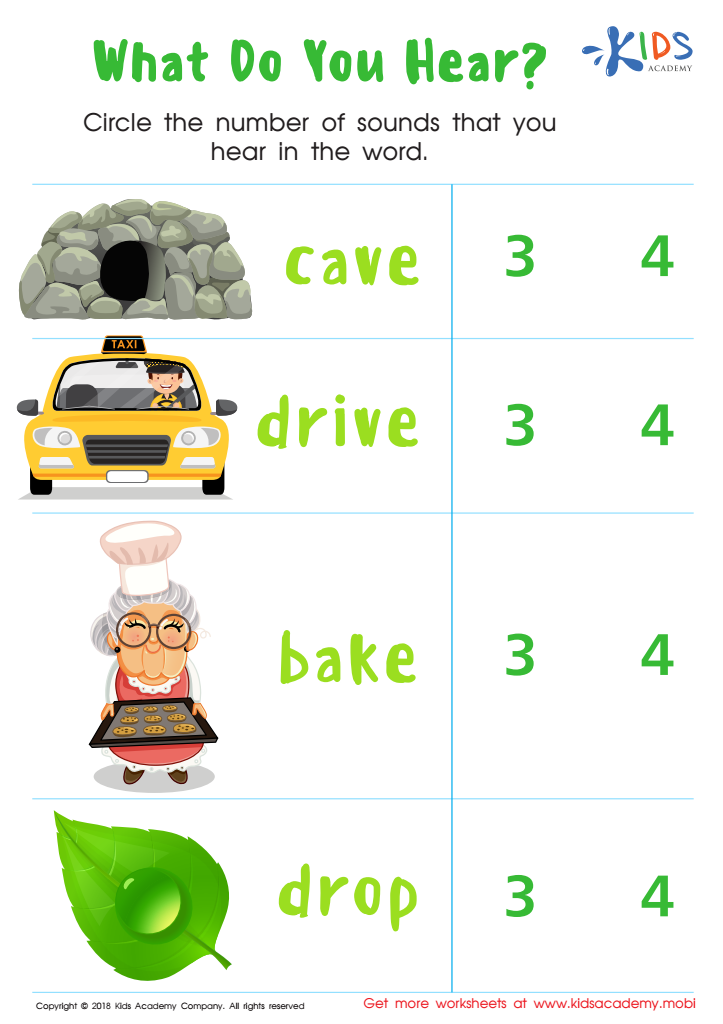
What Do You Hear? Worksheet
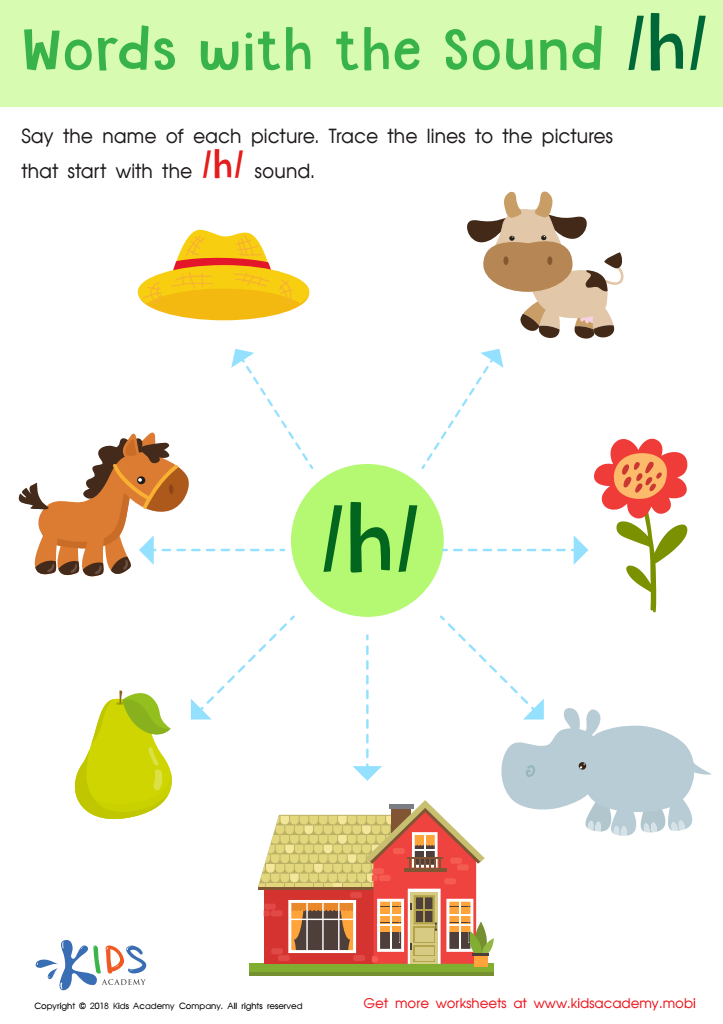
Words with sound h Reading Worksheet
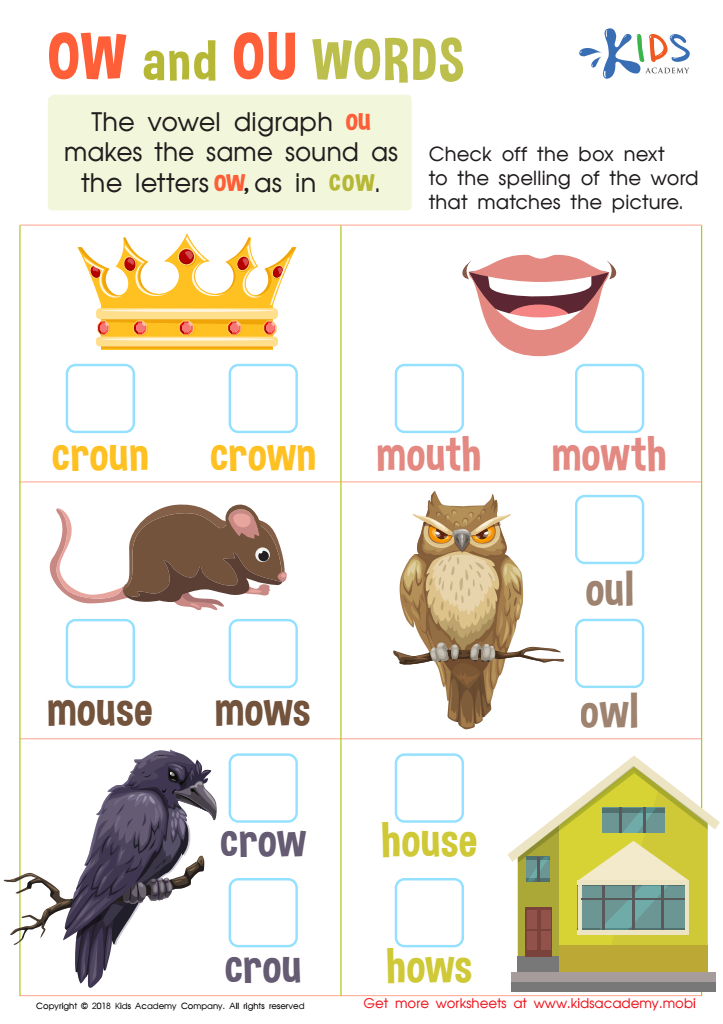
Reading: OW and OU Words Worksheet
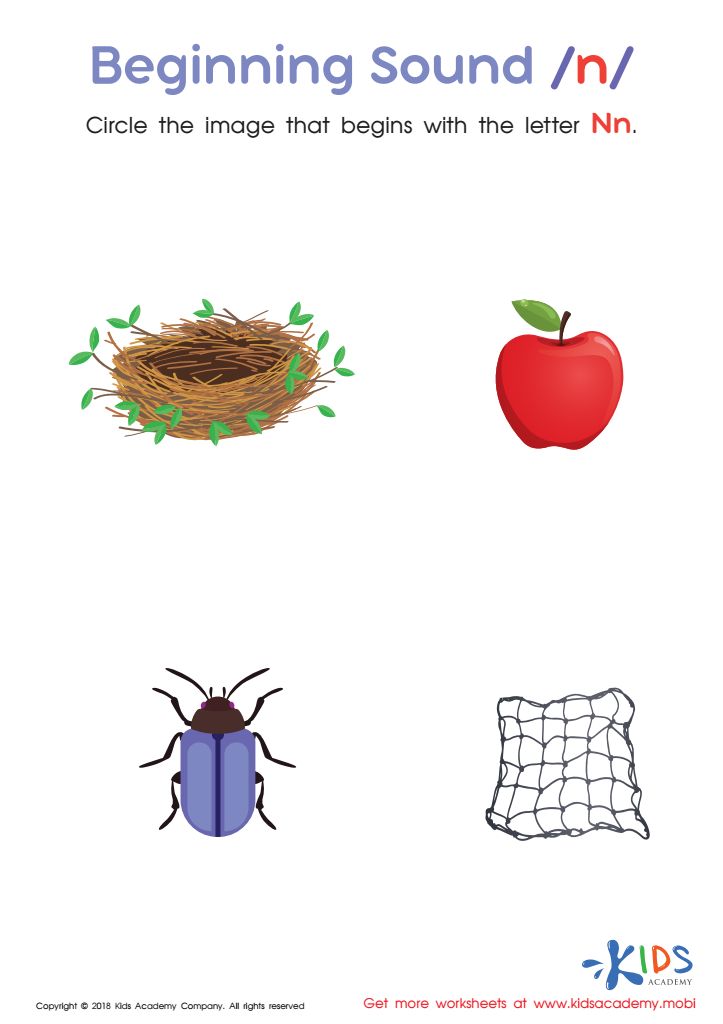
Beginning Sound «n» Worksheet
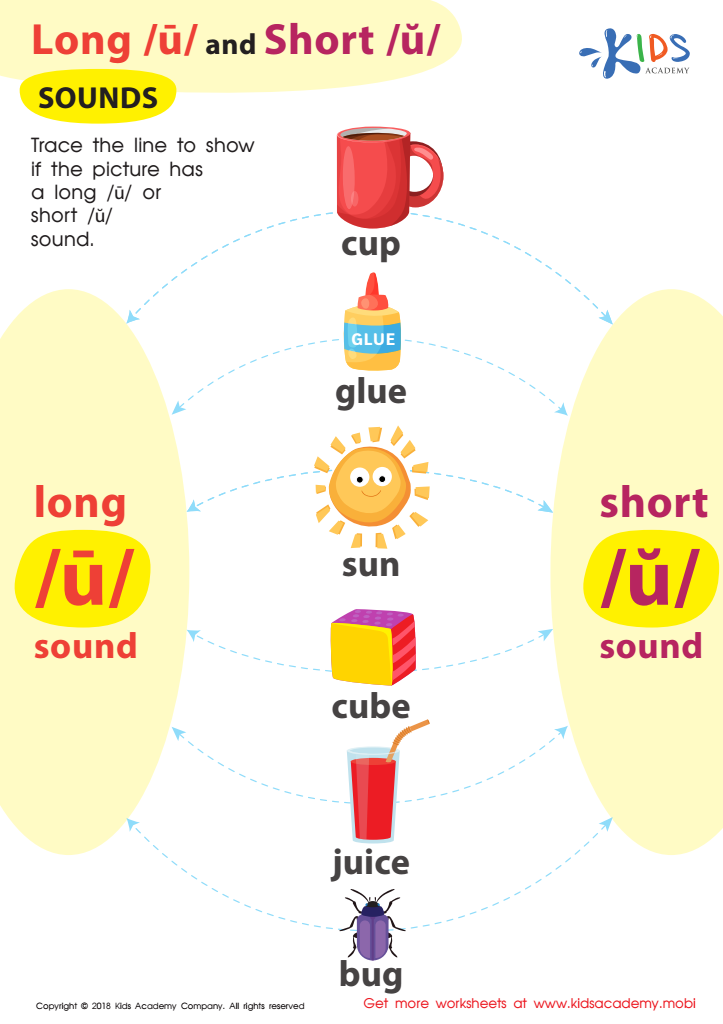
Reading: Long U and Short U Sounds Worksheet
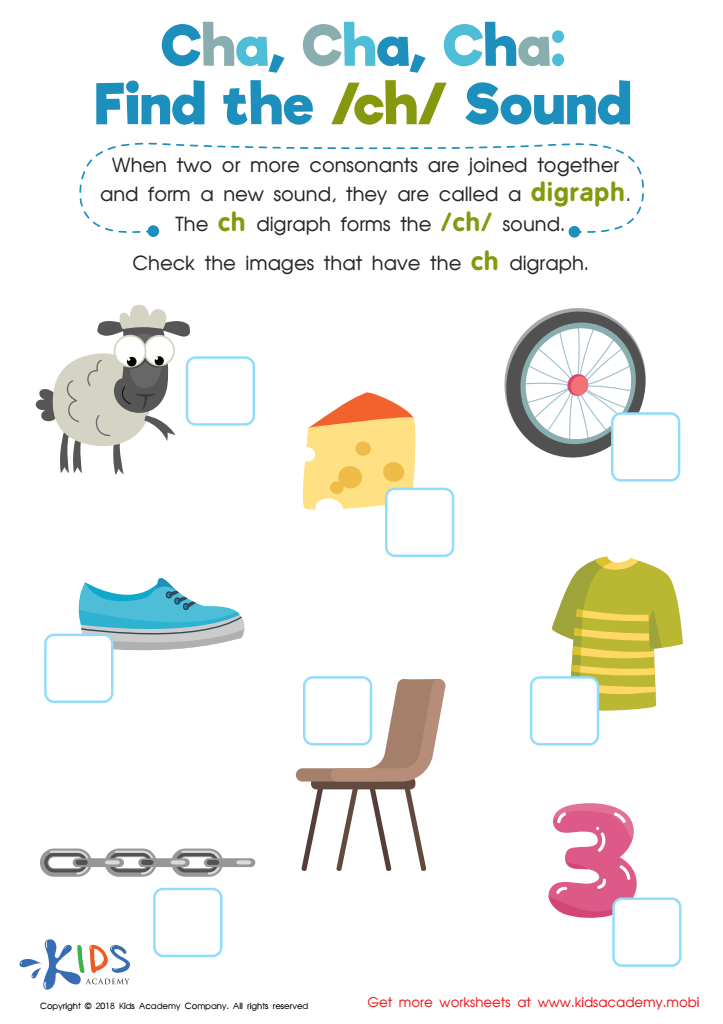
Cha, Cha, Cha: Find the /Ch/ Sound Worksheet
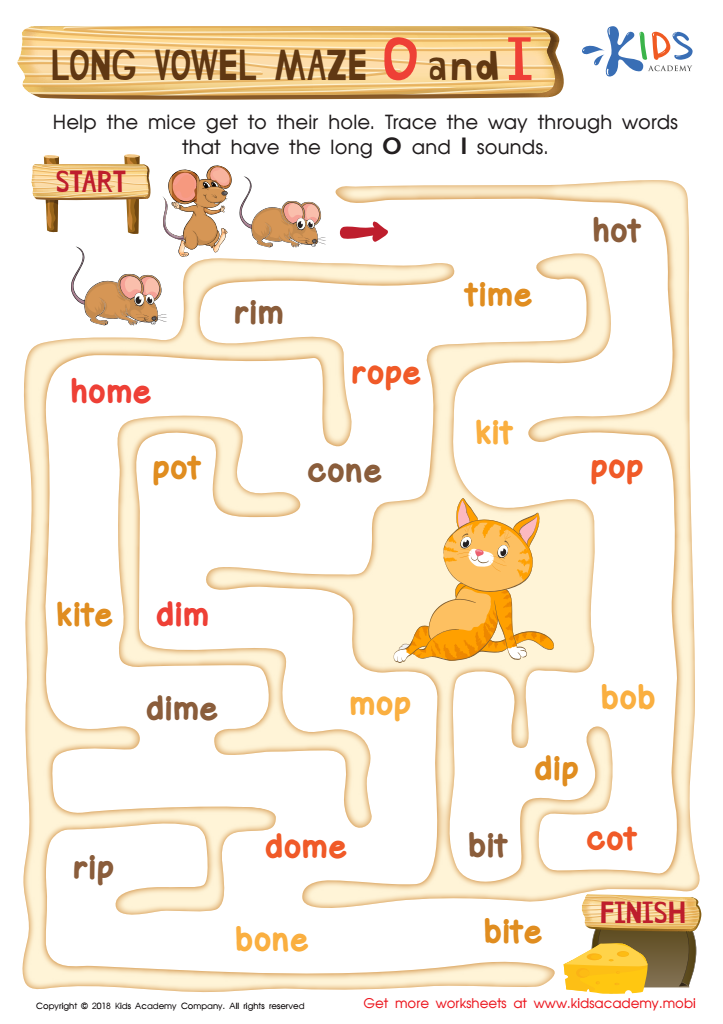
Long Vowel Maze /o/ and /i/ Worksheet
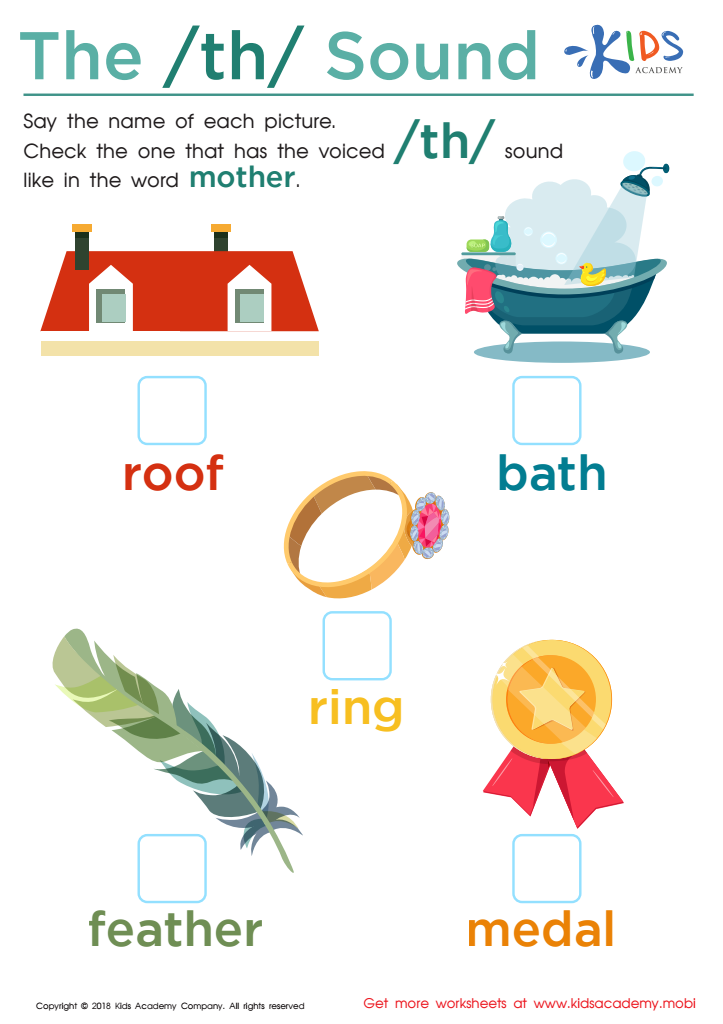
The /th/ Sound Worksheet
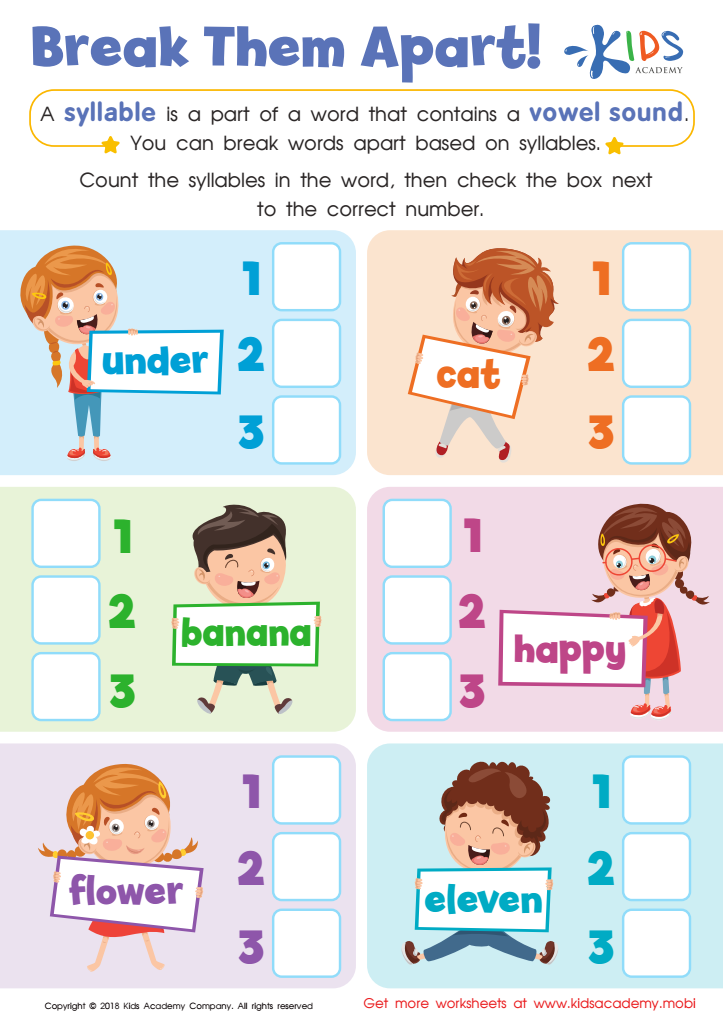
Reading: Break Them Apart Worksheet
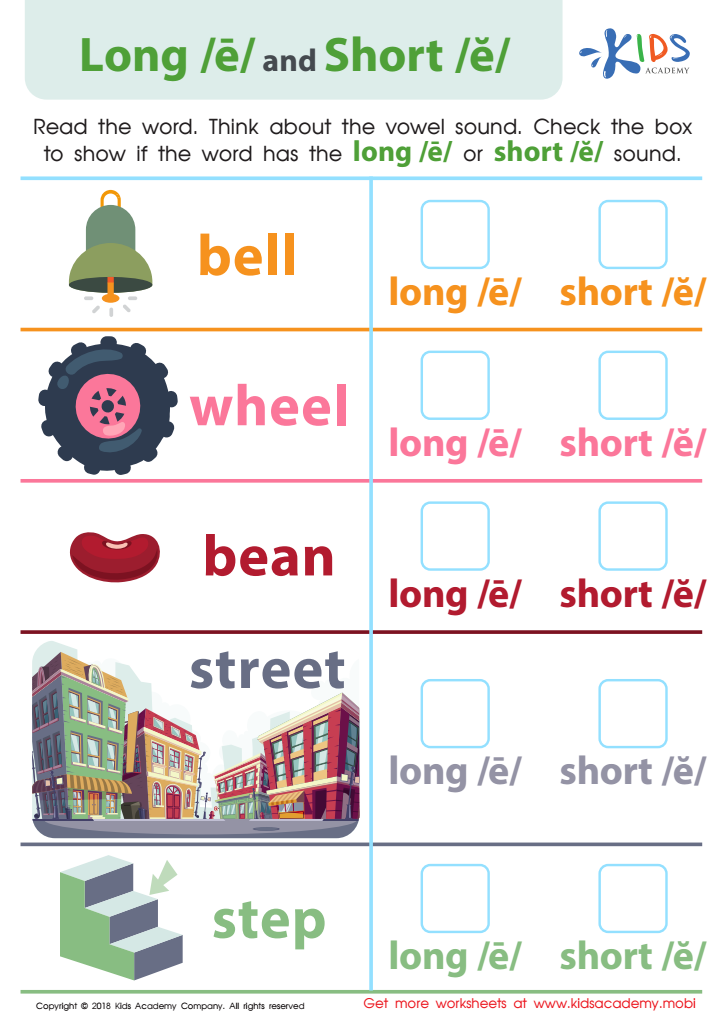
Reading: Long E and Short E Worksheet
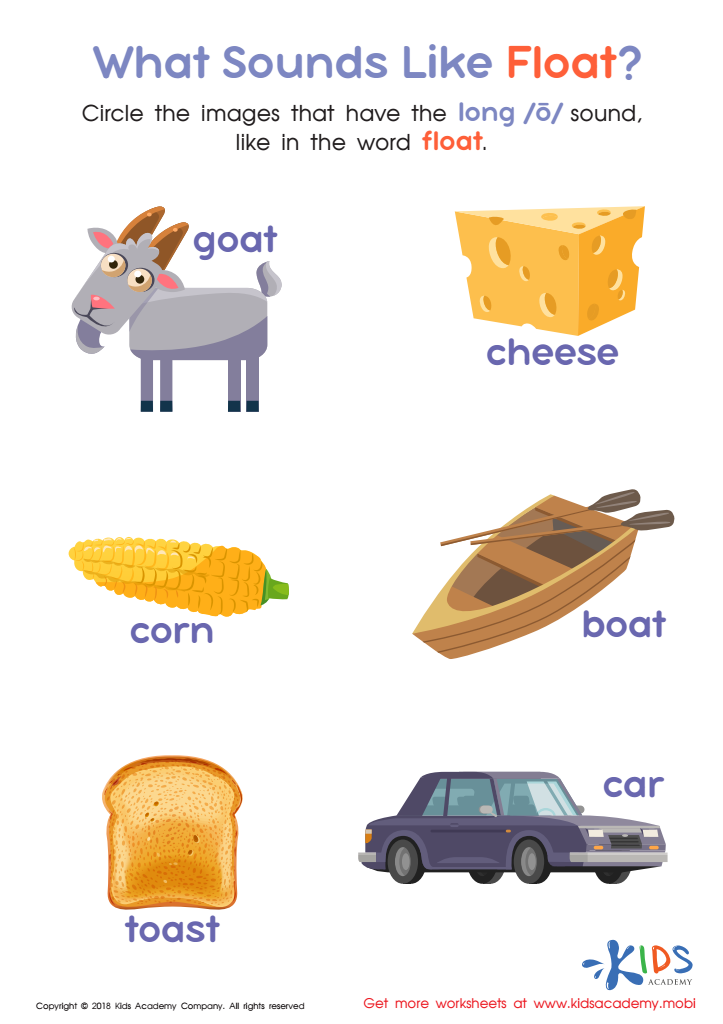
What Sounds Like Float? Worksheet








Phonics is a foundational skill in early literacy that significantly impacts a child's reading and writing abilities. For children aged 6 to 8, mastering phonics not only aids in decoding words but also enhances their comprehension and overall confidence in literacy. Parents and teachers should prioritize phonics instruction because it helps young learners understand the relationship between sounds, letters, and their corresponding meanings.
At this age, children are transitioning from early reading experiences to independent reading. Strong phonics skills enable them to read fluently and accurately. Moreover, research indicates that children who develop robust phonics skills early on are less likely to struggle with reading later in life.
Effective phonics instruction also fosters a love for reading. When children can decode words successfully, they are more likely to engage with texts, leading to increased vocabulary and better writing skills. Additionally, phonics is essential in supporting diverse learners, including those with learning differences.
Ultimately, by focusing on phonics during these critical years, parents and teachers equip children with essential tools for academic success, fostering a positive relationship with reading that can last a lifetime. Ignoring phonics can lead to challenges in literacy development, making early intervention crucial.







