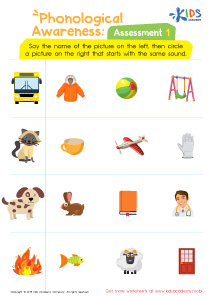
Phonics Skills Normal Vowels Worksheets for Ages 6-8 - Page 2
30 filtered results
-
From - To
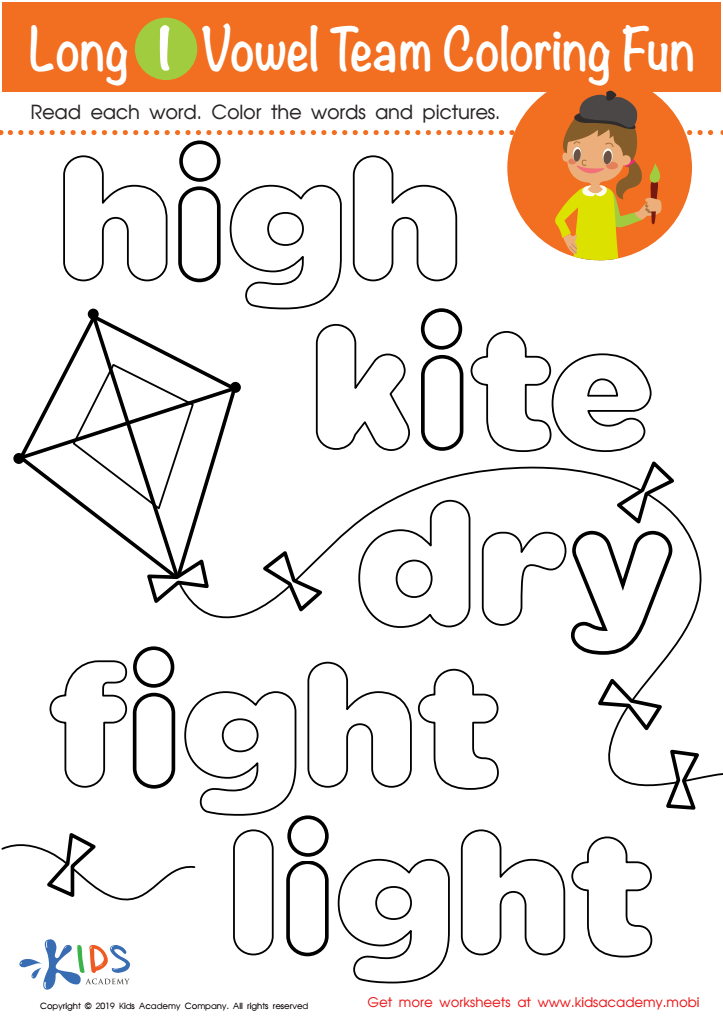
Long I Vowel Team Coloring Worksheet
 Assign to My Students
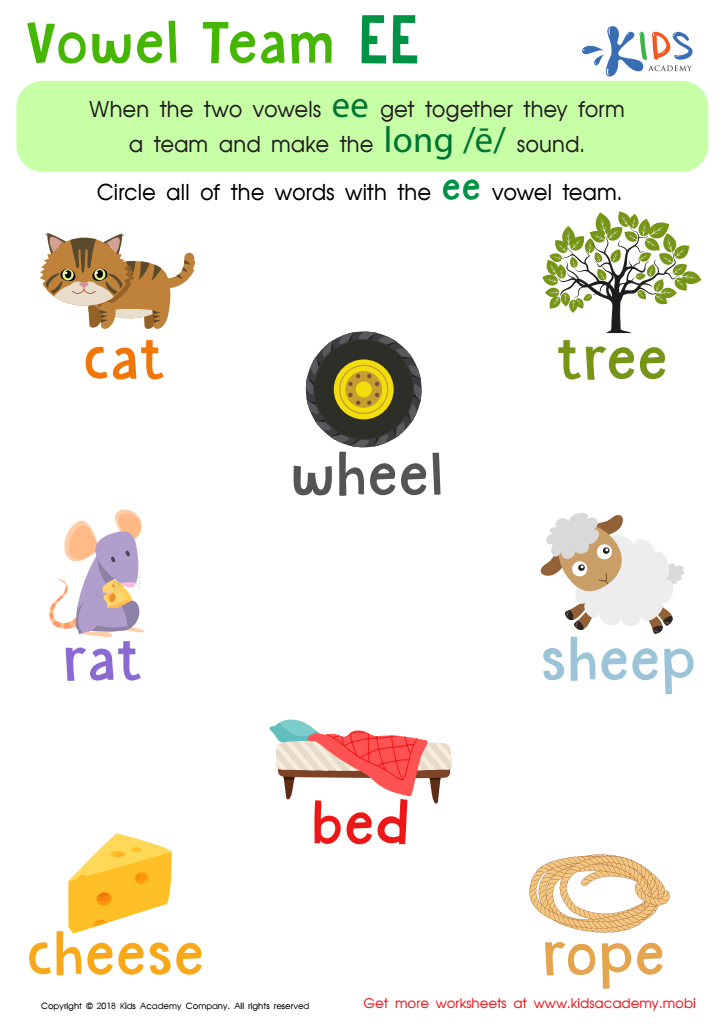
Reading: Vowel Team EE Worksheet
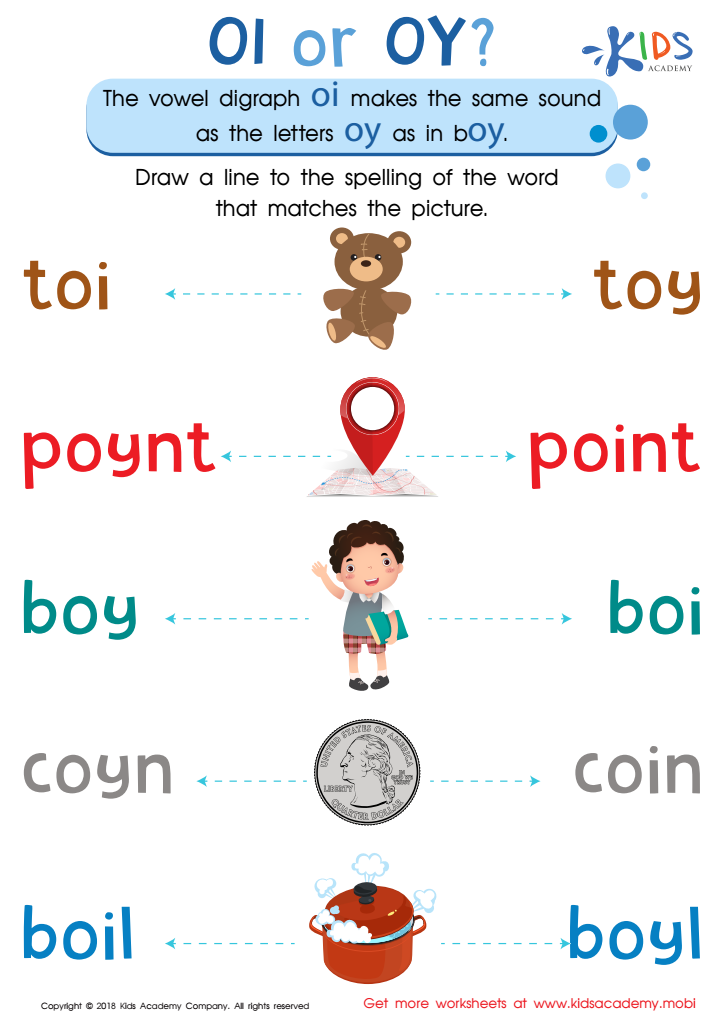
Reading: OI and OY Worksheet
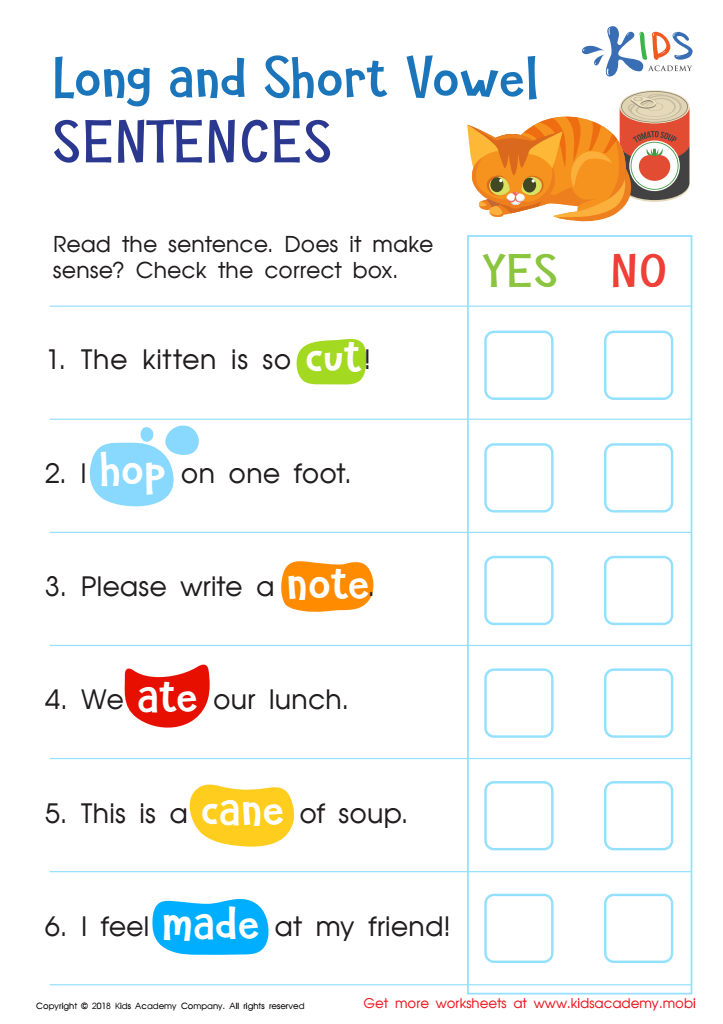
Long and Short Vowel Sentences: Assessment Worksheet

Long and Short E Worksheet
Assign to My Students
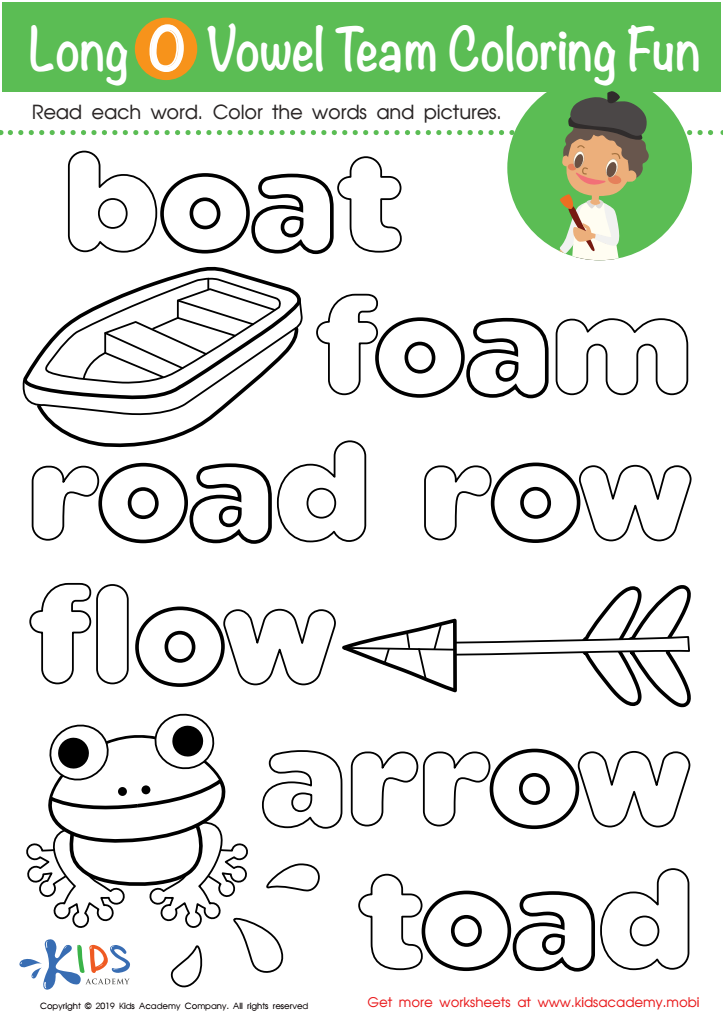
Long O Vowel Team Coloring Worksheet
Assign to My Students





Parents and teachers should prioritize Phonics Skills involving normal vowels for children aged 6-8 because these skills are foundational for learning to read and write proficiently. At this pivotal age, children are like linguistic sponges, rapidly developing their understanding of how language works. Mastery of vowel sounds, which are central to phonics, aids in the decoding of words—a critical reading skill. Vowels appear in almost every word, and recognizing their sounds helps children piece together words with greater ease and confidence.
Moreover, fluency in vowel phonics contributes to better spelling, as children learn to associate sounds with the correct letters. This sets the groundwork for more efficient writing and communication. Phonics instruction, including normal vowel sounds, supports phonemic awareness, which is the ability to hear, identify, and manipulate sounds. This skill is a strong predictor of future reading success and is essential for recognizing patterns in letters and sounds.
Lastly, a solid phonics foundation enriches a child's vocabulary, comprehension, and overall love for reading. When children feel competent at decoding words, they are more likely to enjoy reading, leading to improved literacy outcomes and academic success. Investing time in phonics and vowel education ensures children have the essential tools needed to become lifelong readers and learners.