Number identification Normal Cultures and Holidays Coloring Pages Worksheets for Ages 6-8
3 filtered results
-
From - To
Explore our engaging Number Identification Coloring Pages focused on Normal Cultures and Holidays, designed specifically for ages 6-8! These worksheets provide an enjoyable avenue for young learners to enhance their number recognition skills while discovering diverse traditions and celebrations from around the world. Each coloring page features beautifully illustrated themes that not only inspire creativity but also foster an appreciation for cultural diversity. Our resources aim to make learning fun and interactive, encouraging children to engage with numbers in a meaningful way. Perfect for home or educational settings, these worksheets will captivate young minds, making math an exciting adventure!
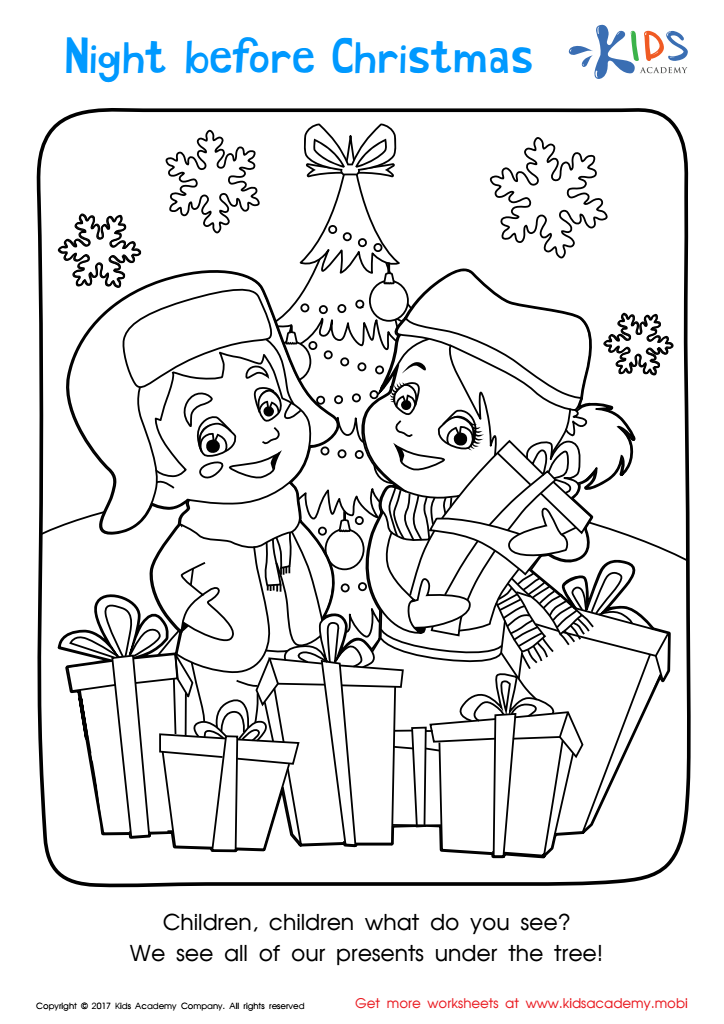
Christmas: Night Before Christmas Printable
 Assign to My Students
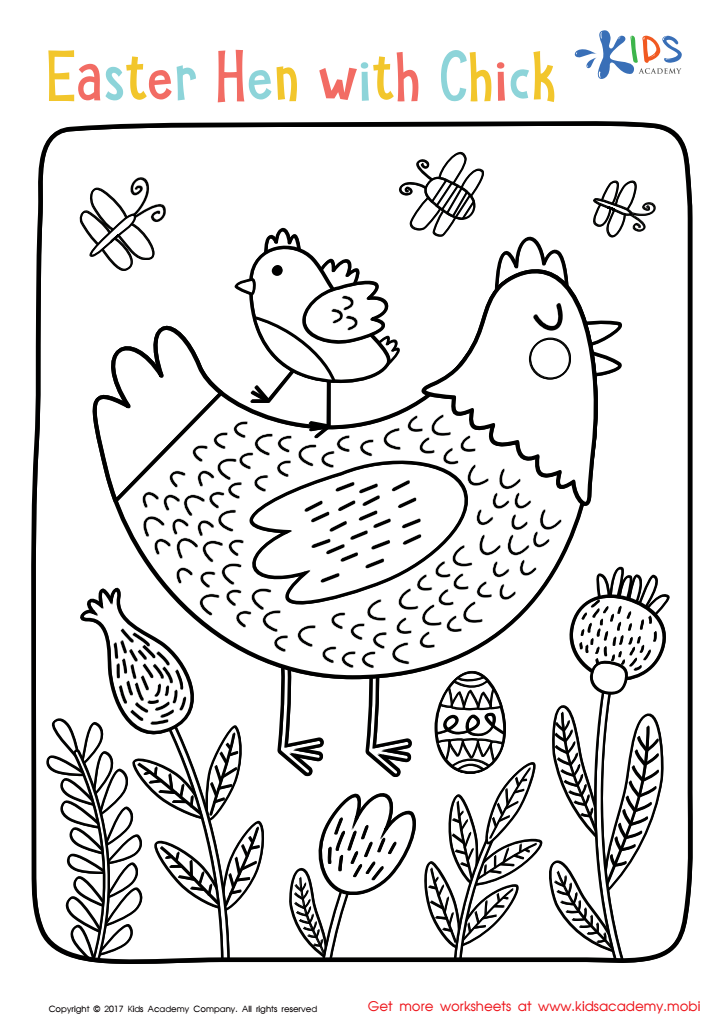
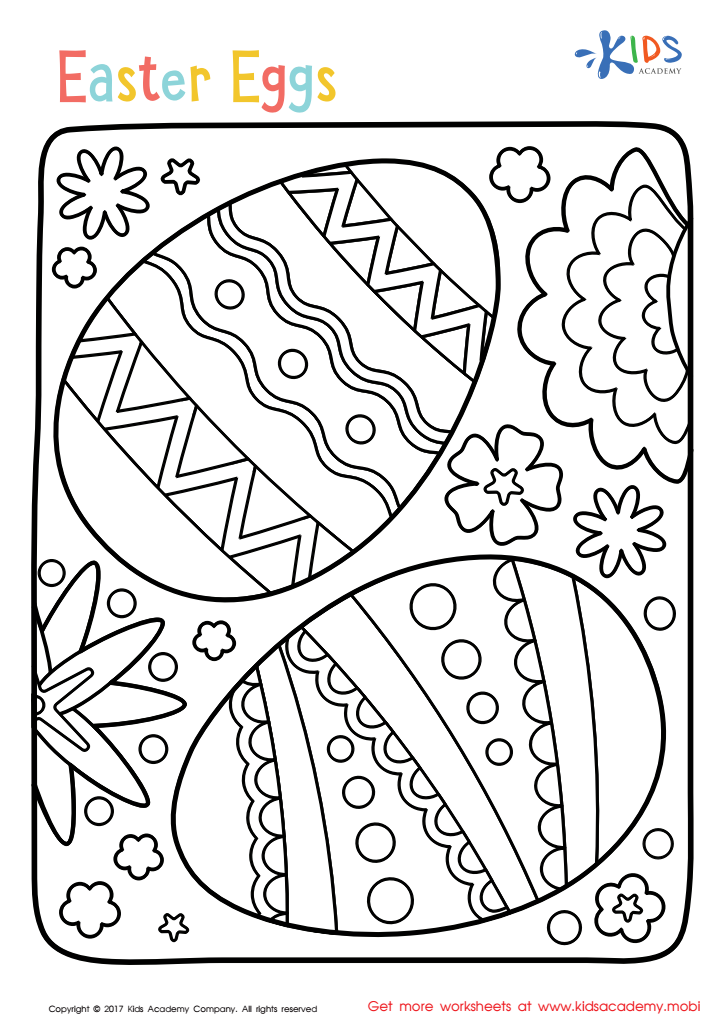
Easter: Easter Eggs Worksheet
Assign to My Students



Parents and teachers should prioritize number identification activities, such as coloring pages featuring normal cultures and holidays, for children ages 6-8 because these resources promote both numeracy skills and cultural awareness. Number identification is a foundational math skill essential for children's academic development. By integrating numbers with themes from various cultures and holidays, children become more engaged and motivated to learn.
Coloring pages create a fun and interactive way for children to practice recognizing and writing numbers while exploring the rich tapestry of cultural traditions. This dual focus fosters not only math competence but also social-emotional skills, encouraging empathy, respect, and appreciation for diversity.
Additionally, these activities can bridge the gap between home and school environments, offering discussions about the significance of different cultures and holidays. Parents can enhance learning by participating alongside their children, making it an enriching family experience. Such interactions also reinforce values of inclusion and understanding, preparing children for a globalized world. Ultimately, using number identification coloring pages tied to cultures and holidays supports holistic development, encompassing intellectual, social, and emotional growth in young learners.