Decision making process Normal Worksheets for Ages 6-8
3 filtered results
-
From - To
Unlock essential skills with our Decision Making Process Worksheets designed for children aged 6-8. These engaging and interactive activities foster critical thinking, helping young learners understand the steps in making thoughtful choices. Each worksheet prompts kids to analyze situations, weigh options, and predict outcomes, encouraging independence and confidence. With colorful designs and relatable scenarios, these worksheets make learning fun while reinforcing vital life skills. Perfect for home or classroom use, our resources empower children to embrace responsibility, enhancing their development in decision-making. Start their journey toward being mindful decision-makers today! Browse our collection for exciting, age-appropriate worksheets tailored to young minds.
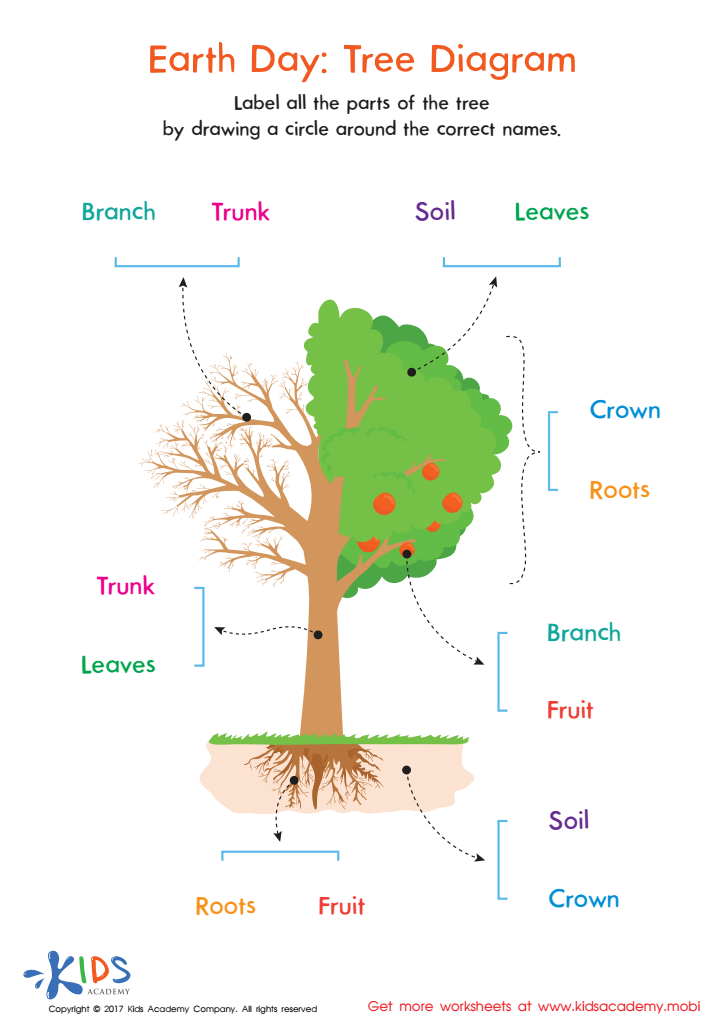
Earth Day: Tree Diagram Worksheet
 Assign to My Students
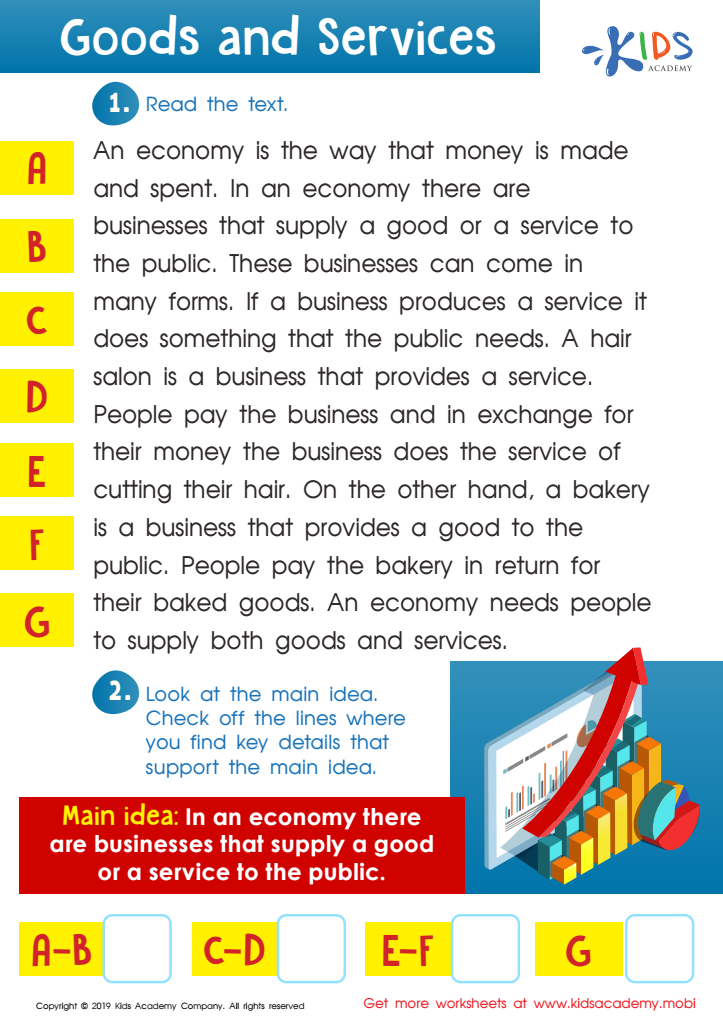
Goods and Services Worksheet
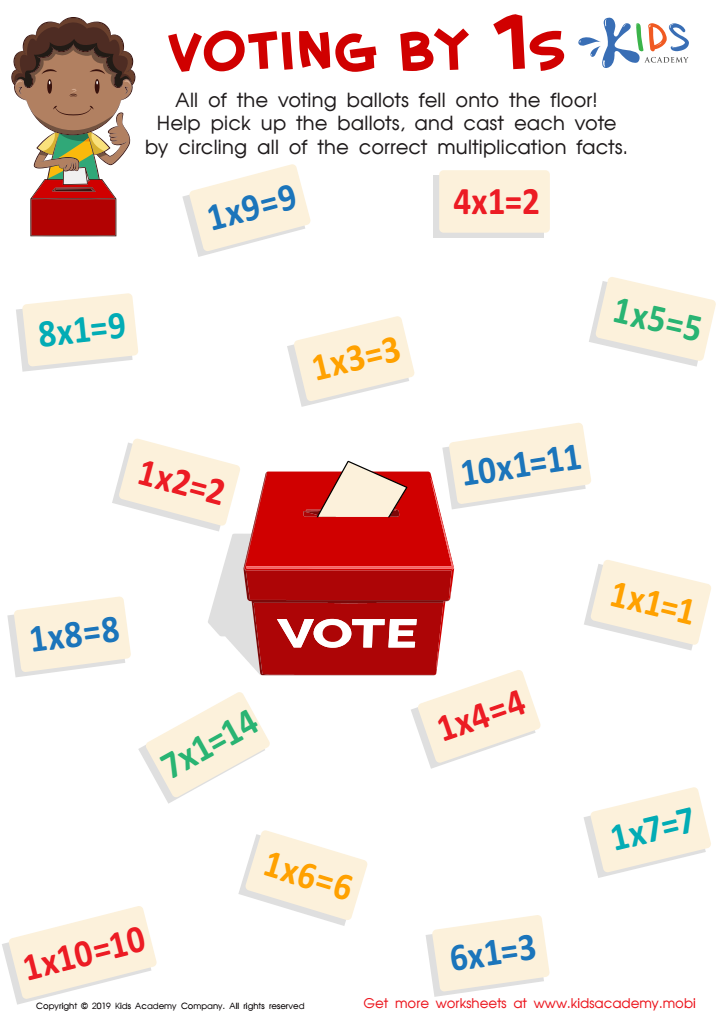
Voting by 1s Worksheet








Understanding the decision-making process in young children aged 6-8 is crucial for both parents and teachers as it significantly influences their developmental journey. At this age, children are starting to gain the cognitive abilities necessary to evaluate choices and consequences. Engaging them in decision-making helps cultivate critical thinking skills, which are fundamental for their academic success and personal growth.
Supporting children in making decisions encourages independence and confidence. When parents and teachers provide guidance while allowing children to express their thoughts and feelings, they foster a sense of ownership over their choices. This not only enhances self-esteem but also reinforces the idea that their opinions matter, promoting positive social interactions and cooperation.
Furthermore, teaching children about the decision-making process helps them recognize the importance of considering various options, weighing pros and cons, and understanding potential consequences. This life skill is essential in navigating challenges and interacting with peers effectively. By nurturing these skills early on, parents and teachers equip children with the necessary tools to make informed decisions throughout their lives, fostering a well-rounded, resilient, and self-assured individual. In turn, this contributes to a supportive and dynamic learning environment, benefiting the entire classroom community.








