Hand-eye Coordination Normal Worksheets for Ages 6-8 - Page 2
31 filtered results
-
From - To
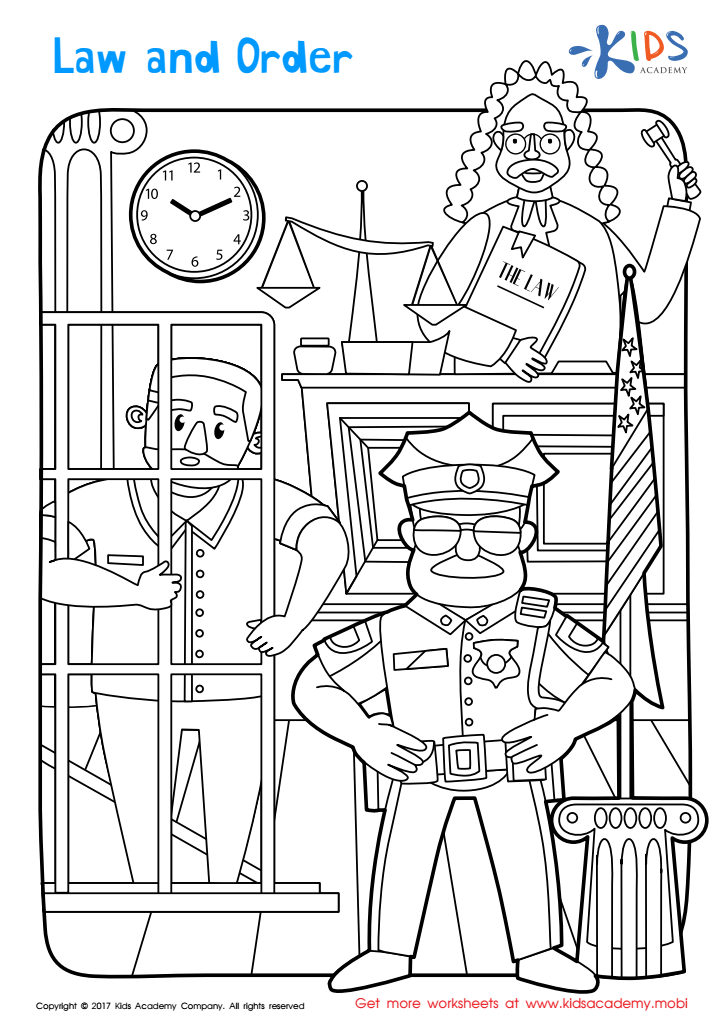
Law and Order Coloring Page Worksheet
 Assign to My Students
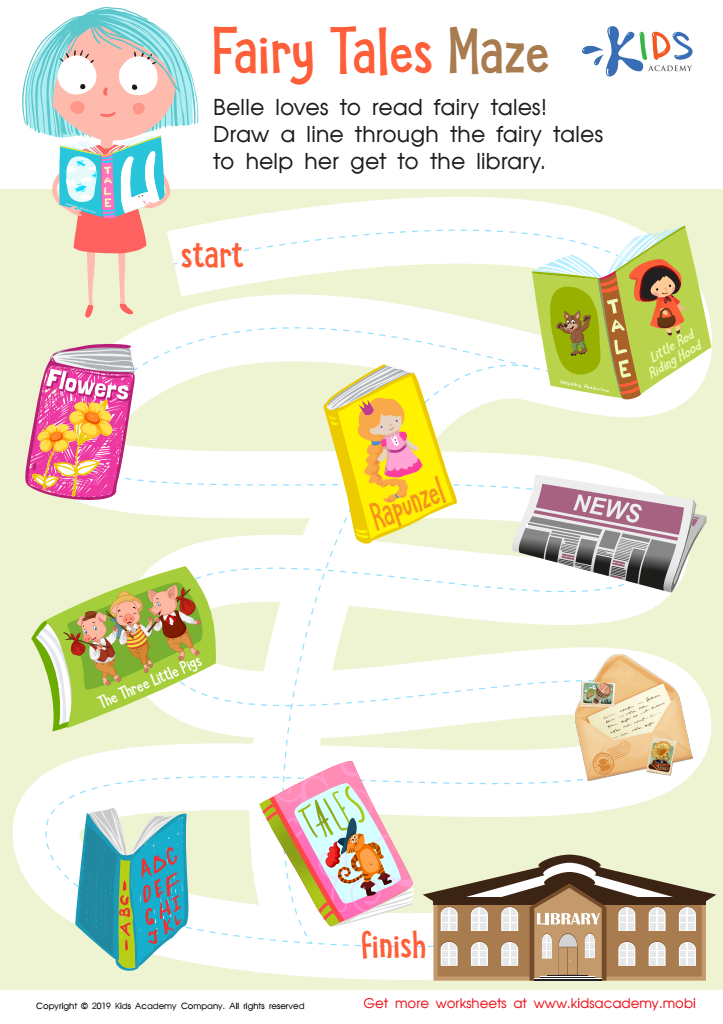
Fairy Tales Maze Worksheet
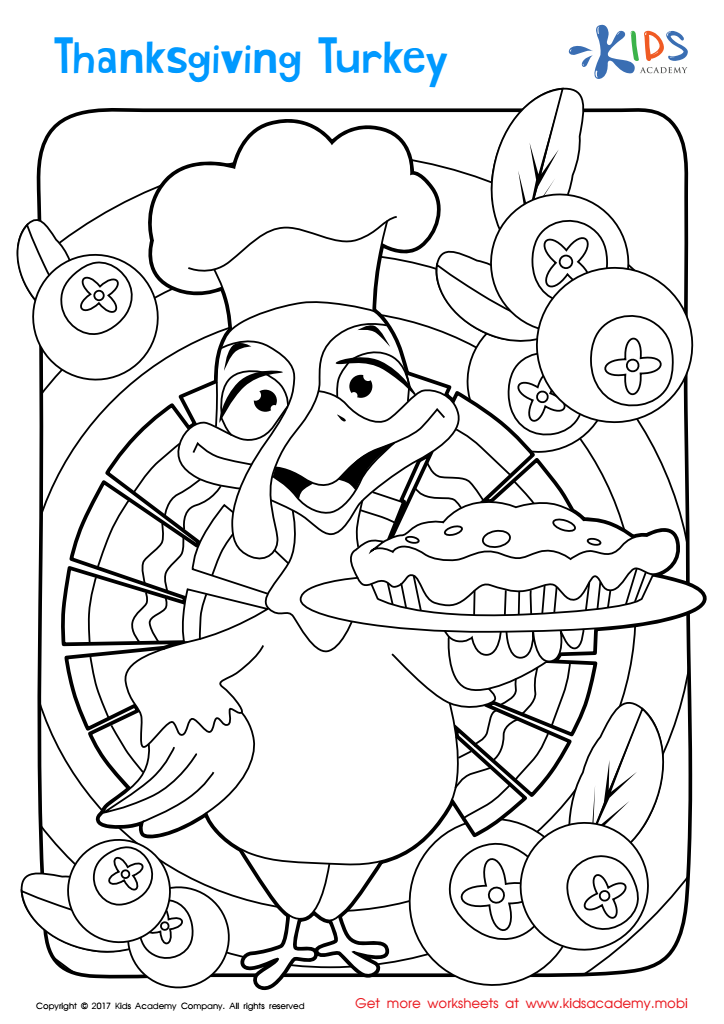
Turkey Thanksgiving Day Worksheet
Assign to My Students
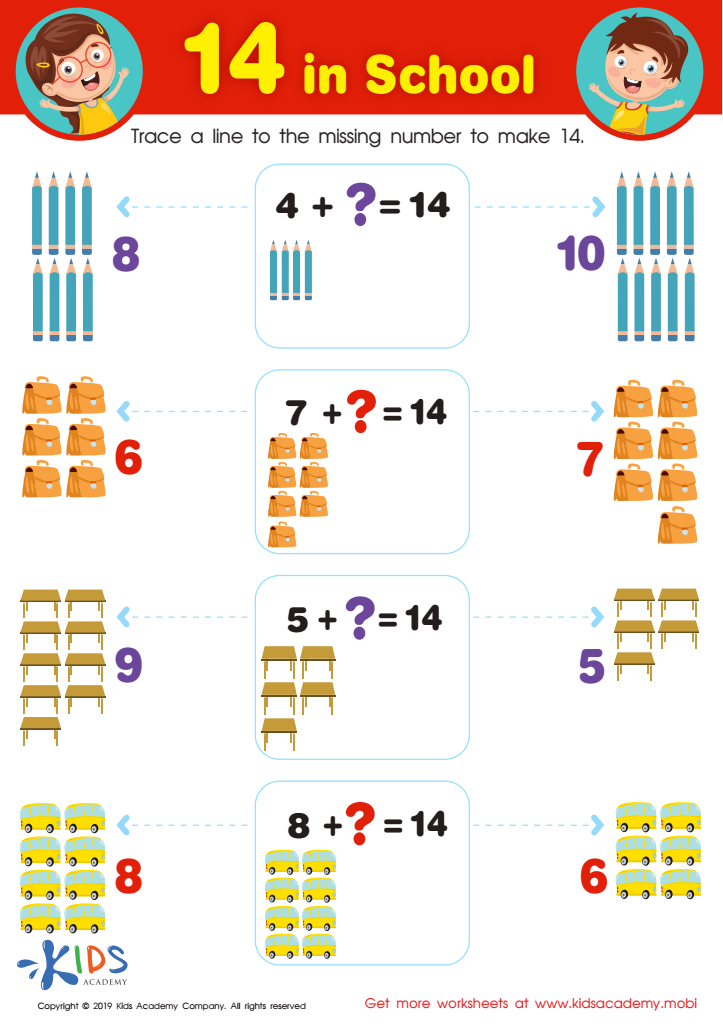
14 in School Worksheet
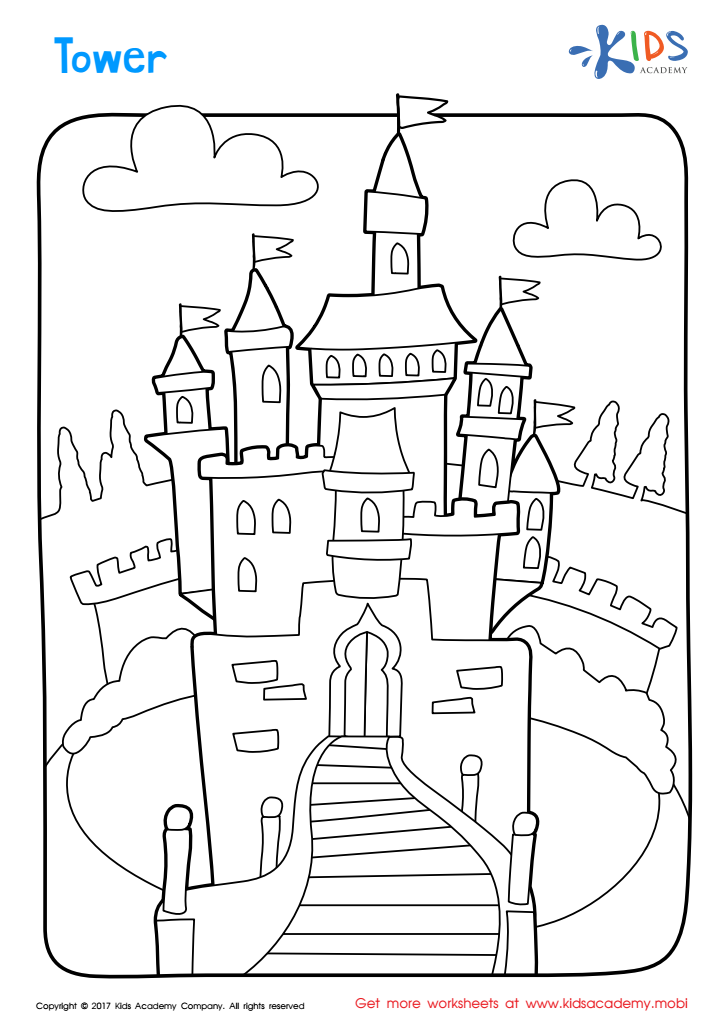
Tower Coloring Page
Assign to My Students
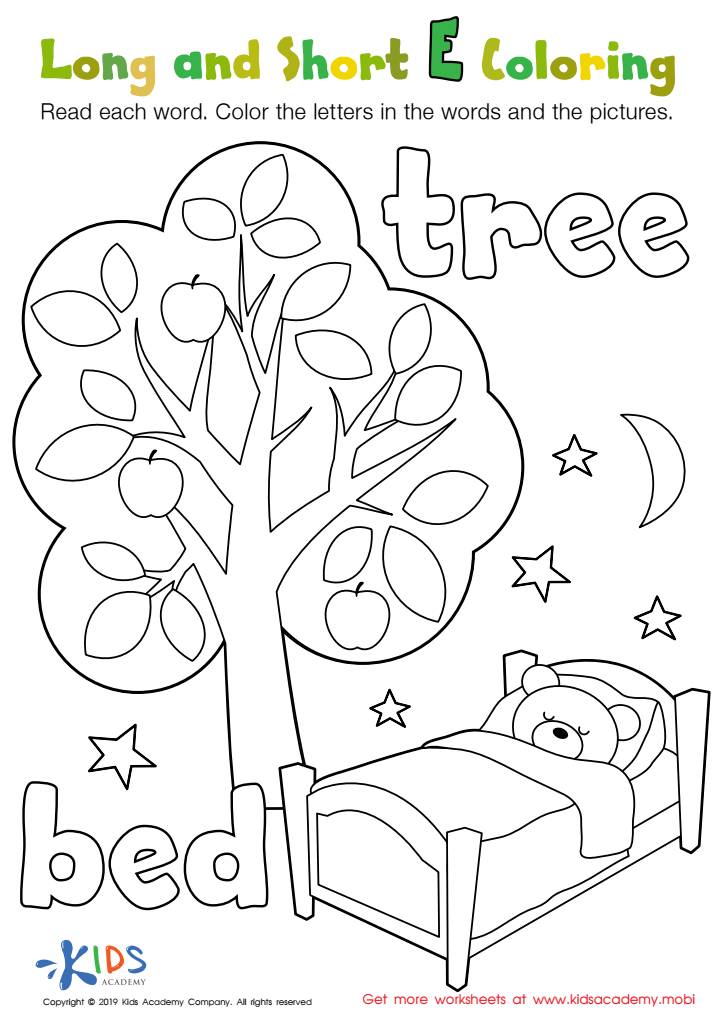
Long and Short E Worksheet
Assign to My Students
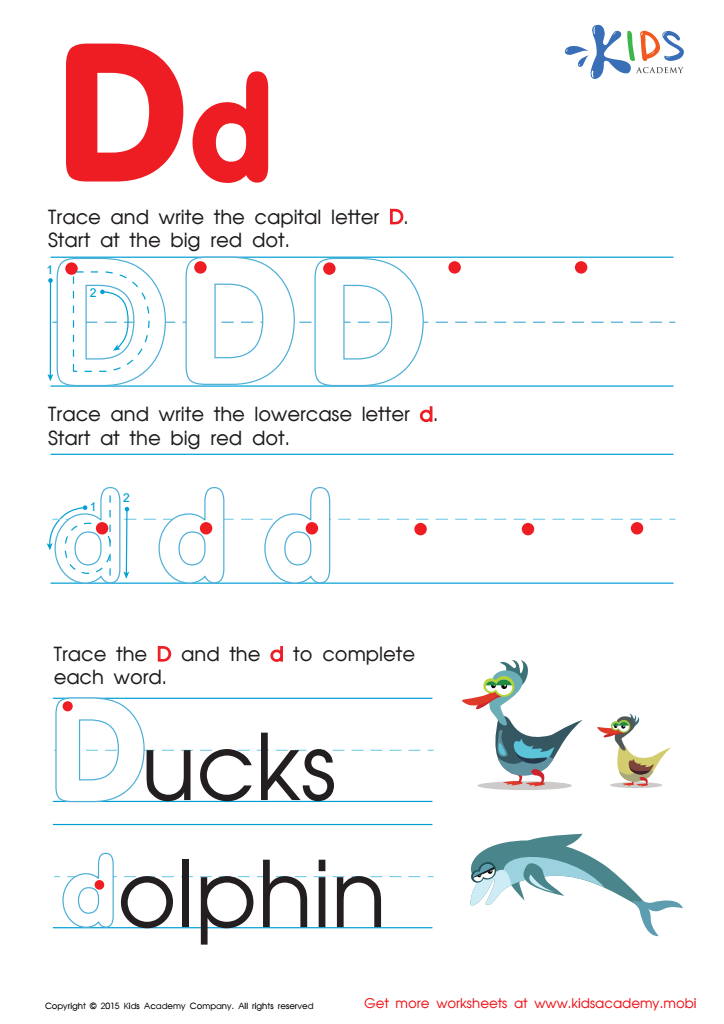
Letter D Tracing Page







Hand-eye coordination is a critical developmental skill for children aged 6-8, making it essential for parents and teachers to pay attention to its normal progression. At this age, children are not only refining their basic motor skills but also enhancing their ability to perform complex tasks. Effective hand-eye coordination contributes to a child’s success in various activities, such as writing, drawing, playing sports, and even completing daily errands with ease.
Improved hand-eye coordination fosters confidence and independence, which are vital for a child's self-esteem and social interactions. It also supports cognitive development as children learn to visualize actions, predict outcomes, and improve problem-solving skills through playful engagement. Furthermore, challenges in hand-eye coordination can impact academic performance and social integration, heightening the importance of monitoring this skill.
Parents and teachers can identify potential concerns early, allowing for interventions or additional support, such as structured play or targeted exercises, which can promote development. By prioritizing hand-eye coordination, caregivers greatly contribute to a child's overall growth and competence in navigating their environment, providing them with a solid foundation for successful learning and engaging in life’s various activities.








