Improving concentration Normal Worksheets for Ages 6-8
3 filtered results
-
From - To
Boost your child's focus and concentration with our specially designed "Improving Concentration Normal Worksheets" for ages 6-8. These engaging and interactive worksheets offer a variety of fun activities that encourage attentive learning and help children develop crucial concentration skills. From puzzles and matching games to simple exercises that challenge their observation abilities, each worksheet is crafted to make learning enjoyable while enhancing focus. Ideal for both home and classroom settings, our resources provide an effective way to support your child's educational journey. Download and discover how our worksheets can make a positive impact on your child's concentration abilities today!
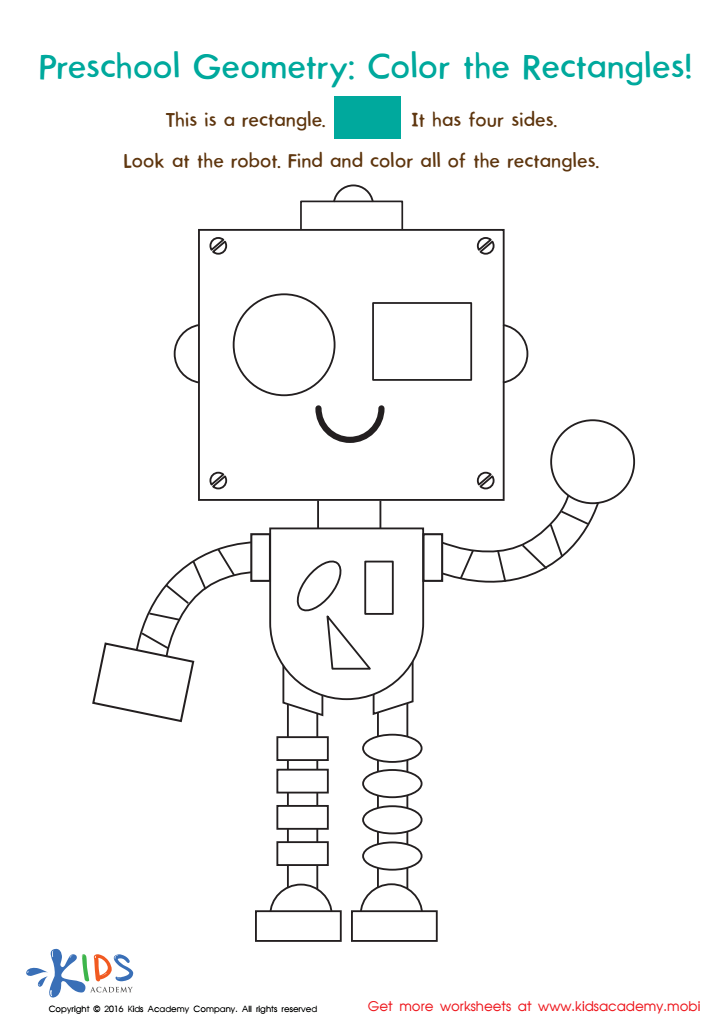
Geometry Worksheet
 Assign to My Students
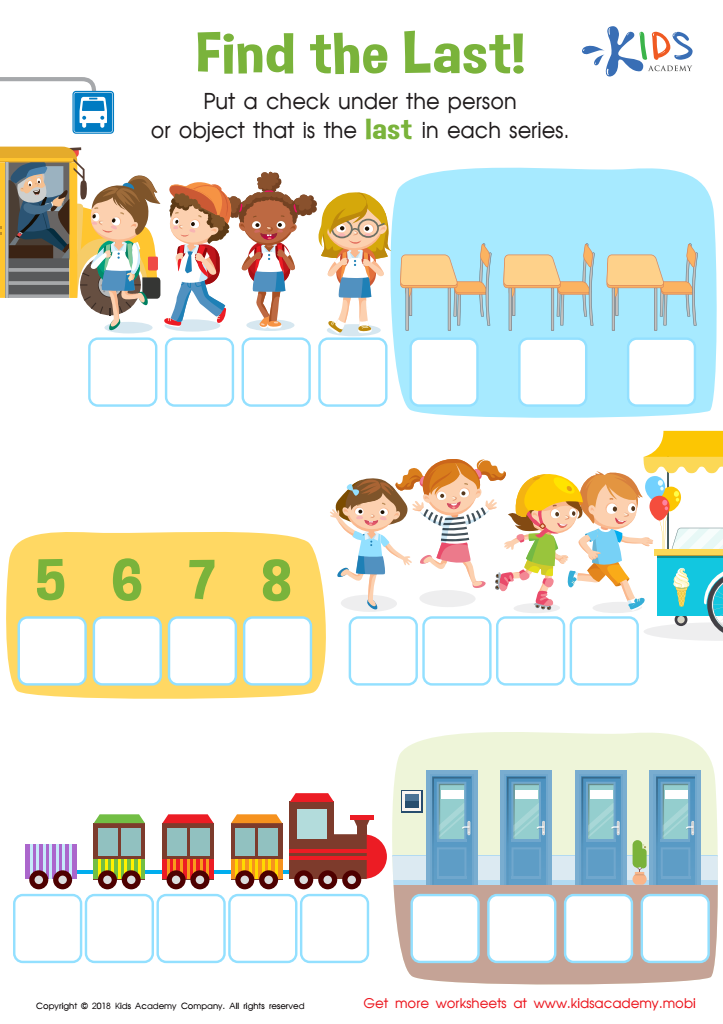
Find the Last! Worksheet
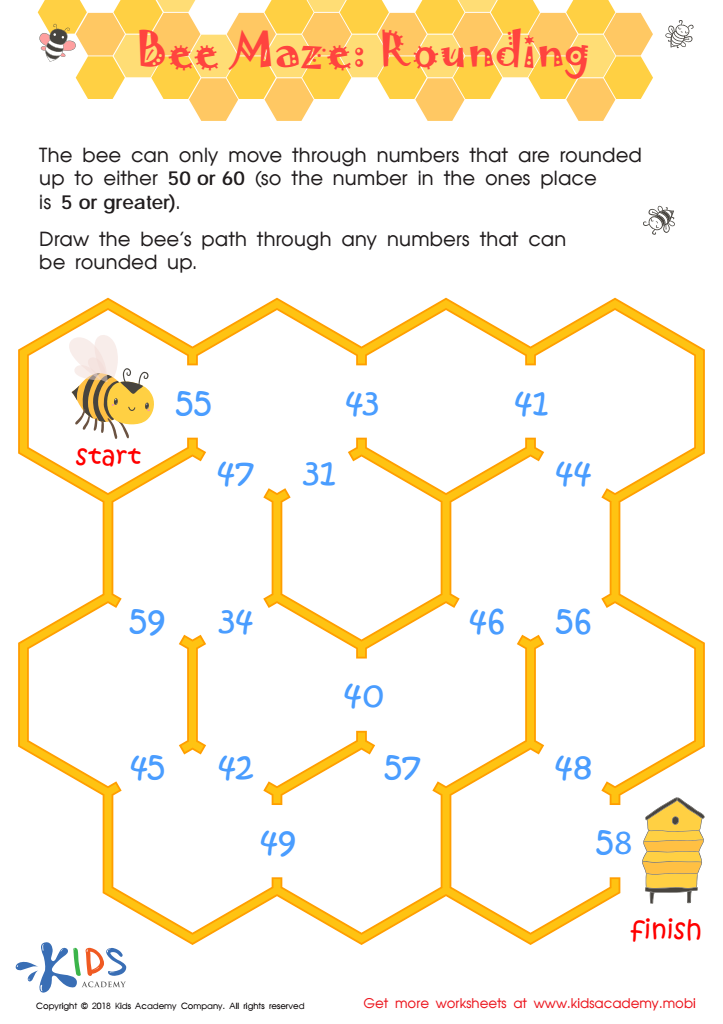
Bee Maze Rounding Worksheet







Improving concentration in children ages 6-8 is crucial for their academic and personal development. During this critical stage of early schooling, kids are beginning to build foundational skills in reading, math, and social interactions. Enhanced concentration allows them to absorb information more effectively, leading to improved academic performance and higher engagement levels in class activities.
Additionally, children with better concentration develop the ability to focus on tasks and remain persistent in the face of challenges. This quality fosters essential problem-solving skills and increases resilience. Furthermore, the ability to concentrate contributes to better social relationships; focused children are more attuned to their peers, improving communication and collaboration in group settings.
Parents and teachers play a significant role in nurturing concentration through structured routines, a supportive environment, and engaging learning activities. They can implement strategies such as minimizing distractions, encouraging mindfulness exercises, and promoting brain-boosting games. By prioritizing concentration, adults can equip children with the skills necessary for lifelong learning and personal growth, preparing them to navigate the complexities of future academic and social landscapes effectively. Ultimately, fostering concentration not only benefits children now but also sets a positive precedent for future success.








