Letter-sound recognition Normal Worksheets for Ages 6-8
3 filtered results
-
From - To
Unveil the joy of learning with our Letter-sound Recognition Worksheets for ages 6-8 at Kids Academy! Expertly designed, these engaging materials enhance phonemic awareness, aiding young learners in connecting letters with their corresponding sounds. Each worksheet offers interactive activities fostering confidence in reading and writing. Ideal for at-home practice or classroom use, they cater to varied learning styles through playful exercises. Encourage your child’s literacy journey with activities that transform learning into a delightful experience. Perfect for building a solid foundation in early literacy skills, our worksheets are an essential resource for educators and parents alike. Explore today!
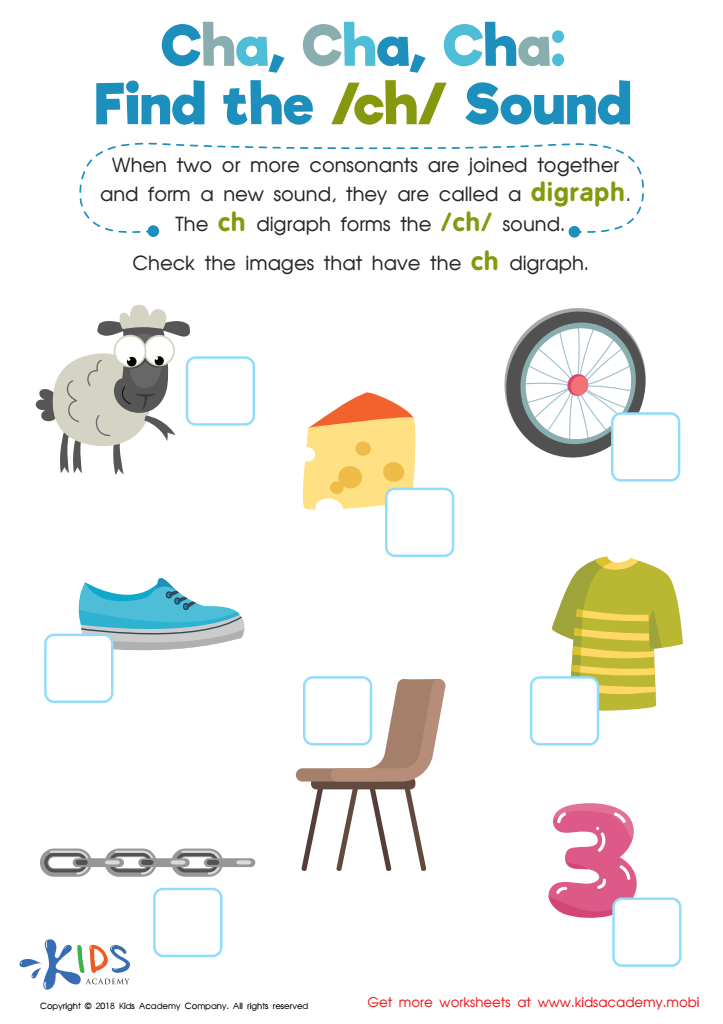
Cha, Cha, Cha: Find the /Ch/ Sound Worksheet
 Assign to My Students
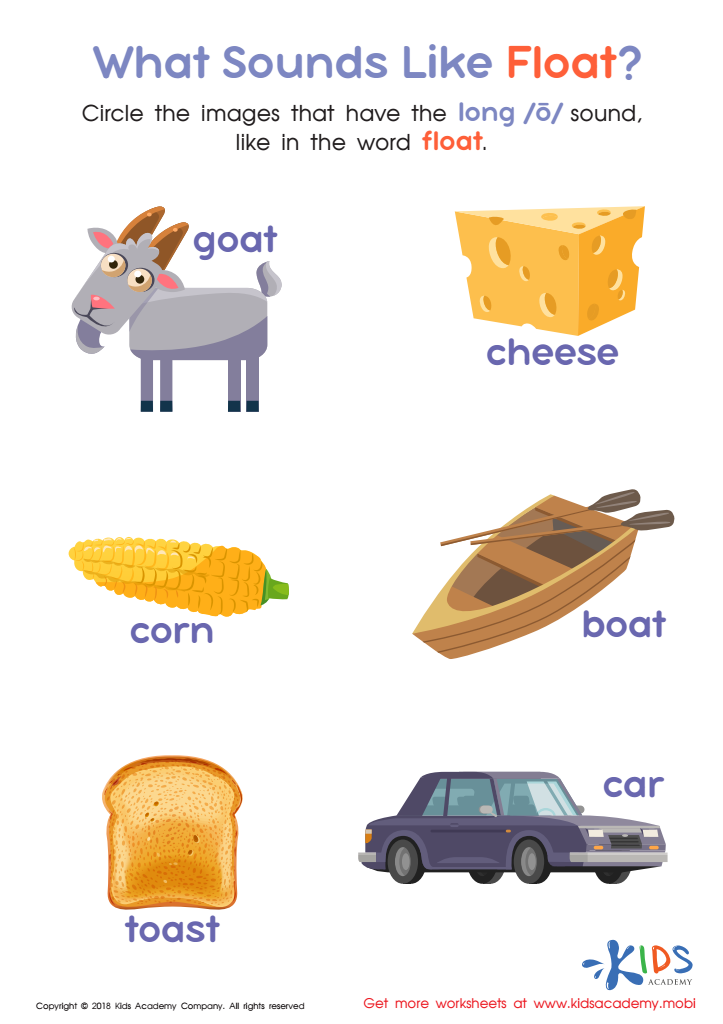
What Sounds Like Float? Worksheet
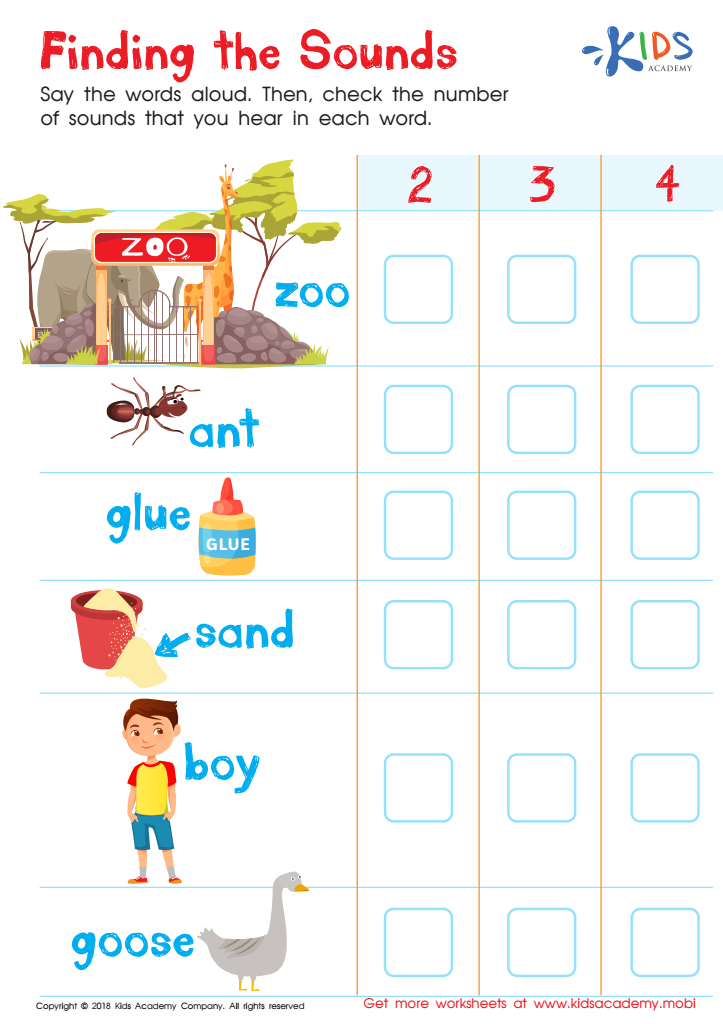
Finding the Sounds Worksheet



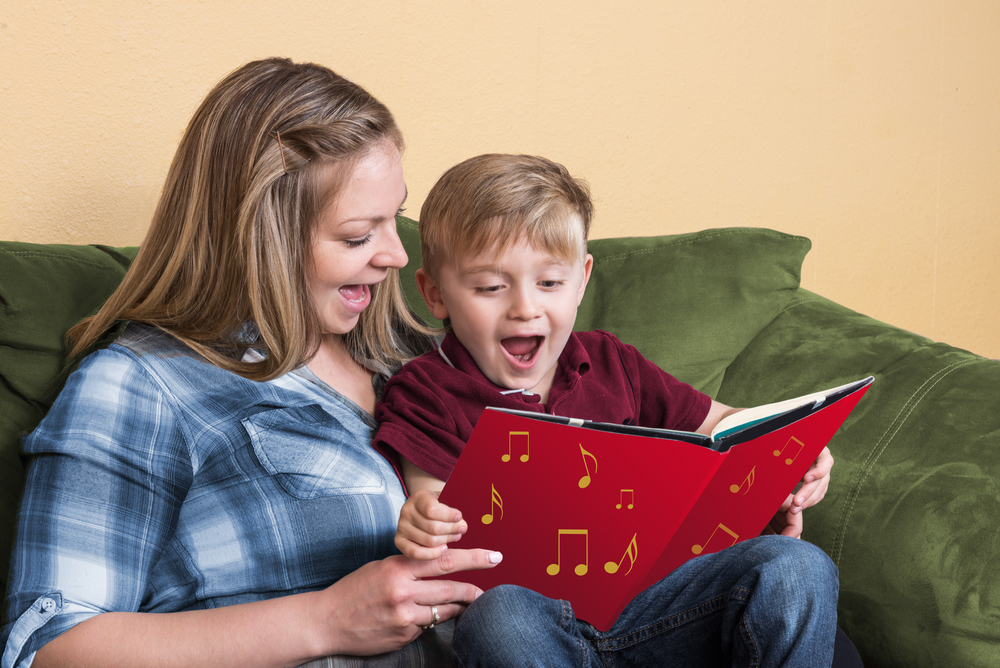



.jpg)
Letter-sound recognition is a cornerstone of early literacy, crucial for children ages 6-8 as they transition from pre-reading to reading independently. This skill involves recognizing letters and connecting them with their corresponding sounds, which is essential for decoding words and developing strong reading abilities.
Firstly, strong letter-sound recognition skills lay the foundation for phonemic awareness, where children understand that words are made up of smaller sound units known as phonemes. This understanding enables them to sound out words (decoding), a critical step toward fluent reading. Children who can decode words efficiently are more likely to read with speed, accuracy, and proper expression, fostering comprehension.
Secondly, letter-sound recognition aids spelling skills. When children connect sounds with letters, they begin to write words as they sound, effectively spelling new words even if they haven't encountered them in written form before. This ability not only strengthens their writing but also reinforces motor skills through the act of handwriting.
Furthermore, achieving letter-sound recognition by age 6-8 ensures that children keep up with educational milestones. Early difficulties in this area can be an early indicator of learning difficulties such as dyslexia, allowing for timely and effective interventions.
Therefore, parents and teachers should prioritize and support letter-sound recognition to pave the way for successful literacy development, ensuring these early learners build a strong foundation for future academic achievement.








