Moral understanding Normal Worksheets for Ages 6-8
5 filtered results
-
From - To
Discover our engaging Moral Understanding Worksheets designed specifically for children aged 6-8. These thoughtfully crafted resources help young learners explore essential concepts of empathy, fairness, and respect. Through fun activities, stories, and critical thinking questions, children develop a deeper understanding of moral values and how to apply them in everyday situations. Each worksheet encourages discussion and reflection, fostering a positive environment for social learning. Perfect for teachers and parents alike, these worksheets provide an enjoyable way to teach valuable life skills. Enhance your child’s moral development while making learning engaging! Explore our collection today and support your child's growth.
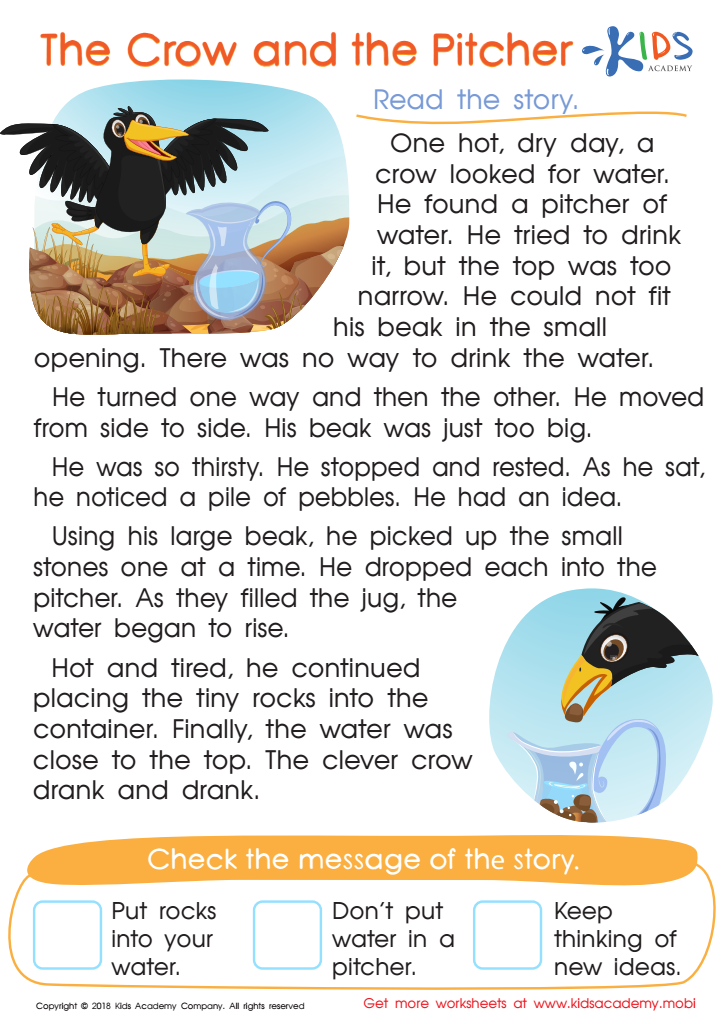
The Crow and the Pitcher Worksheet
 Assign to My Students
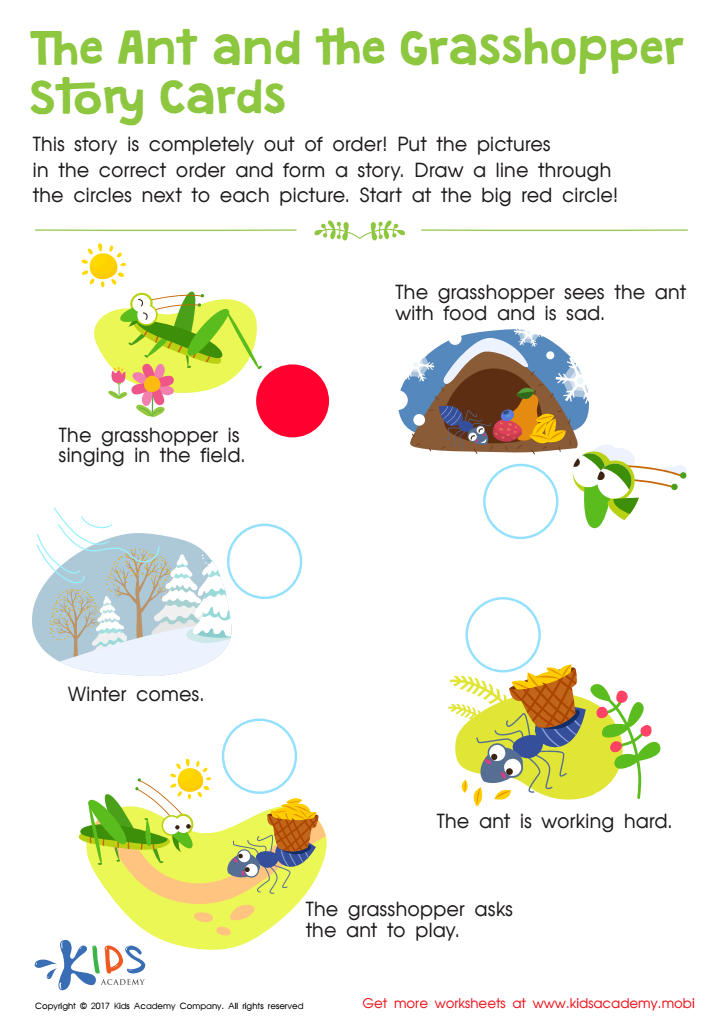
The Ant and The Grasshopper Worksheet
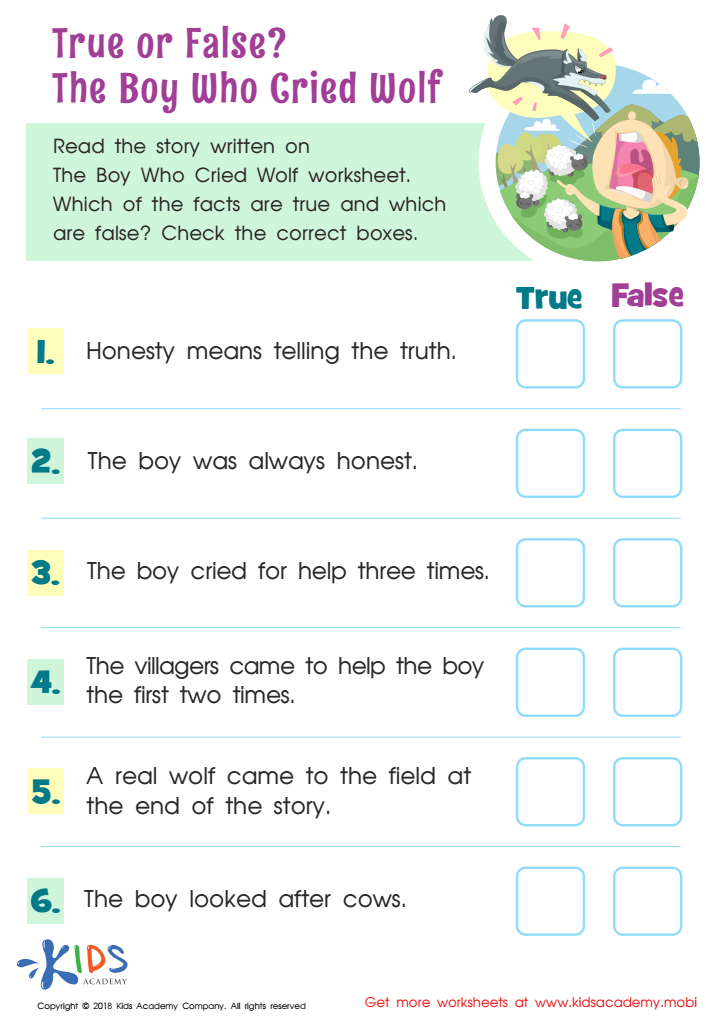
True or False? The Boy Who Cried Wolf Worksheet
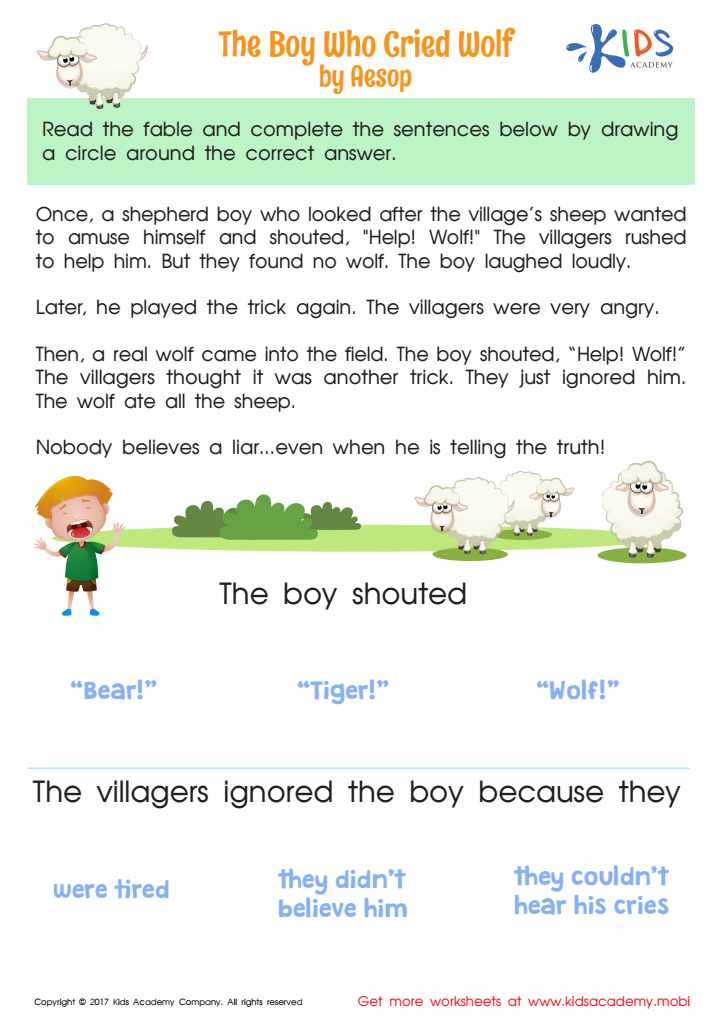
The Boy Who Cried Wolf Worksheet
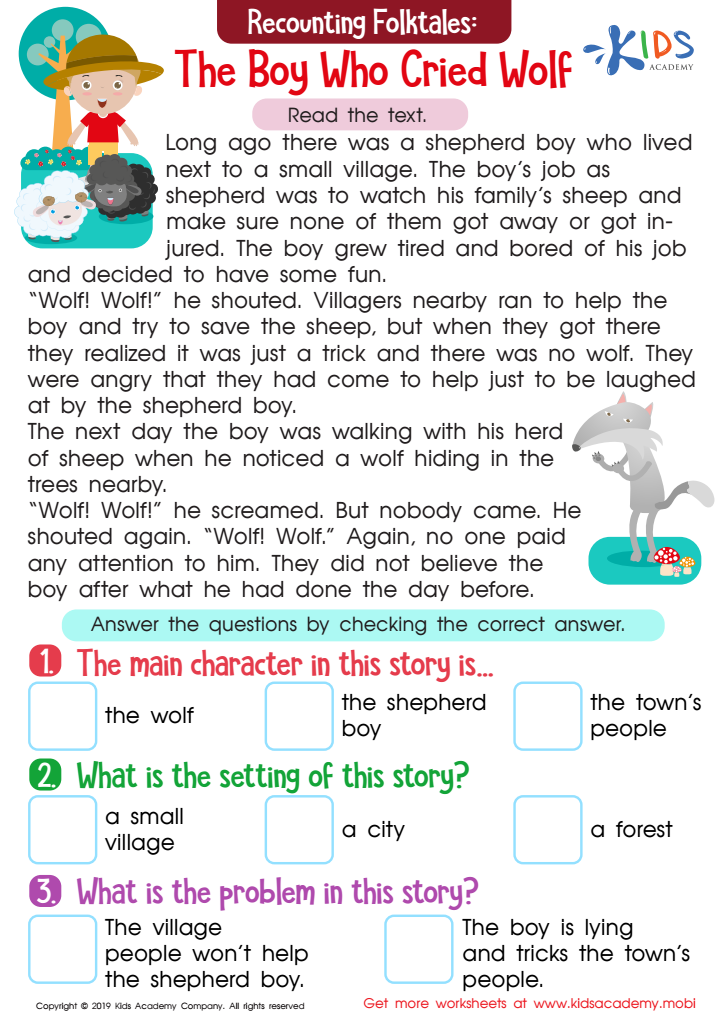
The Boy Who Cried Wolf Part 1 Worksheet







Moral understanding is crucial for children aged 6-8 as it forms the foundation of their social interactions and self-identity. At this age, children began to develop empathy, the ability to understand and share the feelings of others, which is essential for building healthy relationships. When parents and teachers focus on moral development, they equip children with the skills to navigate complex social situations with kindness and respect.
Moreover, nurturing moral understanding helps children differentiate between right and wrong, guiding their decision-making processes as they face various choices. It promotes a sense of fairness, justice, and responsibility, vital for fostering a caring community. Children who grasp moral concepts early on are more likely to demonstrate positive behaviors, such as sharing, cooperation, and honesty.
In a classroom setting, teachers fostering moral understanding create an environment where all students feel valued and respected. This positive atmosphere enhances academic engagement and personal growth. Simultaneously, parents reinforce these lessons at home, leading to consistent moral development. Ultimately, prioritizing moral understanding contributes to shaping compassionate, respectful individuals who contribute positively to society. It nurtures not just empowered learners, but future citizens instilled with strong ethical values.








