
Sentence formation Normal Worksheets for Ages 6-8
3 filtered results
Difficulty Level
Grade
Age
-
From - To
Subject
Activity
Standards
Enhance your child's writing skills with our Sentence Formation Worksheets designed for ages 6-8! These engaging worksheets provide young learners with fun, interactive exercises to help them construct complete sentences, improve grammar, and expand their vocabulary. Tailored for early education, our worksheets include a variety of activities, such as filling in blanks, matching words, and creating sentences using given pictures. Supporting literacy development, these resources are perfect for homeschooling, classroom settings, or independent practice. Help your child express their thoughts clearly and creatively through effective sentence formation. Explore our collection today and watch their writing skills flourish!
Favorites
With answer key
Interactive
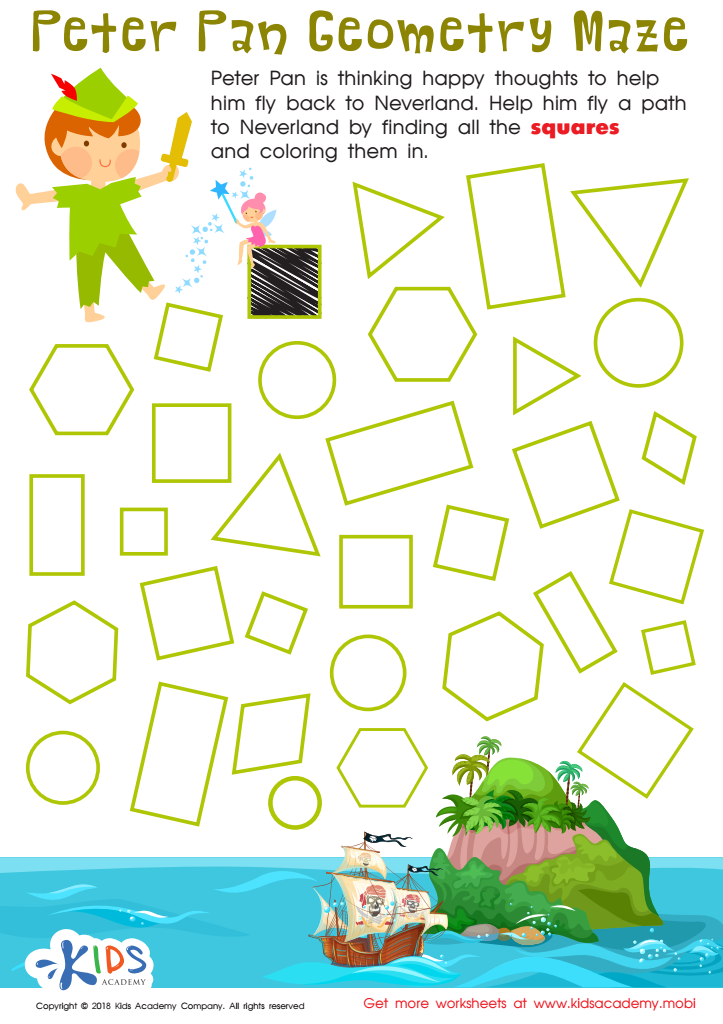
Peter Pan Worksheet
Kindergarteners can join Peter Pan on an adventure to Neverland! They can help him by coloring squares to create a path, strengthening their shape identification skills in a fun maze. Let the journey begin!
 Assign to My Students
Peter Pan Worksheet
Worksheet
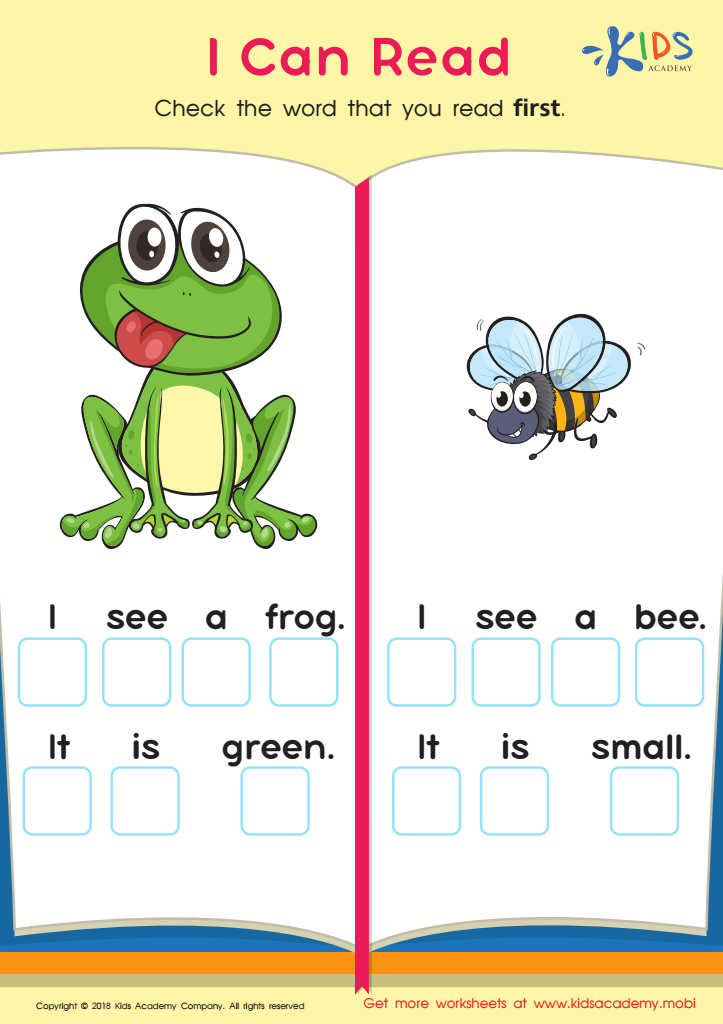
I Can Read Worksheet
Test your child's reading skills with this fun worksheet. See how well they know one-letter, two-letter, and five-letter words. Ask your little one to read the sentences and tick the word they identify first. It's a great way to track their progress and help them become more confident readers.
I Can Read Worksheet
Worksheet
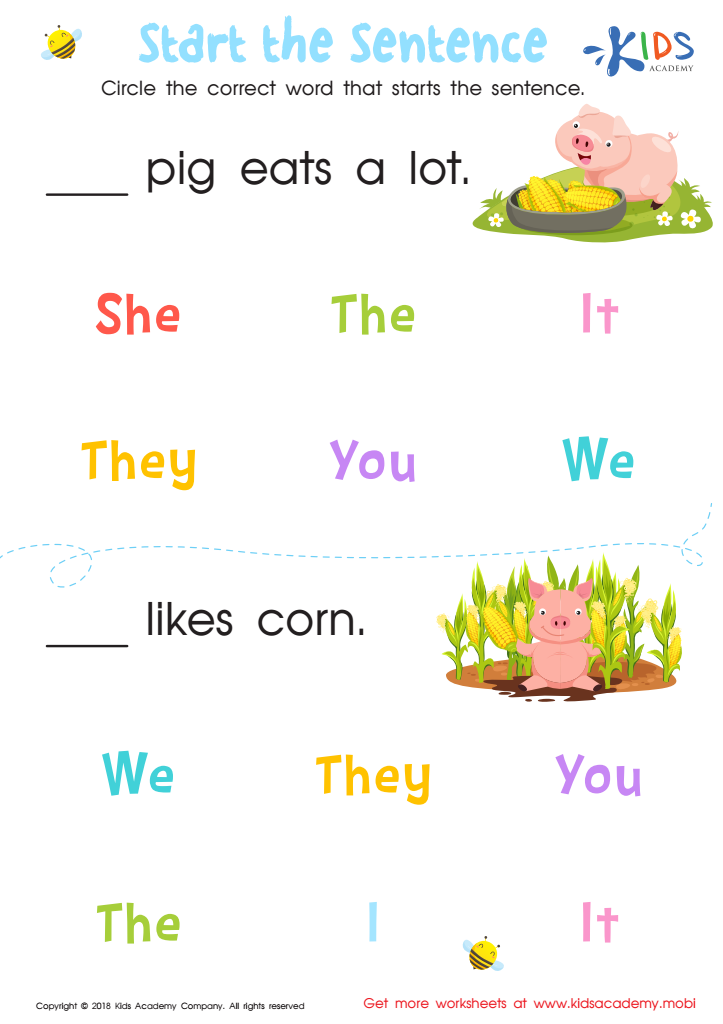
Start the Sentence Worksheet
Test your students' understanding of sentences with this easy worksheet. Ask them to read the sentences and circle the correct word that starts each. This will show how well their lessons have paid off and if they can construct short simple sentences.
Start the Sentence Worksheet
Worksheet
Join Kids Academy for Free
Who is primarily going to use this learning content?








Sentence formation is a crucial skill for children aged 6-8, as it lays the foundation for effective communication and critical thinking. At this age, children are not only learning to express their thoughts clearly but also beginning to understand the structure and rules of language. When they grasp the basics of sentence formation, including the use of subject, verb, and object, they become better equipped to convey their ideas and feelings.
For parents and teachers, supporting the development of sentence formation can enhance children's reading and writing abilities, which are essential for academic success. Well-formed sentences contribute to better comprehension and engagement with texts, empowering children to articulate their interpretations and expand their vocabulary.
Additionally, strong sentence construction skills reinforce children's cognitive development; they learn to organize their thoughts logically, promoting problem-solving and analytical skills. This overall linguistic competence can increase self-confidence, enabling them to participate more freely in discussions and improve their social interactions.
Ultimately, by prioritizing sentence formation in young learners, parents and teachers nurture lifelong communication skills that will benefit children in their educational journeys and personal relationships, setting them up for future success.








