Visual perception enhancement Normal Worksheets for Ages 6-8
3 filtered results
-
From - To
Discover the power of visual perception enhancement with our specially designed worksheets for ages 6-8. Our engaging and fun activities are tailored to improve children's visual discrimination, spatial awareness, and pattern recognition skills. Each worksheet offers a variety of tasks that challenge young minds while keeping them entertained. Perfect for home or classroom use, these printable resources lay the foundation for advanced learning skills and boost cognitive development. Explore our collection today and watch your child or students sharpen their visual perception abilities, fostering greater academic success and confidence! Visit Kids Academy to access these invaluable tools.
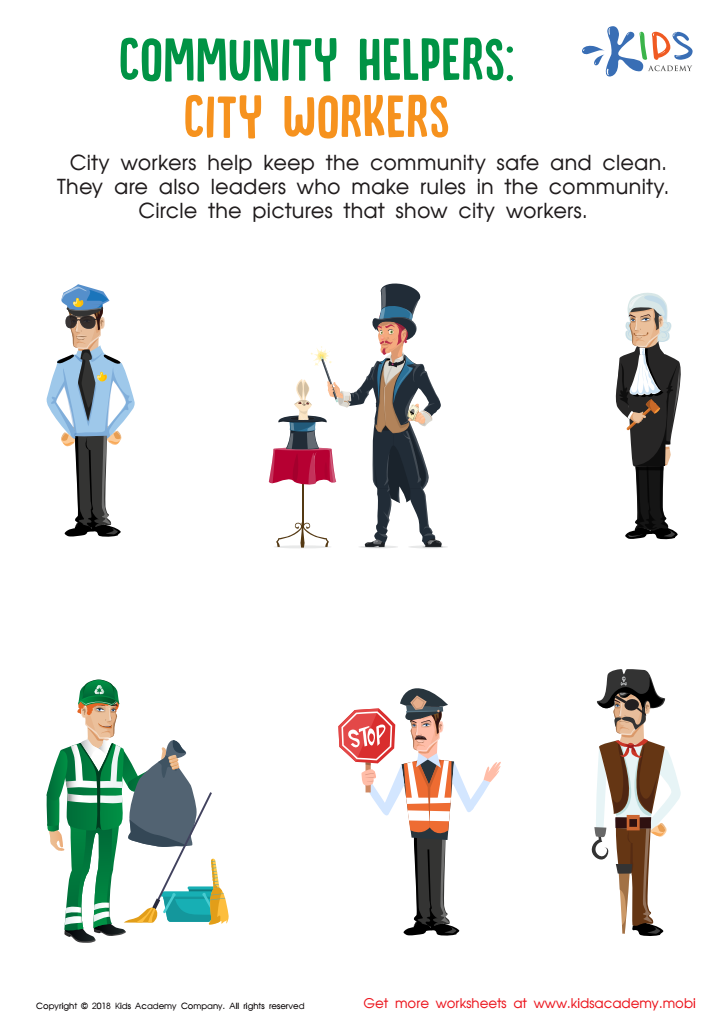
City Workers Community Helpers Worksheet
 Assign to My Students
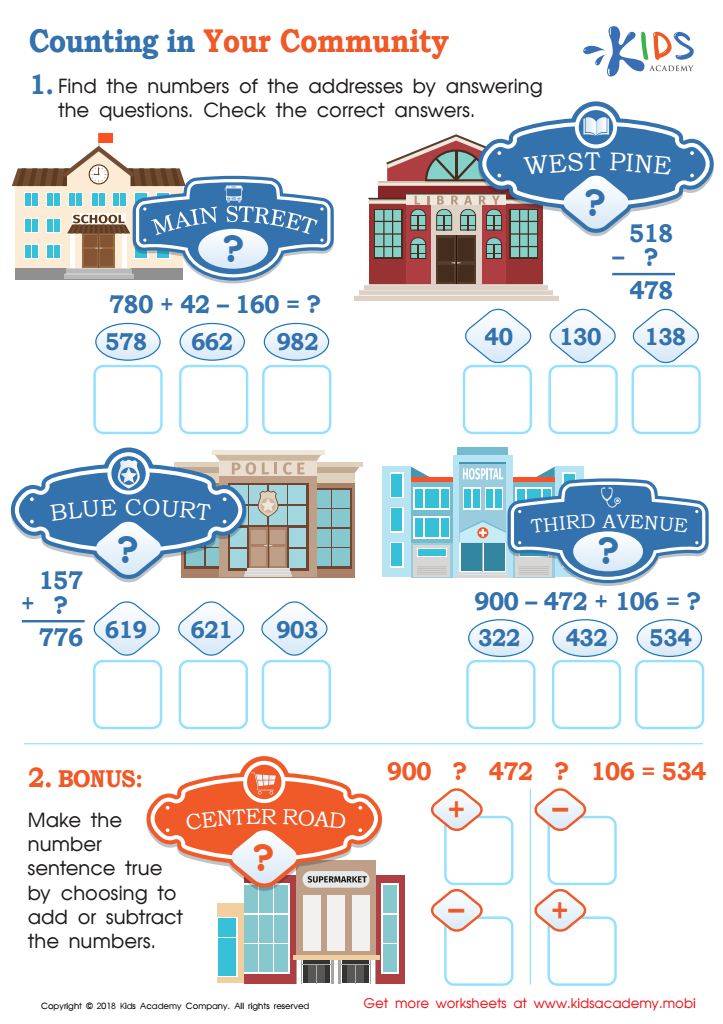
Counting in Your Community Worksheet
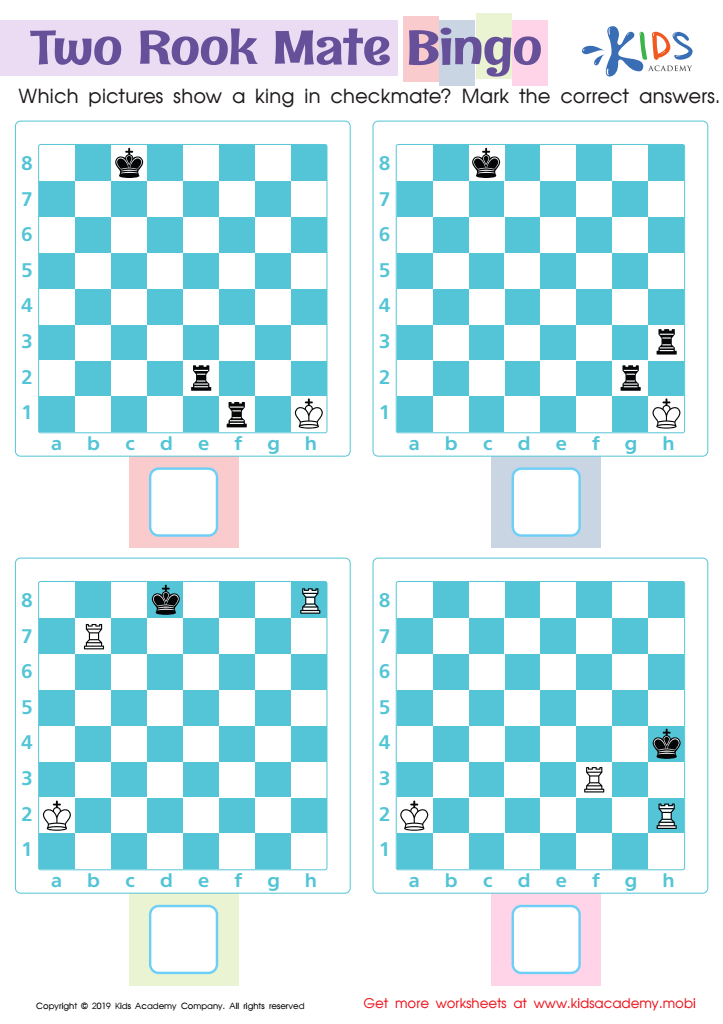
Two Rook Bingo Worksheet








Visual perception enhancement is crucial for children aged 6-8 because it forms a foundational component of their overall cognitive development. During these formative years, children undergo rapid visual and neurological growth, whereby strengthening visual perception can significantly impact their learning capacity and academic performance.
Visual perception involves the brain's ability to make sense of what the eyes see. It is critical for reading, writing, and mathematics—all core subjects in early education. For example, distinguishing between letters and numbers, identifying shapes and patterns, and understanding spatial relationships are all skills dependent on strong visual perceptual abilities. If these skills are underdeveloped, children may struggle with reading fluency, letter reversals, and number sequences, which can lead to broader academic challenges.
In addition to academic performance, visual perception also influences motor skills needed for day-to-day activities, such as cutting with scissors, tying shoelaces, or organizing tasks. Enhancing visual perceptual skills therefore supports children in becoming more competent and confident in both school contexts and everyday life situations.
Parents and teachers can play a pivotal role by engaging children in activities aimed at improving visual perception. Puzzles, drawing, matching games, and computer-based programs designed for visual skill development can be particularly effective. Nurturing these skills not only fosters academic success but also supports holistic cognitive and motor development in children, paving the way for confident, successful learners.








