Problem-Solving Skills Normal Addition Facts Worksheets for Ages 6-8
5 filtered results
-
From - To
Boost your child's problem-solving skills with our Normal Addition Facts Worksheets, specially designed for ages 6-8! These engaging worksheets help young learners master basic addition facts while enhancing their critical thinking and analytical abilities. Featuring a variety of fun and interactive math problems, our worksheets are perfect for reinforcing classroom learning or practicing at home. Each sheet is crafted by experts to ensure age-appropriate challenges that make math exciting and accessible. Empower your child to tackle math with confidence and build a solid foundation for future learning with our tailored problem-solving additions worksheets. Start your math adventure today!
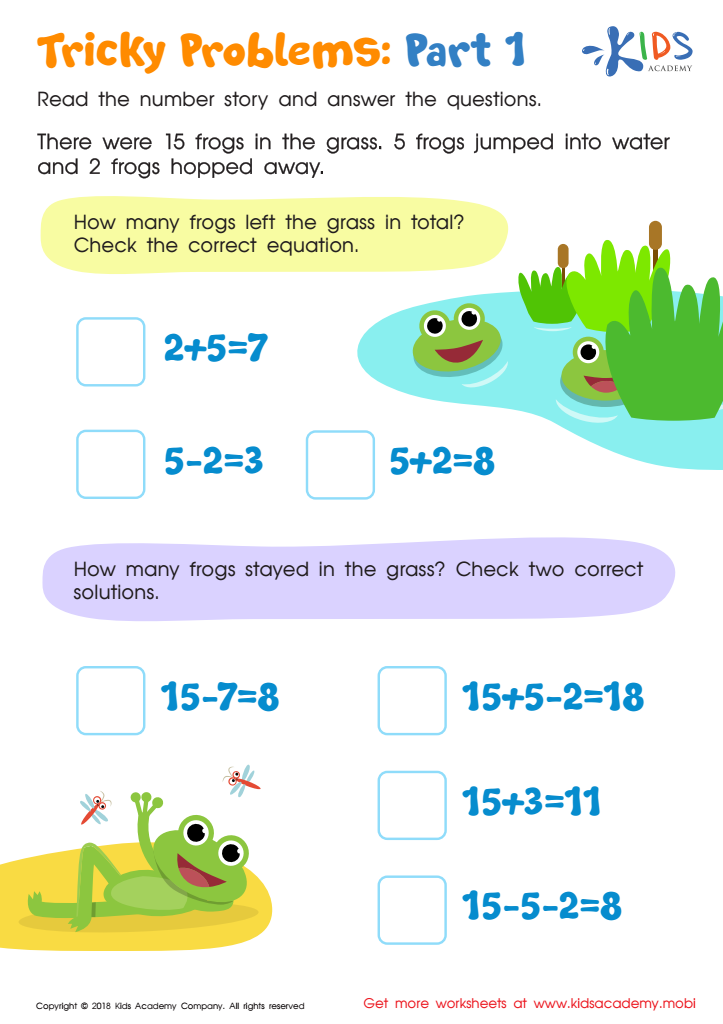
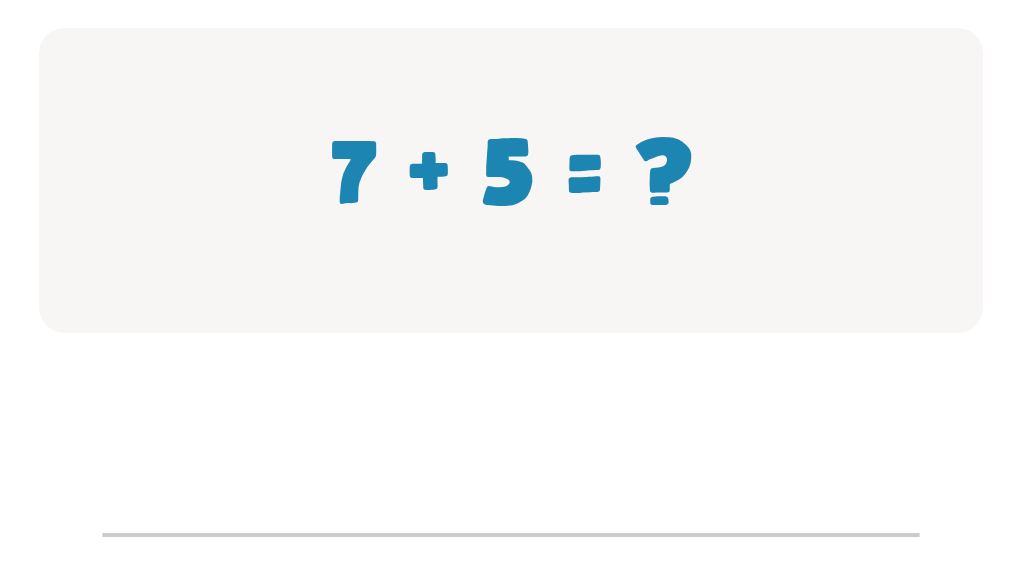
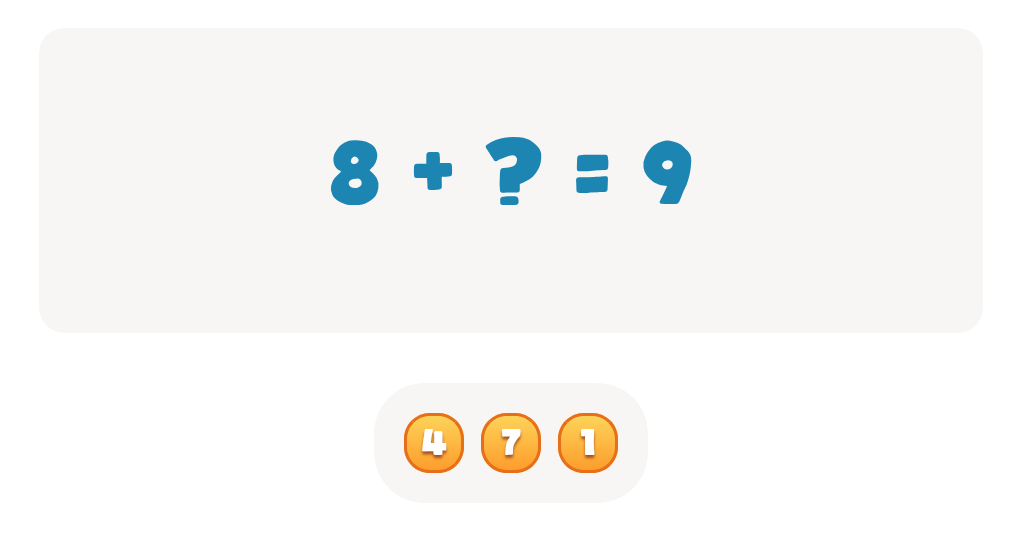
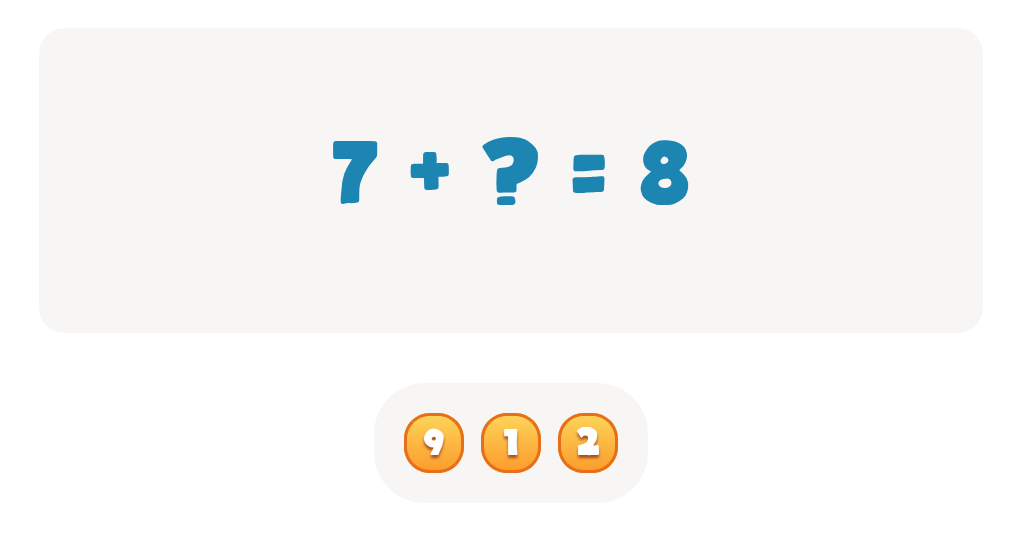
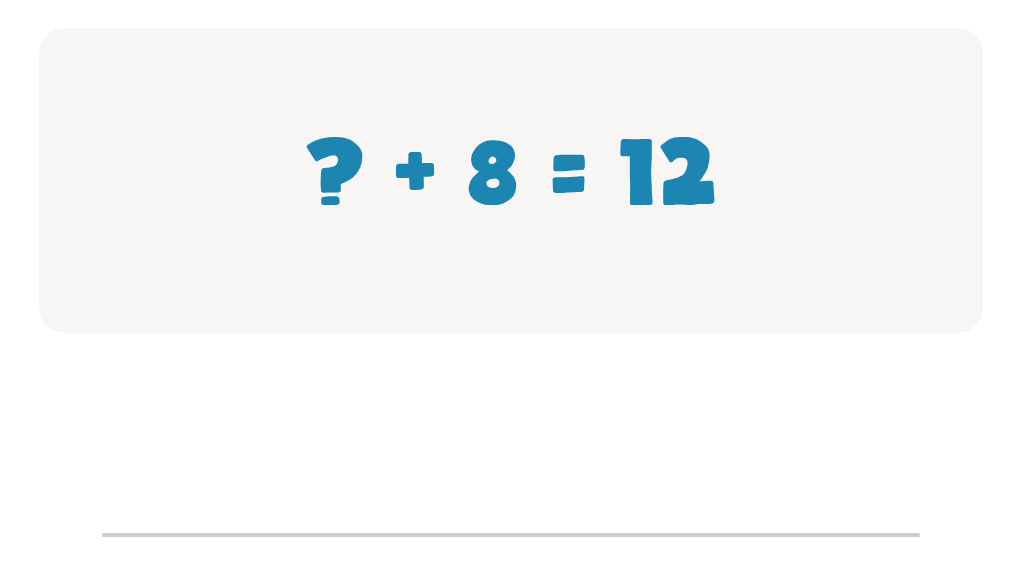
Tricky Problems Worksheet: Part 1
 Assign to My Students



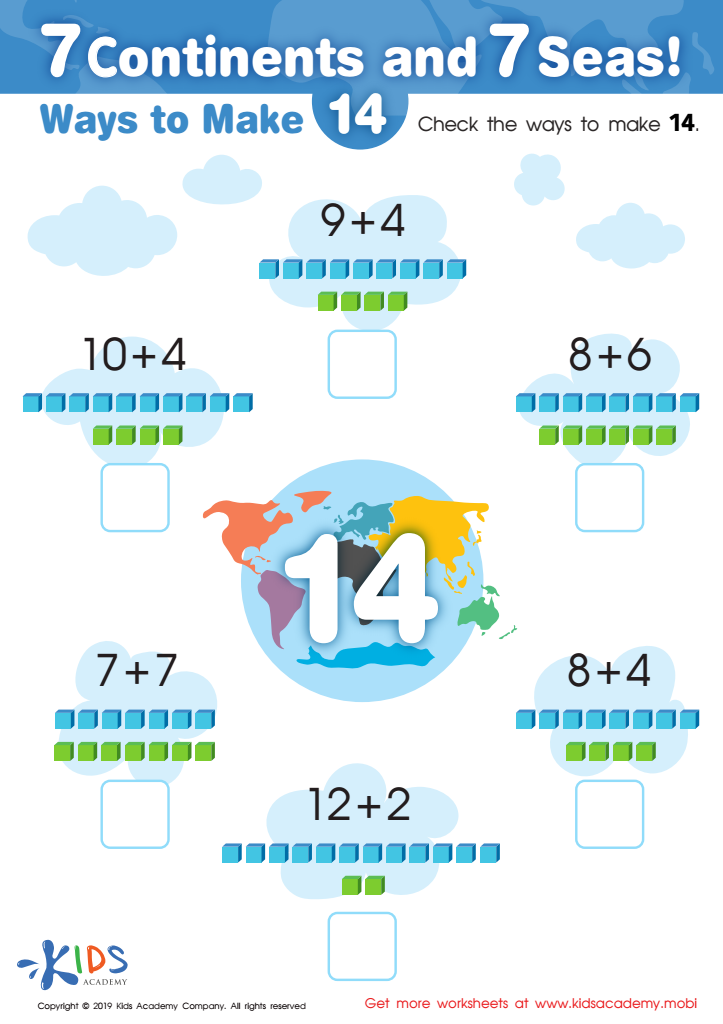
7 Continents and 7 Seas Worksheet
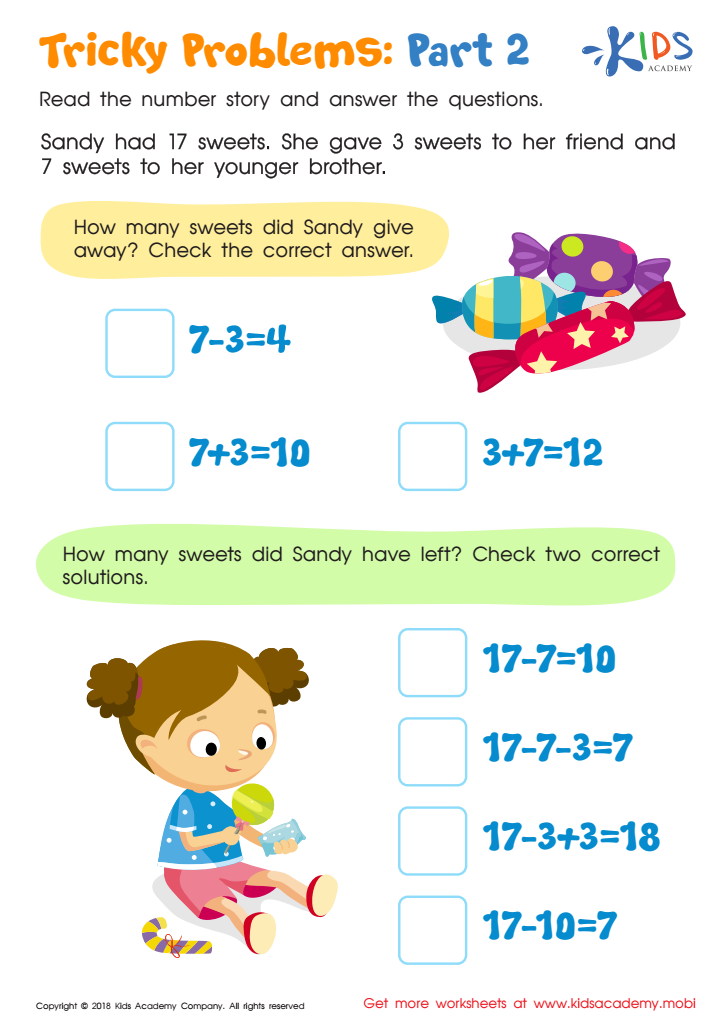
Tricky Problems Worksheet: Part 2
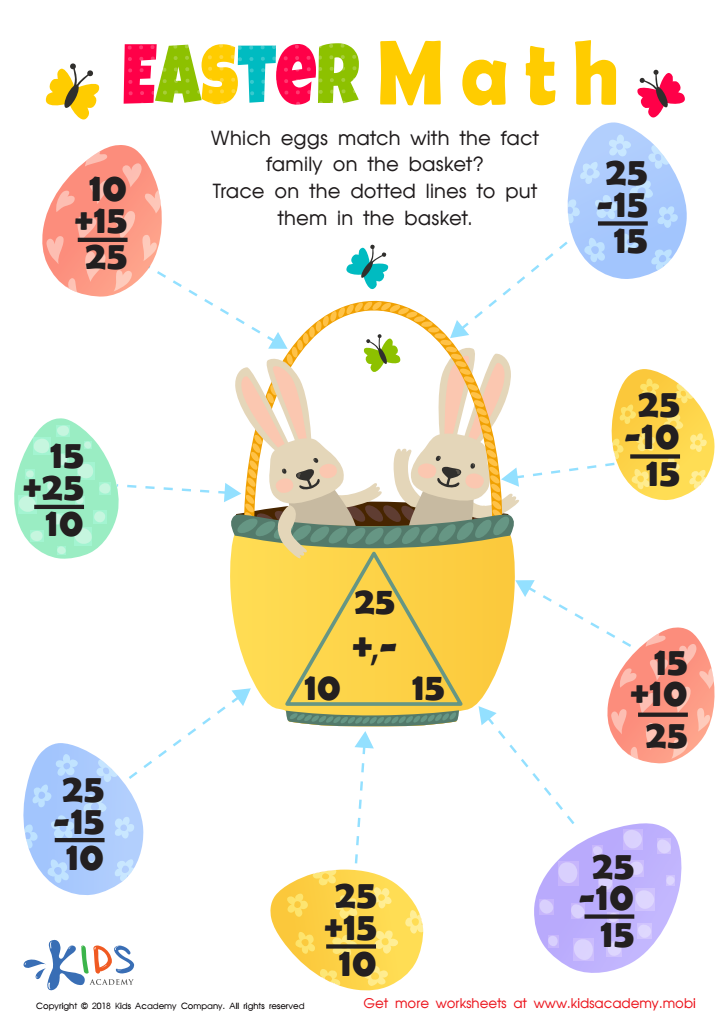
Fact Families: Easter Math Worksheet
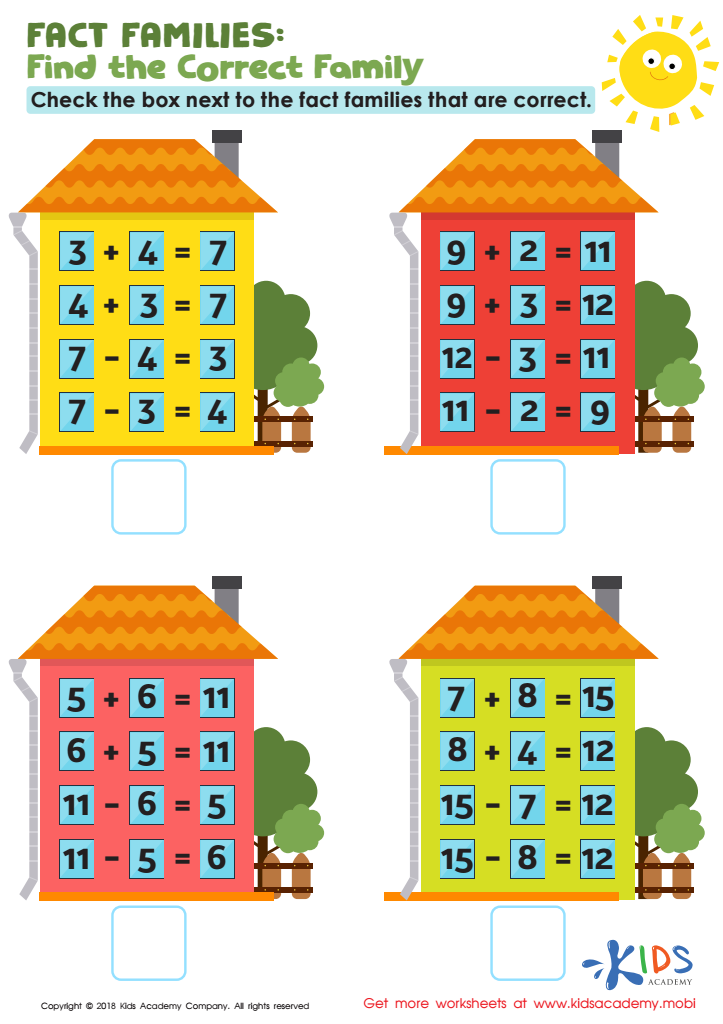
Fact Families: Find Correct Family Worksheet




.jpg)



Parents and teachers should prioritize problem-solving skills and normal addition facts for children aged 6-8 as these foundational competencies are crucial for cognitive development and future academic success. At this age, children are at a peak stage of developing numeracy skills, which form the building blocks for more complex mathematics. Mastering addition facts not only enhances computational fluency but also boosts confidence, enabling children to tackle more challenging math concepts with ease.
Problem-solving skills are equally important as they foster critical thinking and creativity. When children engage in problem-solving activities, they learn to approach challenges methodically, analyze information, and devise solutions. These skills are transferable across various subjects and real-life situations, contributing to overall intellectual growth.
Furthermore, early achievements in addition and problem-solving can positively affect a child's attitude toward learning. Success in these areas can foster a love for mathematics, reduce math anxiety, and lead to a lifelong interest in the subject.
Parents and teachers play a vital role by providing appropriate tools, engaging activities, and consistent practice. Celebrating small victories and making learning fun can further reinforce positive experiences, creating a supportive environment that nurtures a child's development in both addition skills and problem-solving capabilities.








