Fine Motor Skills Normal Addition & Subtraction Worksheets for Ages 6-8
7 filtered results
-
From - To
Enhance your child’s fine motor skills while they learn essential math concepts with our Normal Addition & Subtraction Worksheets, specifically designed for ages 6-8. These engaging activities not only reinforce arithmetic operations but also promote hand-eye coordination, dexterity, and writing proficiency. Each worksheet encourages interactive learning through fun and creative exercises that involve tracing, coloring, and crafting. Parents and educators will appreciate the balance between skill development and math practice, making learning enjoyable for young learners. Perfect for classroom use or at-home practice, our worksheets support foundational skills that lead to academic success. Explore our collection to spark your child’s love for learning!
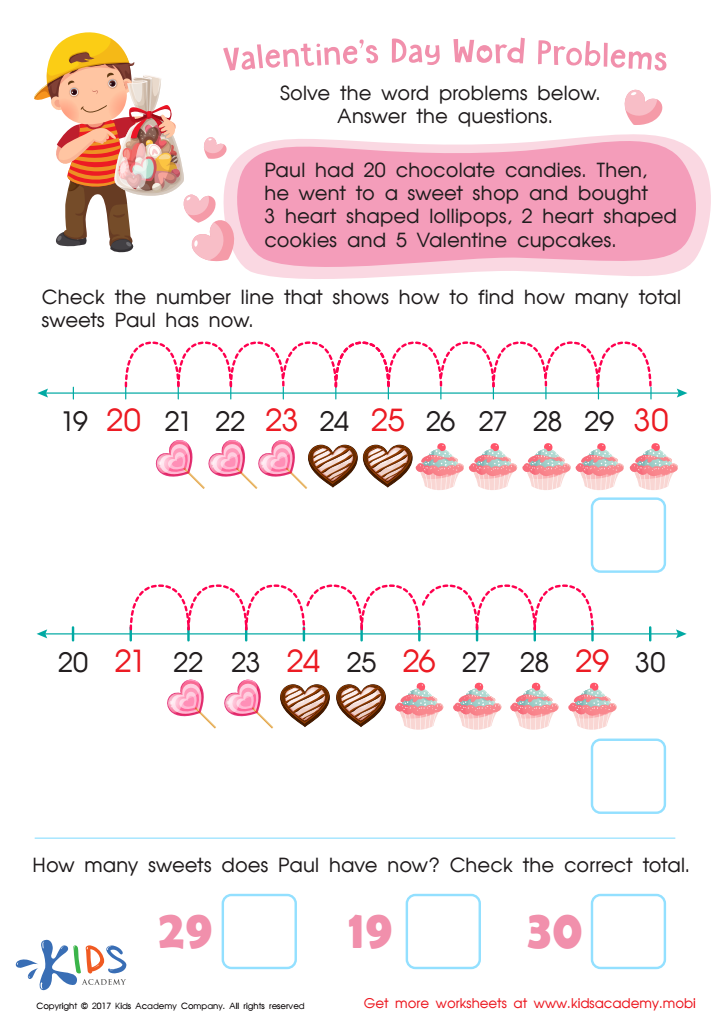
Valentines Day 2 Printable
 Assign to My Students
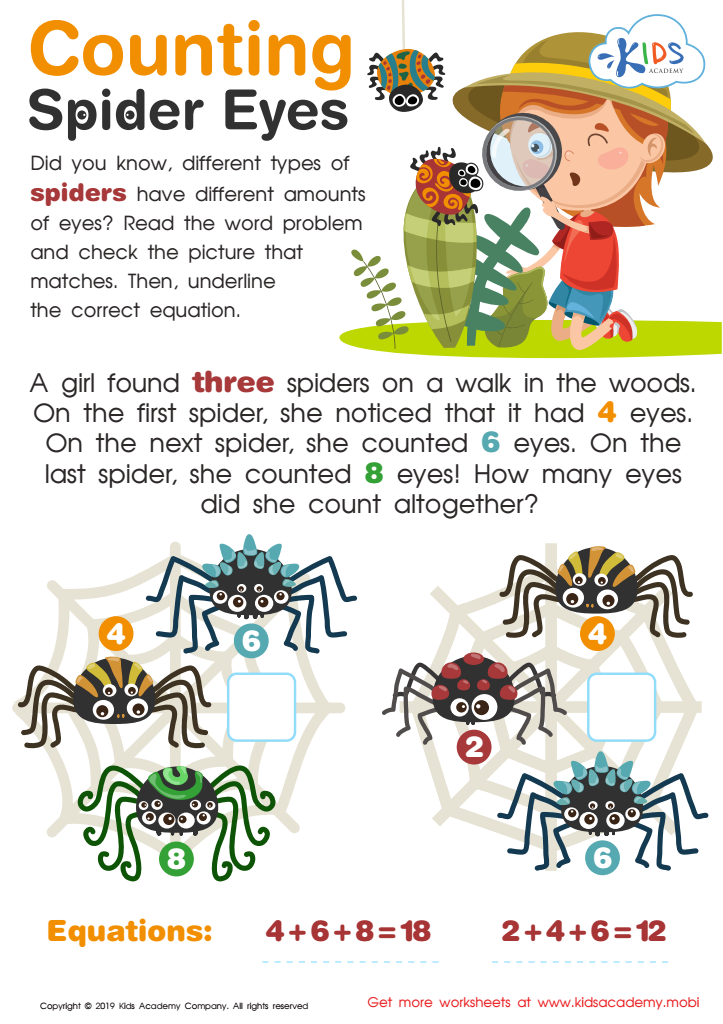
Counting Spider Eyes Worksheet
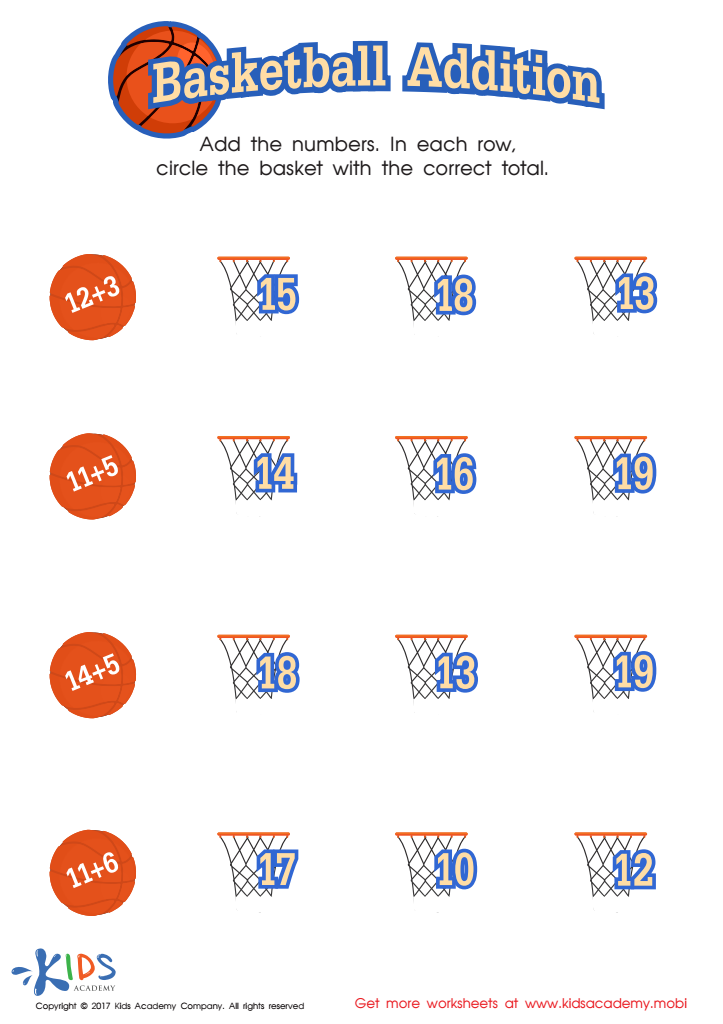
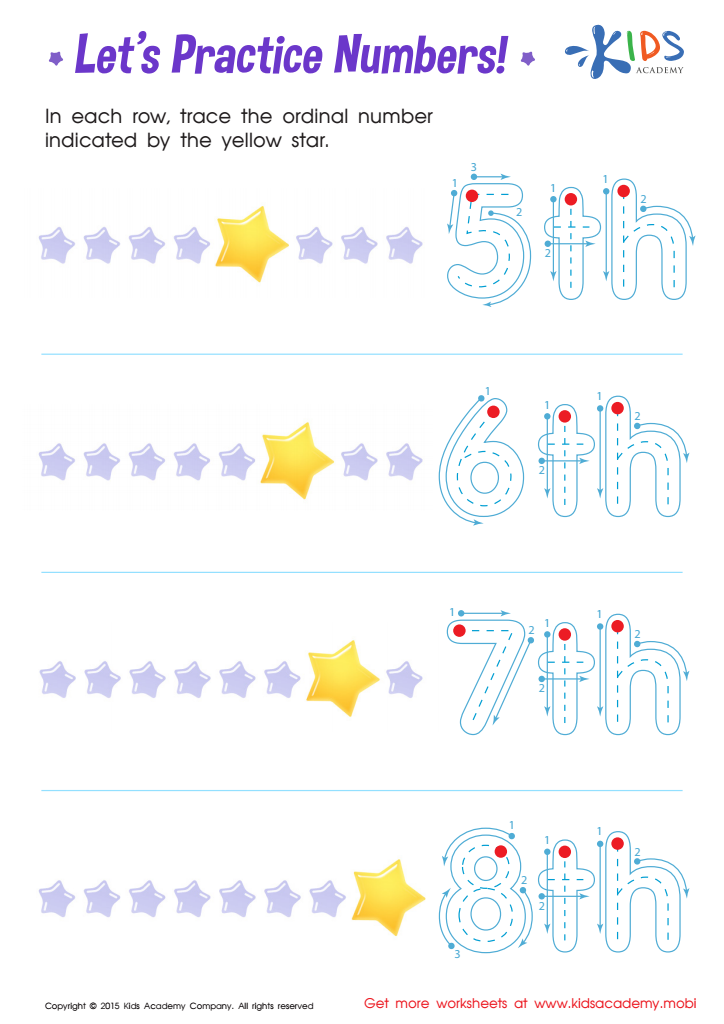
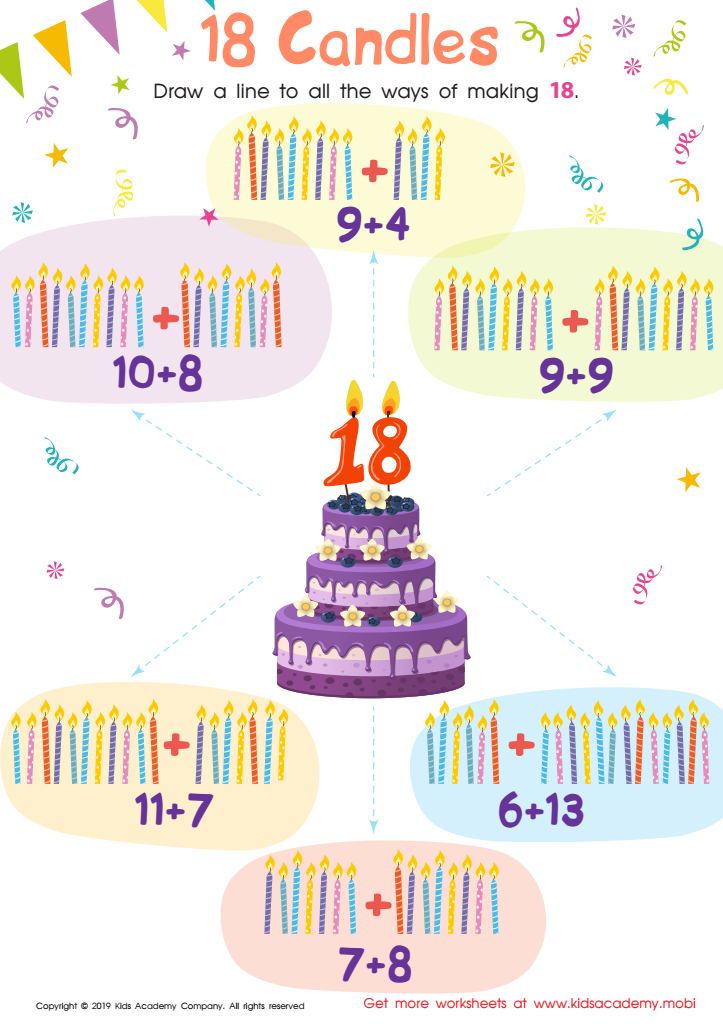
18 Candles Worksheet
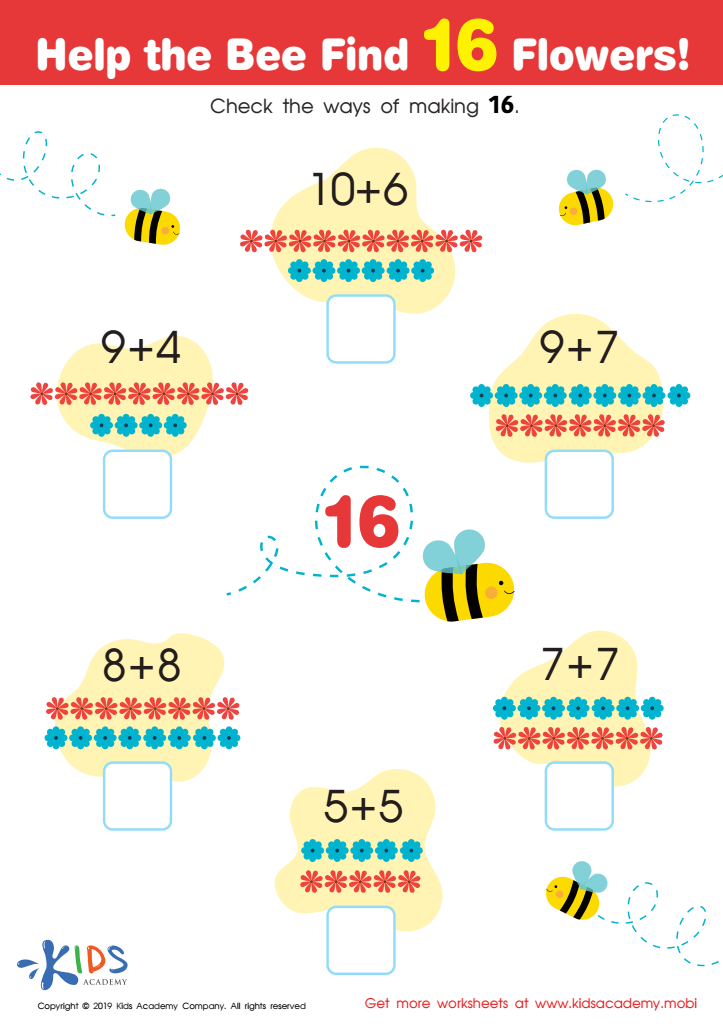
Help the Bee Find 16 Flowers Worksheet
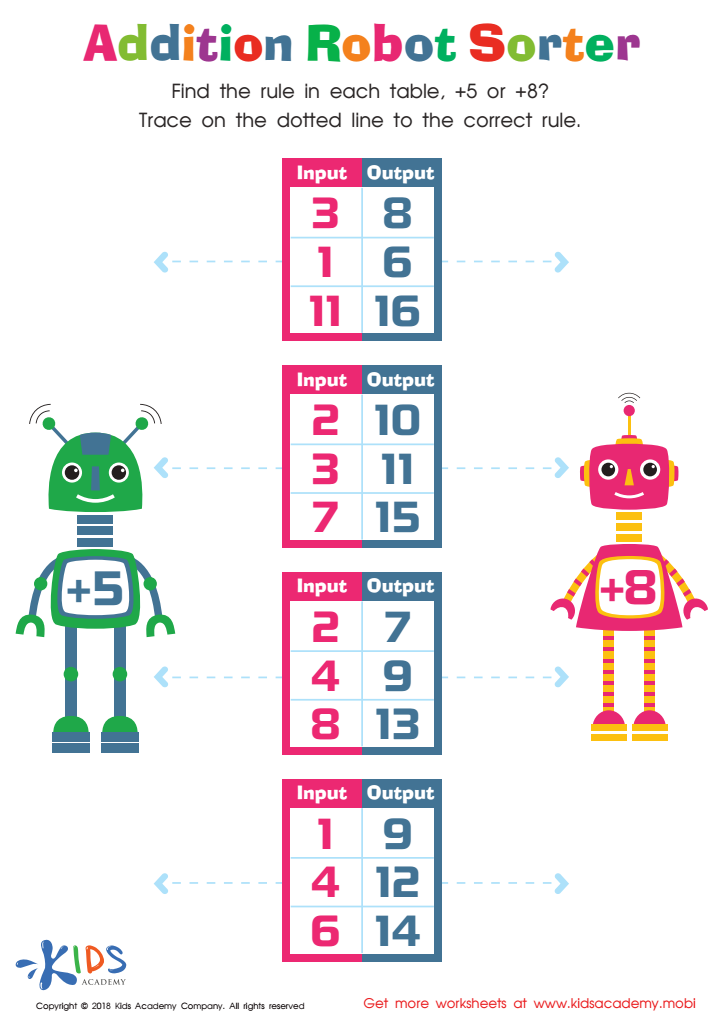
Addition Robot Sorter Worksheet








Fine motor skills are crucial for children aged 6-8 as they directly influence academic success and everyday tasks. At this age, children are not only refining their ability to manipulate objects but also experiencing significant curriculum changes in math, particularly with normal addition and subtraction. Parents and teachers should care about this aspect because fine motor skills underpin the ability to perform essential tasks such as writing numbers, drawing, and handling math tools like pencils and manipulatives.
When children have strong fine motor skills, they tend to be more confident in their academic endeavors, leading to a positive attitude toward learning. Conversely, children facing difficulties with these skills may struggle with math concepts, which can impact their overall achievement and self-esteem. Additionally, fine motor abilities are essential for developing the hand-eye coordination needed when working through math problems on paper.
Supporting the development of fine motor skills integrates playful activities with learning. Simple tasks like cutting, tracing, and even stacking blocks can make a significant difference in enhancing dexterity, which directly correlates with improved mathematical understanding. Ultimately, parents and teachers play a vital role in fostering these skills, ensuring children thrive both in school and personal development.








