Associative learning Normal Numbers Worksheets for Ages 6-8
3 filtered results
-
From - To
Explore our engaging Associates Learning Normal Numbers Worksheets, designed for children ages 6-8. These worksheets aim to strengthen kids' number recognition and foundational math skills through fun and interactive activities. By integrating associational techniques, children will make meaningful connections between numbers and their values, enhancing their cognitive understanding. Each worksheet provides a variety of exercises tailored to reinforce learning, including visual aids, matching games, and creative problem-solving tasks. Perfect for home or classroom use, these resources help nurture young minds and prepare students for future mathematical success. Dive into an exciting learning adventure today and make math fun!
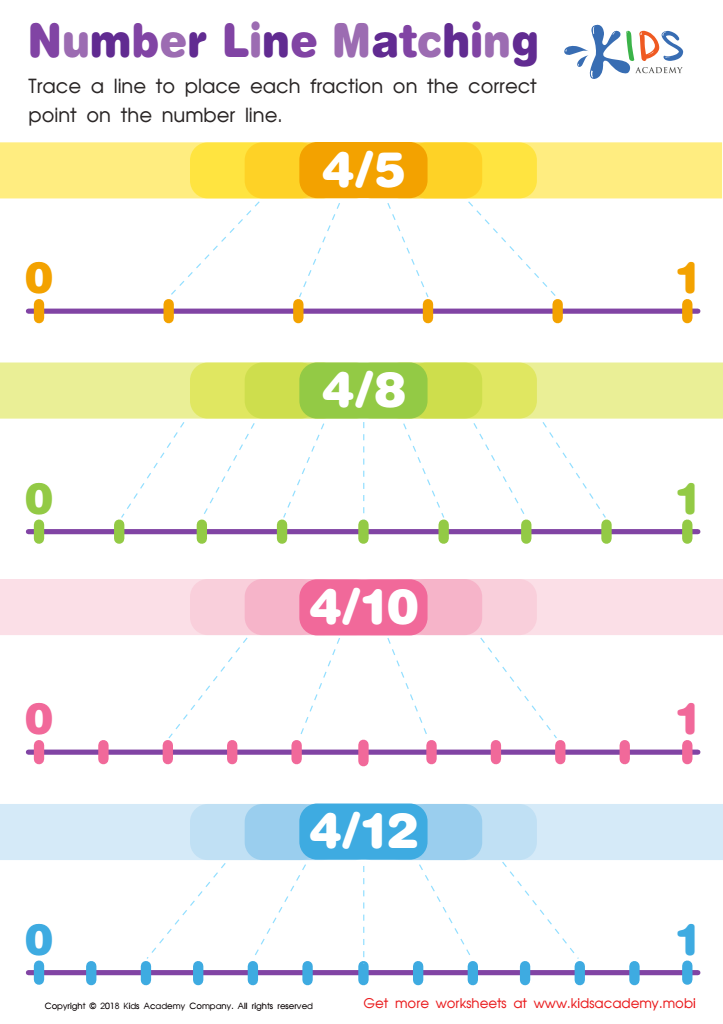
Number Line Matching Worksheet
 Assign to My Students
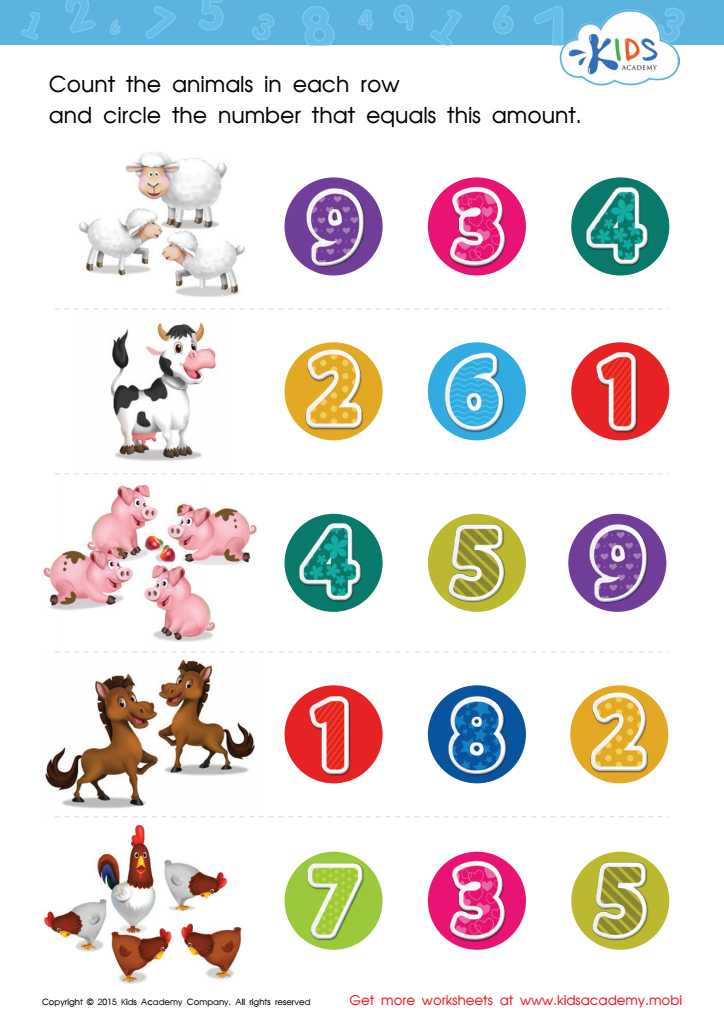
Count and Match 1 – 5 Math Worksheet
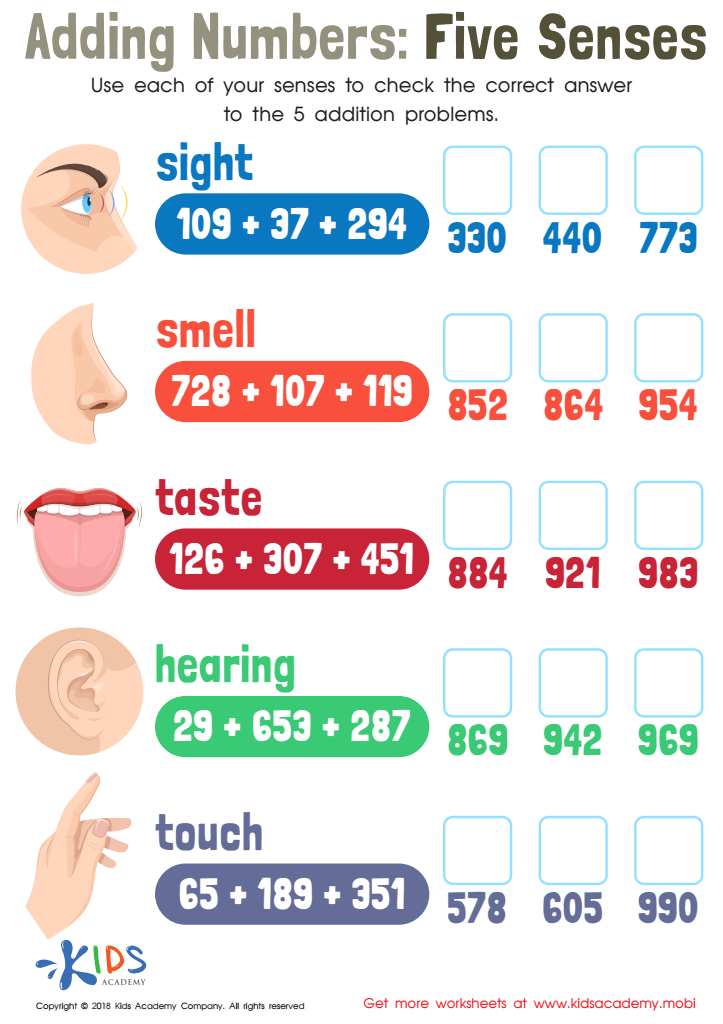
Adding Numbers: Five Senses Worksheet








Parents and teachers should prioritize associative learning of normal numbers for children aged 6-8 because it lays the foundation for critical mathematical skills that are essential for future learning and problem-solving. Associative learning entails connecting new information to existing knowledge, and when children understand how numbers relate to one another, it enhances their number sense and cognitive development.
At this developmental stage, children are naturally curious and open to exploration. By introducing them to normal numbers—those that regular counting relies upon—adults can facilitate a deeper grasp of concepts such as addition, subtraction, and number patterns. Engaging experiences, such as games and practical activities, reinforce these associations, making mathematics tangible and enjoyable.
Moreover, strong number relationships developed during these formative years lead to higher confidence and reduced math anxiety later on. In a world increasingly driven by technology and data analysis, equipping children with foundational numerical skills is crucial for their academic success and daily life. Promoting an environment where associative learning thrives nurtures not just mathematicians, but critical thinkers ready to tackle various challenges in a rapidly evolving society. Ultimately, caring about these learning strategies means investing in a child’s future, enabling lifelong learning and adaptability.








