Basic Mathematics Normal Math Worksheets for Ages 6-8
5 filtered results
-
From - To
Welcome to our Basic Mathematics Normal Math Worksheets for Ages 6-8! Designed to enhance foundational math skills, these engaging worksheets simplify learning for young learners. Covering essential topics like addition, subtraction, counting, and word problems, each worksheet encourages critical thinking and problem-solving. Our resources support teachers and parents alike by providing clear instructions and varied exercises tailored to first and second graders. Foster your child's confidence in math while keeping the learning process fun and interactive. Explore our collection to help your child master basic math concepts with ease and excitement! Start their math journey today!
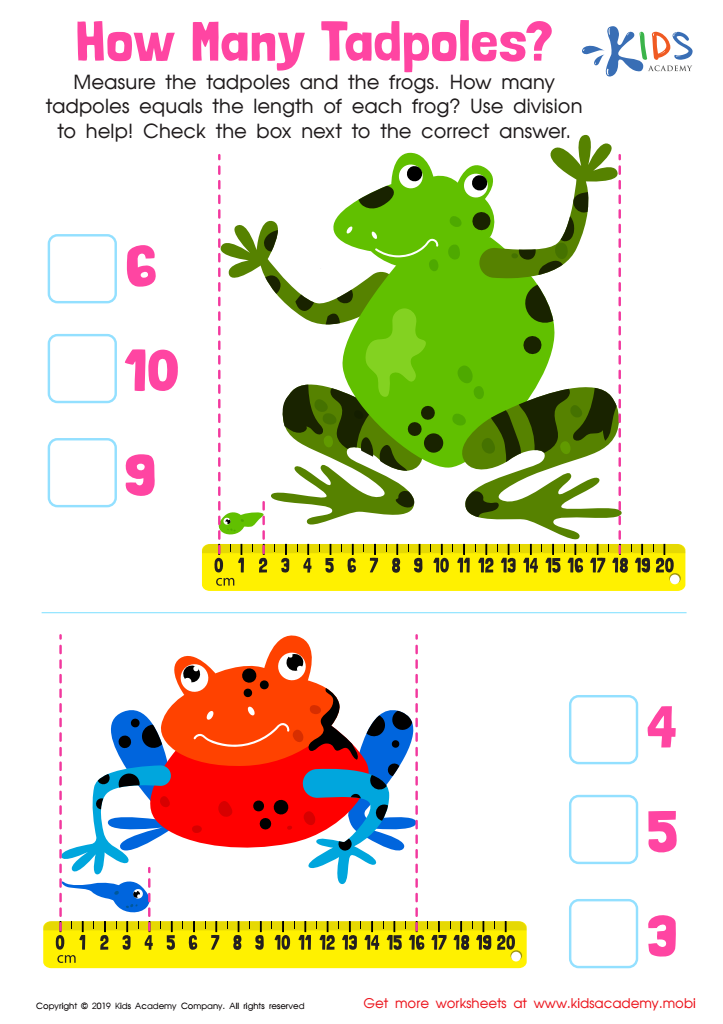
How Many Tadpoles Worksheet
 Assign to My Students
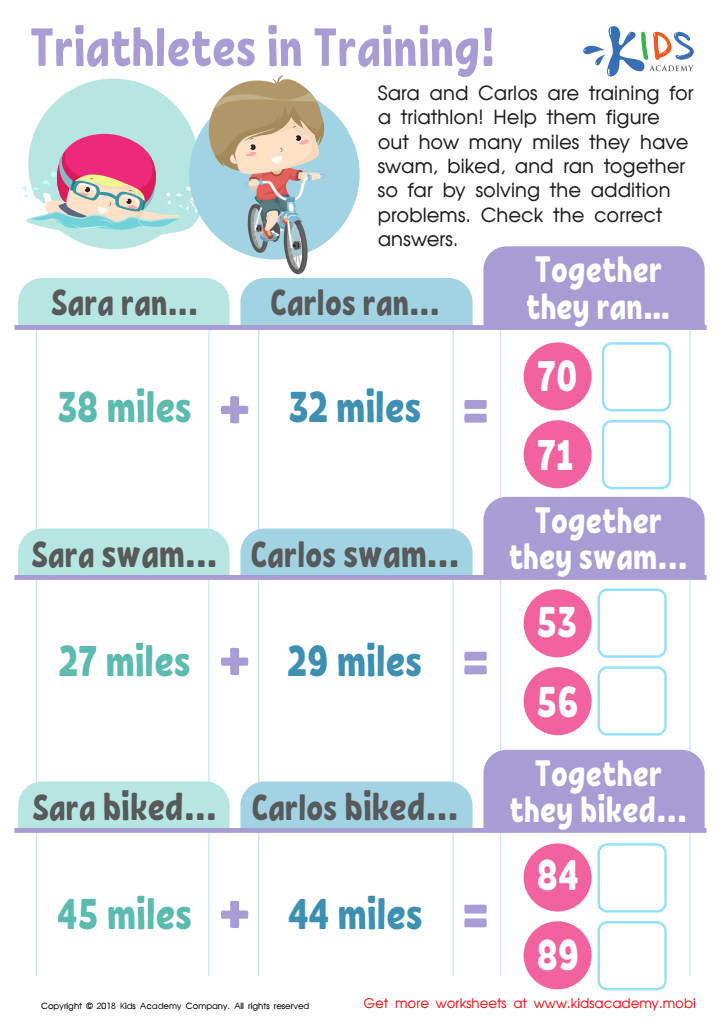
Triathletes in Training Worksheet
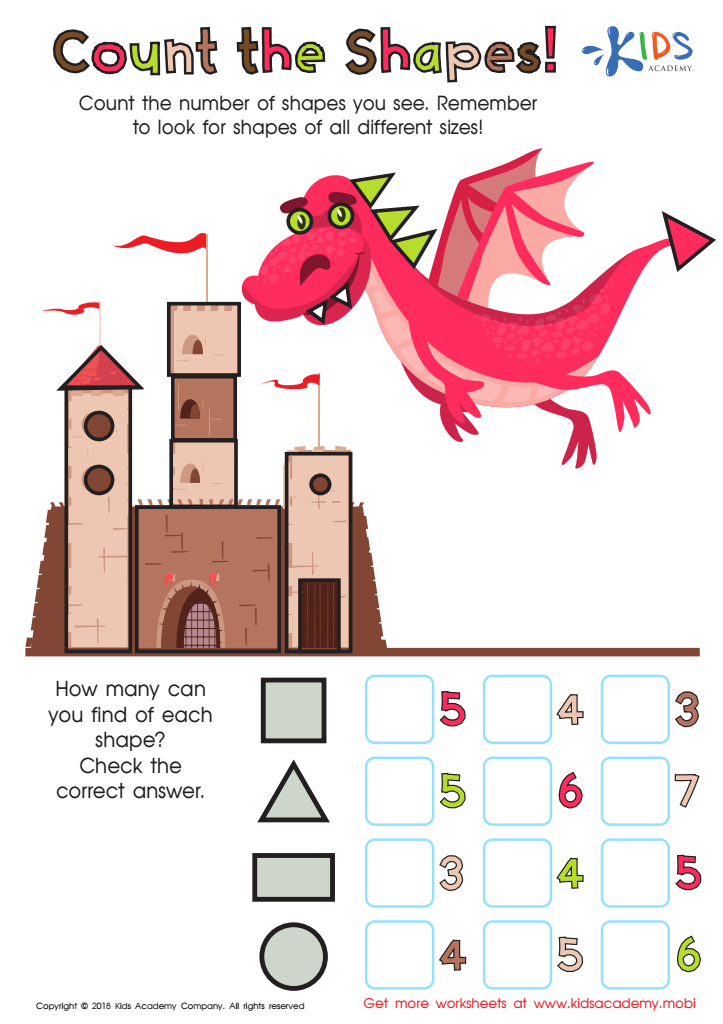
Count the Shapes Worksheet
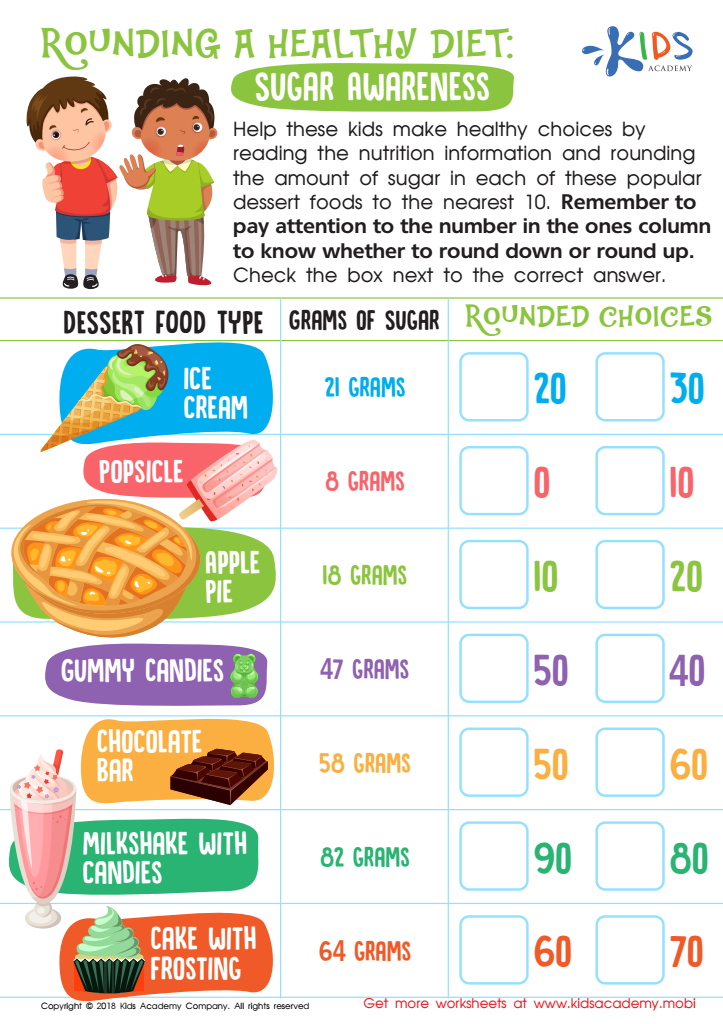
Rounding Healthy Diet Worksheet
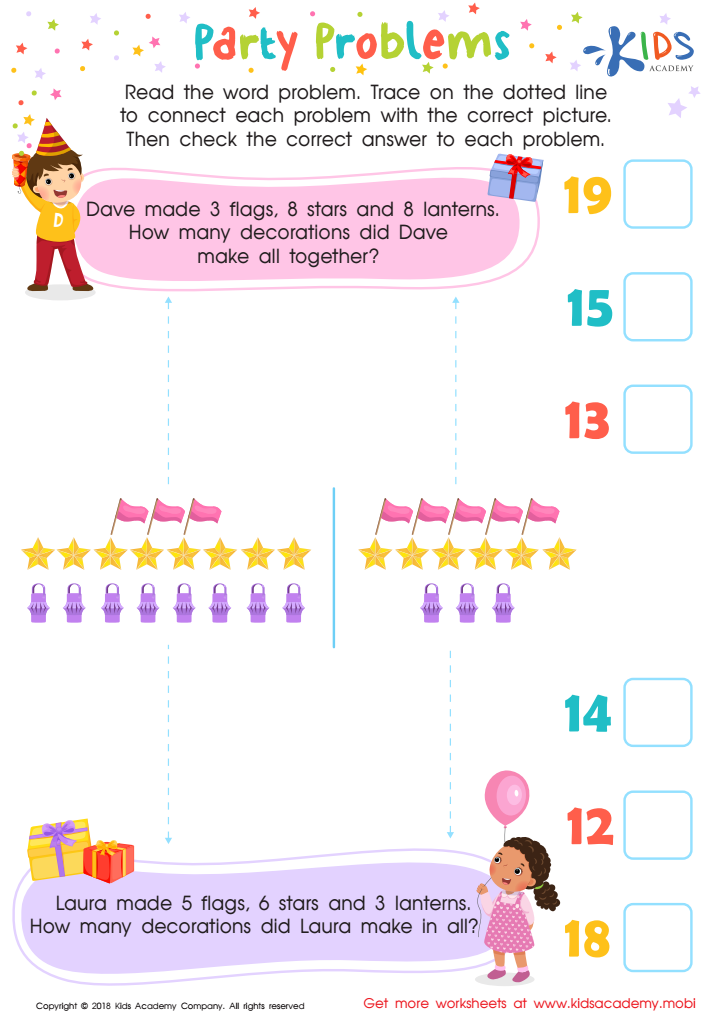
Party Problems Worksheet


.jpg)



Parents and teachers should care about Basic Mathematics for children aged 6-8 because this foundational stage is crucial for developing essential cognitive skills. At this age, children are learning to understand numbers, shapes, and simple equations, which form the building blocks for more advanced mathematical concepts. Mastering basic math fosters problem-solving skills and logical thinking, enabling children to navigate real-world situations, such as budgeting, measuring, and time management.
Moreover, a strong grasp of basic math helps boost a child’s confidence and encourages a positive attitude toward learning. When children experience success in solving math problems, they feel motivated to tackle more difficult tasks, shaping their interest in various subjects. Early math education also lays the groundwork for competencies in other disciplines, such as science and technology, which increasingly rely on mathematical understanding.
Additionally, involving parents in their child’s mathematical journey reinforces the connection between home and school. This support creates a cooperative learning environment, making math a fun and engaging part of everyday life. Overall, emphasizing basic mathematics in children's early years sets them up for academic success and equips them with crucial life skills.








