Visual perception improvement Normal Math Worksheets for Ages 6-8
4 filtered results
-
From - To
Enhance your child’s visual perception skills with our engaging Normal Math Worksheets designed for ages 6-8. These specially crafted worksheets combine fun math problems with exercises that improve visual tracking, pattern recognition, and spatial awareness. Through colorful and interactive tasks, kids will develop crucial learning skills that are essential for their academic journey. Perfect for use at home or in the classroom, our worksheets ensure a seamless blend of math practice and perceptual skill enhancement. Help your child build a strong foundation in math while boosting their visual perception abilities with Kids Academy's expertly designed resources.
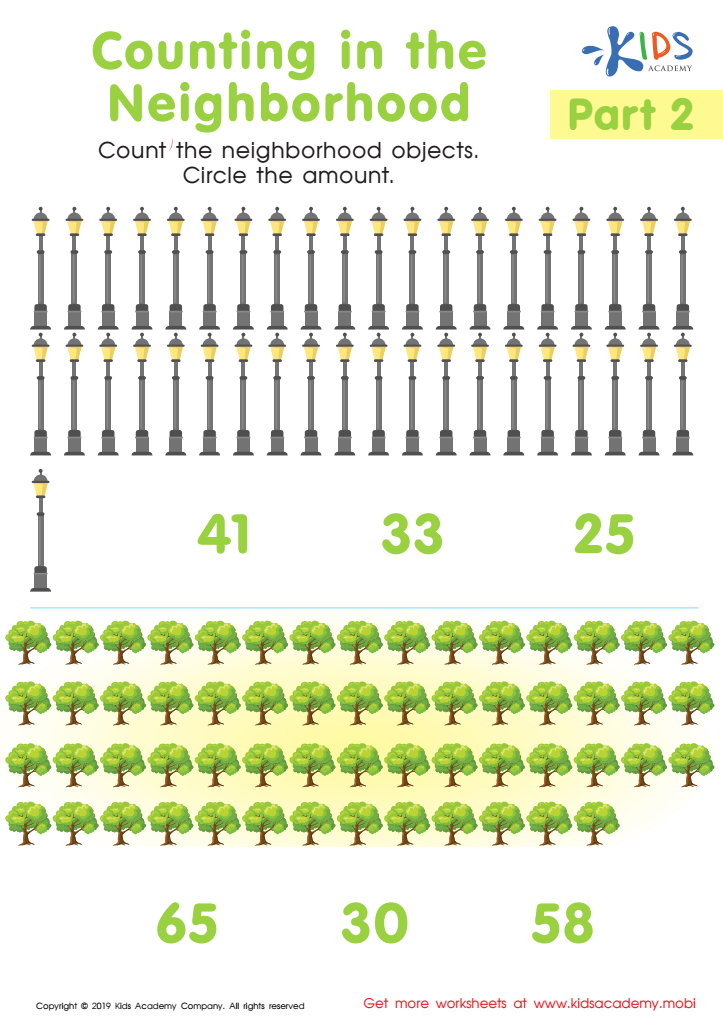
Counting In The Neighborhood Part 2 Worksheet
 Assign to My Students
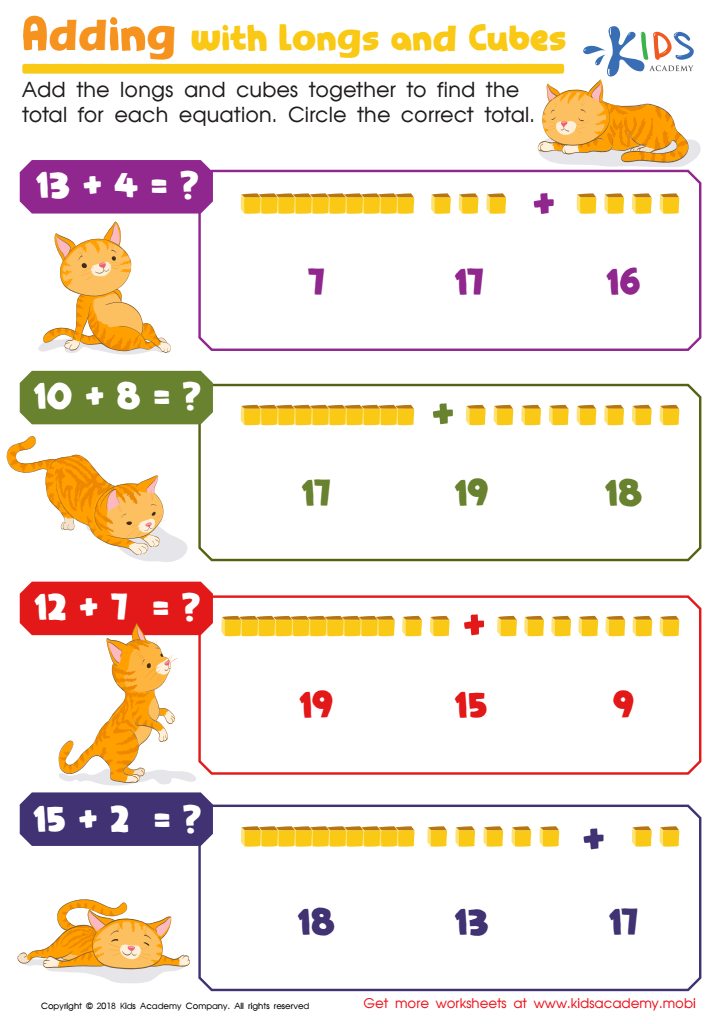
Adding With Longs and Cubes Worksheet
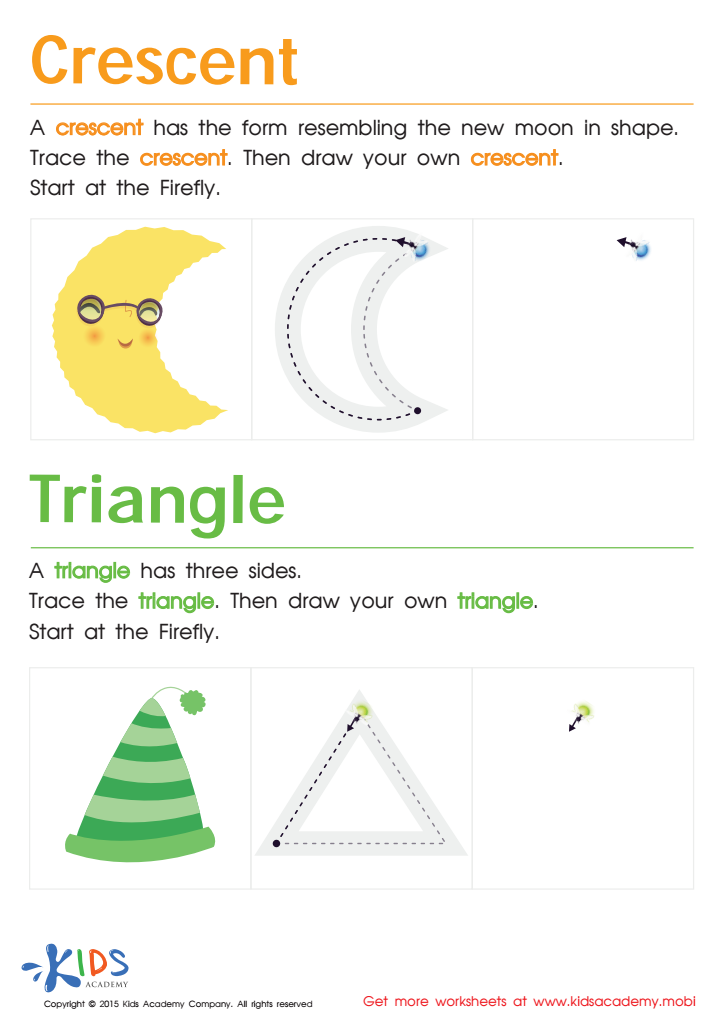
Learning to Draw Crescents And Triangles Worksheet
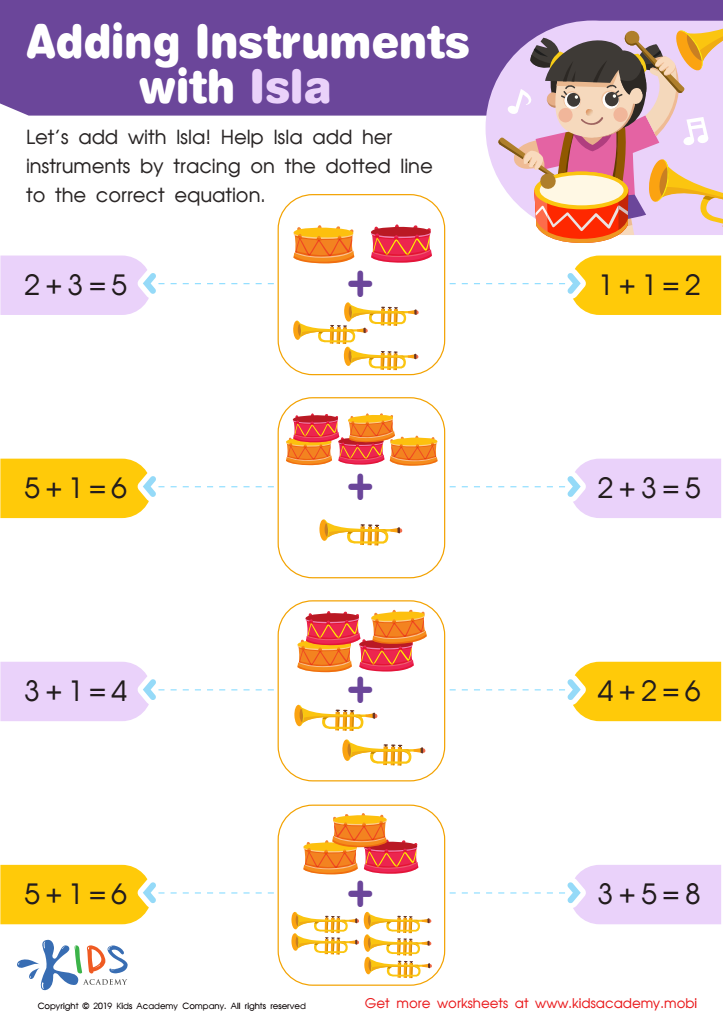
Adding Instruments with Isla Worksheet


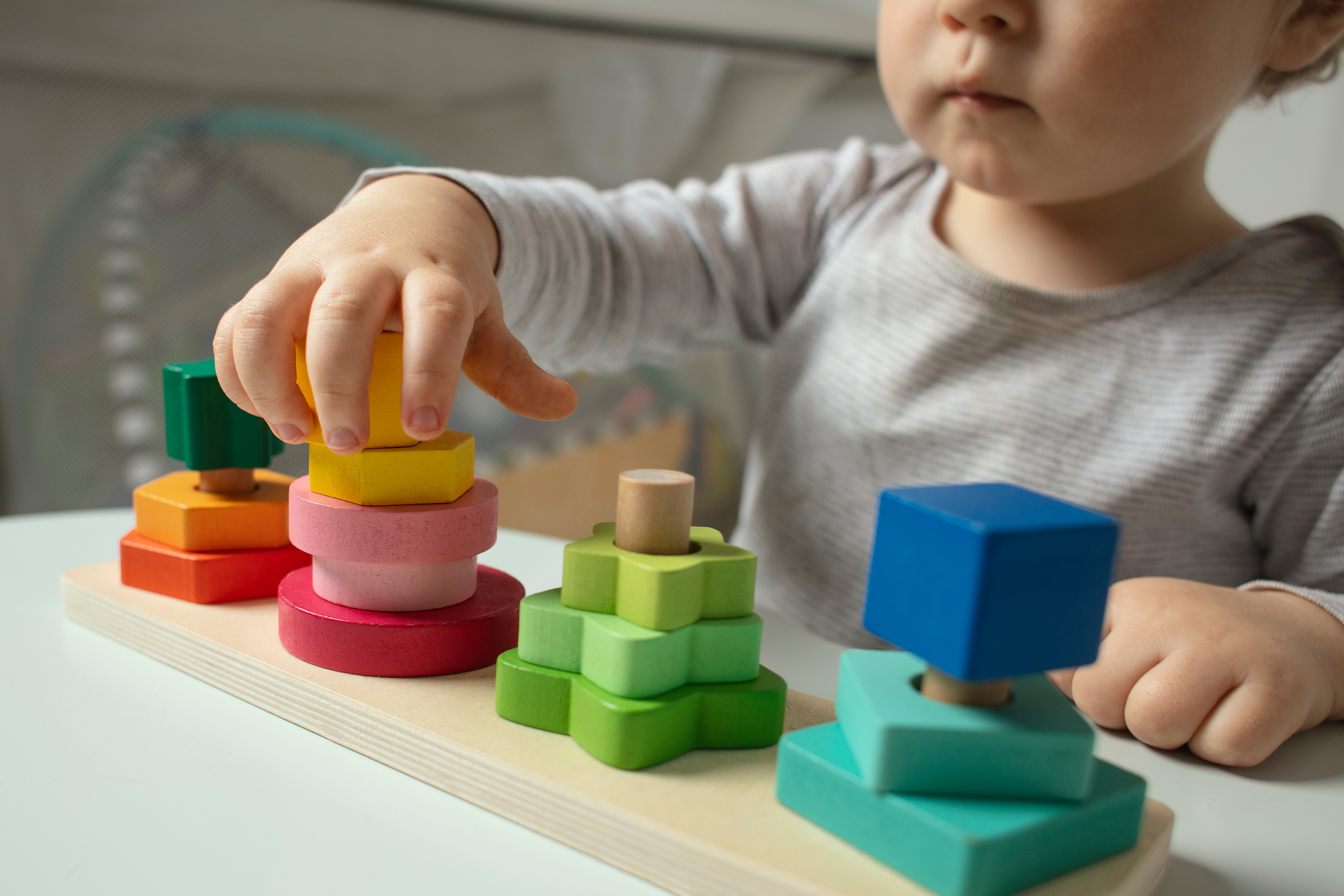





Parents and teachers should prioritize the improvement of visual perception to support mathematical skills in children aged 6-8 because this developmental stage is foundational for future learning. Visual perception involves the brain’s ability to interpret and organize visual information, which is critical for understanding math concepts.
For young children, grasping basic math entails recognizing numbers, understanding spatial relationships, and distinguishing shapes and patterns. Effective visual perception skills allow kids to better interpret graphs, charts, and geometric figures. For example, when a child can differentiate between similar-looking numbers like 6 and 9 or 2 and 5, they can avoid common mistakes and excel in early math skills such as counting, addition, and subtraction.
Moreover, visual perception is integral to problem-solving and critical thinking. Activities like sorting objects by size or color, identifying patterns, and understanding symmetry directly contribute to a child's ability to reason logically. These skills extend beyond mathematics, fostering good handwriting, reading, and comprehension abilities.
By focusing on visual perception improvement, parents and teachers can lay a solid foundation for academic success. Activities like puzzles, matching games, and drawing shapes not only enhance visual skills but also make learning math enjoyable, instilling a positive attitude towards challenges and learning in general. Therefore, enriching visual perception is an investment in a child's holistic educational journey.








