Basic Math Skills Normal Measurement Worksheets for Ages 6-8
3 filtered results
-
From - To
Explore our "Basic Math Skills Normal Measurement Worksheets" designed specifically for children ages 6-8. These engaging, age-appropriate worksheets encourage young learners to grasp essential measurement concepts through fun and interactive activities. Focusing on critical skills like understanding inches and centimeters, interpreting weight and volume, and utilizing simple tools like rulers and measuring cups, these resources help foster a solid math foundation. Perfect for classroom or home learning, our printable worksheets will inspire confidence and make measuring measurable! Unlock your child's math potential and watch them thrive as they develop their measurement skills with enjoyable exercises. Start measuring success today!
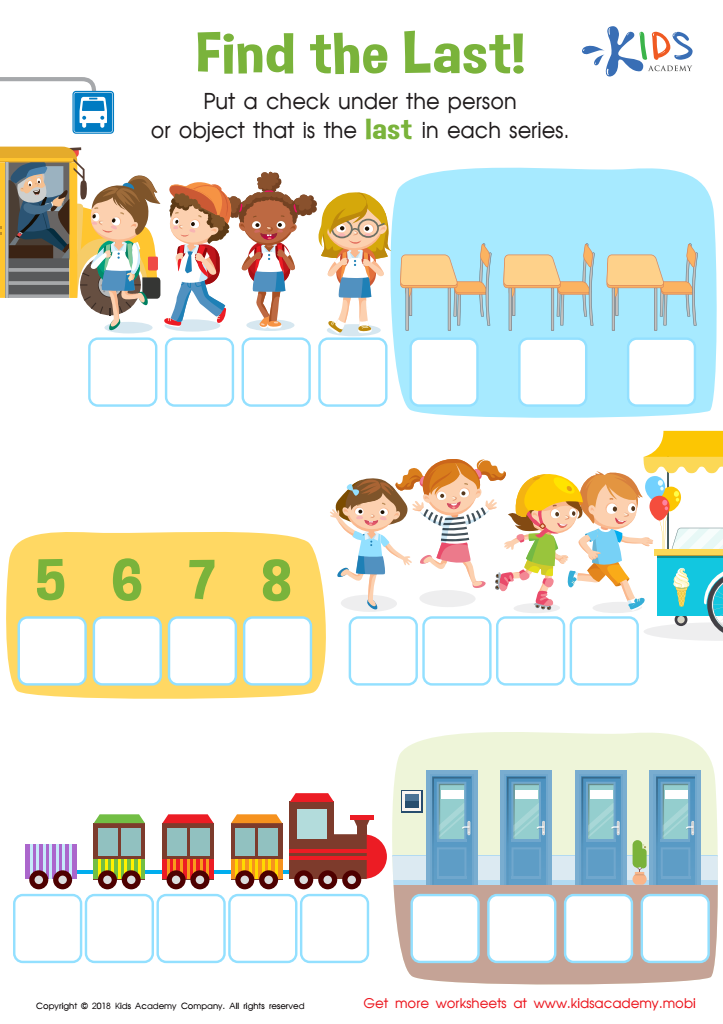
Find the Last! Worksheet
 Assign to My Students
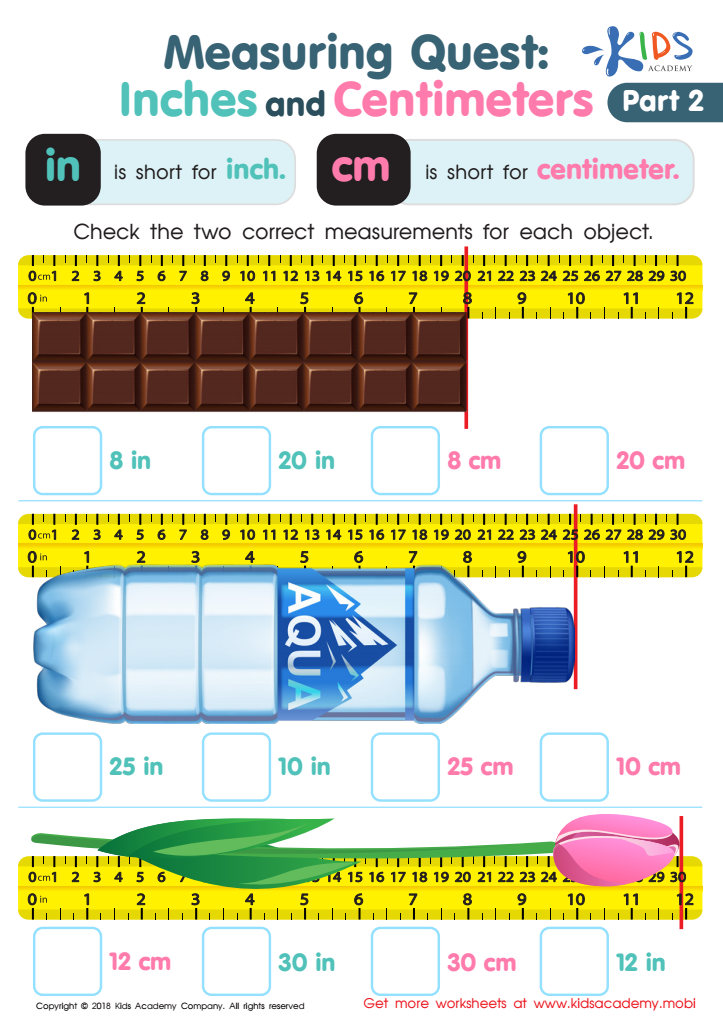
Measuring Quest: Inches and Centimeters - Part 2 Worksheet
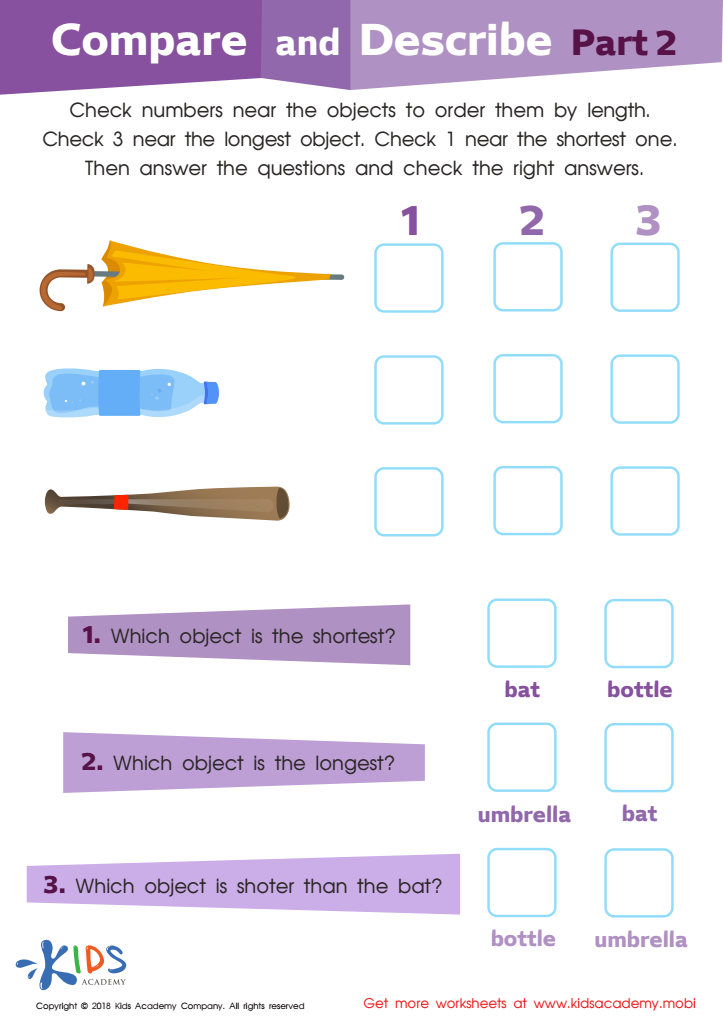
Compare and Describe: Part 2 Worksheet








Basic math skills, particularly in normal measurement, are essential for children aged 6-8 as this formative stage sets the groundwork for more advanced mathematical concepts. Understanding measurement helps kids make sense of the world around them. By grasping units of measurement like inches, feet, and centimeters, children can accurately describe and compare objects, fostering spatial awareness, which is crucial for their cognitive development.
These skills also play a significant role in daily life. When children learn to measure ingredients for a recipe or understand the concepts of time and distance, they build practical skills that apply to everyday situations. This practical application of math nurtures greater interest and confidence in the subject.
Furthermore, developing basic math skills in measurement boosts analytical thinking and problem-solving abilities, which are invaluable for academic success. As teachers and parents encourage these skills, they help children develop perseverance and a growth mindset—key traits for lifelong learning.
Lastly, strong foundational skills in measurement enable future success in science, technology, engineering, and mathematics (STEM) subjects. By prioritizing normal measurement skills in early grades, adults ensure that children are well-equipped for both present tasks and future academic challenges.








