Analyzing data Normal Science Worksheets for Ages 6-8
5 filtered results
-
From - To
Discover our engaging "Analyzing Data Normal Science Worksheets" designed specifically for children aged 6-8! These worksheets introduce young learners to essential data analysis skills through fun and interactive activities. Each worksheet encourages students to observe, collect, and interpret data, promoting critical thinking and analytical skills. Perfect for classroom settings or at-home learning, these resources align with early science education standards and help build a strong foundation in data literacy. Encourage your child's curiosity about the world while enhancing their math and science knowledge. Explore our collection today and make learning about data an exciting adventure!
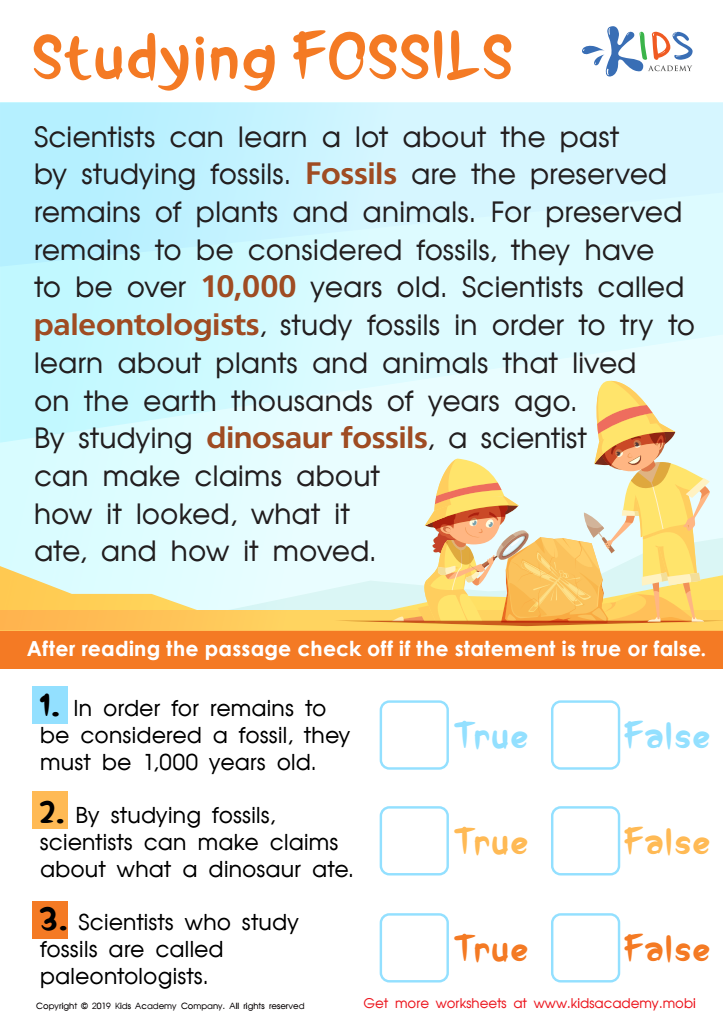
Studying Fossils Worksheet
 Assign to My Students
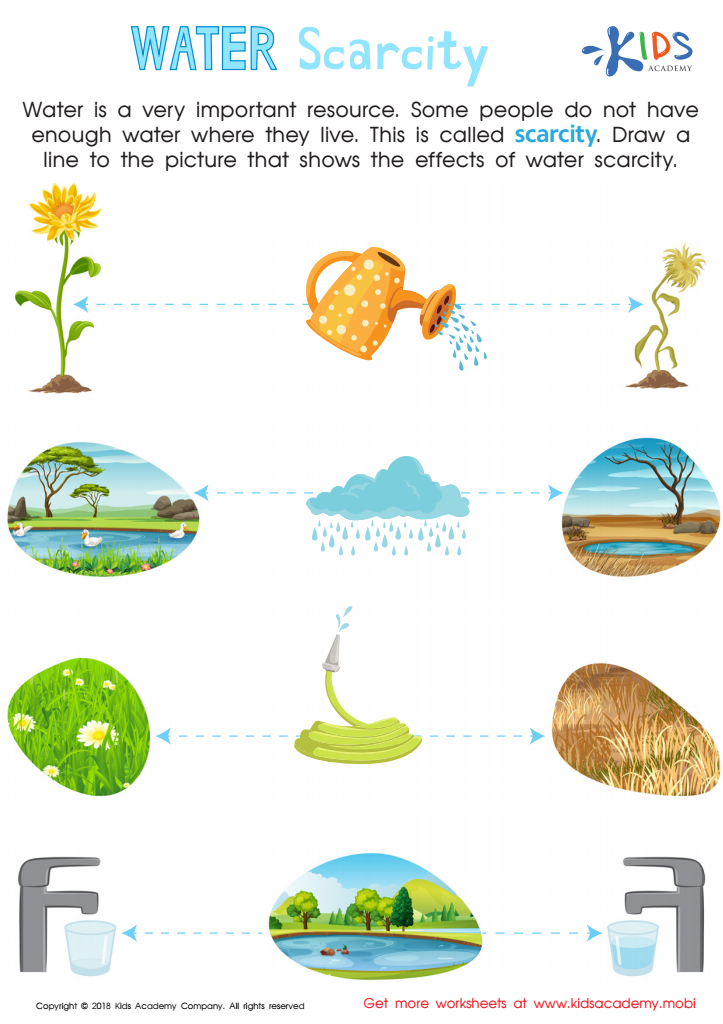
Water Scarcity Worksheet
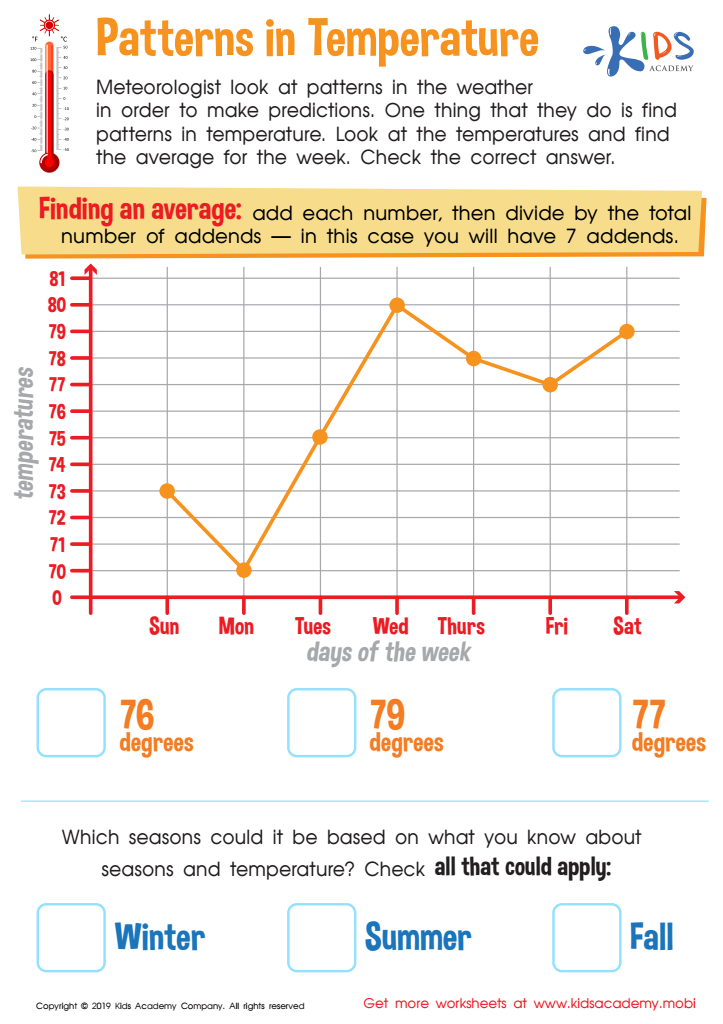
Patterns in Temperature Worksheet
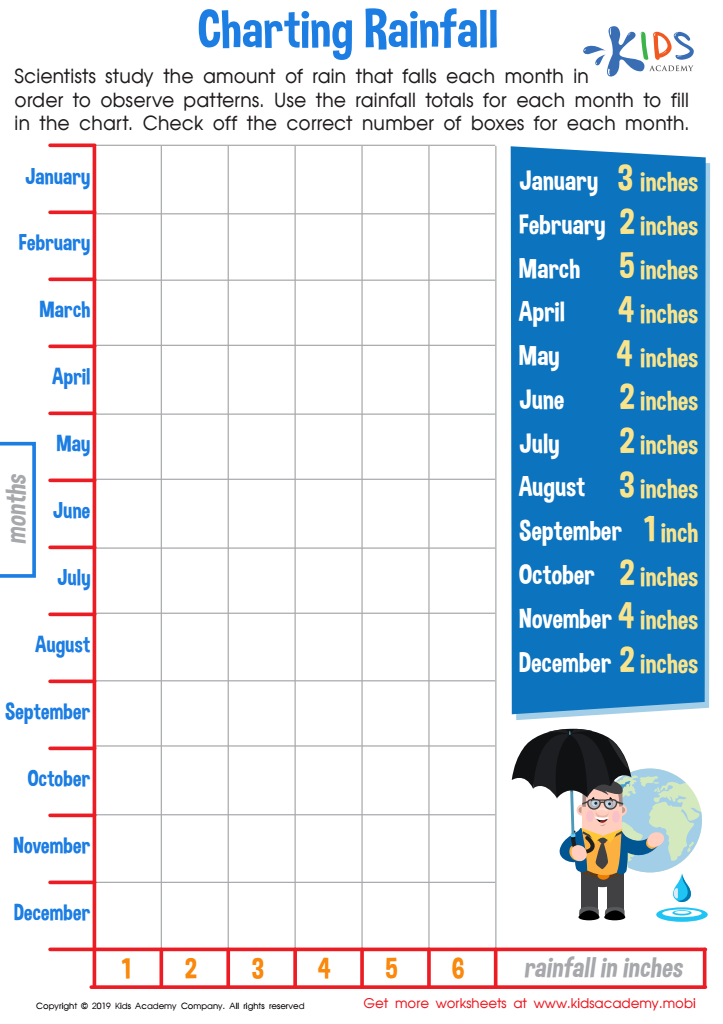
Charting Rainfall Worksheet
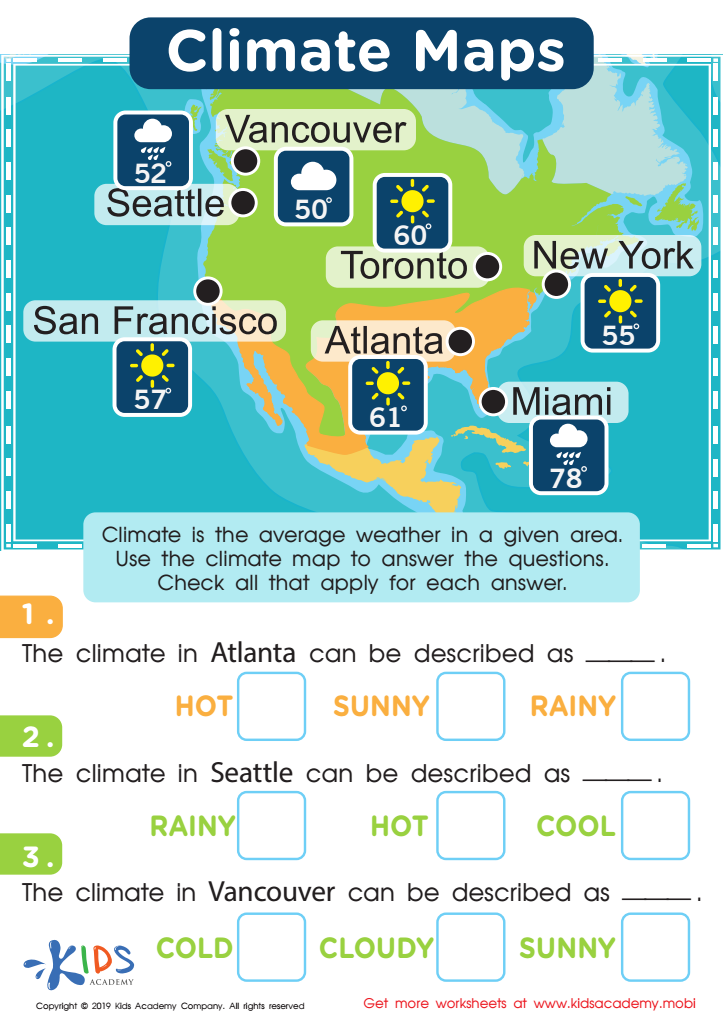
Climate Maps Worksheet






.jpg)
Analyzing data is a fundamental skill that fosters critical thinking and problem-solving abilities in children aged 6-8. Understanding Normal Science—essentially systematic observation and experimentation—supports young learners in grasping the scientific method. Parents and teachers should care about this because it lays the groundwork for scientific literacy, encouraging curiosity and exploration.
At this age, children are naturally inquisitive. When they analyze data, they learn to interpret information, recognize patterns, and understand the significance of their findings. This hands-on experience can make STEM subjects more engaging and relatable, helping to spark a lifelong interest in these fields.
Furthermore, data analysis promotes collaboration and communication skills. Working together on data-driven projects enhances social interaction as children discuss their observations and share results. By fostering these skills early on, we equip children with the tools they need to navigate an increasingly data-driven world.
Finally, understanding data analysis introduces young learners to the concept of making evidence-based decisions. This not only enhances their academic performance but also encourages responsible citizenship as they grow, enabling them to compare information critically and form their own informed opinions. Thus, incorporating data analysis into early education is essential for holistic development.







