Animal identification Normal Science Worksheets for Ages 6-8
6 filtered results
-
From - To
Explore our Animal Identification Normal Science Worksheets designed specifically for children aged 6-8! These engaging worksheets help young learners develop essential skills in recognizing and categorizing various animals. Through colorful illustrations and interactive activities, kids will learn to identify different species, understand their habitats, and gain insight into the animal kingdom. Encouraging curiosity and observation, these worksheets are perfect for both classroom and home learning environments. Enhance your child’s scientific literacy and foster a love for nature with this fun and educational resource. Discover the joy of learning about animals today and nurture your little one's passion for science!
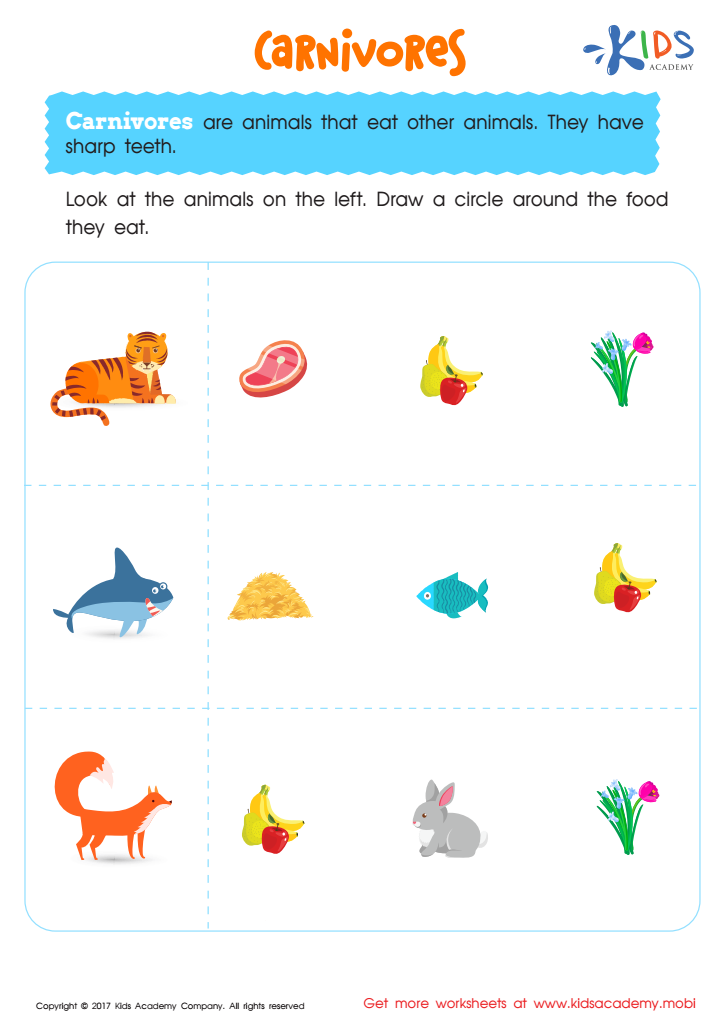
Carnivores Worksheet
 Assign to My Students
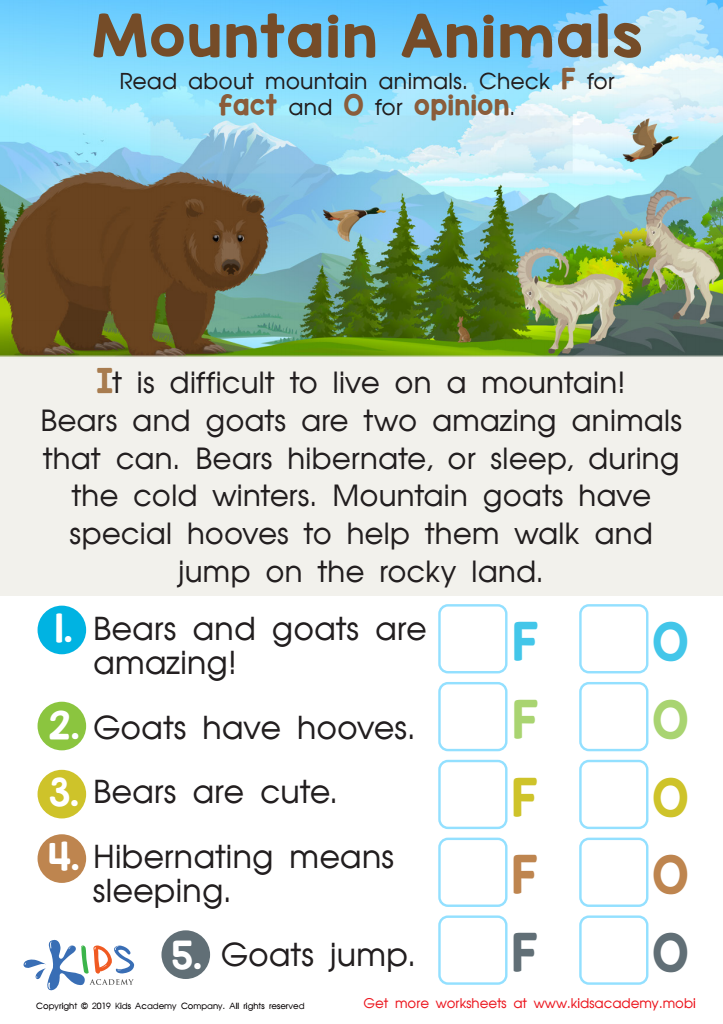
Mountain Animals Worksheet
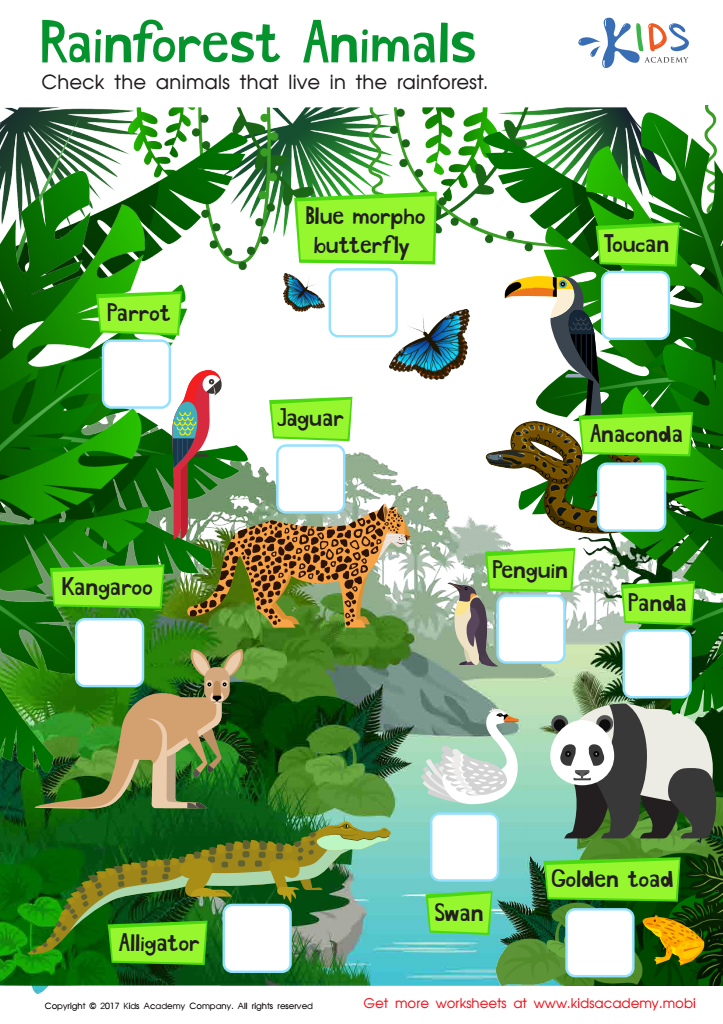
Rainforest Animals Worksheet
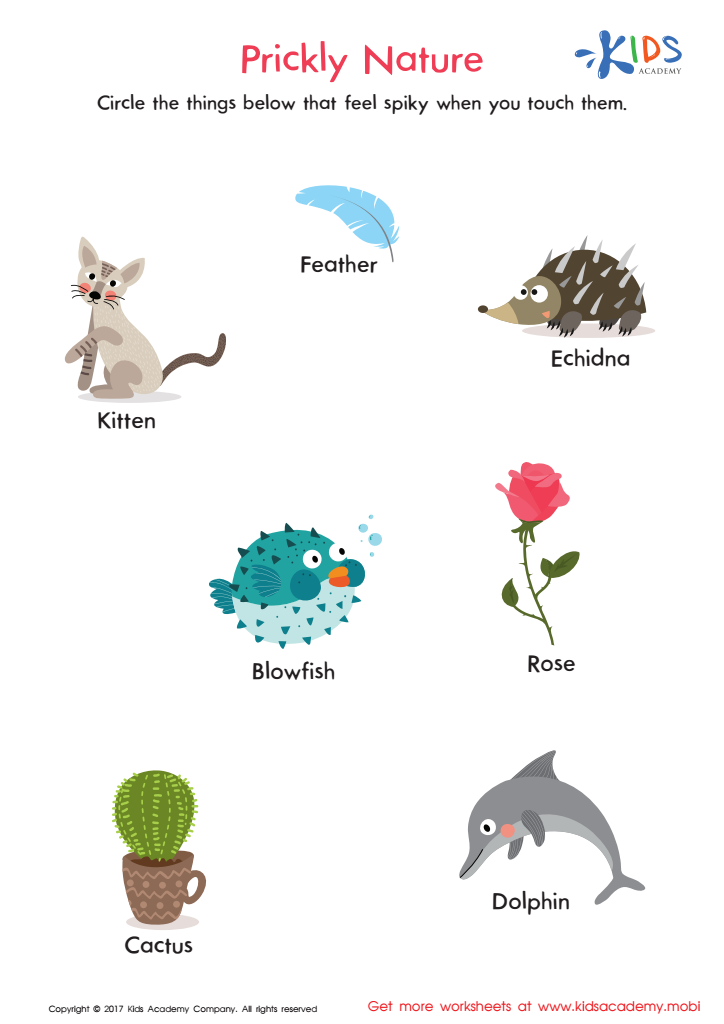
Prickly Nature Worksheet
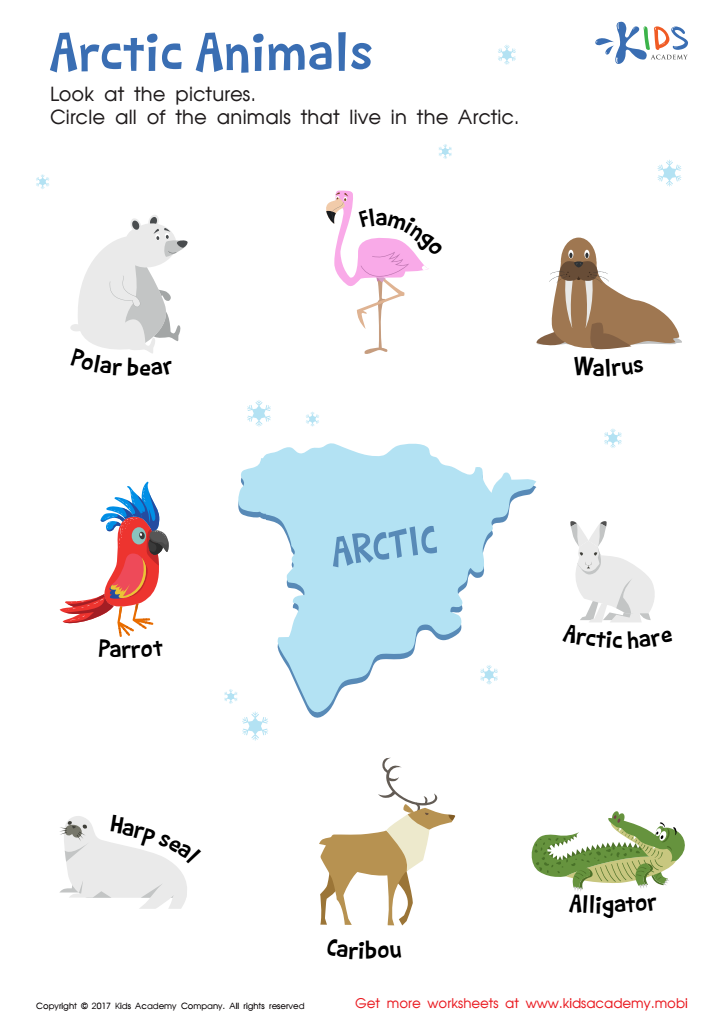
Arctic Animals Worksheet
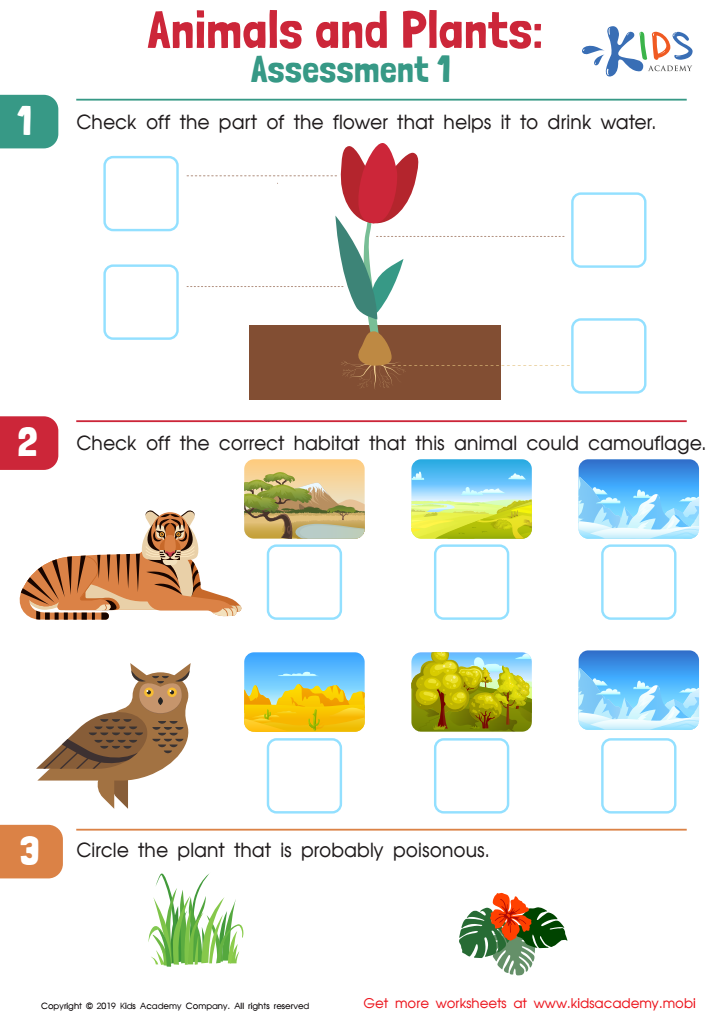
Animals and Plants: Assessment 1 Worksheet








Animal identification is a crucial aspect of understanding the natural world, making it important for parents and teachers to emphasize its significance for children aged 6-8. At this age, children's curiosity about animals is heightened; they are naturally inclined to explore and learn about their surroundings. Teaching them how to identify different animals fosters a sense of connection to nature and encourages observation skills.
Understanding animal identification also enriches scientific literacy. Kids learn to categorize animals based on features like skin type, habitats, and diets. This aids critical thinking as they compare and contrast different species, reinforcing concepts in biology and ecology.
Furthermore, familiarity with animal identification promotes environmental stewardship. When children recognize the diversity of animal life, they become more aware of the importance of conservation and protecting habitats. This can instill lifelong values of respect and responsibility towards animals and their ecosystems.
Games, projects, and field trips focused on identifying animals can enhance classroom engagement, make learning fun, and allow for hands-on experiences. Ultimately, integrating animal identification into education nurtures inquisitive minds while laying the foundation for informed, environmentally conscious adults.







