Enhancing categorization skills Normal Science Worksheets for Ages 6-8
3 filtered results
-
From - To
Enhance categorization skills in young learners aged 6-8 with our engaging, science-themed Normal Worksheets. These printable exercises are specifically designed to boost cognitive development by teaching children how to group objects, recognize patterns, and make logical connections. Utilizing vibrant visuals and relatable scenarios, the worksheets cover exciting topics including animals, plants, and weather phenomena. Perfect for both classroom use and at-home learning, our resources provide a fun and effective way to build a solid foundation in science while promoting critical thinking and problem-solving abilities. Transform learning into an adventure and help your child succeed with our expertly crafted worksheets!
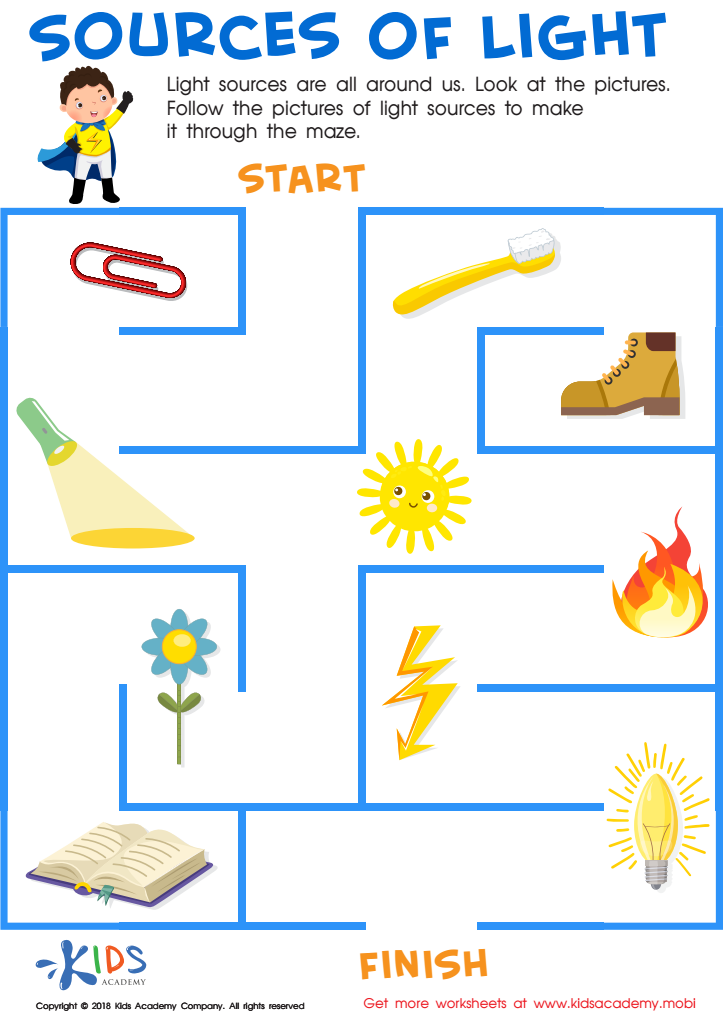
Sources of Light Worksheet
 Assign to My Students
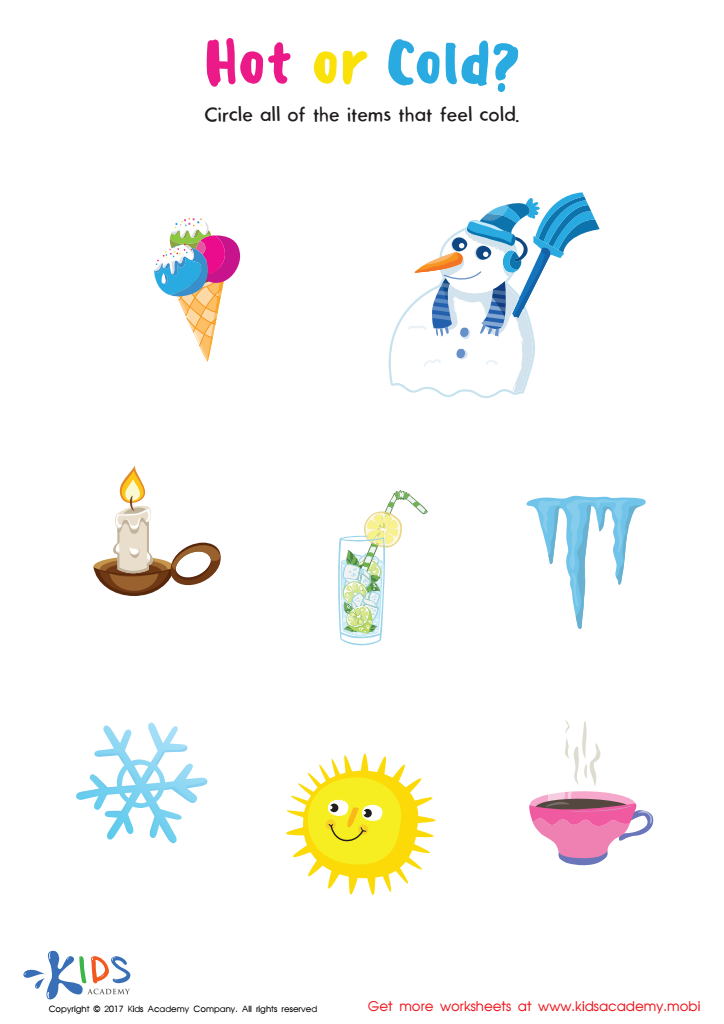
Hot or Cold Printable
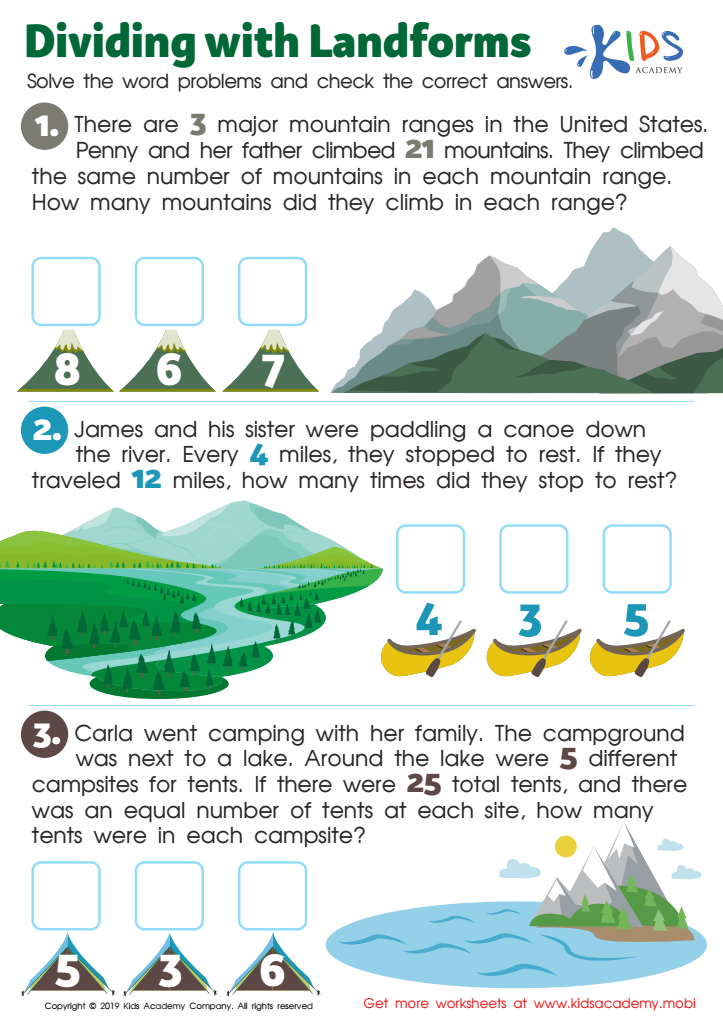
Dividing with Landforms








Enhancing categorization skills in children aged 6-8 is crucial for their cognitive development, serving as the foundation for higher-order thinking skills. At this stage, children transition from simply recognizing objects and ideas to organizing them systematically. This process aligns closely with their developmental phase, where they become more inquisitive and start to make sense of the world in more complex ways.
For parents and teachers, focusing on categorization skills helps boost children's academic performance and readiness for future learning challenges. By practicing categorization, children enhance their memory recall, which is fundamental for subjects like science where organization of information is key. In science, categorizing biological species, different states of matter, or types of weather patterns, makes learning more digestible and relatable.
Moreover, categorization fosters critical thinking and problem-solving skills. It teaches children how to analyze similarities and differences, draw connections, and make informed choices. These skills are transferable across all areas of learning and everyday life.
Furthermore, strong categorization skills boost children's confidence and motivation. When kids can systematically organize and make sense of what they learn, they feel more competent and engaged. Consequently, children become more curious and proactive learners. This engagement not only benefits individual children but also enriches the overall educational environment. Thus, enhancing categorization skills is a vital educational focus that facilitates comprehensive child development.







