Learning about ecosystems Normal Science Worksheets for Ages 6-8
3 filtered results
-
From - To
Explore the fascinating world of ecosystems with our "Learning about Ecosystems Normal Science Worksheets" designed for ages 6-8! These engaging worksheets introduce young learners to essential ecological concepts like habitats, food chains, and the delicate balance of nature. With colorful illustrations and age-appropriate activities, kids will discover how plants, animals, and their environments interact. Each worksheet encourages critical thinking, creativity, and a love for nature, helping to build a solid foundation in science. Perfect for home or classroom use, our resources make learning about ecosystems fun and interactive. Start your child's exploration of the natural world today!
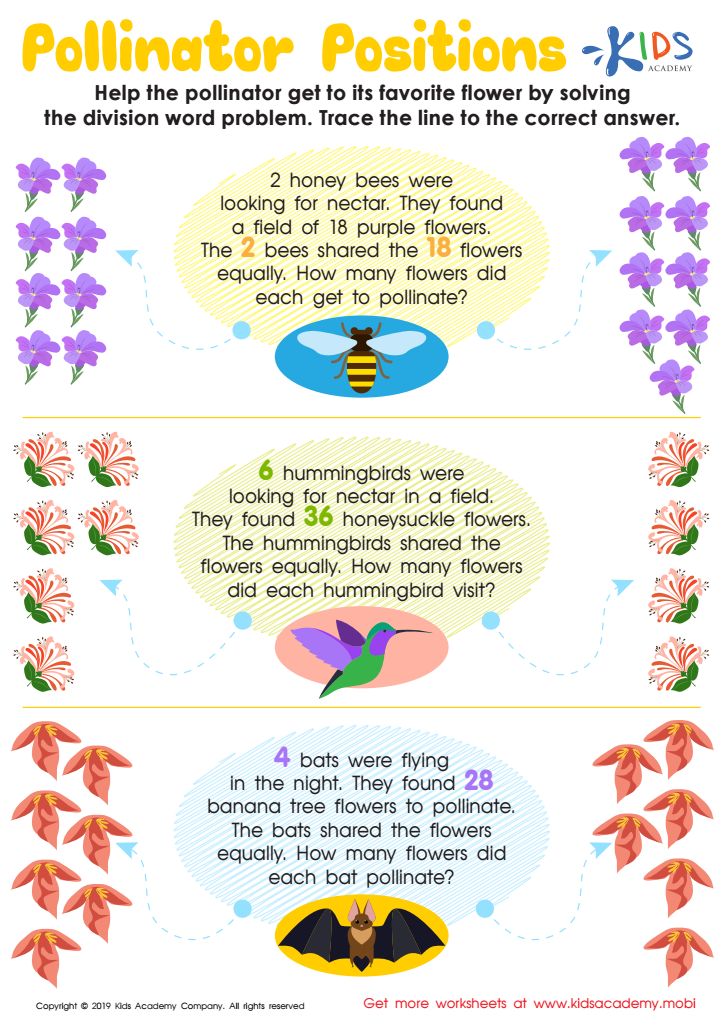
Pollinator Positions Worksheet
 Assign to My Students
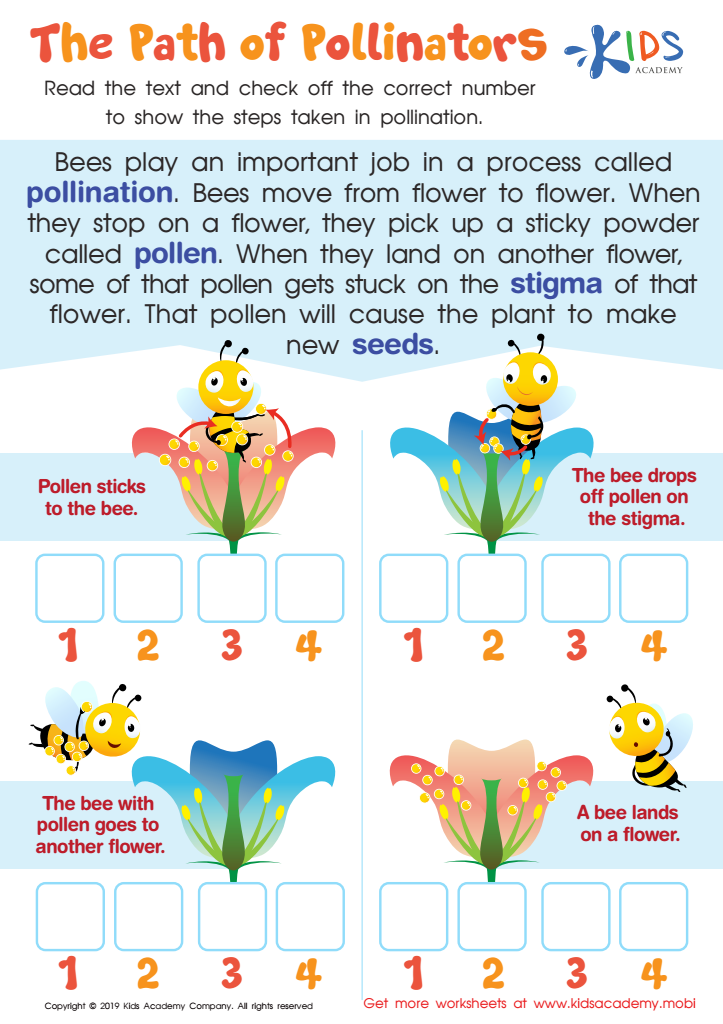
The Path of Pollinators Worksheet
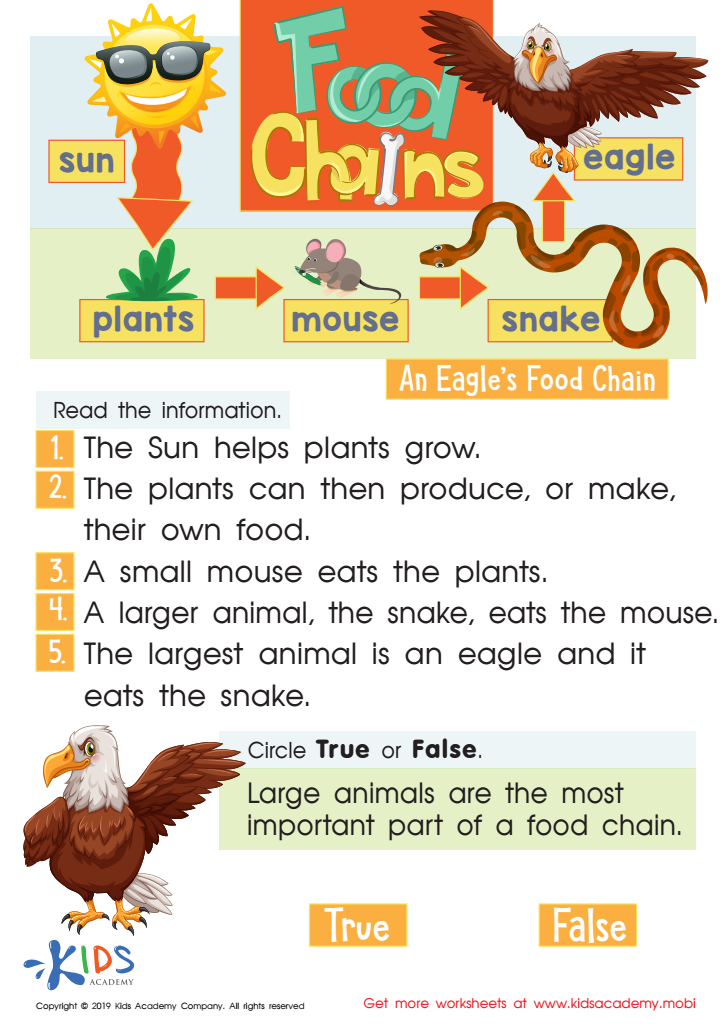
Food Chains Worksheet





Parents and teachers should care about introducing young children, ages 6-8, to ecosystems and “Normal Science” because these concepts lay the groundwork for understanding the natural world and scientific inquiry skills that are essential for the future. Ecosystems are the intricate networks of living organisms and their physical environment, and teaching children about them fosters curiosity and respect for nature.
Engaging children with ecosystems helps develop critical thinking and problem-solving skills, as they learn to observe, ask questions, and make connections between living things and their habitats. This foundational knowledge can inspire a lifelong interest in science and conservation. By integrating Normal Science, which emphasizes systematic observation and experimentation, children begin to grasp how scientists understand and explain natural phenomena.
Moreover, learning about ecosystems instills a sense of responsibility towards the environment and promotes social values such as empathy and teamwork through collaborative projects and discussions. As children explore plant and animal interactions, they cultivate an appreciation for biodiversity, which is vital in an increasingly digitized world. Overall, nurturing these concepts early on is key to developing informed, responsible citizens who will contribute positively to society and the planet.







