Problem-Solving Skills Normal Science Worksheets for Ages 6-8
15 filtered results
-
From - To
Unlock your child's potential with our Problem-Solving Skills worksheets designed for ages 6-8. Our engaging science activities cultivate critical thinking and creativity, helping young learners navigate everyday challenges. These expertly crafted resources encompass various scientific topics, encouraging inquiry and fostering a love for discovery. With an easy-to-follow format, kids can independently explore concepts, experiment, and problem-solve. Ideal for classroom use or at-home enrichment, our worksheets support academic growth and build foundational skills essential for future success. Help your child thrive in science and beyond with Kids Academy’s reliable and fun problem-solving materials.
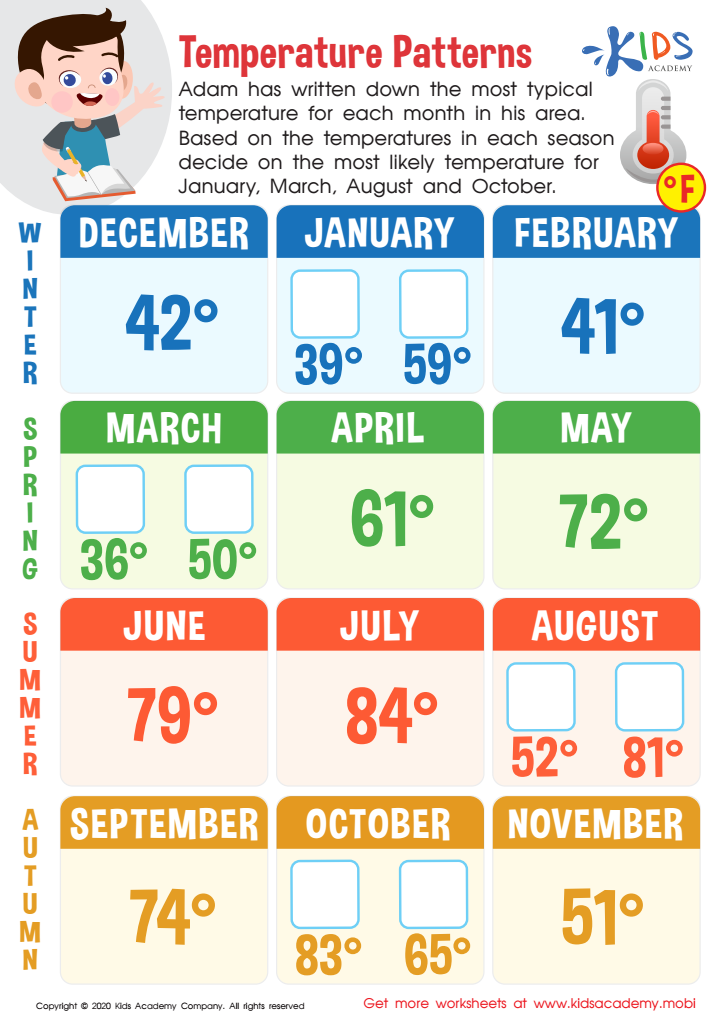
Temperature Patterns Worksheet
 Assign to My Students
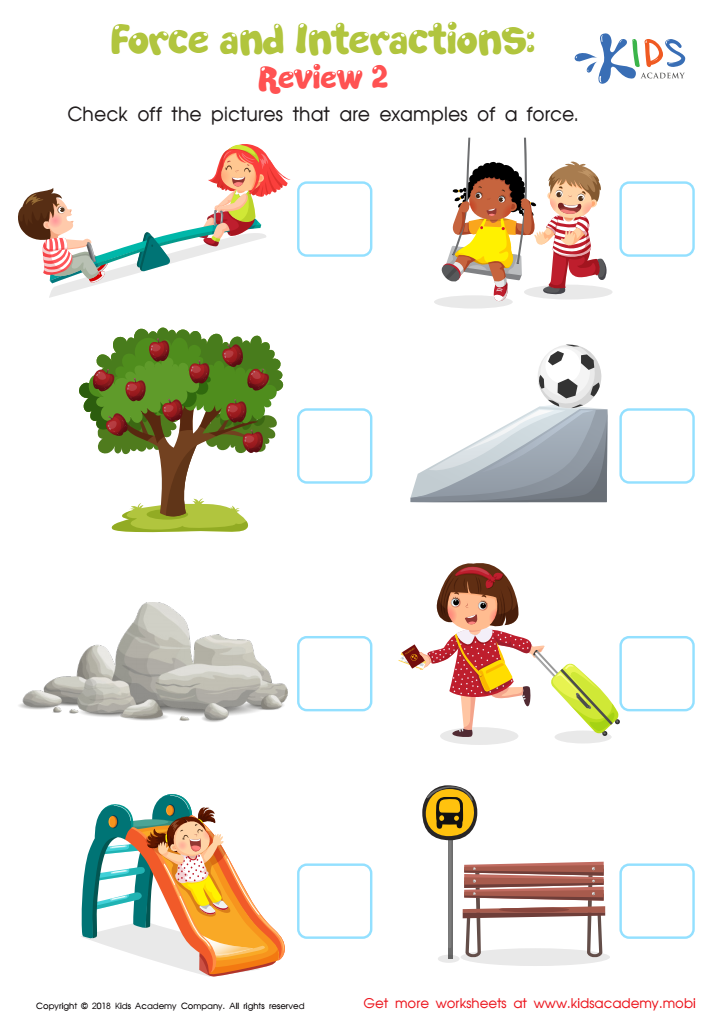
Force and Interactions: Review 2 Worksheet
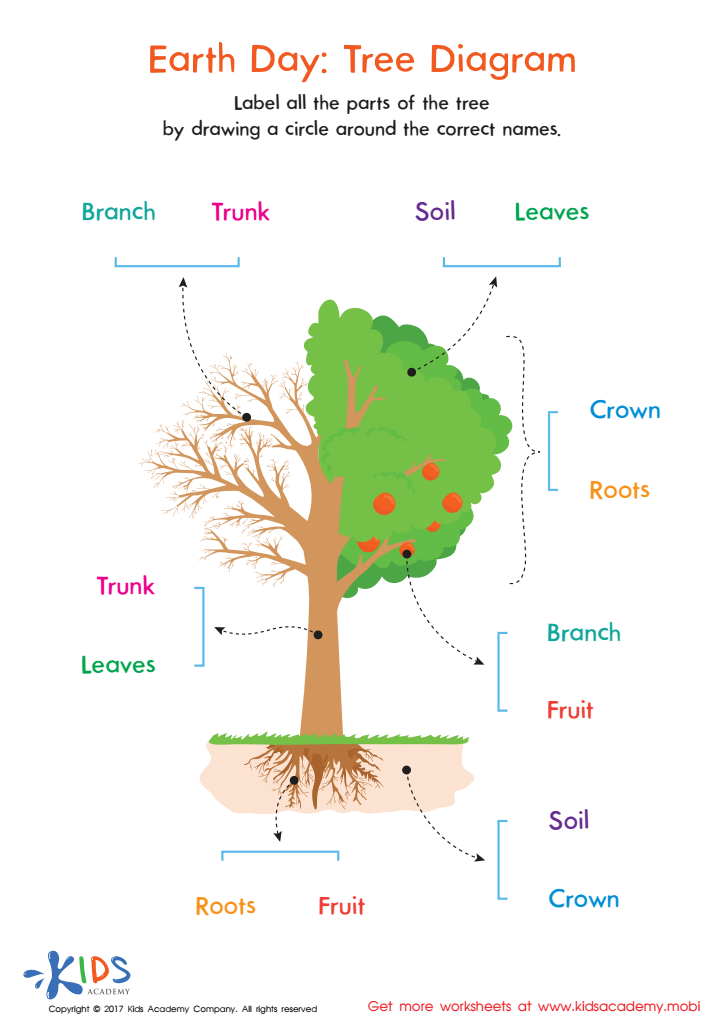
Earth Day: Tree Diagram Worksheet
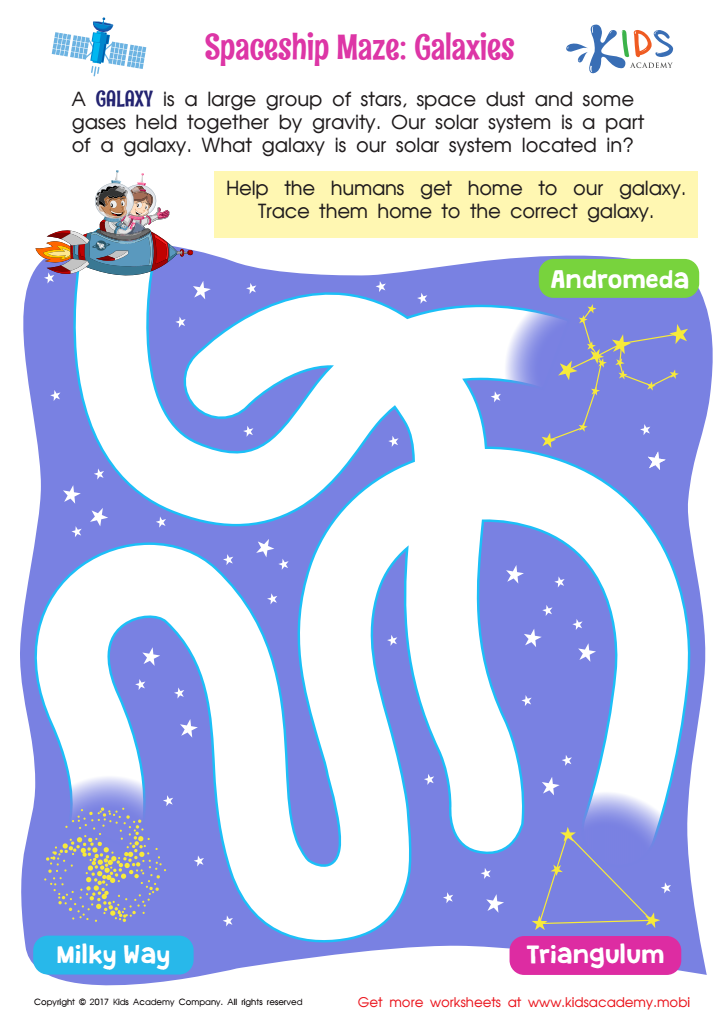
Spaceship Maze: Galaxies Worksheet
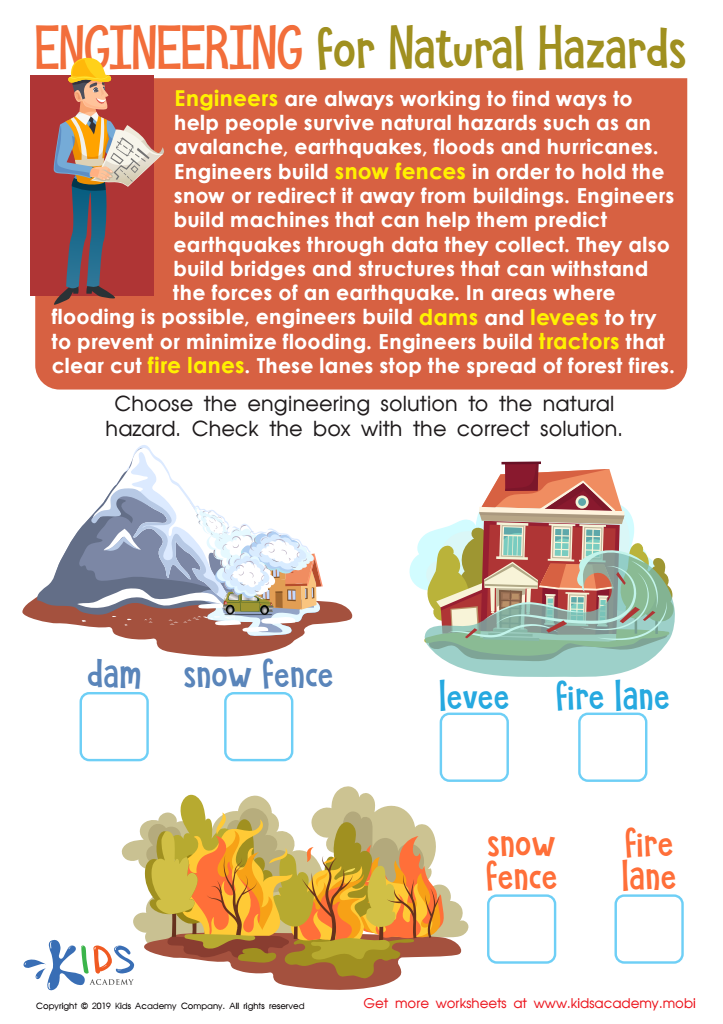
Engineering Natural Hazards Worksheet
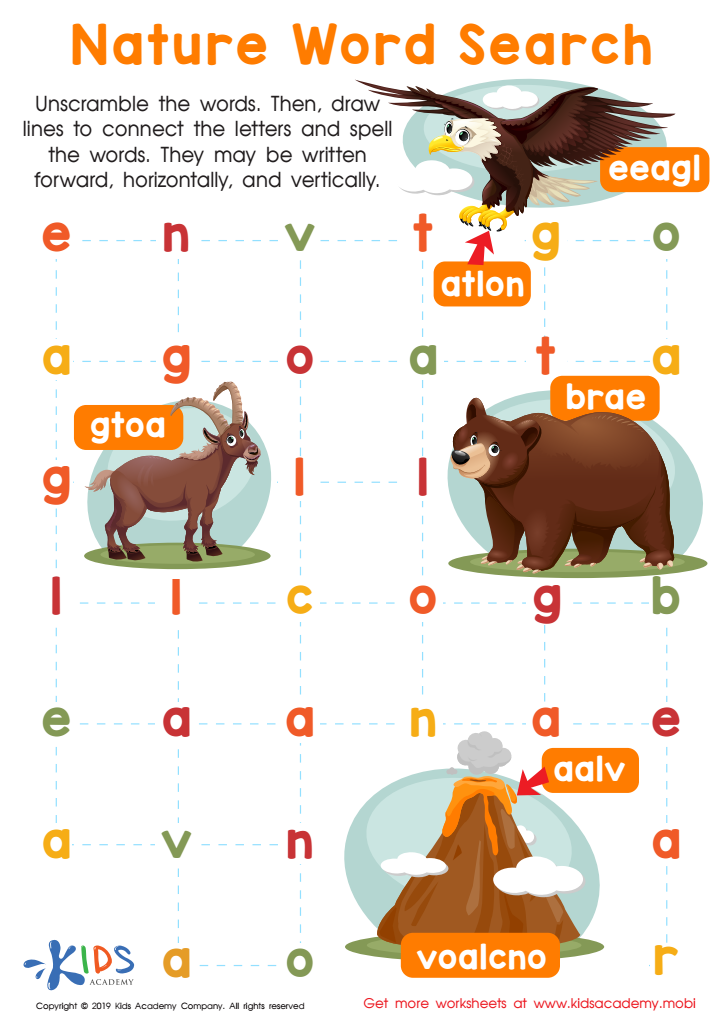
Nature Word Search Worksheet
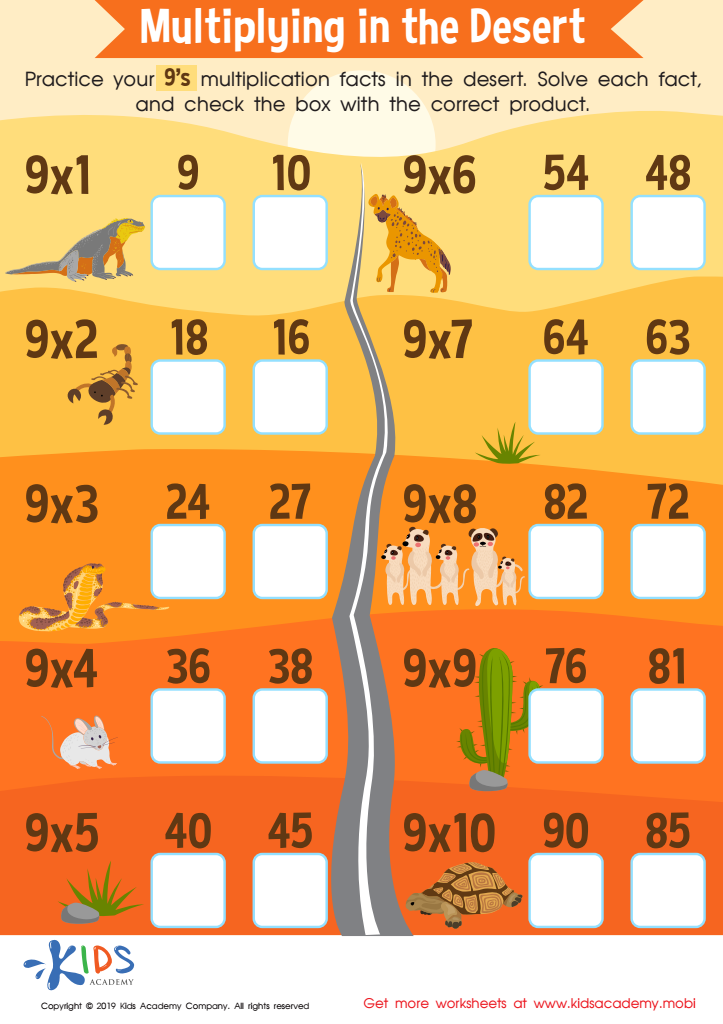
Multiplying in the Desert Worksheet
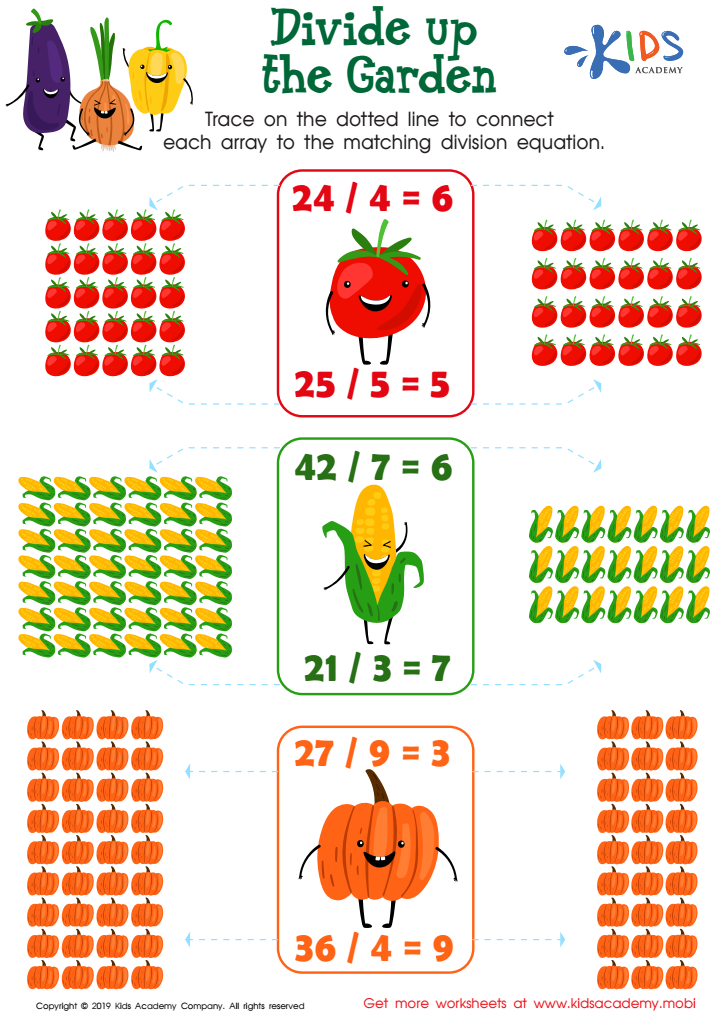
Divide up the Garden Worksheet
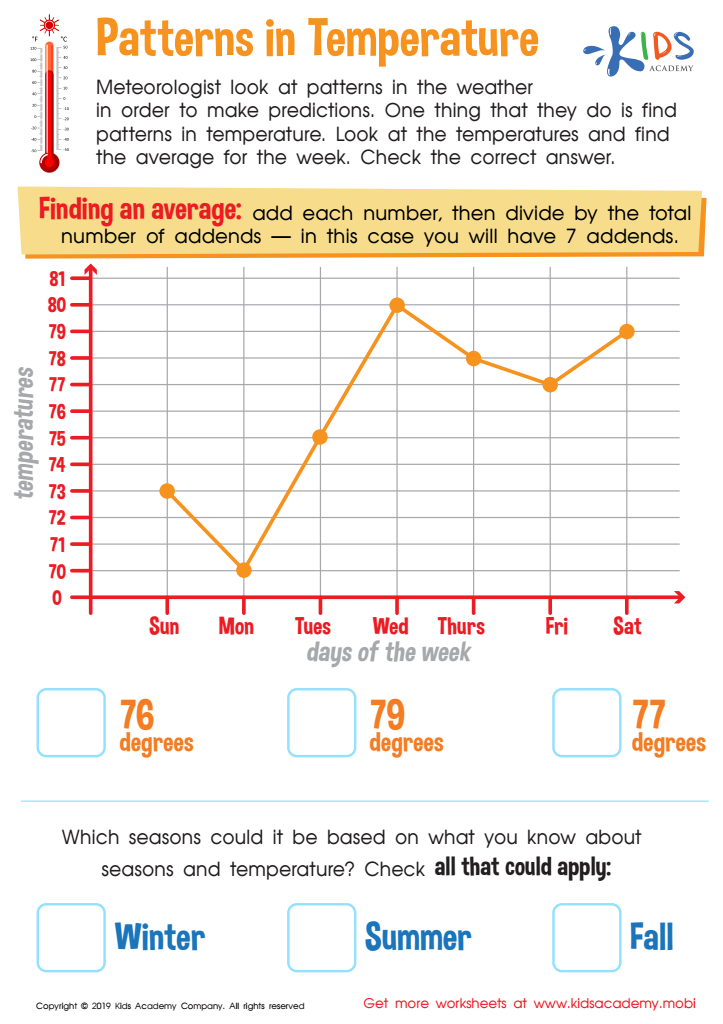
Patterns in Temperature Worksheet
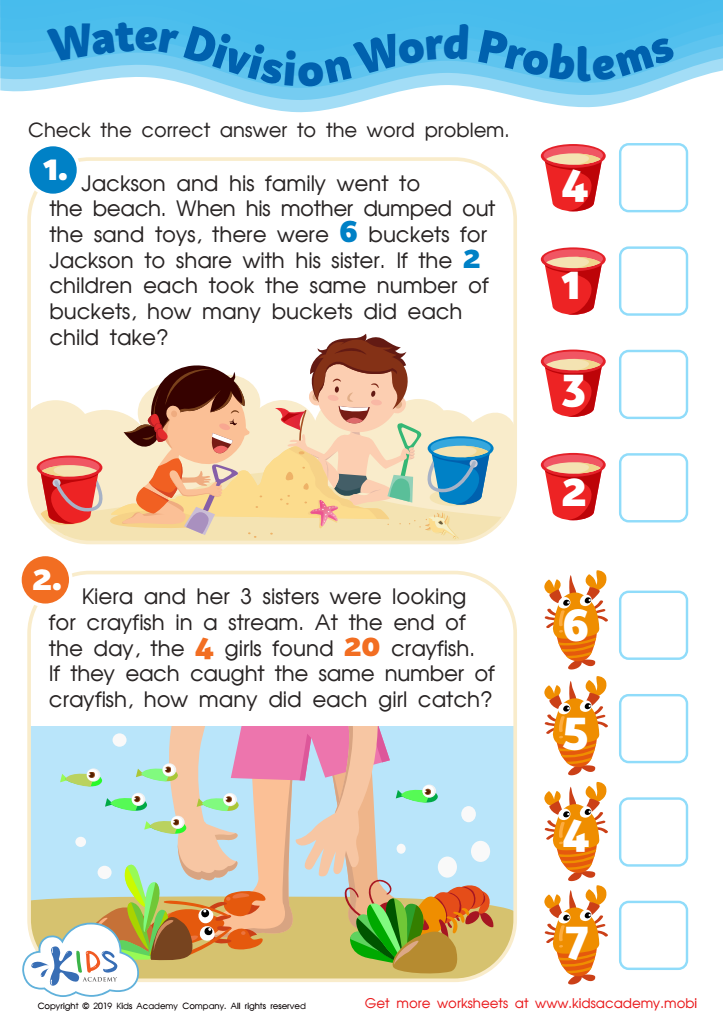
Water Division Word Problems Worksheet
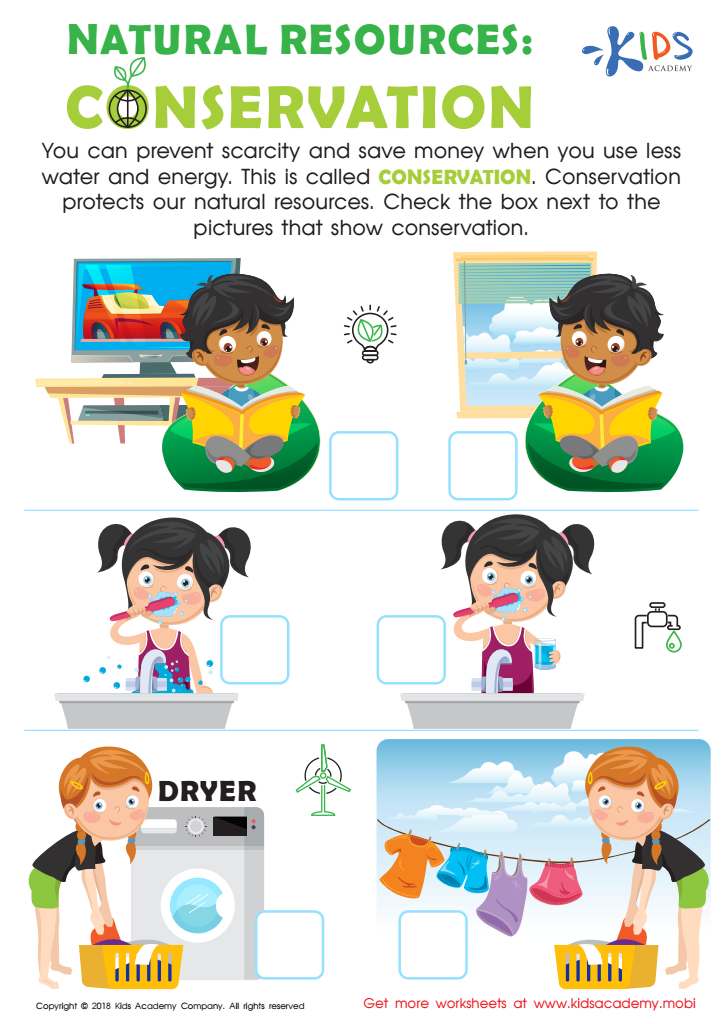
Natural Resources: Conservation Worksheet
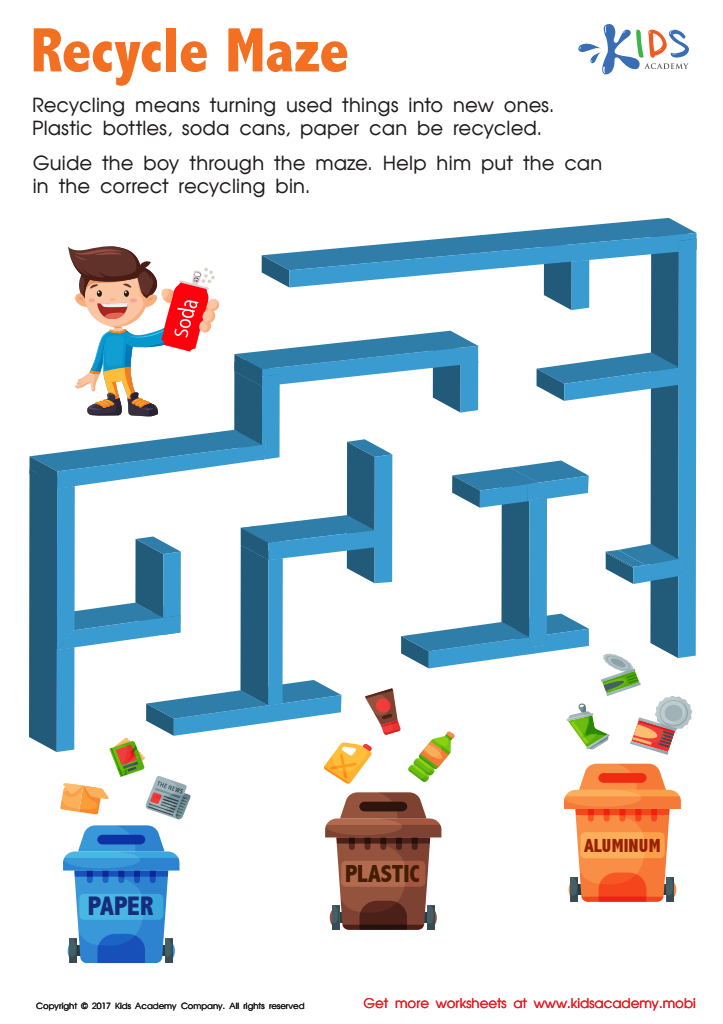
Recycle Maze Worksheet
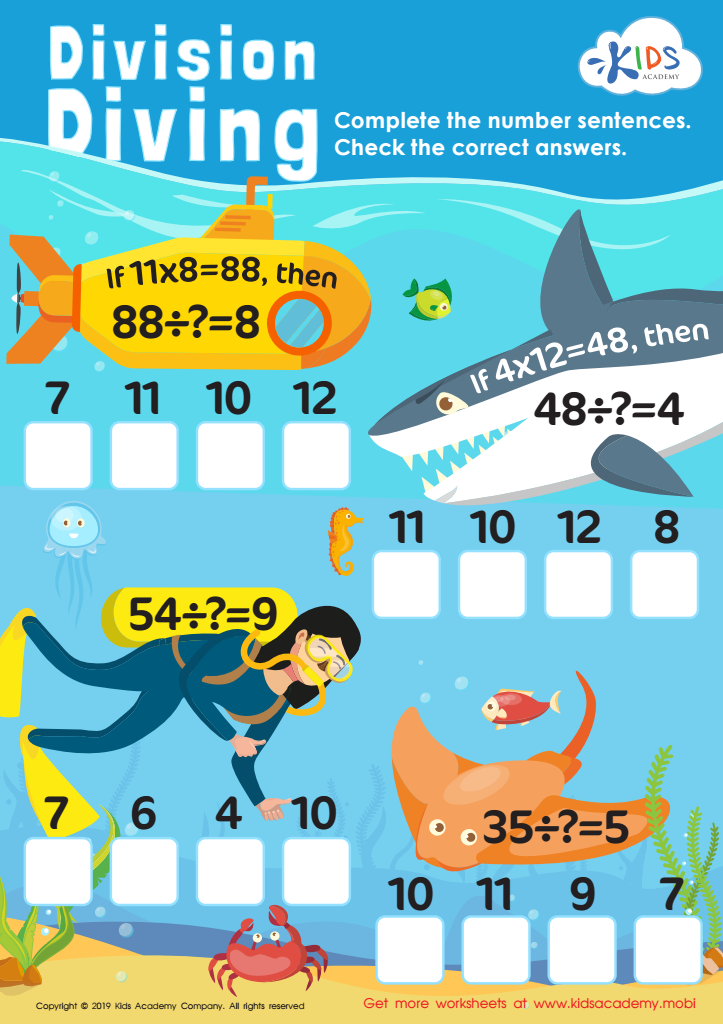
Division Diving Worksheet
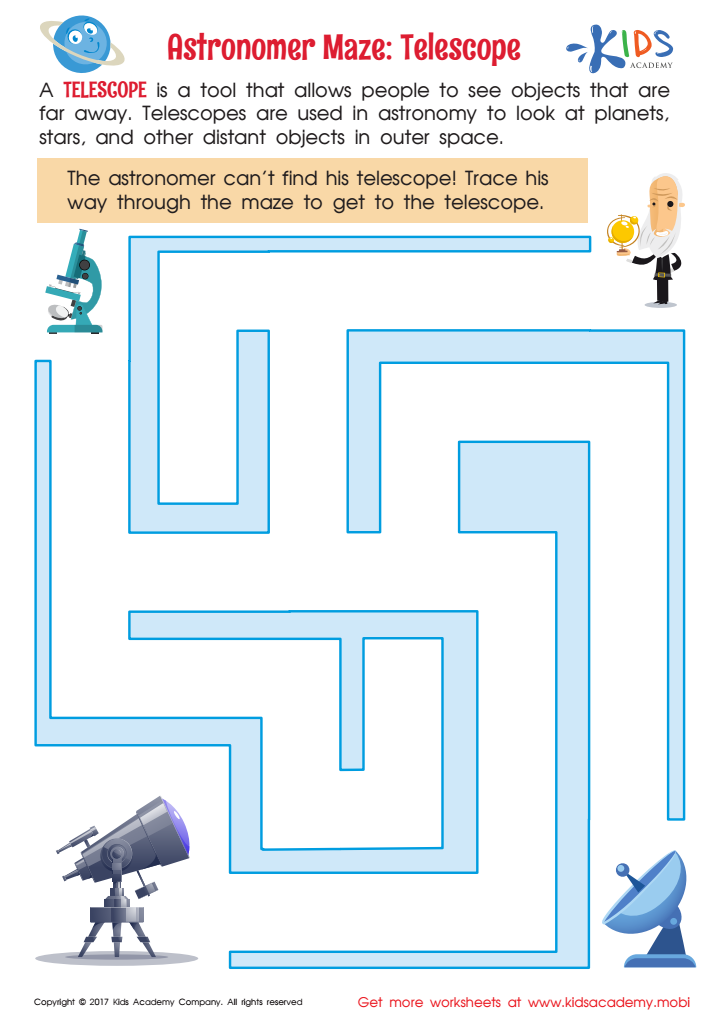
Astronomer Maze: Telescope Worksheet
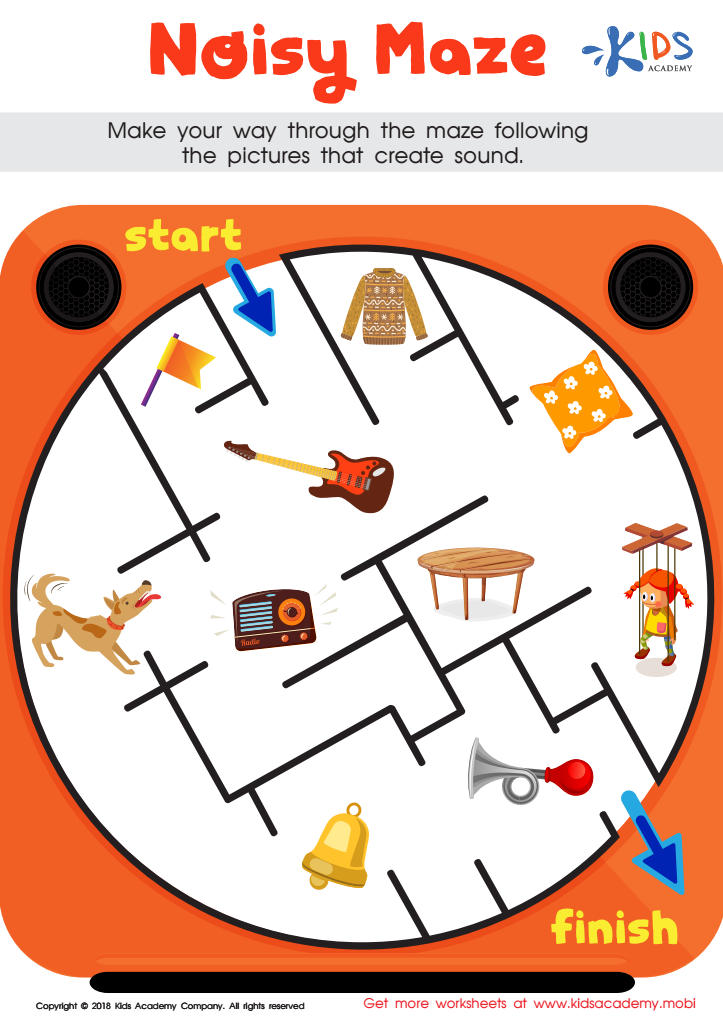
Noisy Maze Worksheet





Parents and teachers should place significant value on developing problem-solving skills in children aged 6-8, especially within the context of normal science education, as it lays an essential foundation for cognitive and emotional growth. At this formative age, kids are naturally curious and begin to understand complex concepts like cause and effect, sequencing, and logical thinking. When children engage in problem-solving tasks related to everyday scientific phenomena—like understanding why plants need sunlight or predicting if different objects will float or sink—they cultivate critical thinking skills that are transferable beyond the classroom.
This early engagement also fosters a growth mindset. Trial and error in science teach kids resilience, patience, and the understanding that making mistakes is a part of the learning process. Furthermore, collaborative problem-solving exercises enhance communication and teamwork skills, essential for holistic social development.
Developing these skills at an early age not only boosts academic success but also prepares children to face real-world problems effectively. Future challenges, both personal and professional, will require innovative solutions and multidisciplinary thinking, qualities nurtured through early and consistent practice of problem-solving in science. Therefore, investing time and resources in developing these skills can significantly shape a child’s future learning trajectory and equip them with tools for lifelong success.







