Understanding habitats Normal Science Worksheets for Ages 6-8
4 filtered results
-
From - To
Explore the fascinating world of habitats with our "Understanding Habitats" Normal Science Worksheets designed specifically for ages 6-8! These engaging, age-appropriate activities encourage young learners to discover the diverse environments where plants and animals thrive. Through colorful illustrations and interactive questions, children will learn about various ecosystems, their inhabitants, and the importance of biodiversity. Our worksheets promote critical thinking while tying into academic standards, making learning fun and effective. Perfect for both classroom settings and at-home reinforcement, these resources provide parents and teachers with the tools needed to inspire curiosity and an appreciation for nature in young minds. Start exploring today!
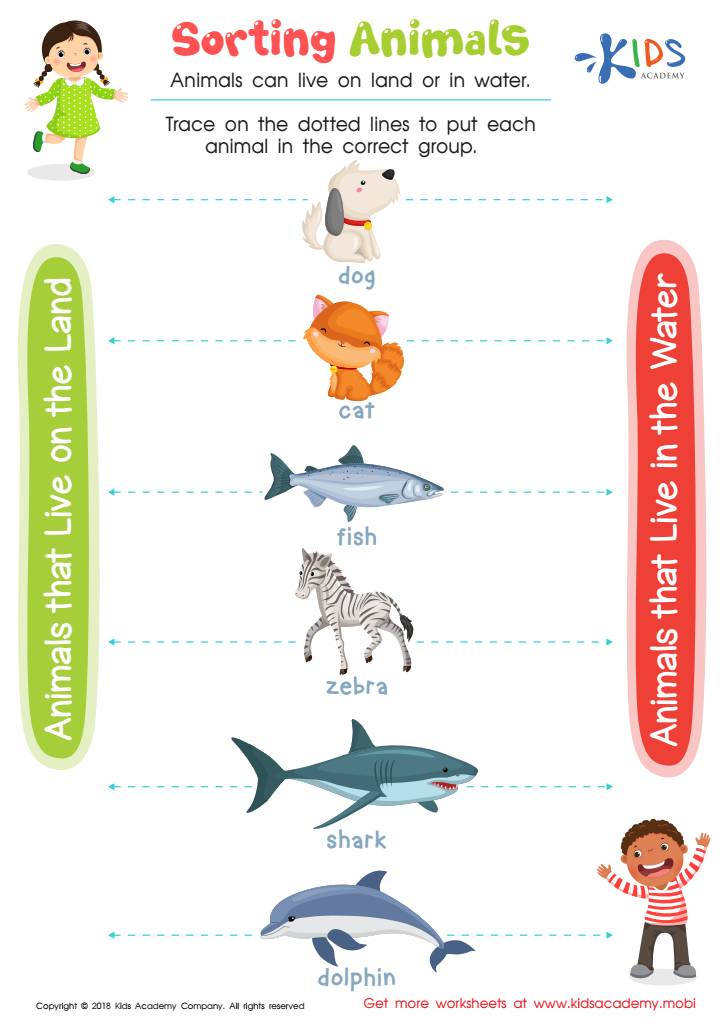
Sorting Animals Worksheet
 Assign to My Students
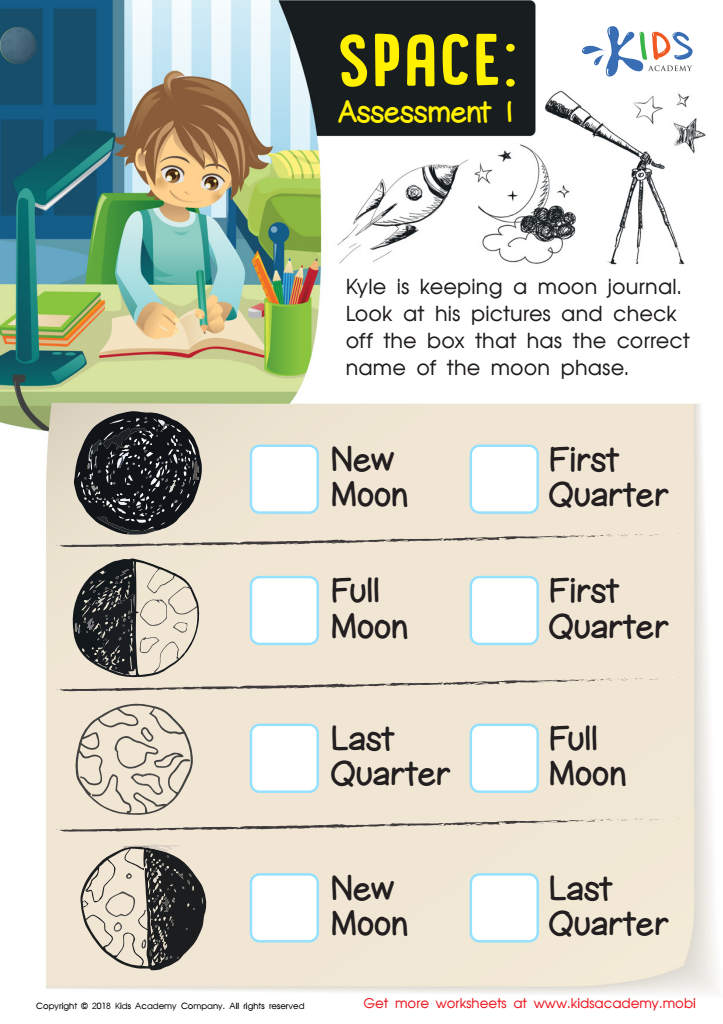
Space: Assessment 1 Worksheet
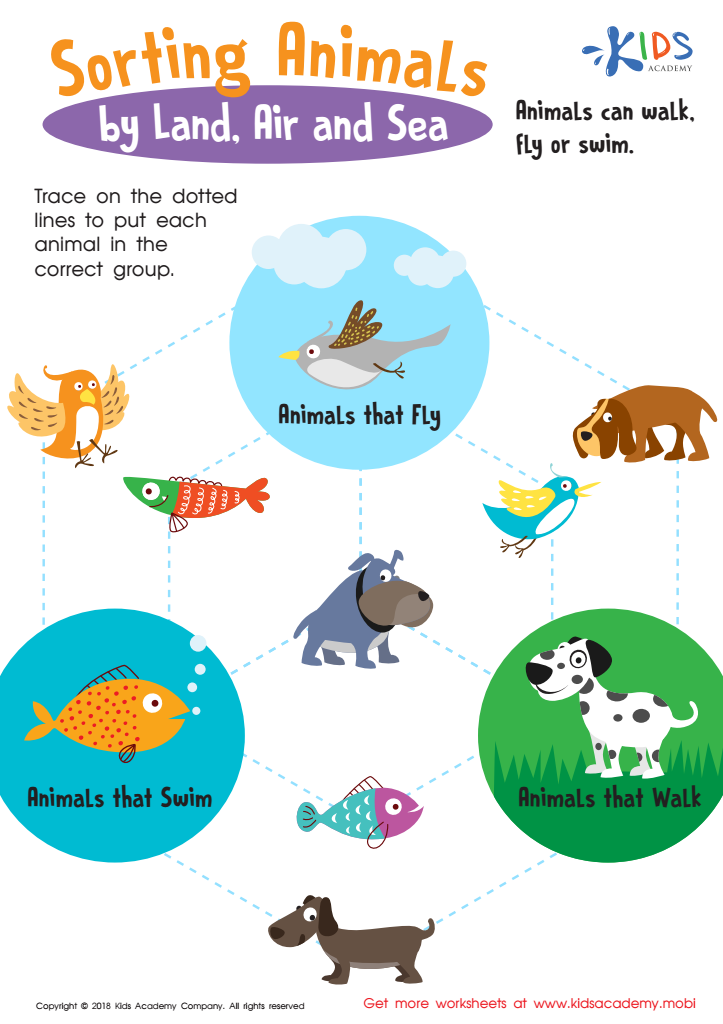
Sorting Animals by Land, Air and Sea Worksheet
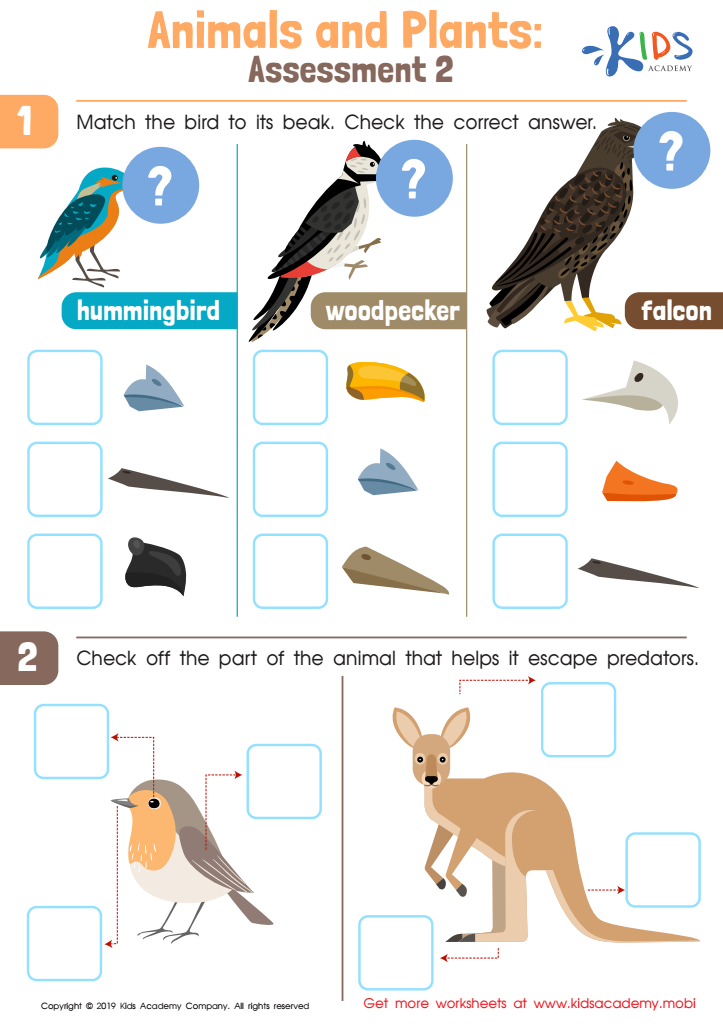
Animals and Plants: Assessment 2 Worksheet








Understanding habitats is essential for children aged 6-8 as it cultivates a foundational knowledge of biology and environmental science. Teaching about habitats introduces young learners to the key components of ecosystems, including the variety of plants and animals that thrive in different environments. This knowledge fosters curiosity and encourages critical thinking skills, enabling children to explore life sciences in an engaging way.
For parents and teachers, cultivating an early appreciation for habitats is important as it nurtures a sense of responsibility for the environment. By understanding how different species interact with their surroundings, children learn the significance of biodiversity and conservation.
Moreover, activities focused on habitats can promote teamwork and collaborative learning, essential social skills for children as they grow. Encouraging observation, questioning, and hands-on exploration helps develop not only scientific literacy but also a lifelong love of learning.
Ultimately, by prioritizing habitats in early education, parents and teachers equip children with the tools to understand and appreciate the interconnectedness of life on Earth, fostering responsible stewards of the planet from a young age. This early engagement can set the stage for future environmental advocacy and impactful decision-making in their lives.







