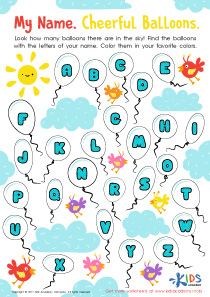
Handwriting practice Normal ABC Order Worksheets for Ages 6-9
4 filtered results
-
From - To
Enhance your child's handwriting skills with our engaging Normal ABC Order Worksheets, tailored specifically for ages 6-9. These worksheets offer a fun and interactive approach to learning the alphabet while improving fine motor skills. Each sheet includes a variety of exercises, encouraging children to practice writing both uppercase and lowercase letters in proper order. Designed to support early literacy development, our resources foster confidence and creativity in young learners. Perfect for home or classroom use, these handwriting practice worksheets will keep your child motivated and excited about learning their ABCs. Boost their writing abilities today with our easy-to-use printable materials!
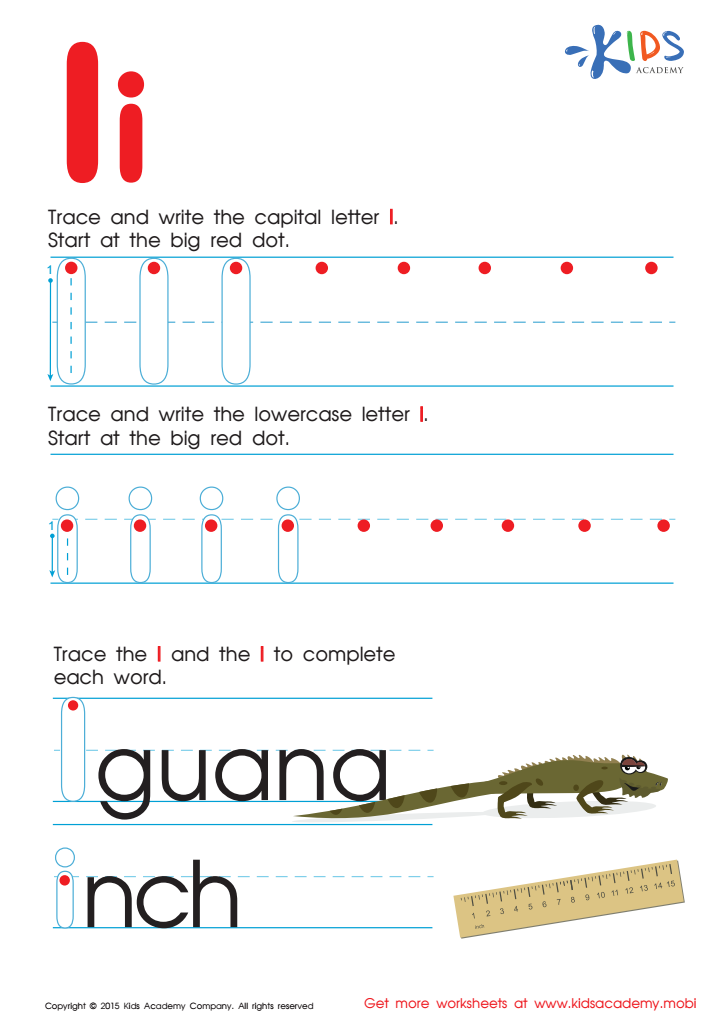
Letter I Tracing Page
 Assign to My Students









Letter C Tracing Page
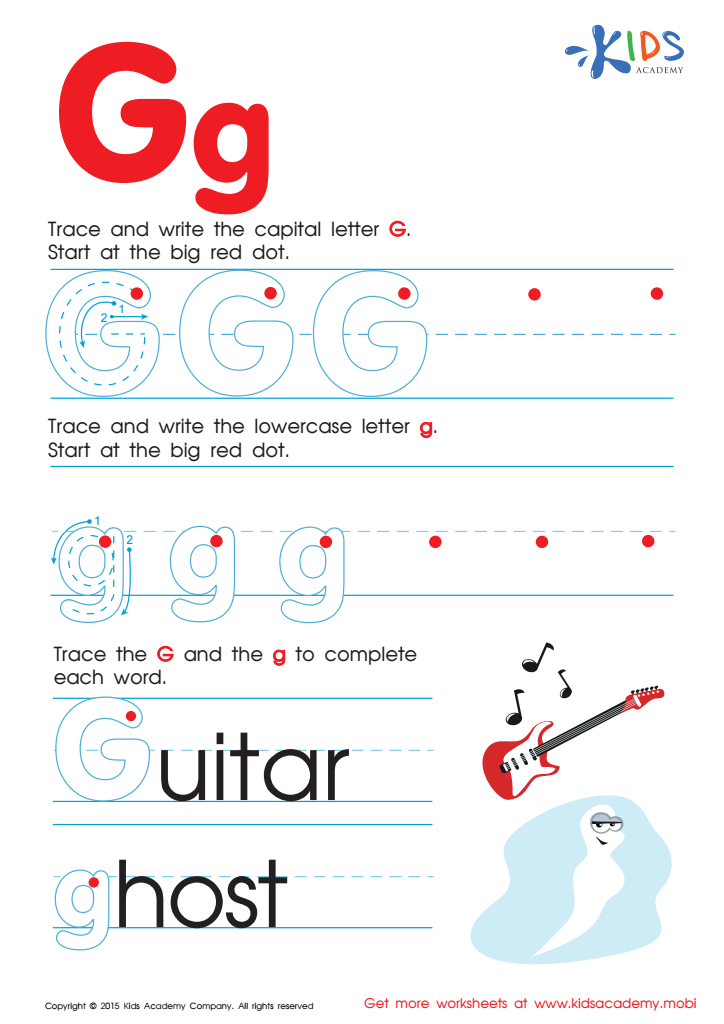
Letter G Tracing Page
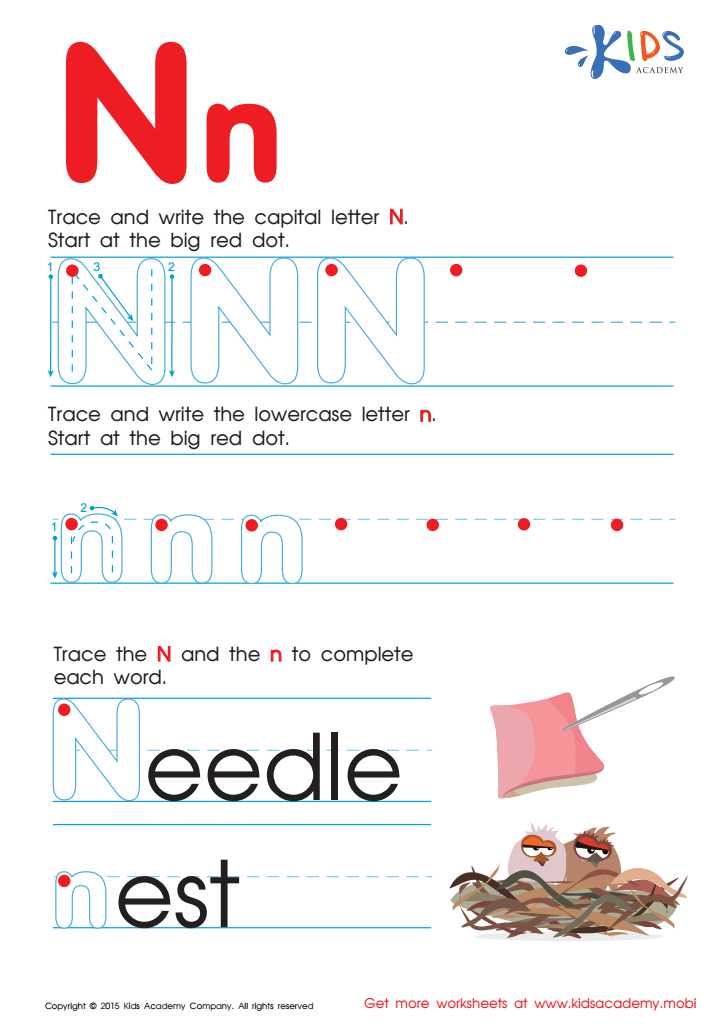
Letter N Tracing Page







Handwriting practice in normal ABC order is crucial for children aged 6-9, as it supports their cognitive, motor, and literacy development. At this stage, children are mastering basic language skills, and handwriting serves as a bridge between their thoughts and written expression. Engaging with letters in order reinforces their understanding of the alphabet, enhances their phonemic awareness, and aids in recognizing the correlation between letters and sounds.
Furthermore, developing fine motor skills through handwriting tasks is vital for young learners. The physical act of writing strengthens hand-eye coordination, dexterity, and grip, all of which are essential for their overall coordination and control. Regular practice builds muscle memory, leading to improved clarity and speed in writing.
Additionally, neat and organized handwriting fosters a sense of pride and accomplishment in children. This confidence can enhance their willingness to engage in literacy activities and contribute actively in classroom settings. Ultimately, consistent handwriting practice in ABC order lays the groundwork for effective communication skills, setting students up for academic success as they progress through their educational journey. Both parents and teachers should prioritize this practice, as it significantly impacts a child’s overall development and self-esteem.