Alphabet Recognition Normal Alphabet Worksheets for Ages 6-9 - Page 2
41 filtered results
-
From - To
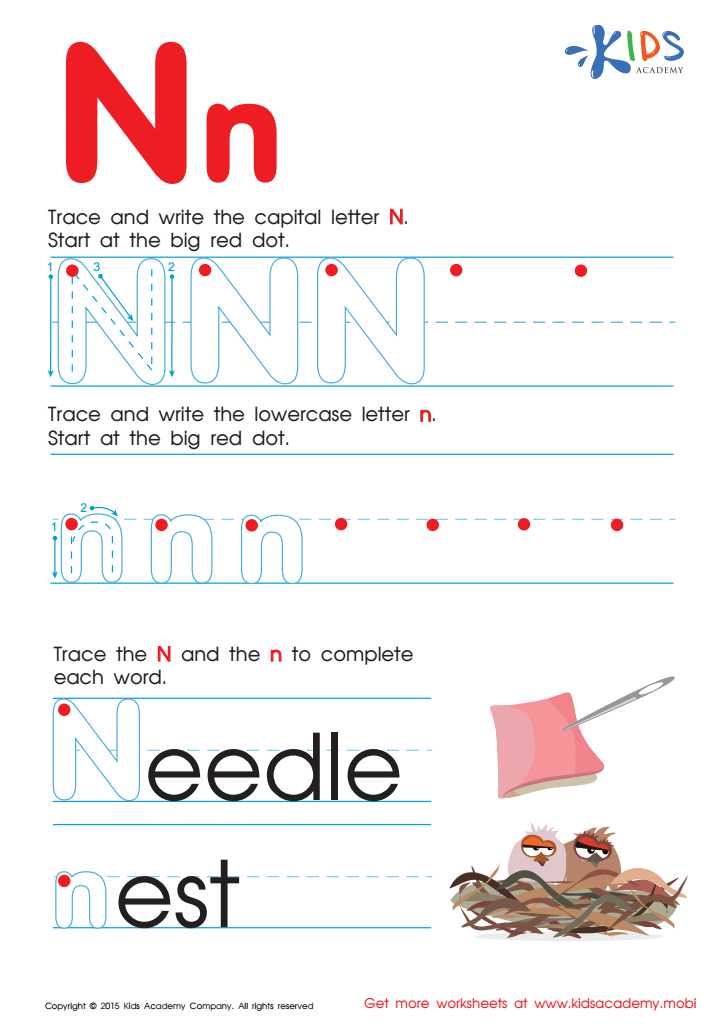
Letter N Tracing Page
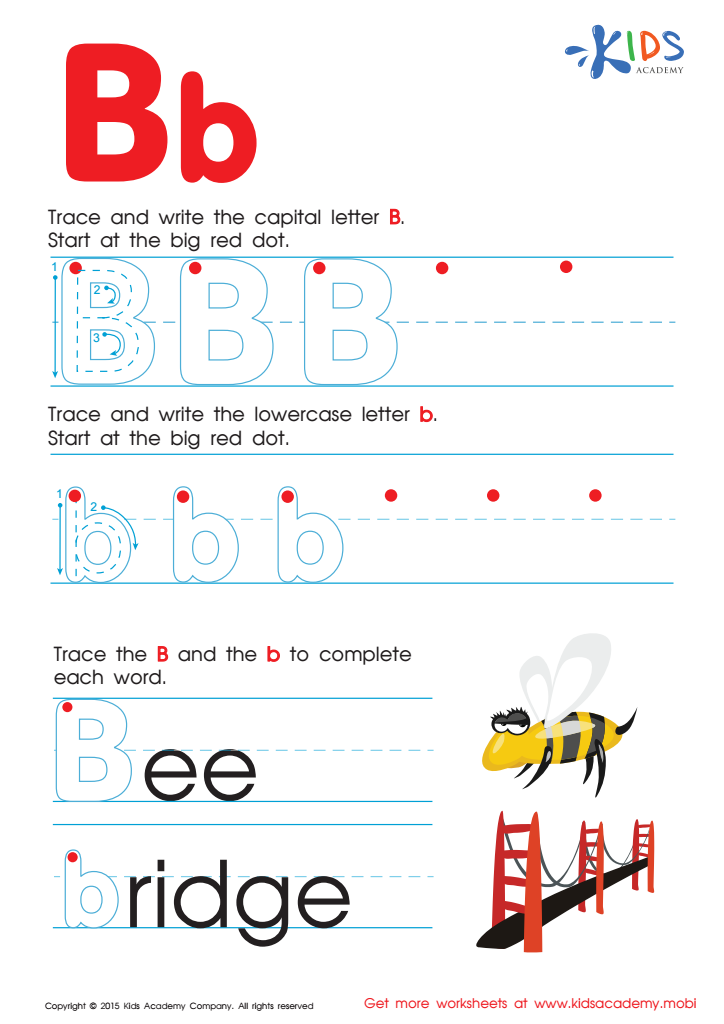
Letter B Tracing Page
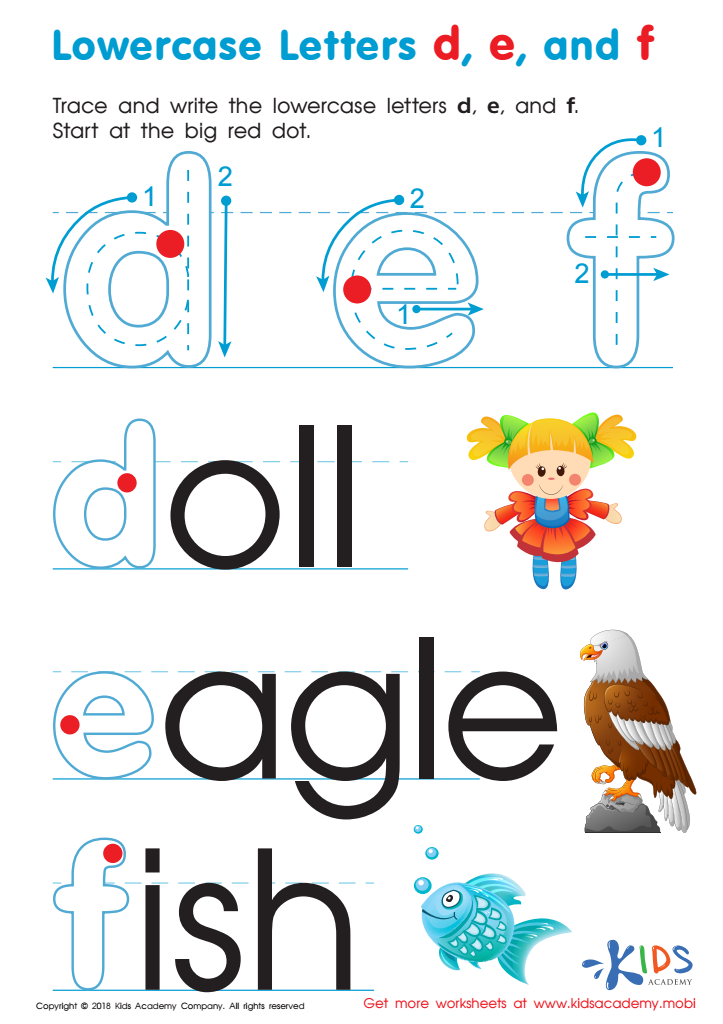
Lowercase Letters d e f Worksheet
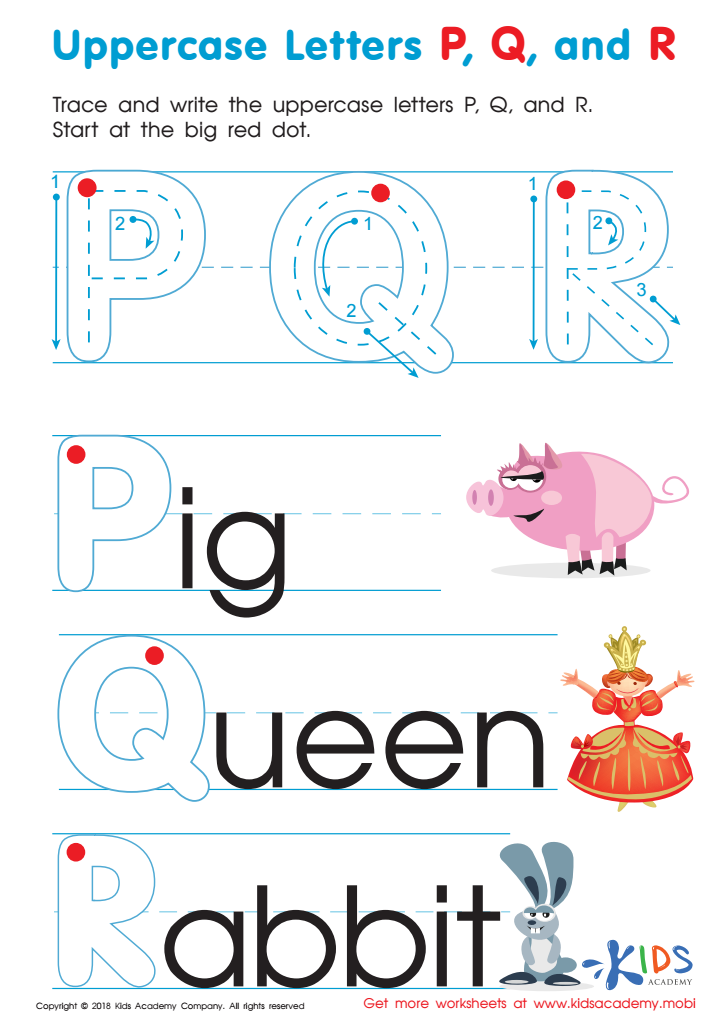
Uppercase Letters P, Q, and R Worksheet
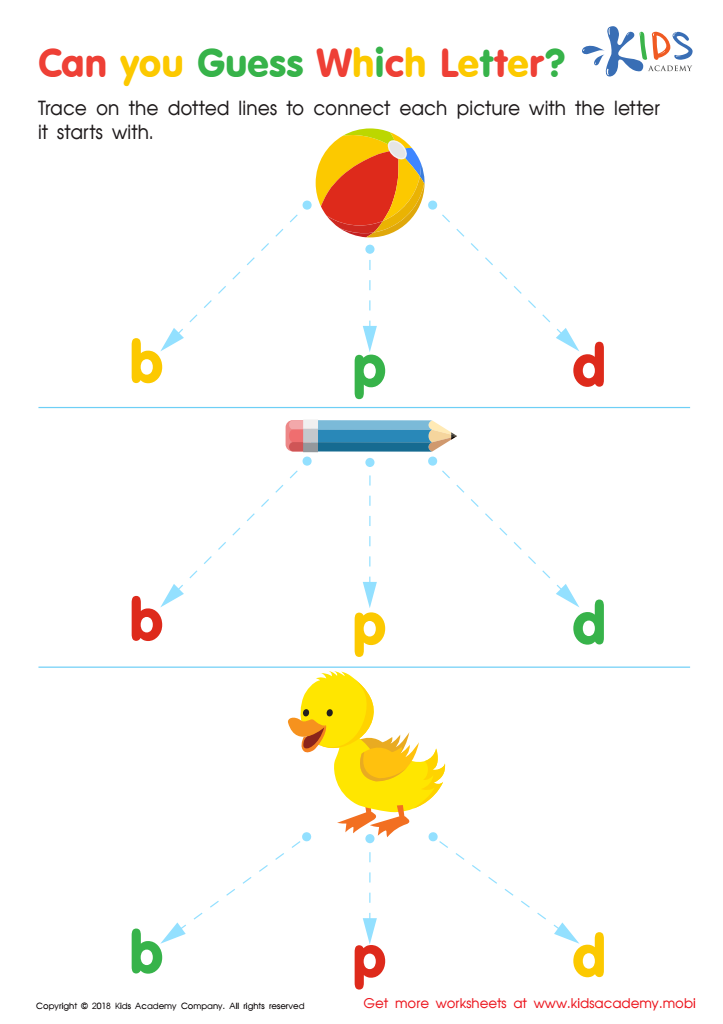
Can you Guess Which Letter? Worksheet
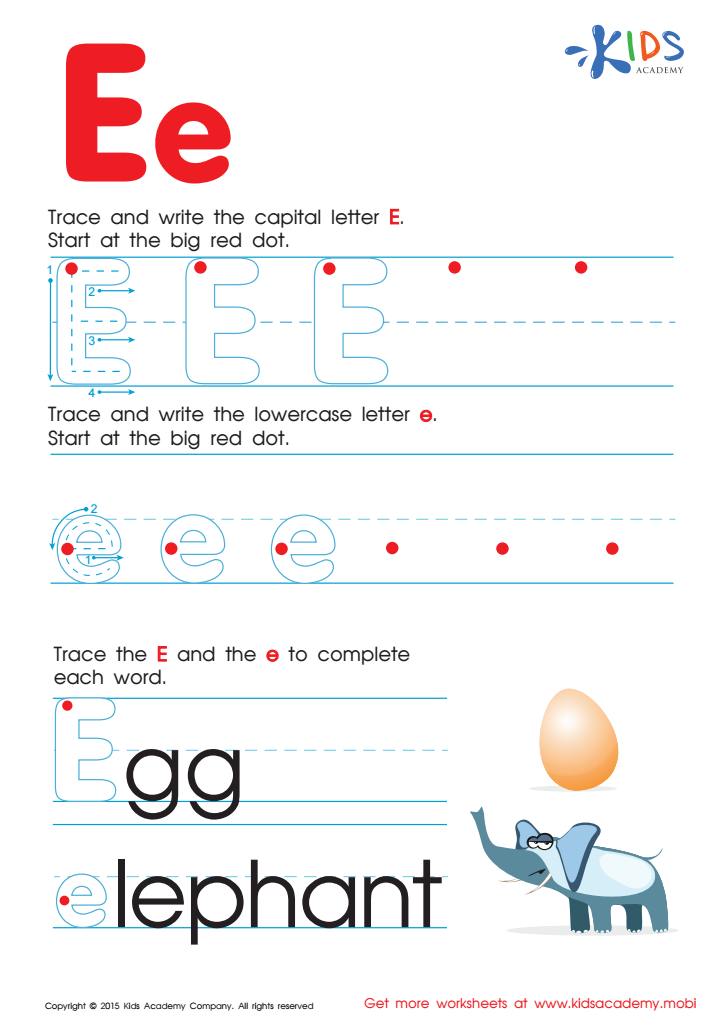
Letter E Tracing Page
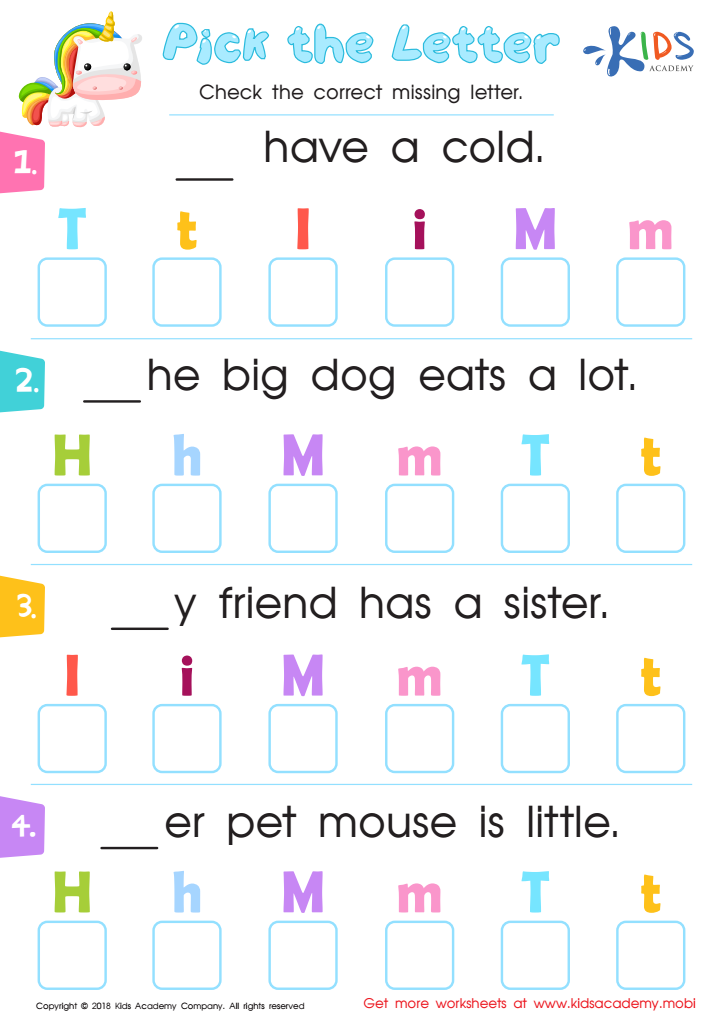
Pick the Letter Worksheet
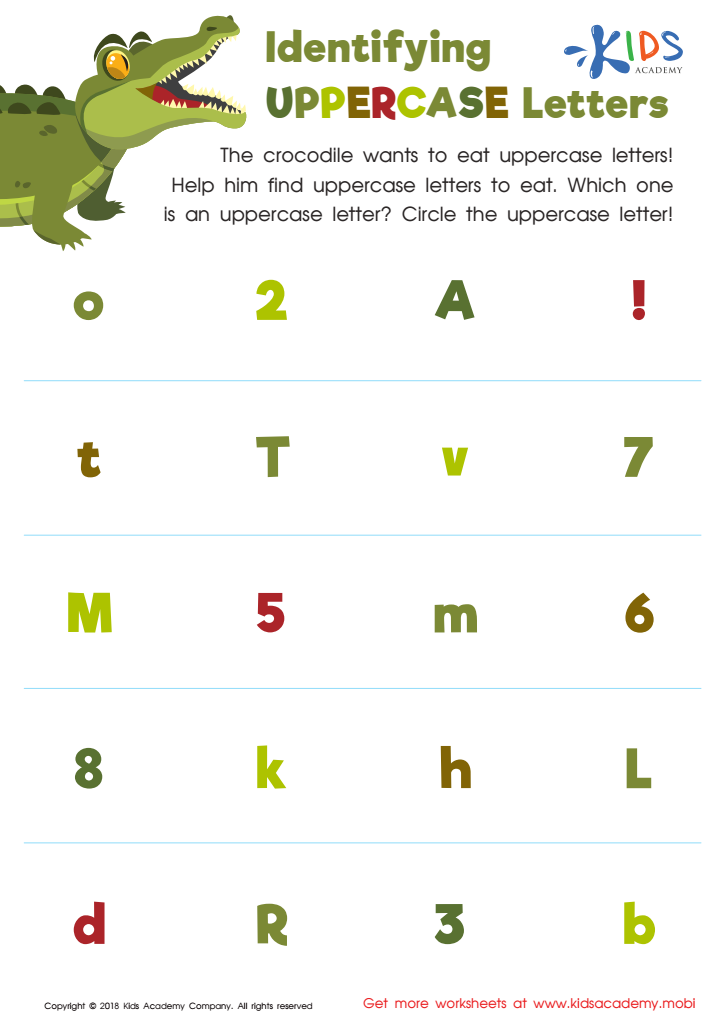
Identifying Uppercase Letters Worksheet
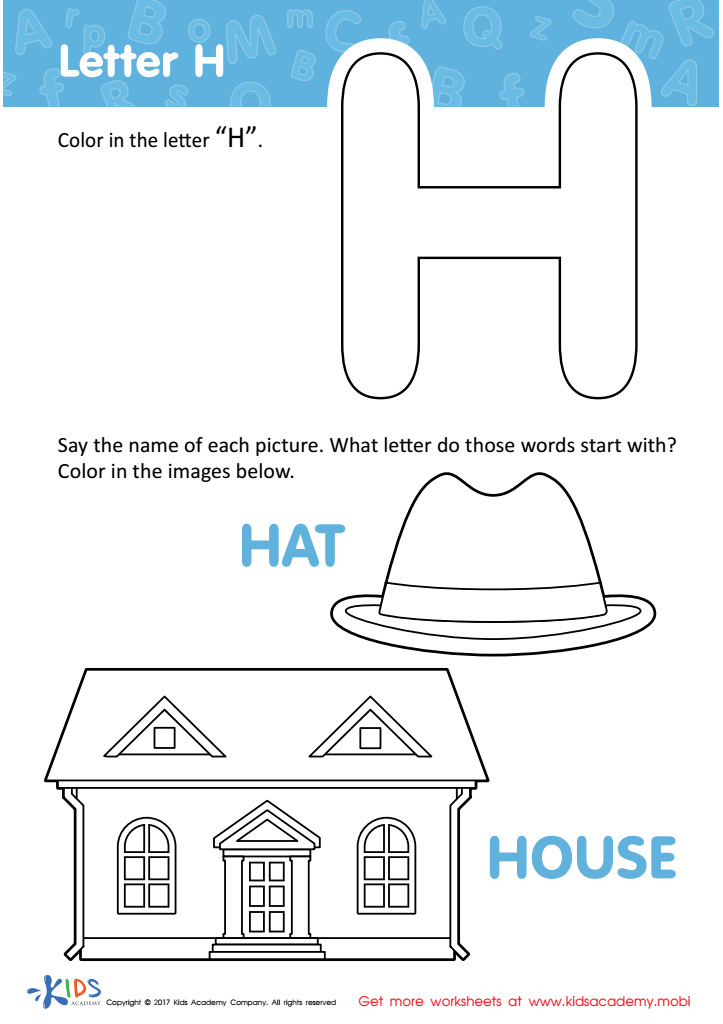
Letter H Coloring Sheet
 Assign to My Students
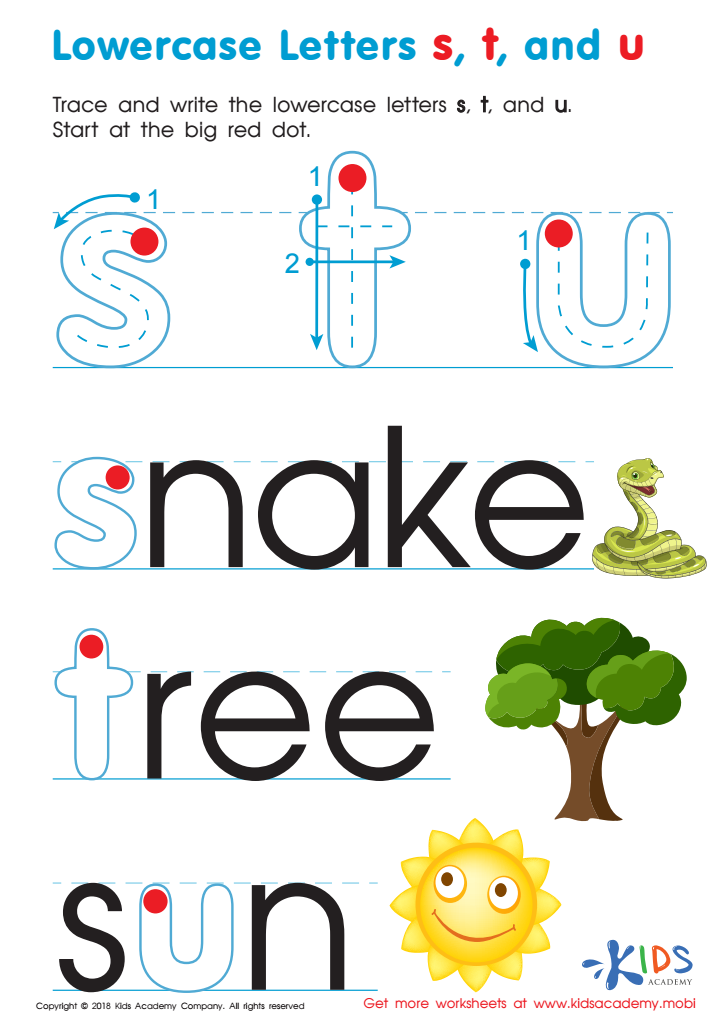
Lowercase Letters s t u Worksheet
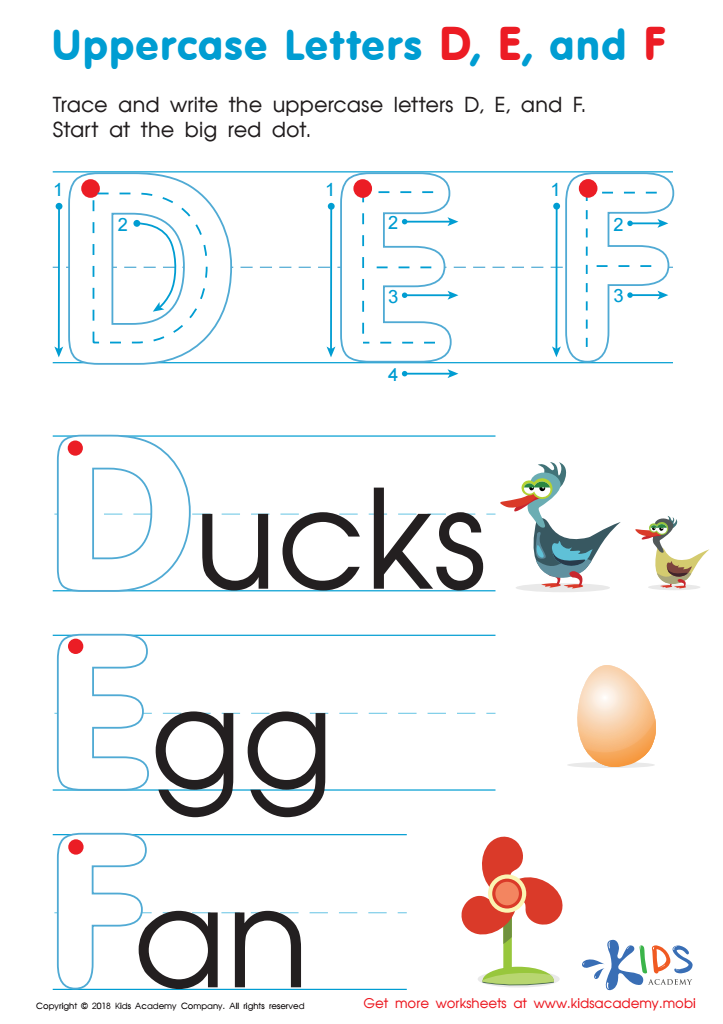
Uppercase Letters D, E, and F Worksheet
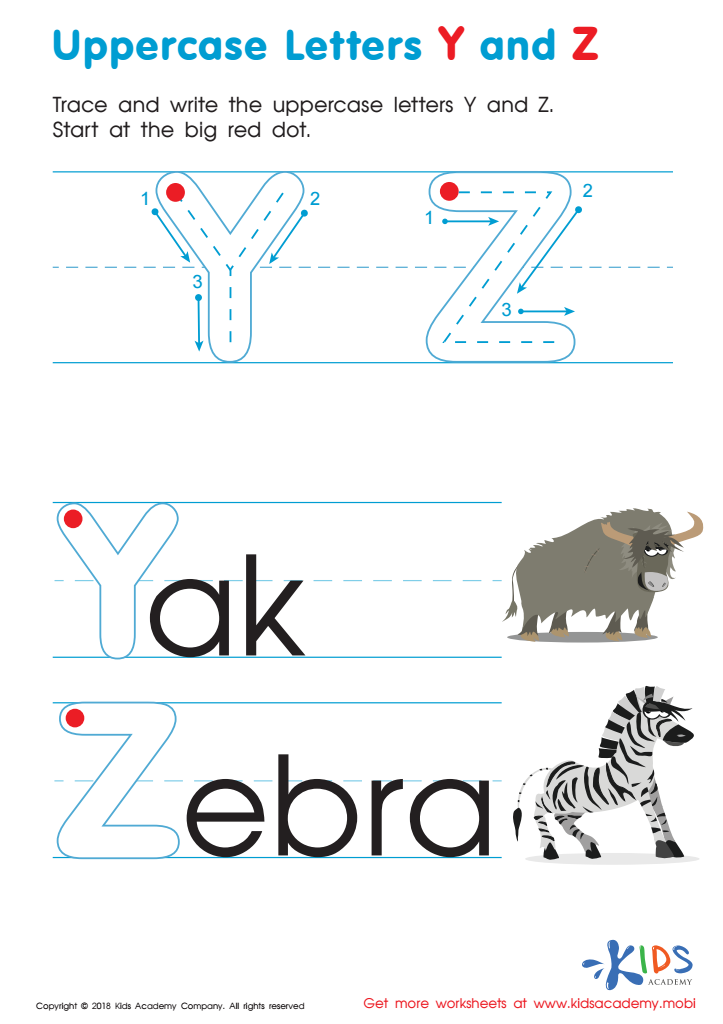
Uppercase Letters Y Z Worksheet
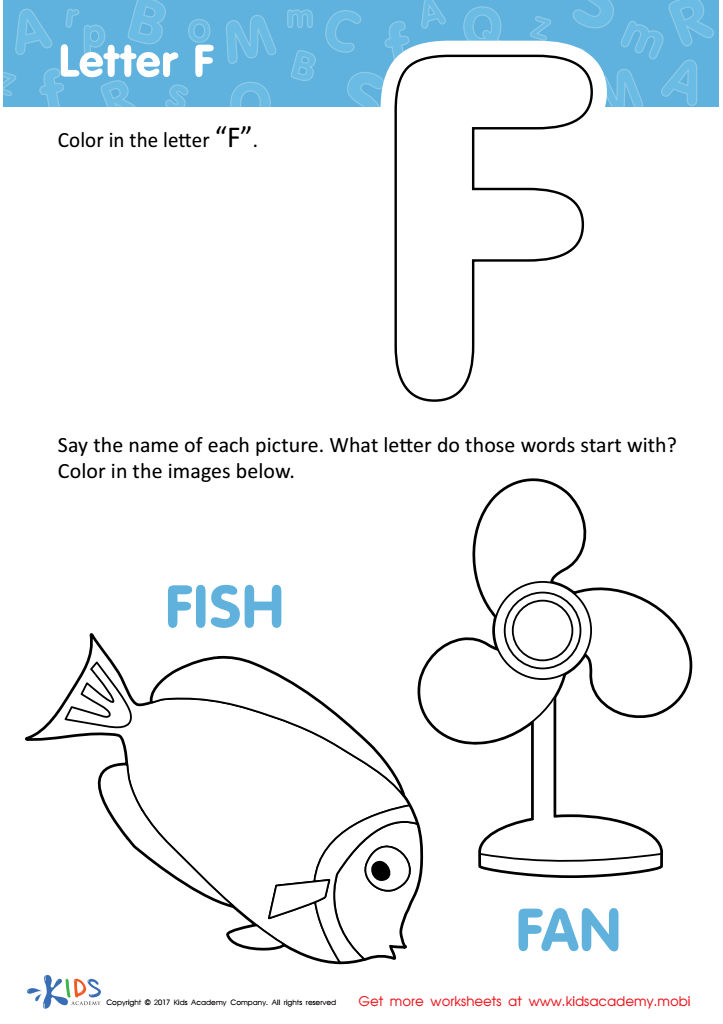
Letter F Coloring Sheet
Assign to My Students
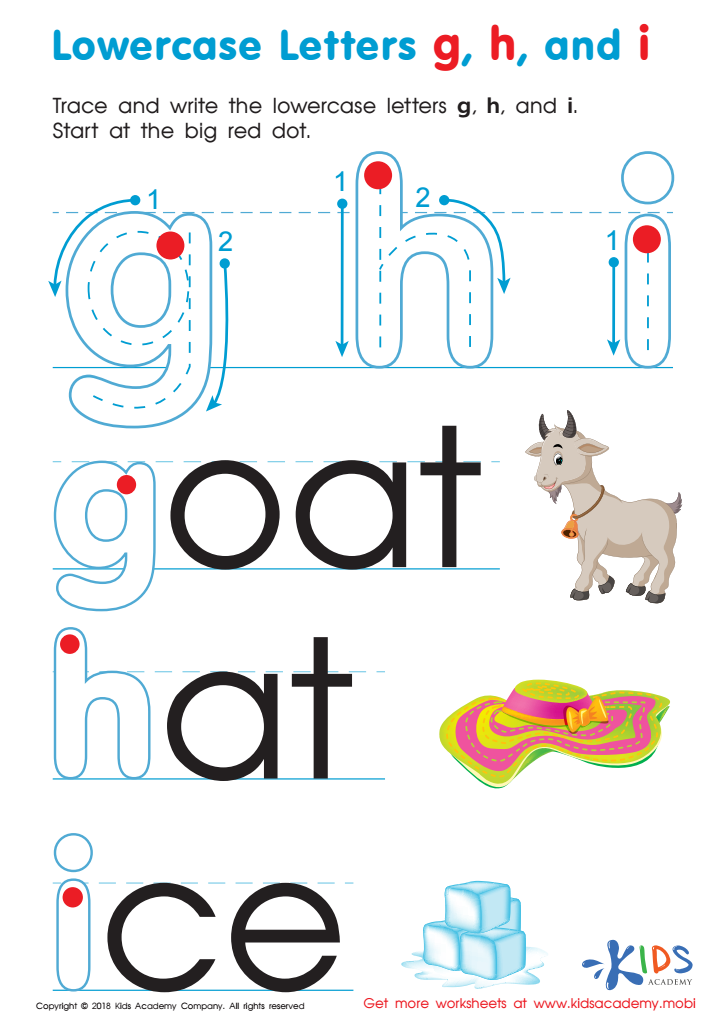
Lowercase Letters g h i Worksheet
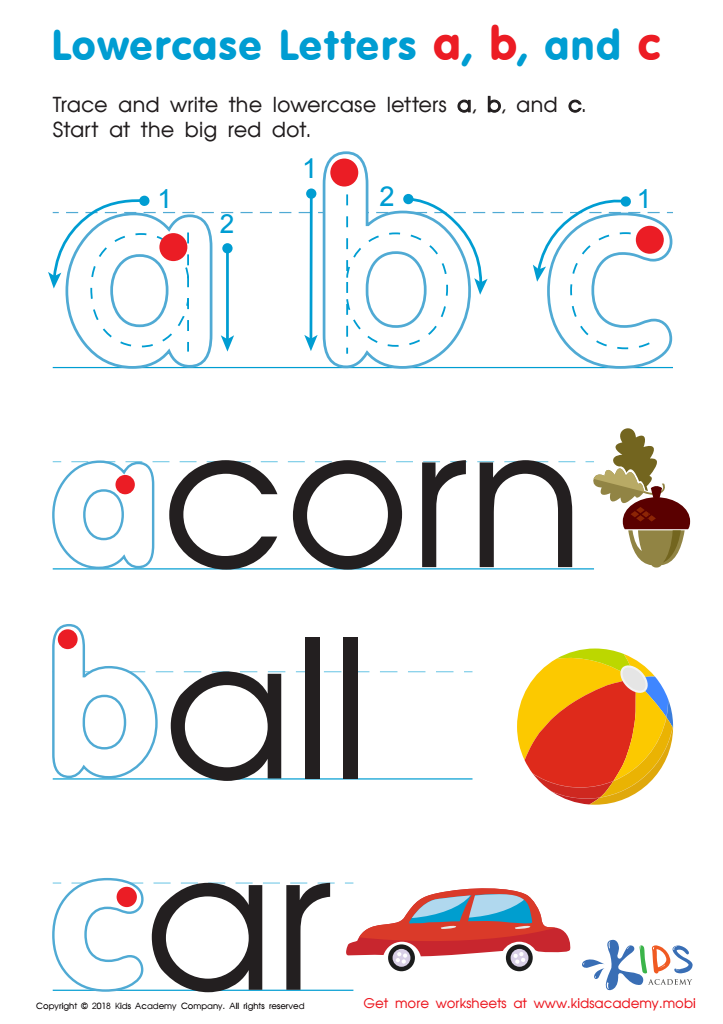
Lowercase Letters a b c Worksheet
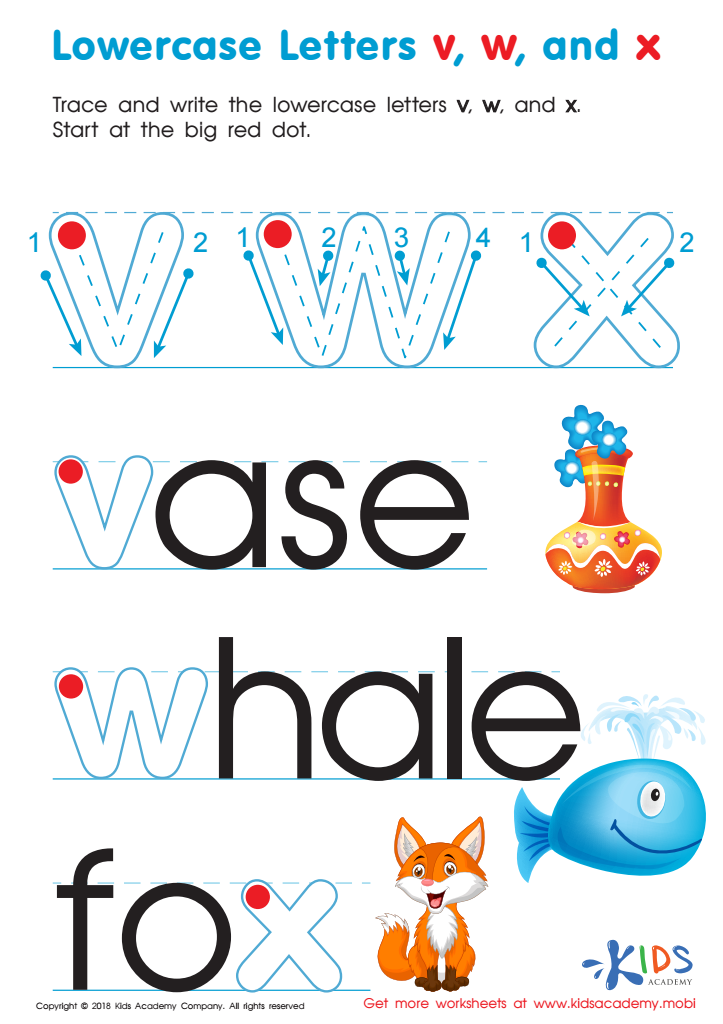
Lowercase Letters v w x Worksheet
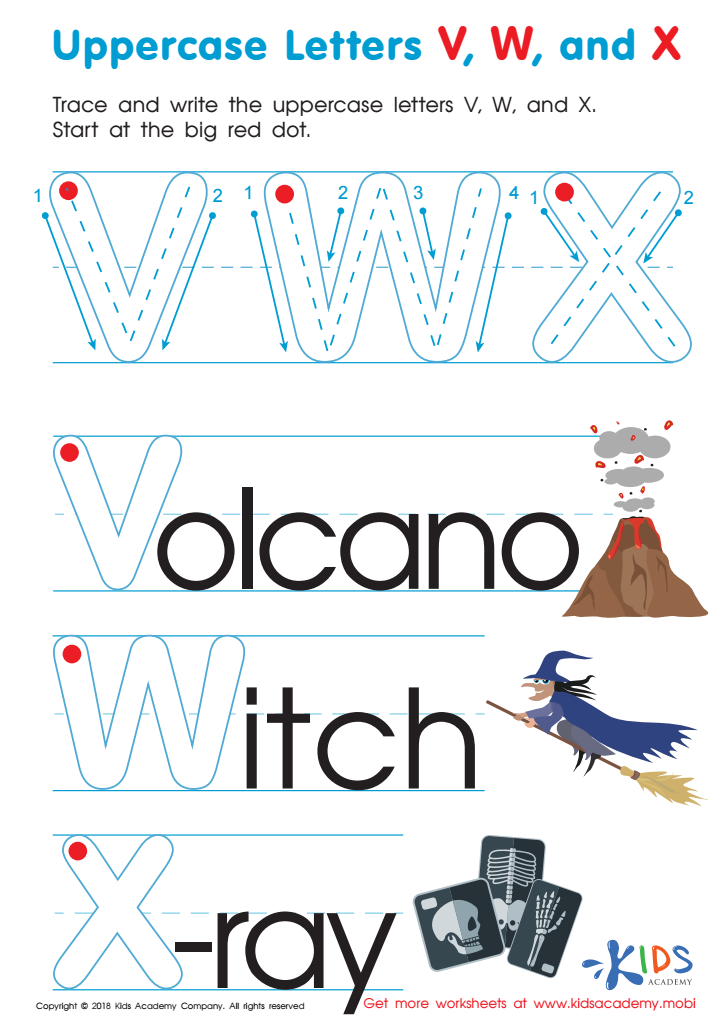
Uppercase Letters V, W, and X Worksheet






Alphabet recognition is a crucial developmental milestone for children aged 6-9, forming the foundation for reading and writing skills. First and foremost, recognizing the letters of the alphabet supports literacy development. When children can identify letters and their corresponding sounds, they can begin to decode words, which is essential for reading fluency and comprehension.
Moreover, alphabet recognition enhances cognitive skills such as memory, attention, and problem-solving. As children learn to differentiate between each letter, they exercise their brains, improving their ability to remember and manipulate information. This cognitive workout helps in various other subjects and areas of thinking.
For teachers and parents, ensuring that children master alphabet recognition is also about building confidence. When kids know their letters, they're more likely to engage with reading activities, fostering a love for books and learning that can last a lifetime. Furthermore, early alphabet recognition can prevent future academic struggles. Early intervention can identify any learning difficulties like dyslexia and address them promptly.
In summary, mastering the alphabet at an early age is a critical step in a child's educational journey. It not only lays the groundwork for essential academic skills but also promotes cognitive development and self-confidence, making it a key focus for parents and teachers alike.







