Cognitive Development Normal Alphabet Worksheets for Ages 6-9
5 filtered results
-
From - To
Unlock your child’s potential with our Cognitive Development Normal Alphabet Worksheets designed for ages 6-9. These engaging worksheets provide a fun and interactive approach to learning the alphabet while enhancing critical cognitive skills. Each activity promotes recognition, sequencing, and memory, supporting a child's understanding of letters in both uppercase and lowercase forms. Ideal for home or classroom use, these worksheets make learning enjoyable, fostering a love for literacy. With colorful illustrations and creatively structured tasks, children will not only master letter identification but also boost their cognitive abilities. Strengthen your child’s foundation in literacy today with our specially designed resources!
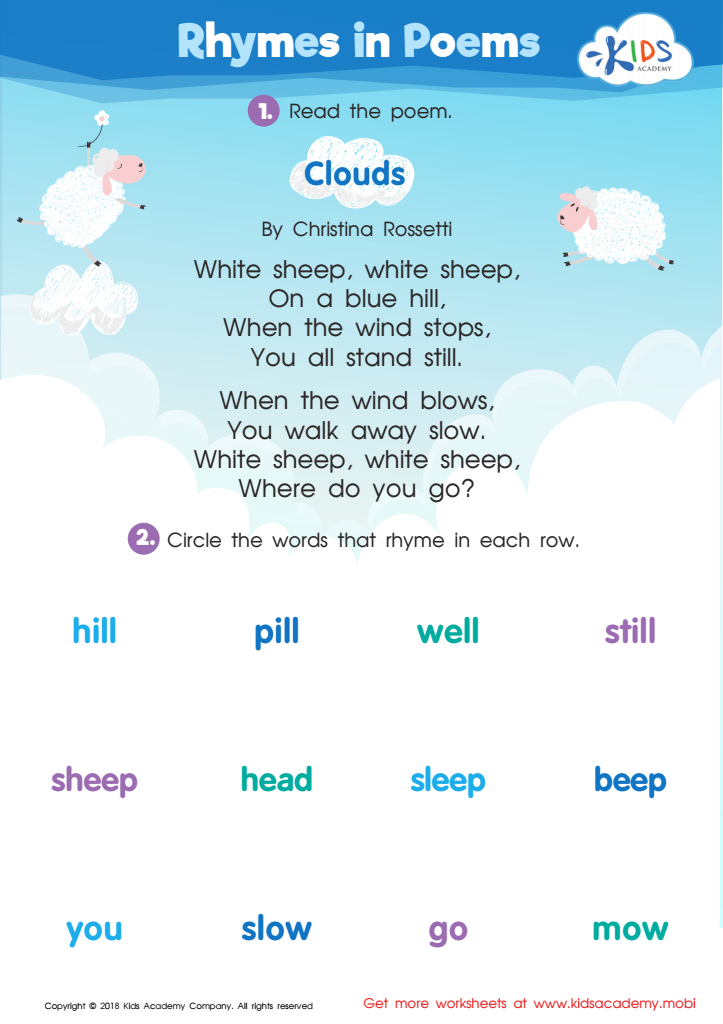
Rhymes in Poems Worksheet
 Assign to My Students
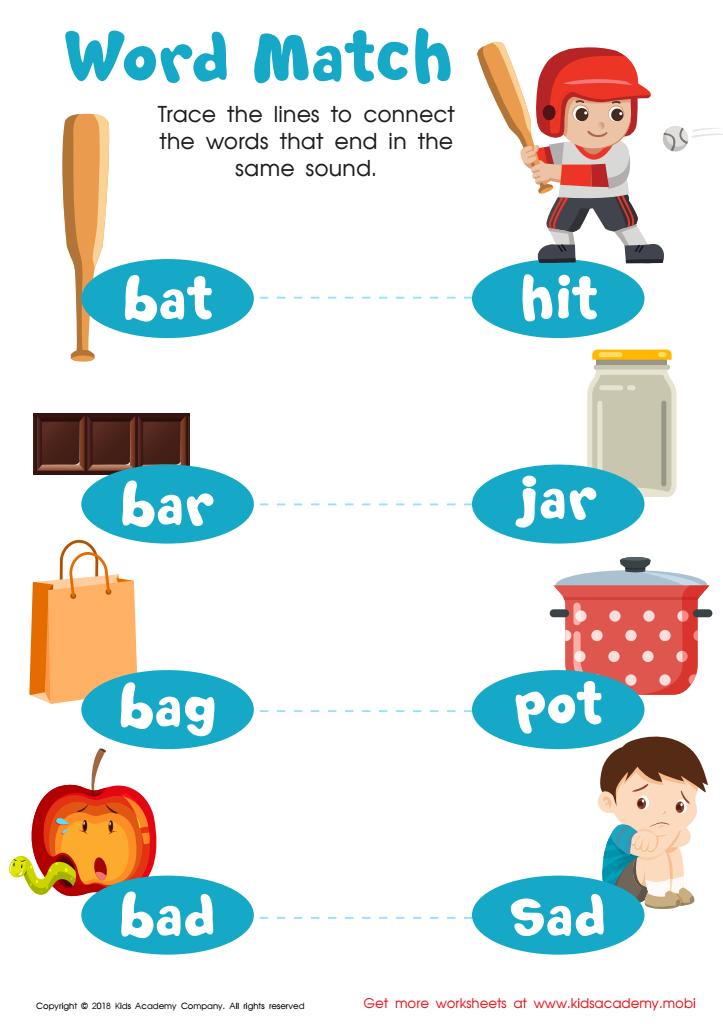
Word Match Reading Worksheet
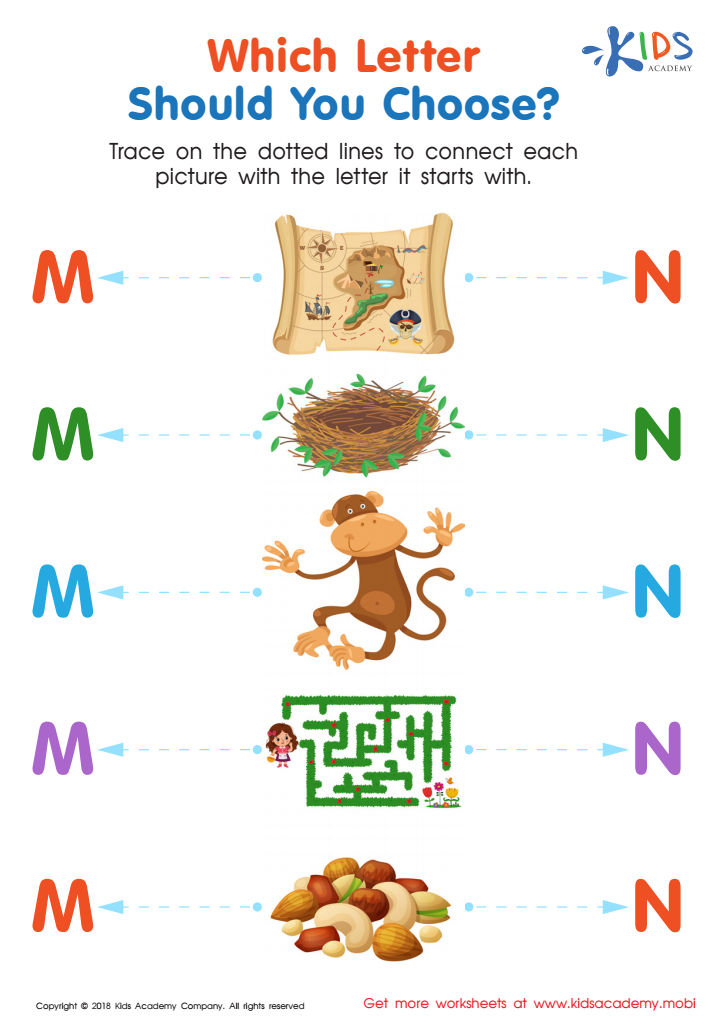
Which Letter Should you Choose? Worksheet
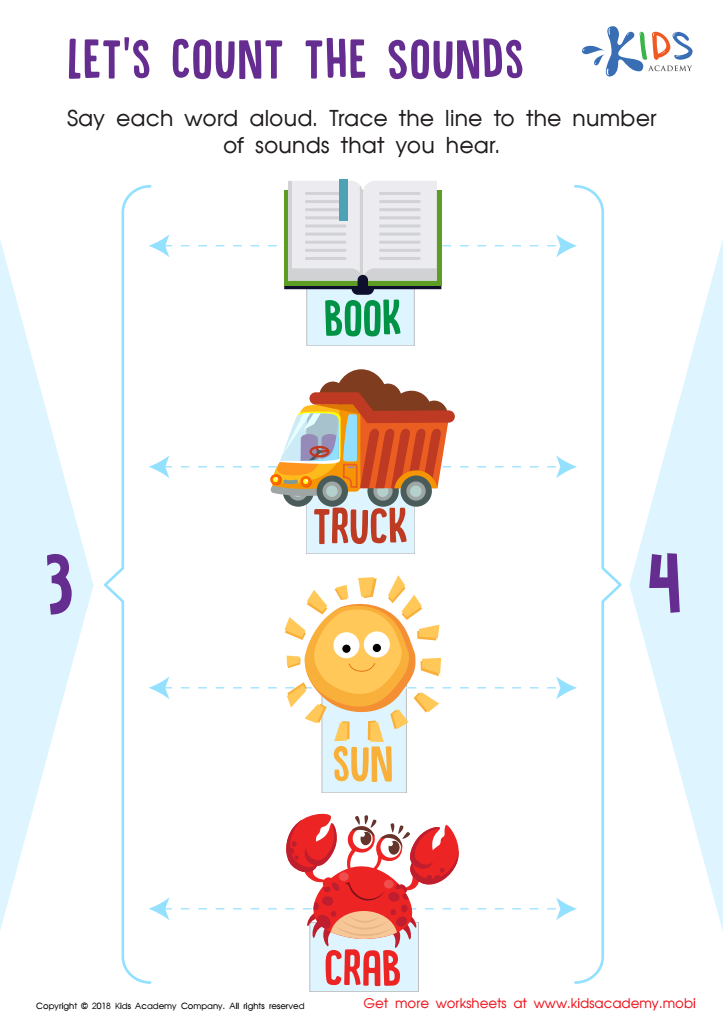
Let's Count the Sounds Worksheet
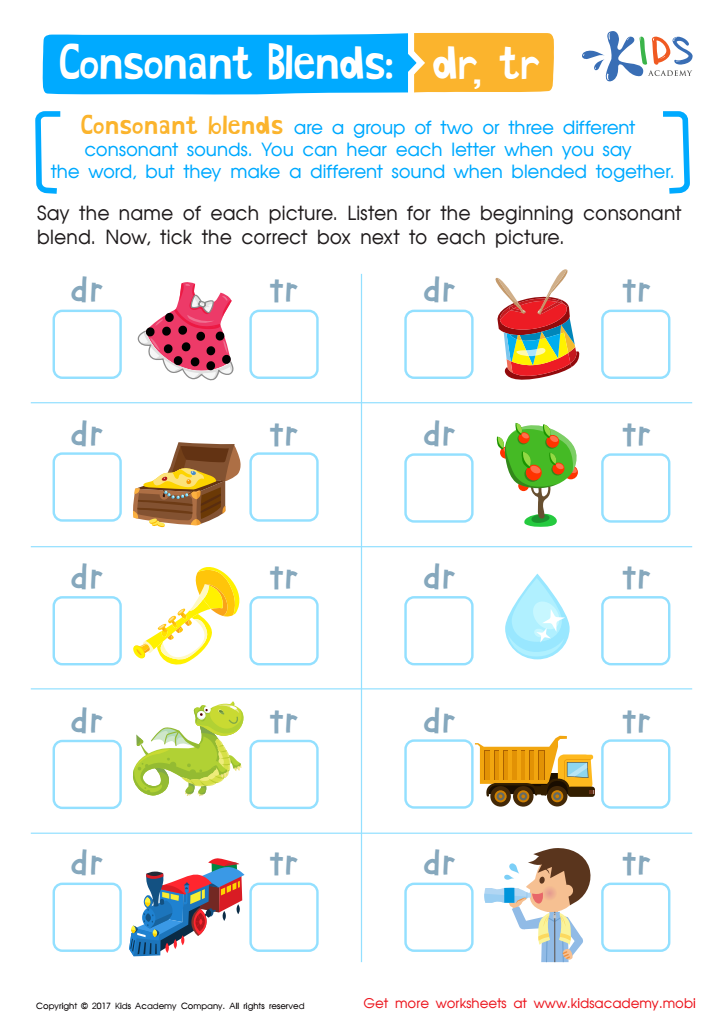
Consonant Blends: "Dr" and "Tr" Printable







Cognitive development is crucial during the ages of 6-9, as children are involving themselves in foundational learning processes essential for their academic and social futures. During these years, children are progressing from basic word recognition to more complex reading and comprehension skills. Understanding the normal alphabet learning milestones at this age enables parents and teachers to better support their growth.
At this stage, children should be able to recognize both uppercase and lowercase letters, grasp the sounds associated with each letter, and start blending letters to form words. This development lays the groundwork for reading fluency and readability, which are paramount for academic success. If educators or parents notice difficulties in these areas, early intervention can be implemented, significantly enhancing learning outcomes.
Moreover, cognitive development is intertwined with critical thinking, problem-solving, and memory skills, all of which are honed through comprehension activities and language games. Engaging children in fun, purposeful literacy activities not only combats any potential learning gaps but also nurtures their curiosity and enthusiasm for learning. Ultimately, being aware of and actively nurturing this cognitive stage helps create confident, capable learners who are equipped for future challenges, both inside and outside the classroom.







