Letter-sound association Normal Alphabet Worksheets for Ages 6-9
6 filtered results
-
From - To
Unlock your child’s literacy potential with our engaging Letter-Sound Association Normal Alphabet Worksheets designed for ages 6-9! These interactive worksheets provide young learners with a fun and effective way to connect letters with their corresponding sounds, enhancing reading and writing skills. Each worksheet features vibrant illustrations and enjoyable activities that keep children motivated and eager to learn. With a variety of exercises that promote phonemic awareness, kids will confidently practice letter recognition and sound identification. Perfect for home or classroom use, our worksheets offer a solid foundation for early reading success. Download now and support your child’s educational journey!
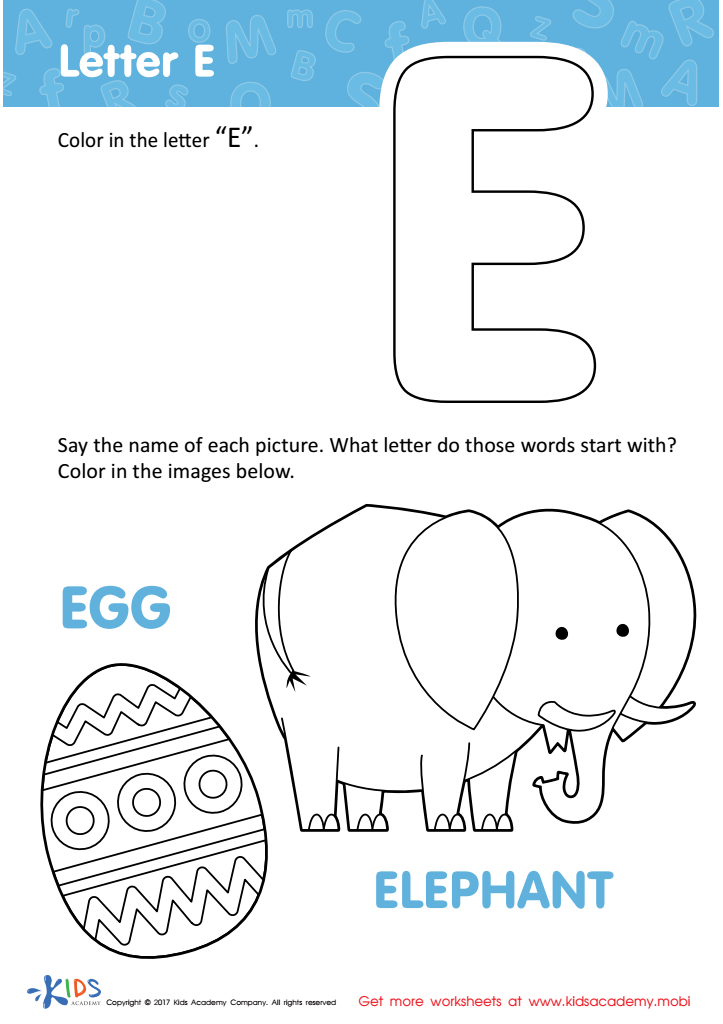
Letter E Coloring Sheet
 Assign to My Students
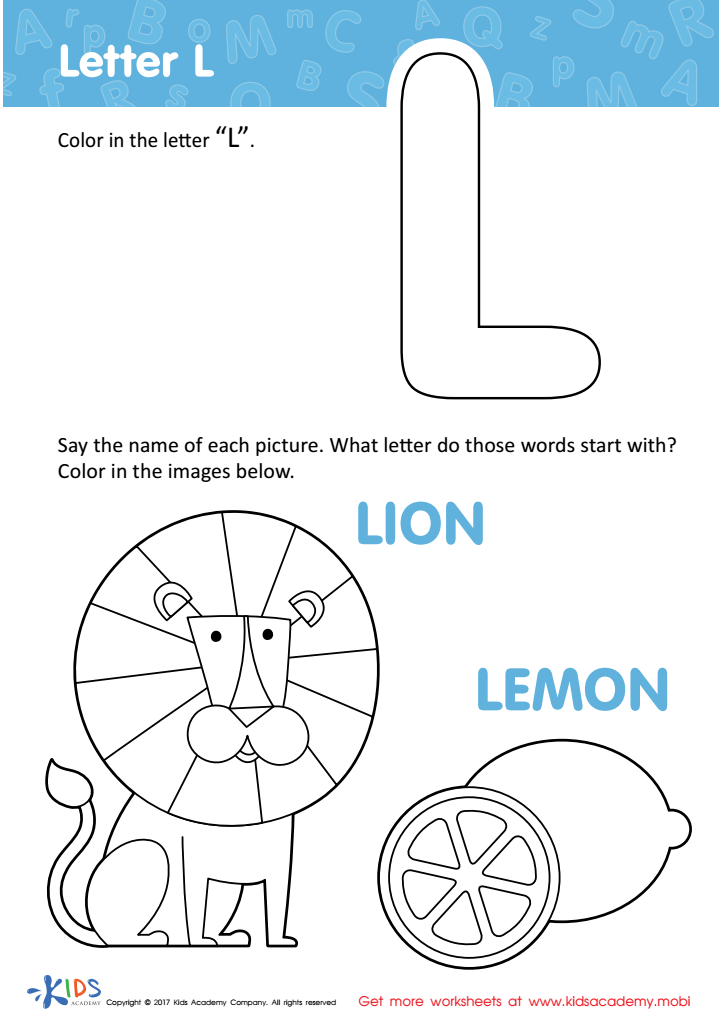
Letter L Coloring Sheet
Assign to My Students
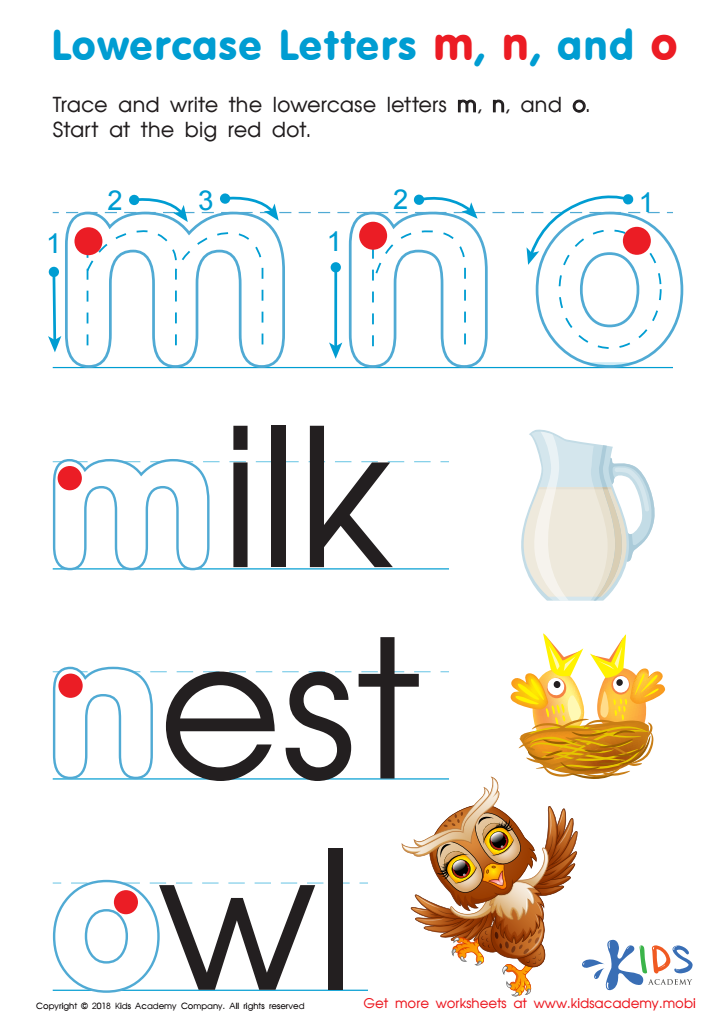
Lowercase Letters m n o Worksheet
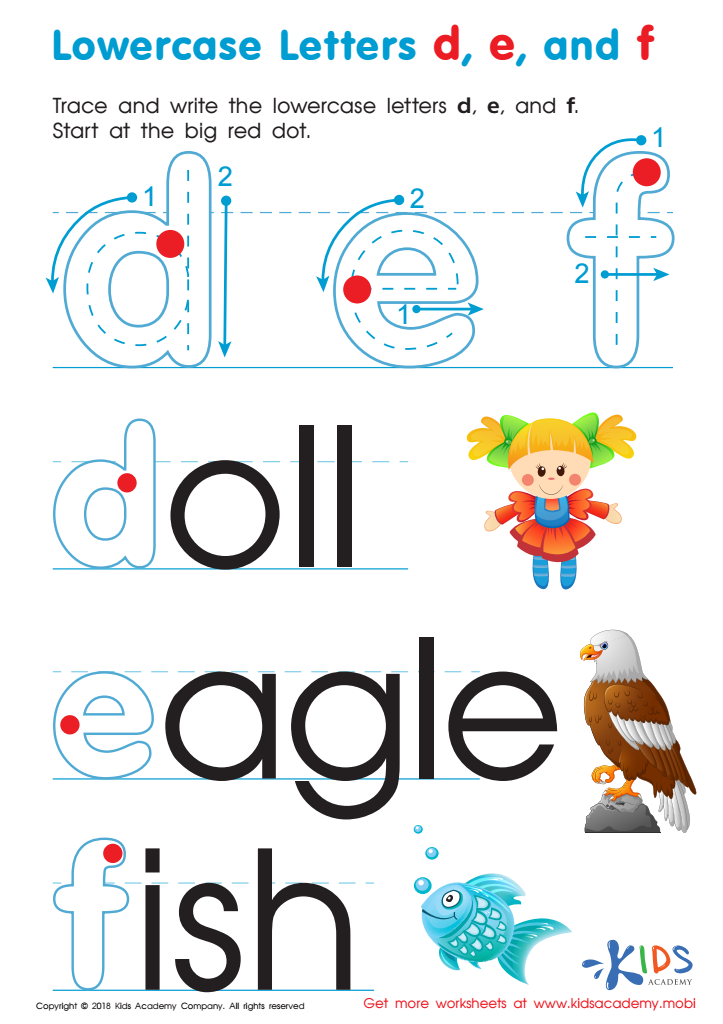
Lowercase Letters d e f Worksheet
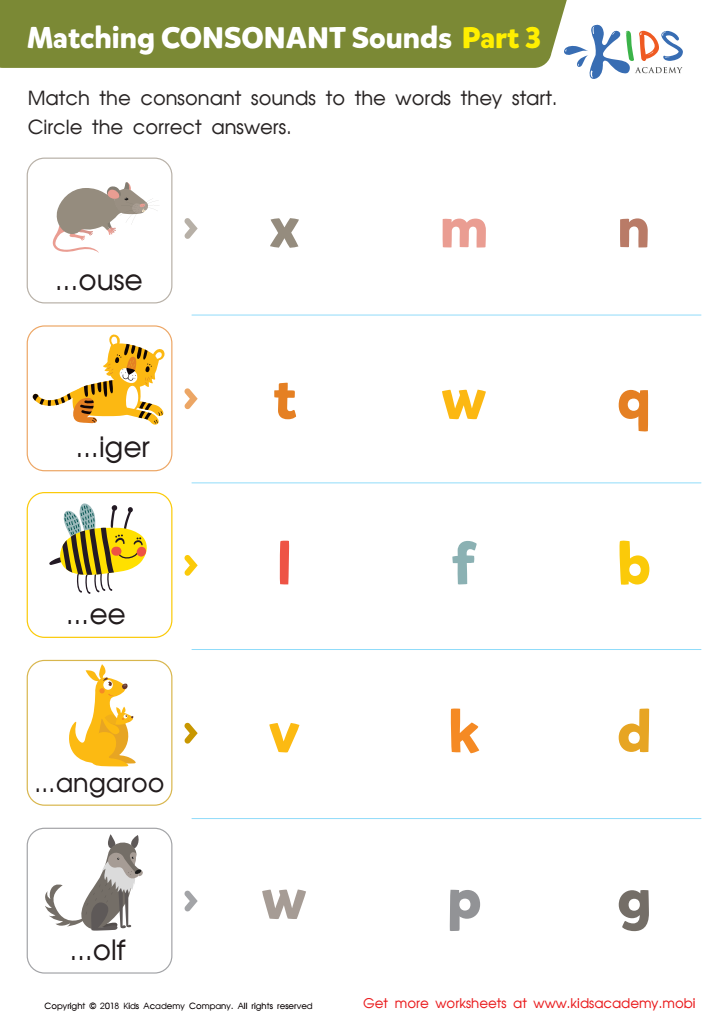
Matching Consonant Sounds: Part 3 Worksheet
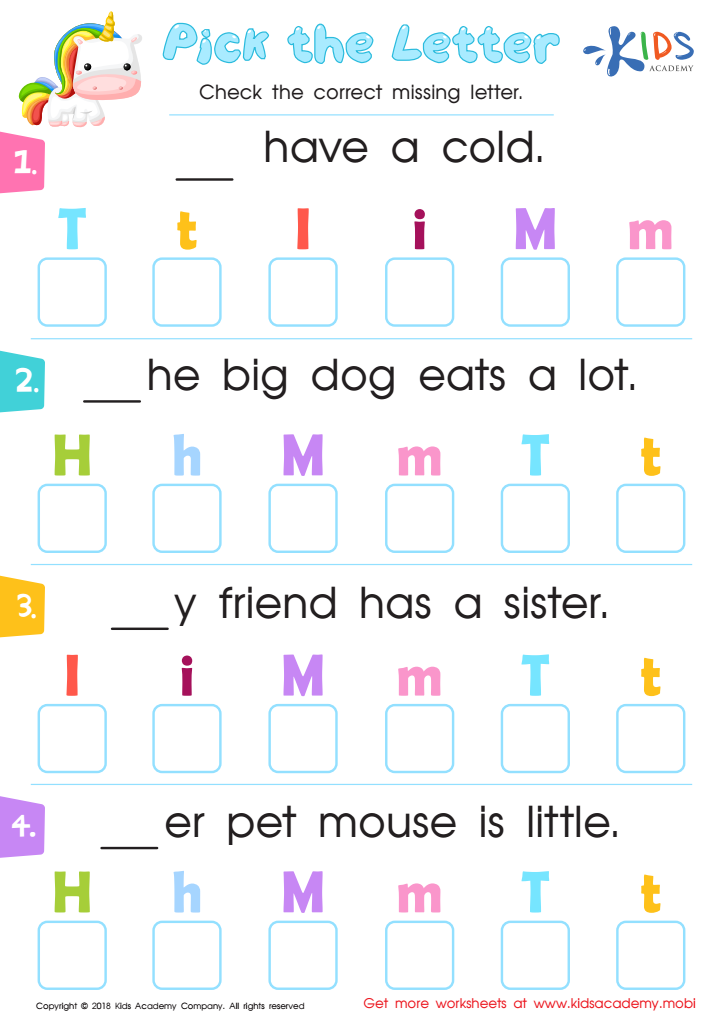
Pick the Letter Worksheet





Letter-sound associations are foundational to reading and literacy development in children aged 6-9. Understanding that letters correspond to specific sounds is crucial for decoding words, which is essential for effective reading. When parents and teachers emphasize this skill, they enable children to progress from recognizing individual letters to blending sounds into words, fostering fluency and comprehension.
Additionally, solid letter-sound knowledge boosts children's confidence in their reading abilities. It empowers them to tackle new words independently, reducing frustration and building a love for reading. As literacy skills are core components of academic success, supporting letter-sound associations also impacts children's performance across subjects, including writing and verbal communication.
Moreover, in an era of increasing screen reliance, fostering a strong foundation in literacy through hands-on, engaging activities—like phonics games and song—can enrich children's cognitive development and attention spans. Parents and teachers should also consider that early mastery of letter-sound relationships sets the stage for lifelong learning habits, encouraging curiosity and a desire for knowledge.
In summary, focusing on letter-sound associations is vital as it supports reading proficiency, fosters confidence, and lays a stable foundation for overall educational success.







