Letter-sound recognition Normal Alphabet Worksheets for Ages 6-9
3 filtered results
-
From - To
Enhance your child's reading skills with our Letter-Sound Recognition Worksheets, designed specifically for ages 6-9. These engaging, printable resources help young learners connect letters with their corresponding sounds, fostering essential literacy skills. Our thoughtfully crafted activities promote phonemic awareness and encourage interactive learning experiences. With a variety of fun exercises, children will build confidence as they practice identifying sounds in words, ultimately improving their reading fluency and comprehension. Perfect for use at home or in the classroom, these worksheets offer a valuable tool for educators and parents alike. Explore our collection today and watch your child thrive in their literacy journey!
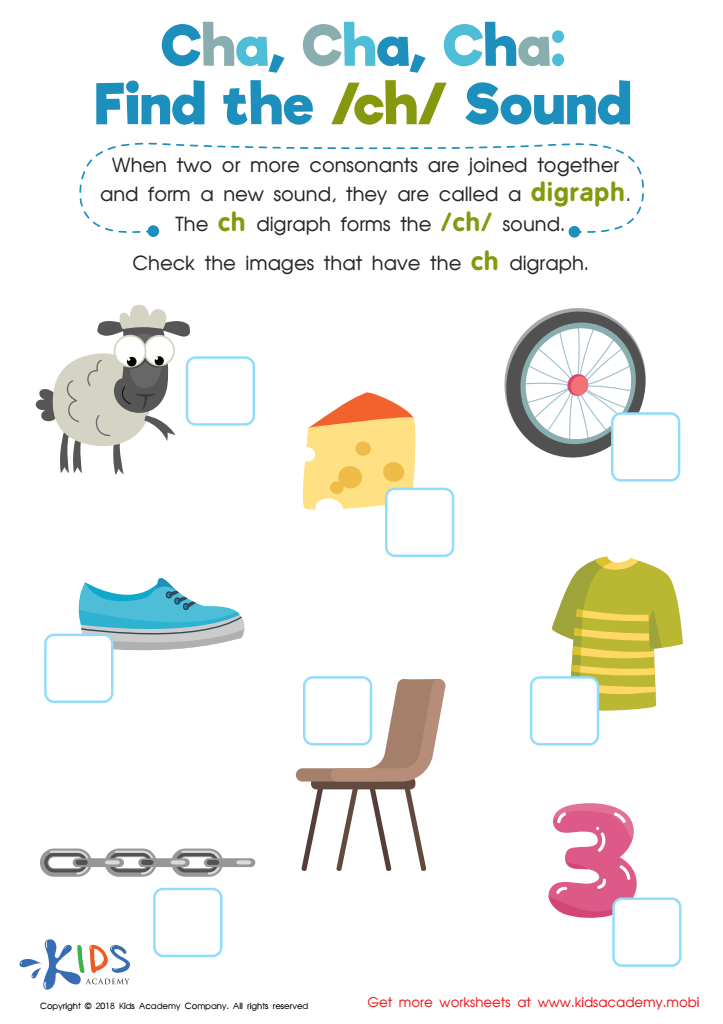
Cha, Cha, Cha: Find the /Ch/ Sound Worksheet
 Assign to My Students
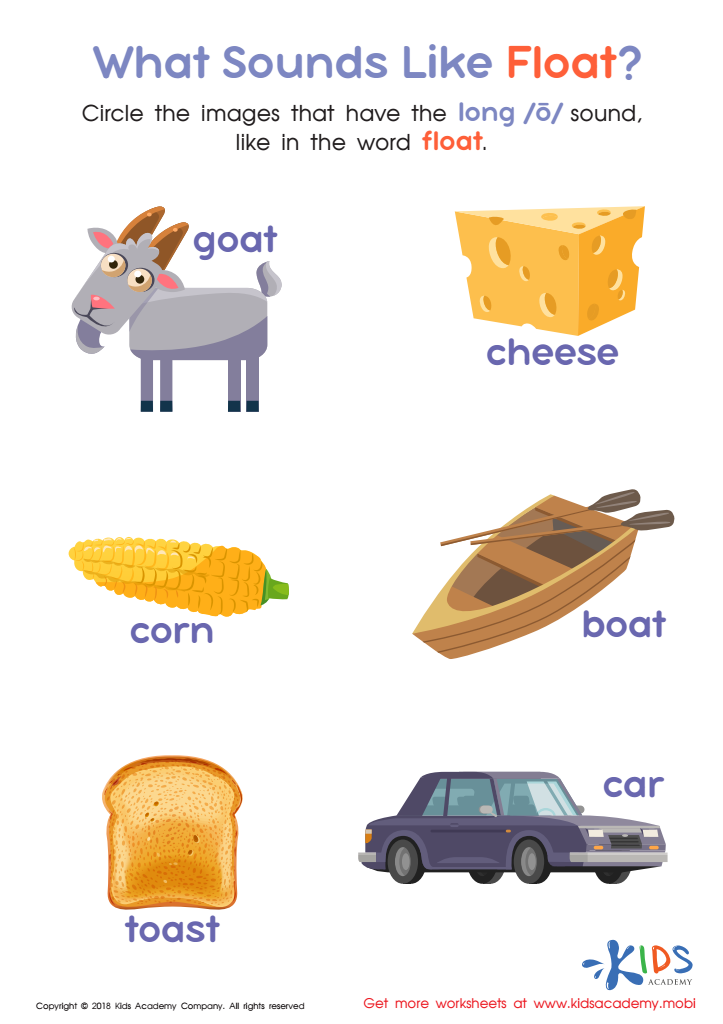
What Sounds Like Float? Worksheet
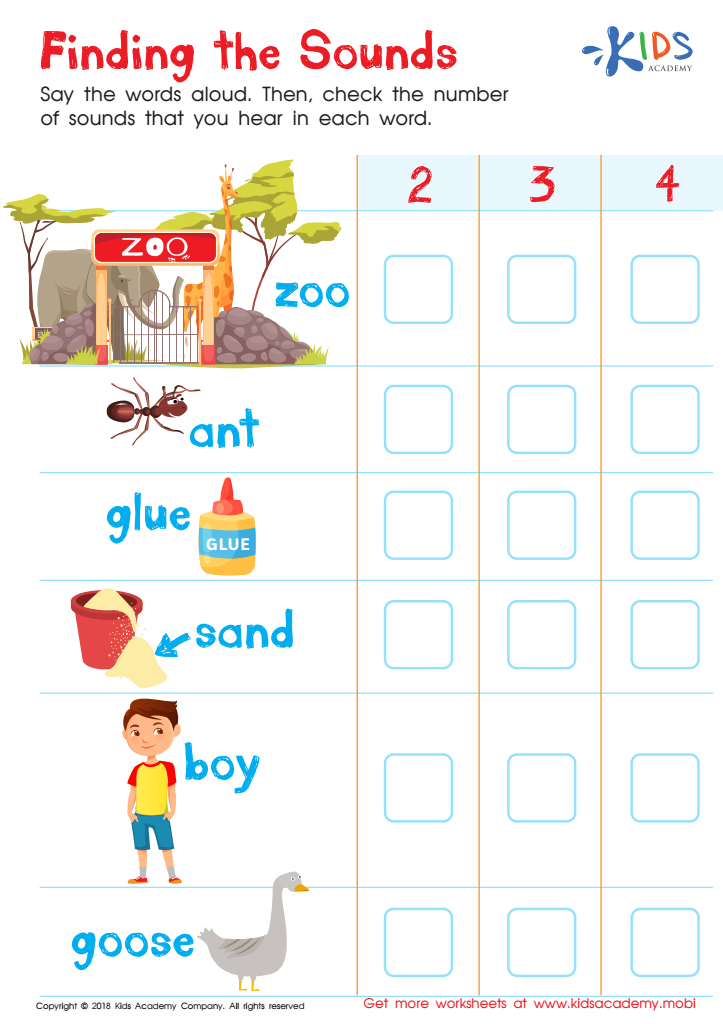
Finding the Sounds Worksheet






Letter-sound recognition, particularly within the normal alphabet, is crucial for children aged 6-9 as it sets the foundation for later reading and writing skills. At this developmental stage, children are often transitioning from learning to read to reading to learn. Mastering letter-sound associations allows them to decode words independently, enhancing their reading fluency and comprehension.
For parents and teachers, fostering letter-sound recognition is essential because it directly impacts a child's academic success. Children who struggle with this skill may face challenges in grasping more complex literacy concepts, potentially leading to wider educational gaps. Supporting this early literacy skill can boost a child's confidence and encourage a lifelong love for reading.
Moreover, early mastery of letter-sound correlations aids in phonemic awareness, which is vital for spelling and vocabulary development. It empowers children to experiment with writing, allowing them to express themselves creatively.
Encouraging consistent practice in various engaging ways—such as through games, songs, and storytime—makes learning memorable. By investing in letter-sound recognition, parents and teachers not only pave the way for successful reading and writing but also support overall cognitive and emotional development, setting children up for a bright academic future.







