Motor skills development Normal Alphabet Worksheets for Ages 6-9
3 filtered results
-
From - To
Enhance your child's motor skills with our "Normal Alphabet Worksheets" designed specifically for ages 6-9. These engaging and educational worksheets offer a fun way for young learners to practice letter recognition, writing, and fine motor coordination. Each worksheet features a variety of activities, including tracing, coloring, and matching letters, making learning interactive and enjoyable. By incorporating these worksheets into your child's routine, you can help boost their confidence and proficiency in handwriting while fostering a love for learning. Watch as they develop essential skills that lay the foundation for academic success. Start their journey toward mastery today!

Letter H Tracing Page
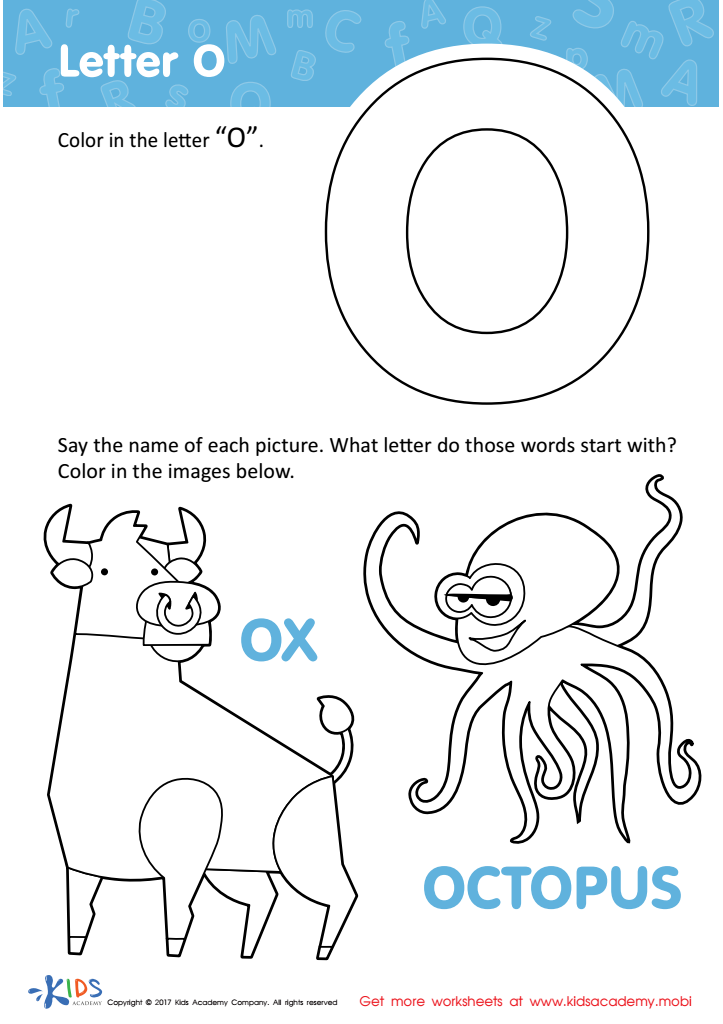
Letter O Coloring Sheet
 Assign to My Students
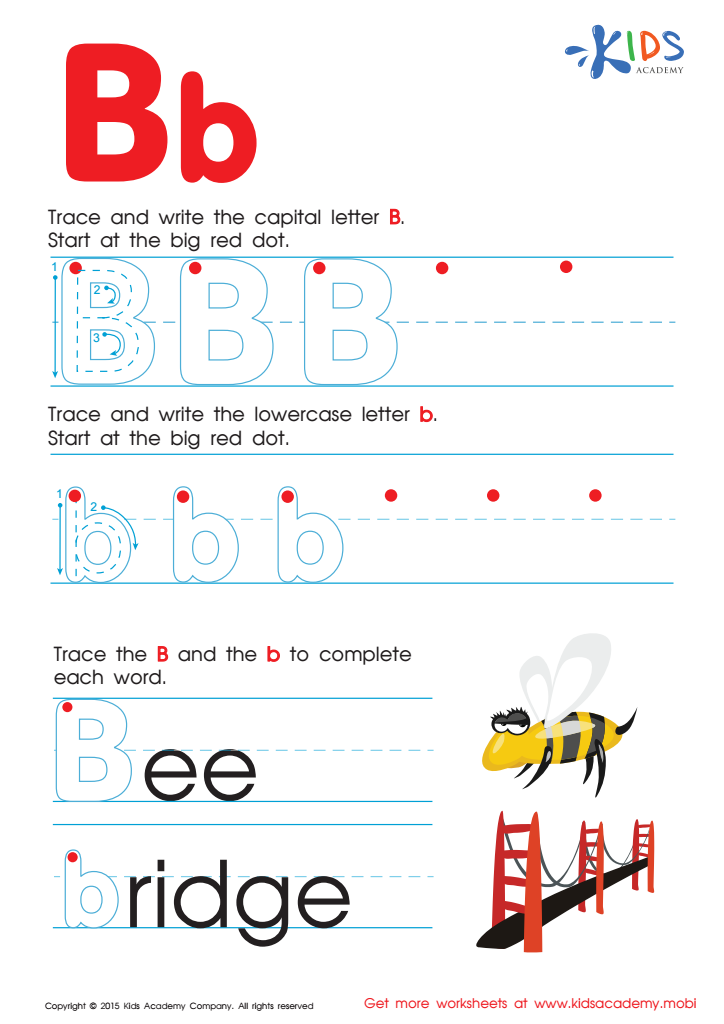
Letter B Tracing Page








Motor skills development is crucial for children aged 6-9 as it significantly impacts their overall growth, learning, and daily functioning. During this period, children refine both fine and gross motor skills, which are essential for activities such as writing, drawing, playing sports, and even performing everyday tasks like dressing and eating.
When parents and teachers invest in motor skills development, they contribute to children's self-confidence and independence. Mastering tasks that require coordination and control helps children feel accomplished, fostering a positive self-image. Additionally, strong motor skills are linked to enhanced academic performance; for example, children with better handwriting are more likely to express their thoughts clearly during writing assignments.
Engaging in activities that promote motor skills, such as sports, arts and crafts, or interactive games, supports cognitive and social development as well. These experiences encourage teamwork, focus, and problem-solving capabilities. Furthermore, children who develop these skills early tend to pursue physical activities throughout life, promoting a healthy lifestyle.
By prioritizing motor skills development, parents and teachers lay the foundation for successful learning and well-rounded human development, ensuring children are better prepared for future challenges in and out of the classroom.







