Word Recognition Normal Two Letter Phonics Worksheets for Ages 6-9
6 filtered results
-
From - To
Enhance your child's reading skills with our "Word Recognition Normal Two Letter Phonics Worksheets for Ages 6-9"! These engaging worksheets focus on two-letter phonics, providing a strong foundation in early literacy. Perfectly tailored for children ages 6 to 9, our resources aid in letter-sound recognition, spelling patterns, and building vocabulary. With a variety of enjoyable activities, kids will learn to identify and combine phonetic sounds while boosting their confidence and fluency in reading. Equip your child with the tools they need to succeed in reading and beyond with Kids Academy's trusted phonics worksheets.
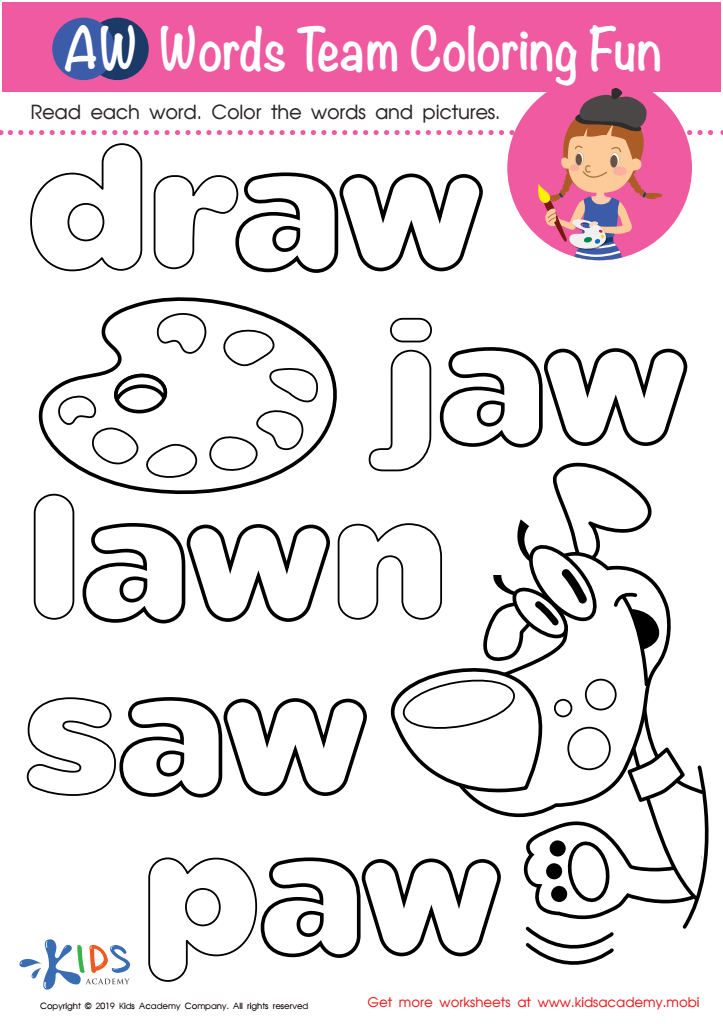
AW Words Team Coloring Fun Worksheet
 Assign to My Students
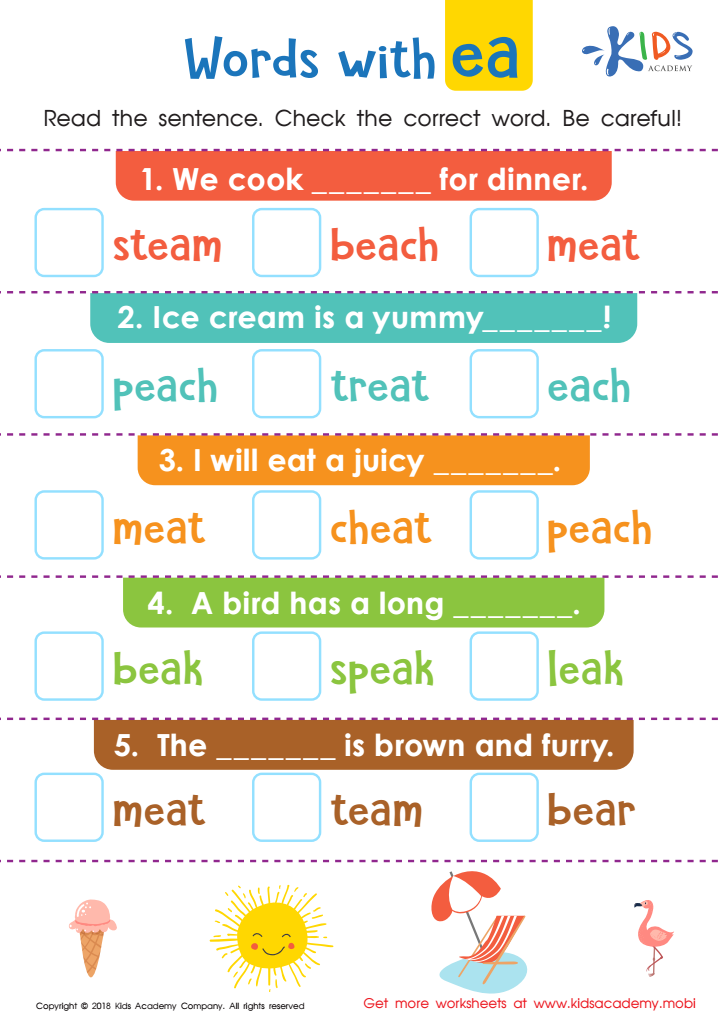
Words with ea Worksheet
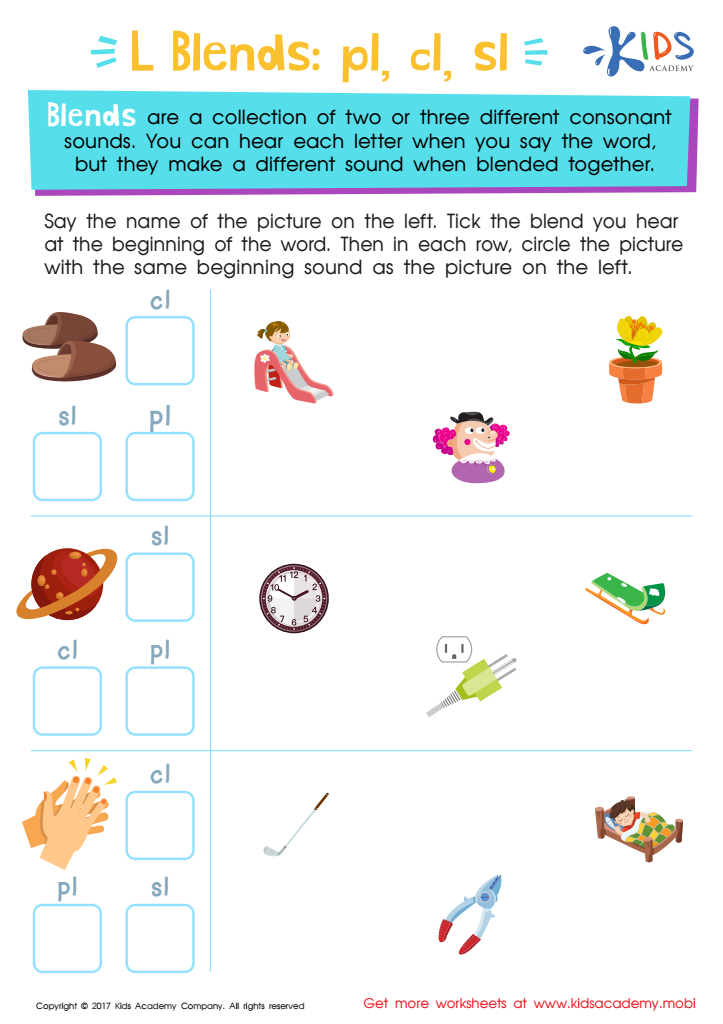
L Blends: "Pl", "Cl" and "Sl" Printable
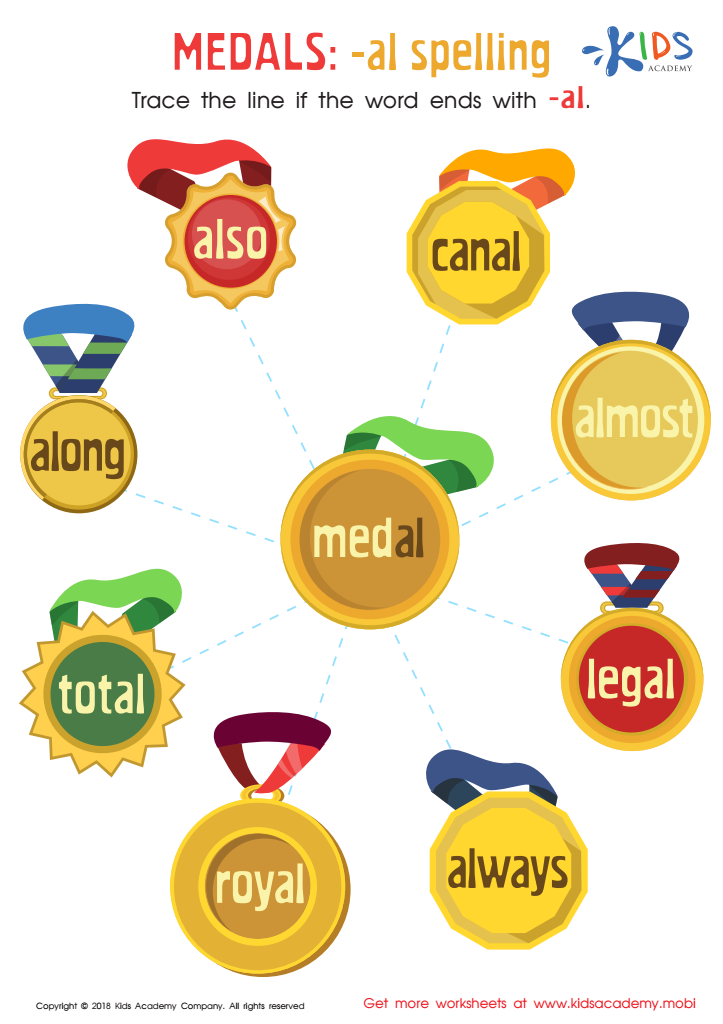
Medals: Al Spelling Worksheet
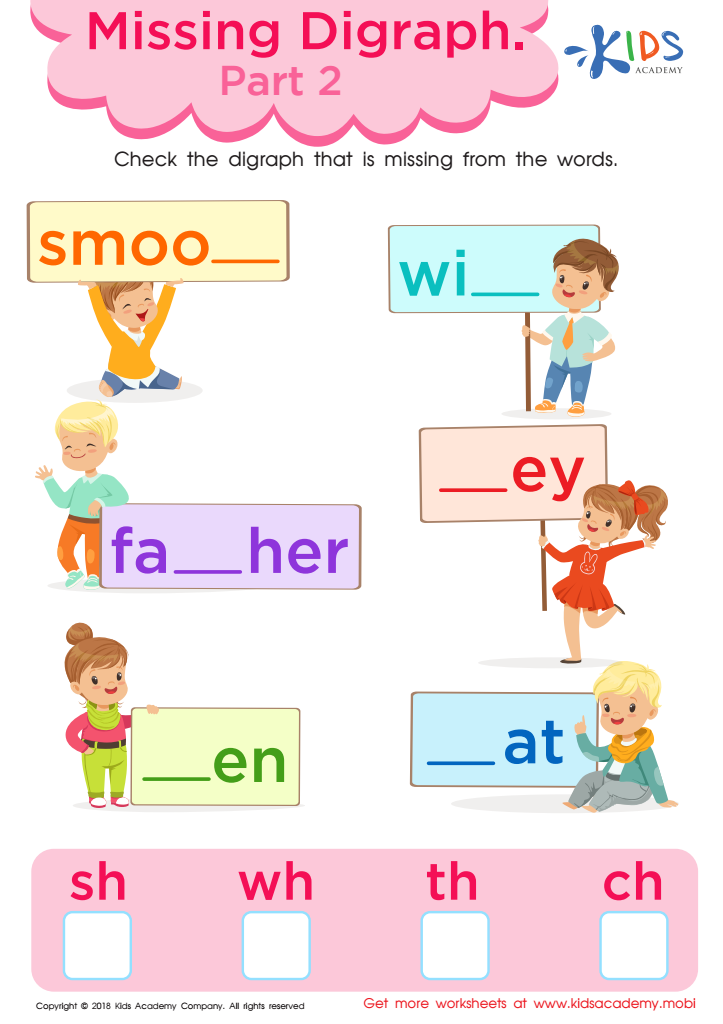
Missing Digraph: Part 2 Worksheet
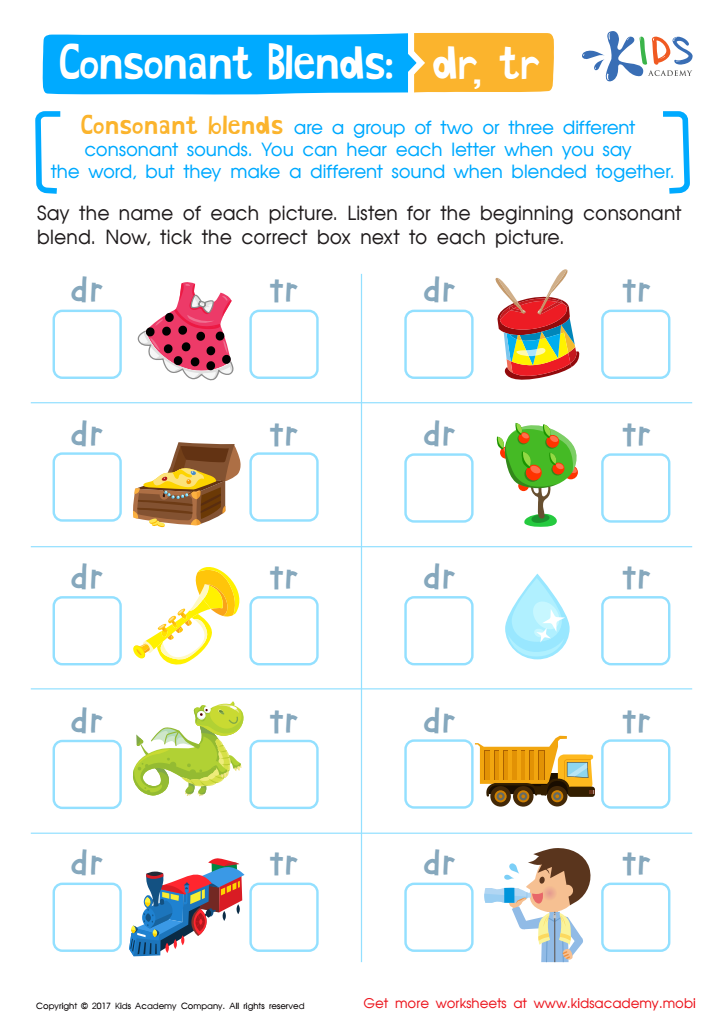
Consonant Blends: "Dr" and "Tr" Printable



Parents and teachers should prioritize Word Recognition and Normal Two-Letter Phonics for children aged 6-9 because these skills form the cornerstone of early literacy. At this developmental stage, children transition from learning to read to reading to learn. Mastery of two-letter phonics, where students recognize and efficiently decode paired letters (like "th," "sh," "ch"), critically influences their ability to comprehend more complex words and, therefore, larger texts.
When children can automatically recognize common word patterns, reading becomes a smoother and more enjoyable process. This fluency helps build their confidence as readers and eagerness to engage with new texts. Fluency, in turn, positively impacts reading comprehension, enabling children to focus on understanding the content rather than decoding individual words.
Moreover, early success in reading predicts later academic achievement across subjects. Children who are proficient readers by the end of third grade are more likely to excel in diverse academic areas since most formal education relies on strong reading skills. Therefore, the early investment in word recognition and phonics skills considerably benefits a child's long-term educational trajectory.
Caring about and diligently supporting these foundational skills ensures that young learners have the tools they need to become proficient, enthusiastic readers and lifelong learners.






