Word Recognition Normal Vowels Worksheets for Ages 6-9
6 filtered results
-
From - To
Boost your child’s reading skills with our engaging Word Recognition Normal Vowels Worksheets, specially designed for ages 6-9! These interactive resources help young learners identify and practice normal vowel sounds in words. Each worksheet is crafted to make learning fun and effective, featuring vibrant illustrations and age-appropriate activities. Children will enhance their vocabulary and reading comprehension while building essential foundational skills. Ideal for classroom use or at-home learning, these worksheets align with educational standards, ensuring a quality experience. Discover the joy of reading as your child explores the world of vowels and word recognition! Start your child’s learning journey today.
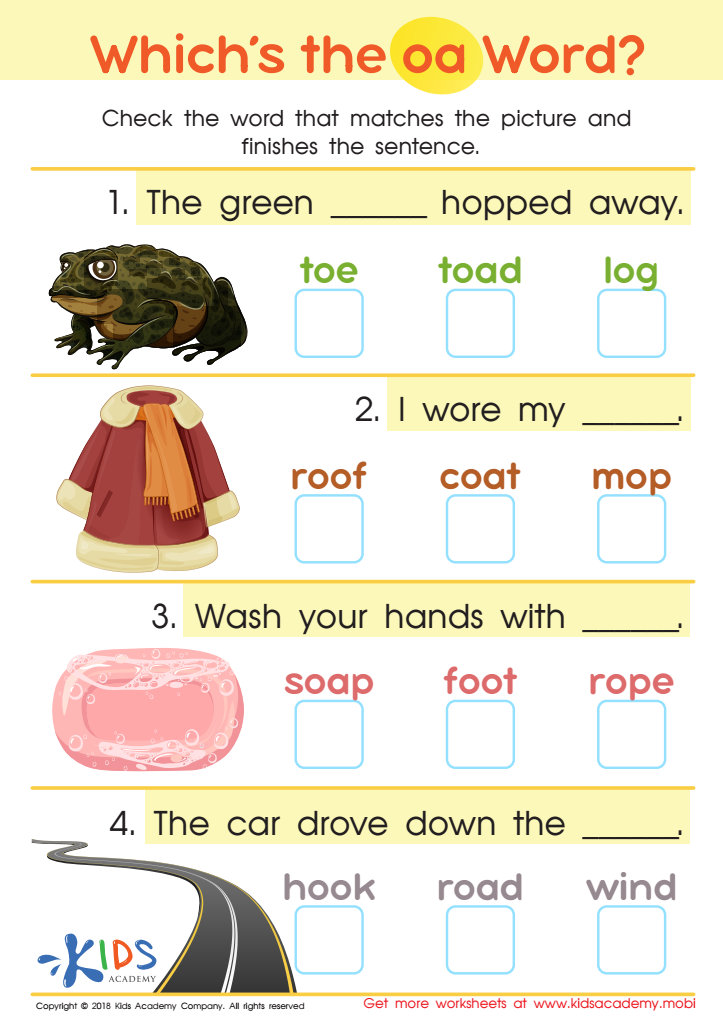
Which's the OA Word? Worksheet
 Assign to My Students
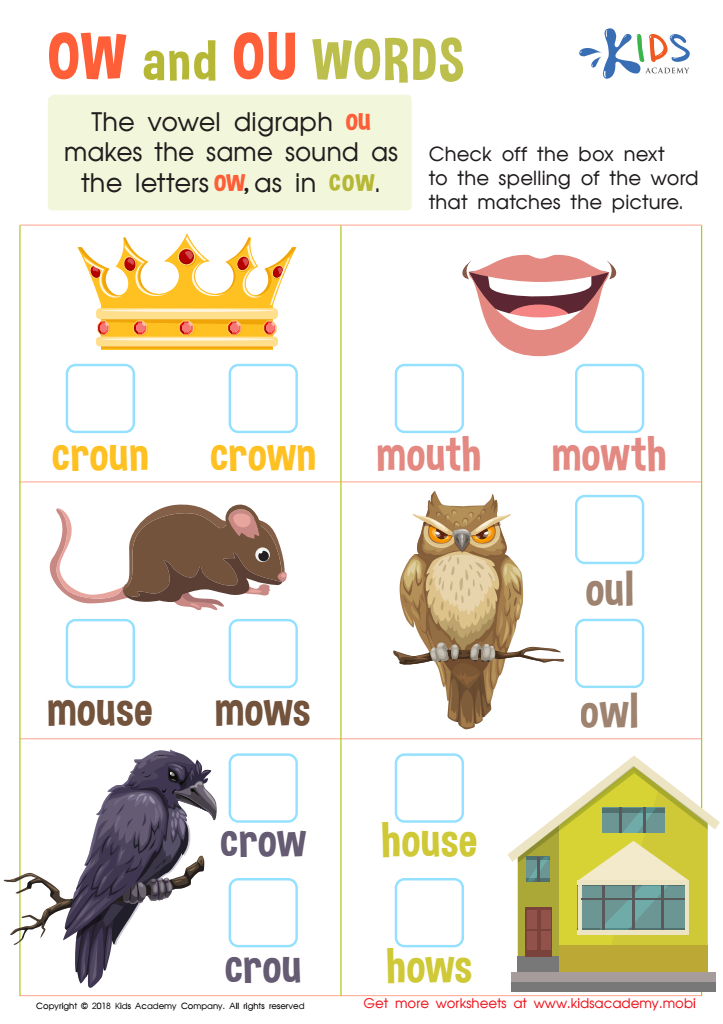
Reading: OW and OU Words Worksheet
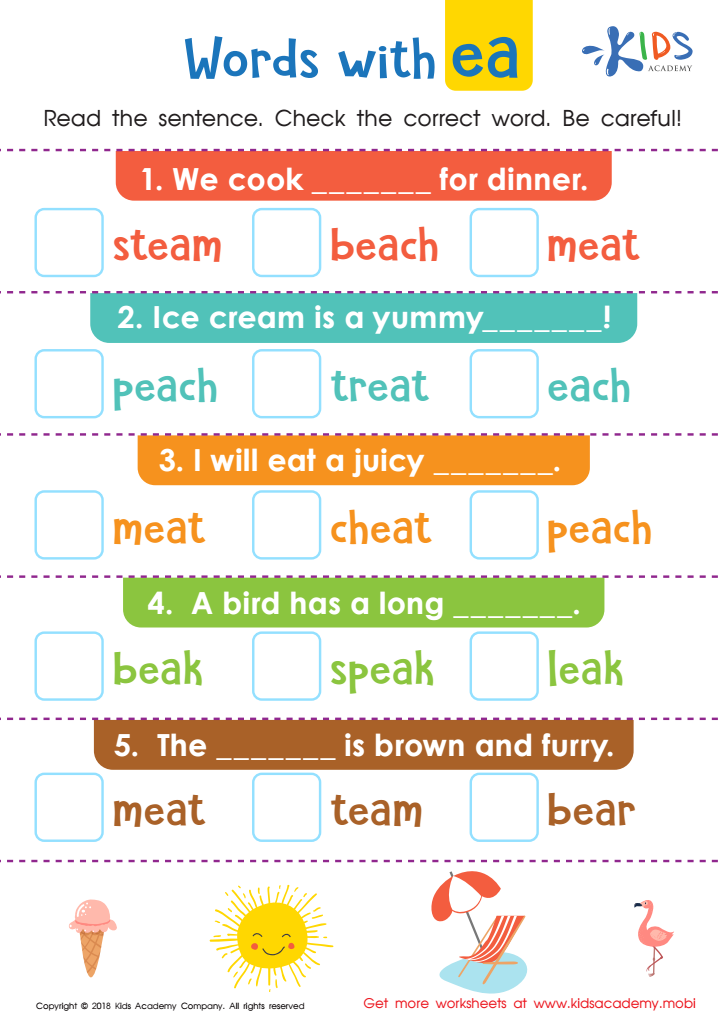
Words with ea Worksheet
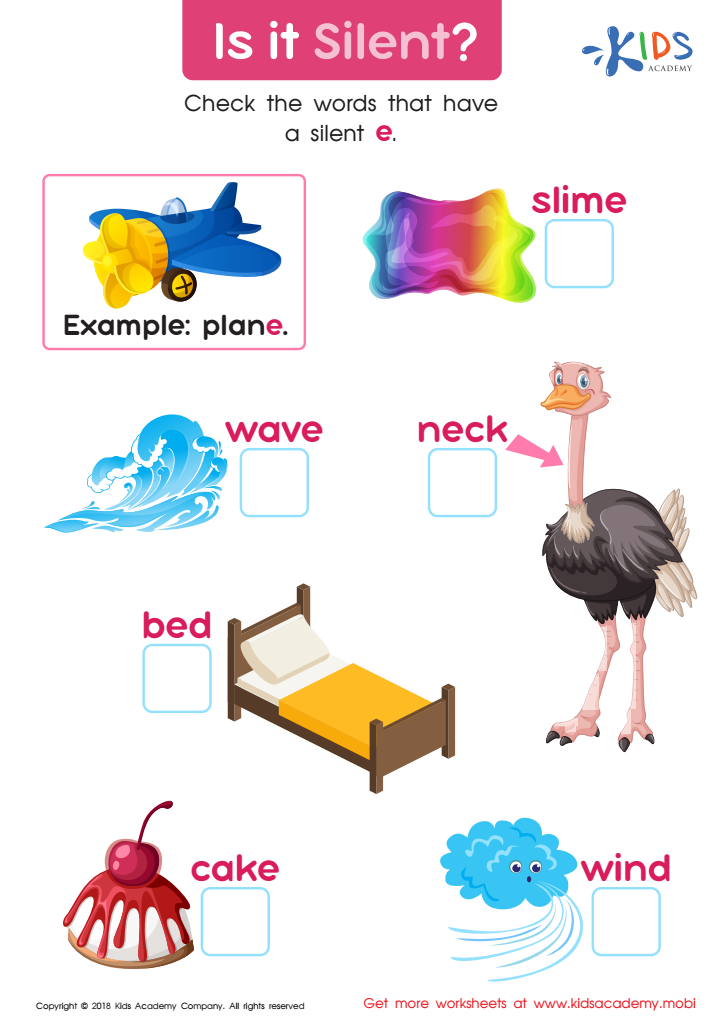
Is It Silent? Worksheet
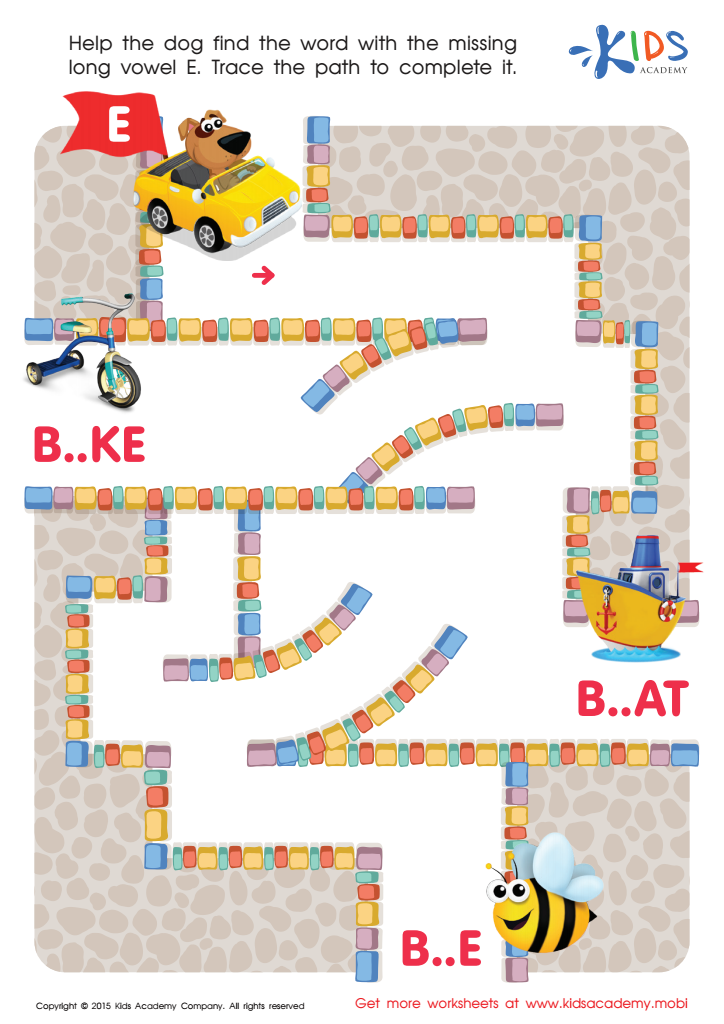
Long Vowel Sound E Worksheet
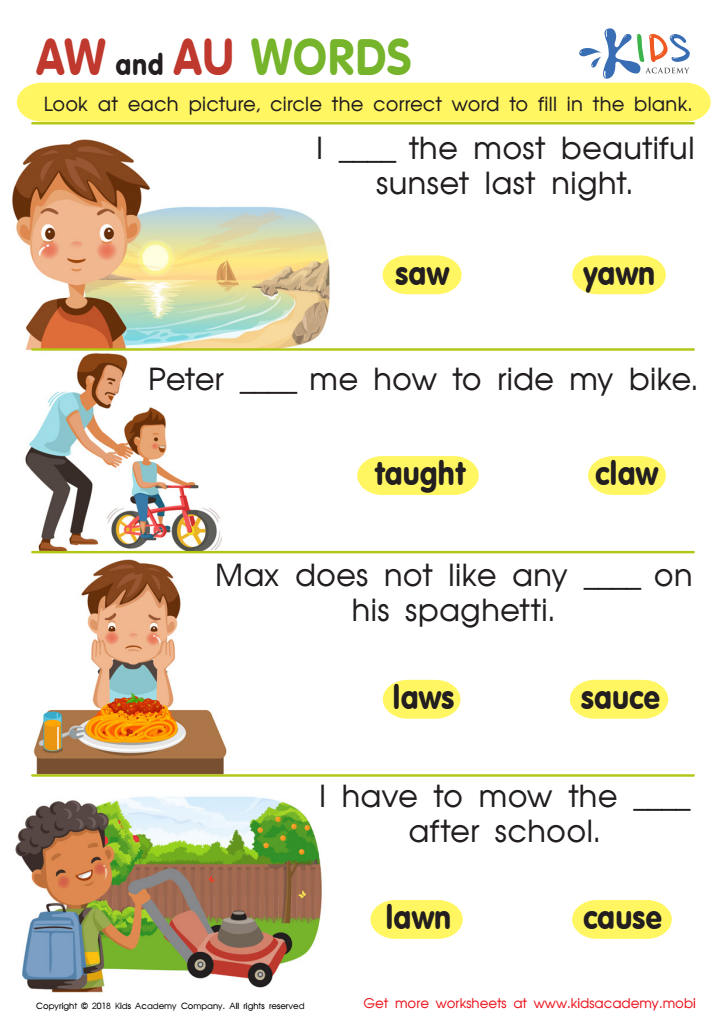
Reading: AW and AU Words Worksheet





Word recognition is a critical component of literacy development, particularly for children ages 6-9. During this stage, typically developing readers transition from learning to read to reading to learn. Understanding normal vowel patterns is crucial as vowels are the building blocks of words and play a vital role in phonics and decoding. When children recognize and understand vowel sounds, they can apply this knowledge to read new and familiar words fluently.
Parents and teachers should prioritize word recognition of normal vowels because it directly impacts students’ fluency, comprehension, and overall reading confidence. Improved word recognition allows children to focus on understanding what they are reading instead of getting stuck on decoding. Moreover, proficiency in recognizing vowel sounds enhances spelling skills and pronunciation, laying a strong foundation for literacy and communication.
Encouraging practice in word recognition fosters a positive reading experience for children, igniting their interest in books and further learning. As children master these vital components, they are more likely to develop a lifelong love for reading, which is essential for academic success and personal growth. Therefore, supporting children in their journey towards proficient word recognition, especially in their early years, is imperative for parents and educators alike.






