Reading comprehension Normal Coloring Pages Worksheets for Ages 6-9
5 filtered results
-
From - To
Unlock a world of imagination and learning with our Reading Comprehension Normal Coloring Pages Worksheets for ages 6-9. These engaging worksheets blend art and education, allowing young learners to color while enhancing their reading skills. Each page features captivating illustrations related to age-appropriate stories, designed to spark curiosity and promote comprehension. As children color, they will also focus on key concepts such as character analysis, setting recognition, and story sequencing, making learning enjoyable and interactive. Perfect for classroom activities or at-home practice, these worksheets support literacy development in a fun, creative way. Inspire creativity and foster a love for reading today!
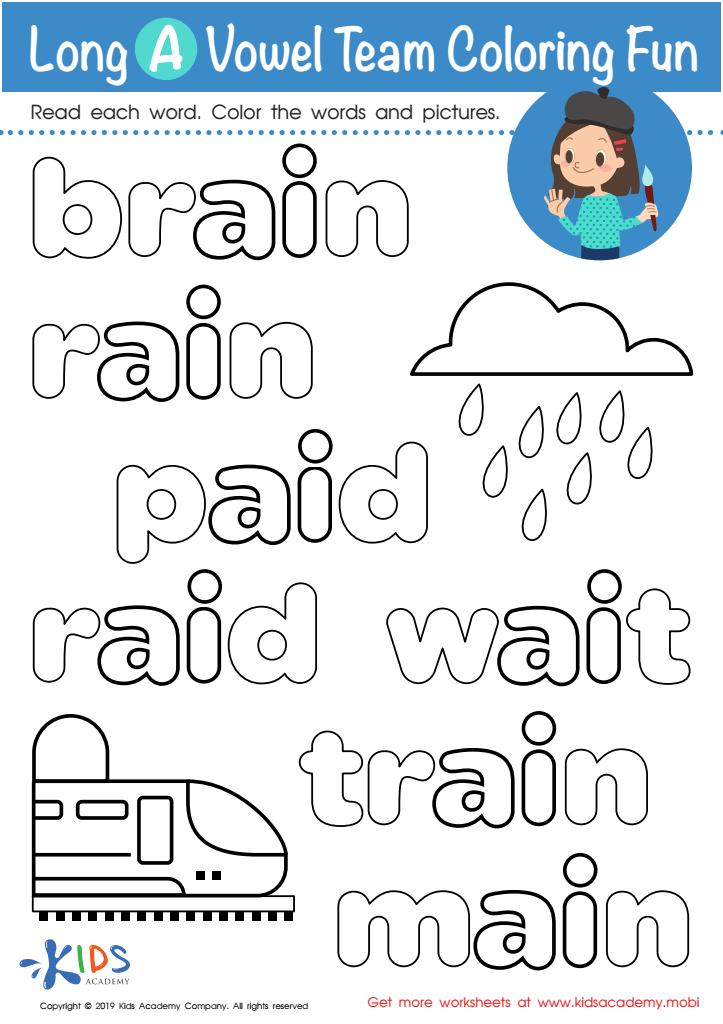
Long A Vowel Team Coloring Fun Worksheet
 Assign to My Students
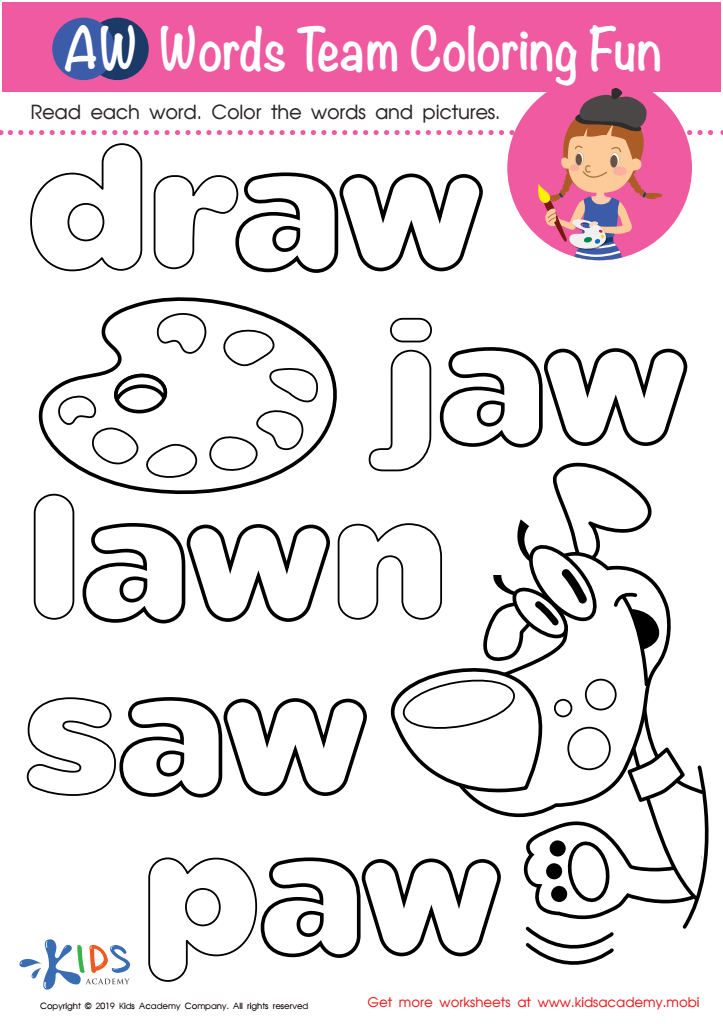
AW Words Team Coloring Fun Worksheet
Assign to My Students
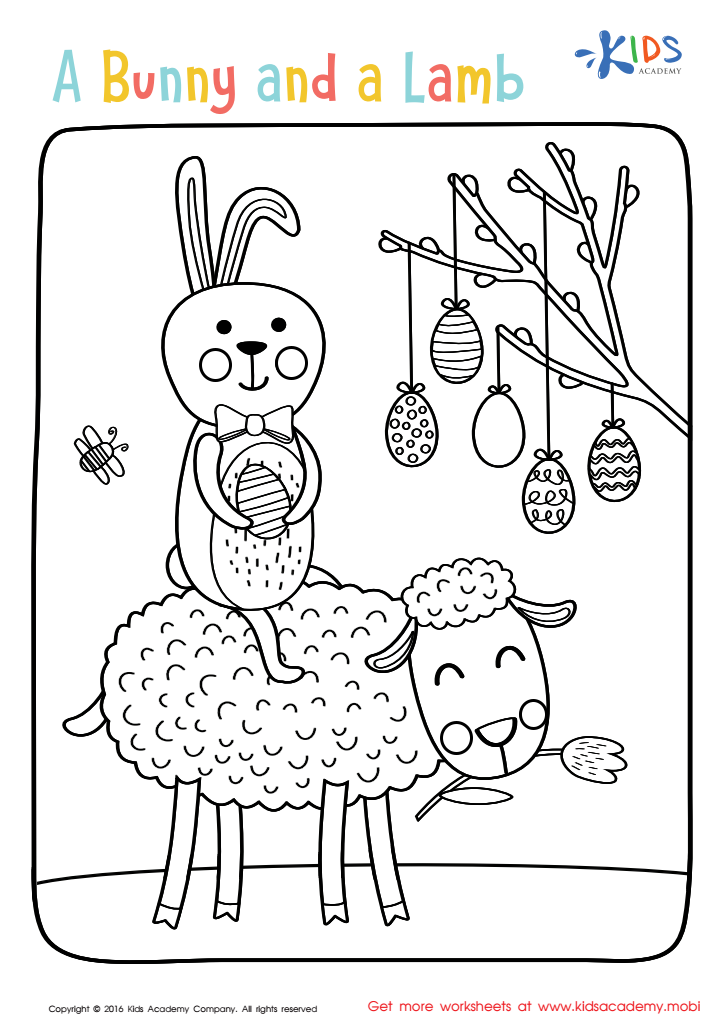
Easter: a Bunny and a Lamb Worksheet
Assign to My Students
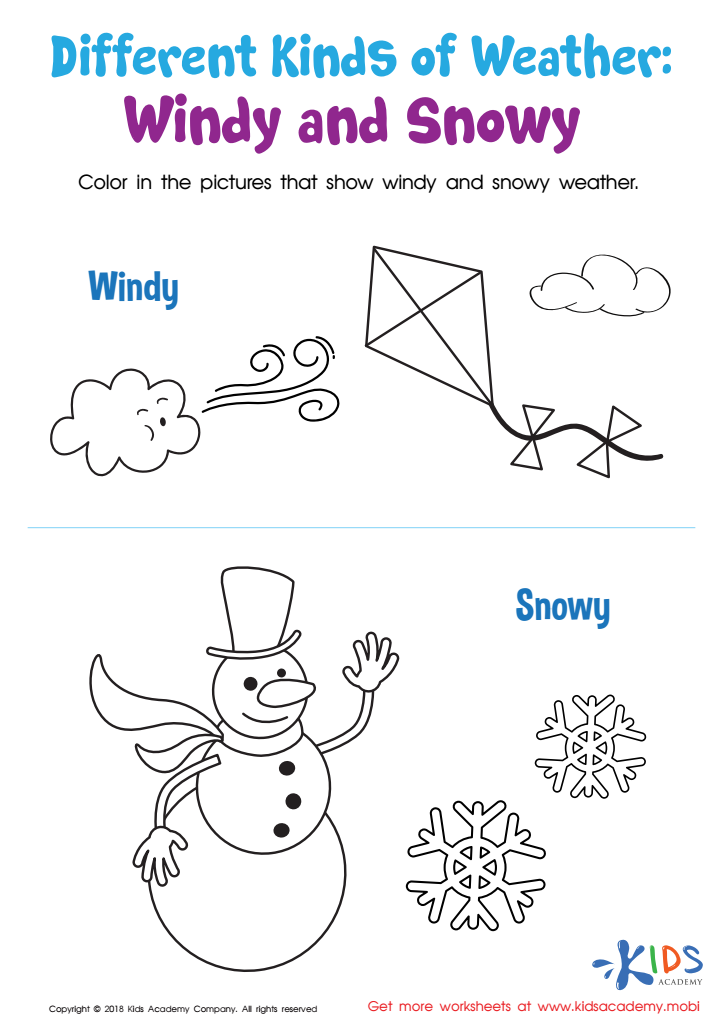
Different Kinds of Weather: Windy and Snowy Worksheet
Assign to My Students
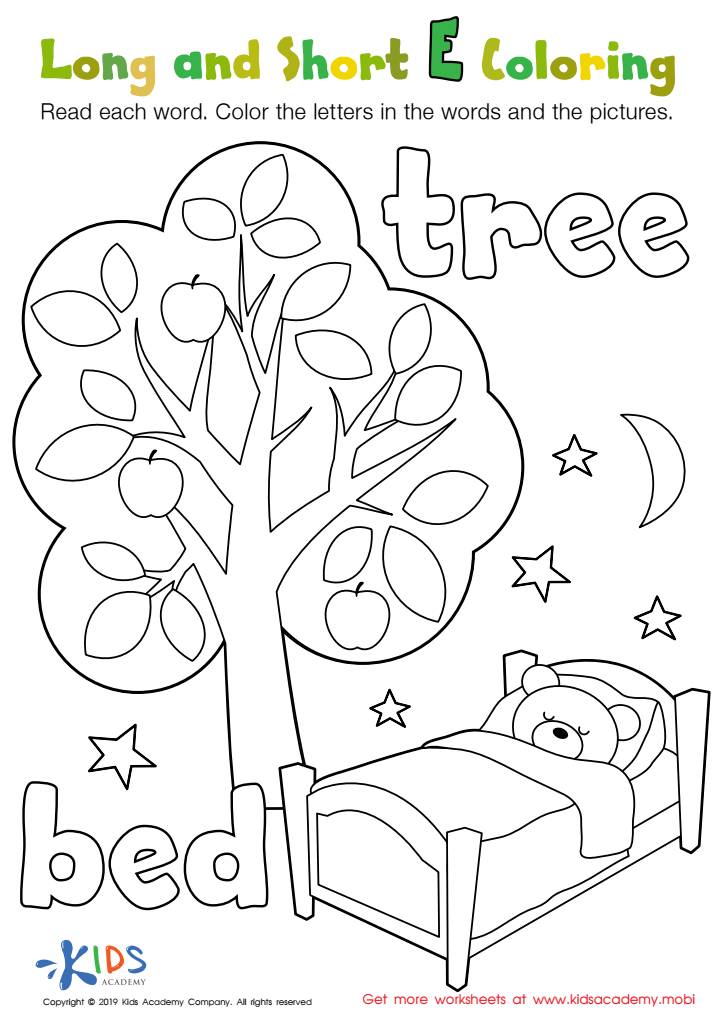
Long and Short E Worksheet
Assign to My Students






.jpg)
Parents and teachers should care about reading comprehension normal coloring pages for ages 6-9 because they serve as an engaging and effective tool for enhancing early literacy skills. At this developmental stage, children are beginning to refine their reading abilities and making connections between words and their meanings. Coloring pages that incorporate stories or reading exercises can significantly aid this process by combining visual creativity with comprehension tasks.
These interactive resources enhance focus and retention, allowing children to better understand the content they read. As they color, they can thoughtfully reflect on the story or concepts, which reinforces their learning and helps build critical thinking skills. Furthermore, coloring pages often feature positive themes and characters, making reading enjoyable and motivating.
Additionally, these activities can foster a collaborative learning environment. Parents and teachers can use them to facilitate discussions about the text, enhancing both comprehension and social skills. By promoting a love of reading in an enjoyable format, normal coloring pages create opportunities for children to express themselves and develop a lifelong appreciation for literacy. Ultimately, integrating these creative tools into educational practices can lead to improved reading outcomes for young learners.