Basic Mathematics Normal Worksheets for Ages 6-9
5 filtered results
-
From - To
Discover our Basic Mathematics Normal Worksheets designed specifically for children ages 6-9! These engaging, printable worksheets provide a fun and interactive way for kids to enhance their math skills. Covering essential topics such as addition, subtraction, and number recognition, these exercises cater to varying learning levels. Each worksheet features vibrant images and kid-friendly formats to keep young learners motivated and excited about math. Perfect for use at home or in the classroom, our resources ensure that children build a strong foundational understanding of basic mathematics while developing critical problem-solving abilities. Get ready to make math enjoyable and rewarding!
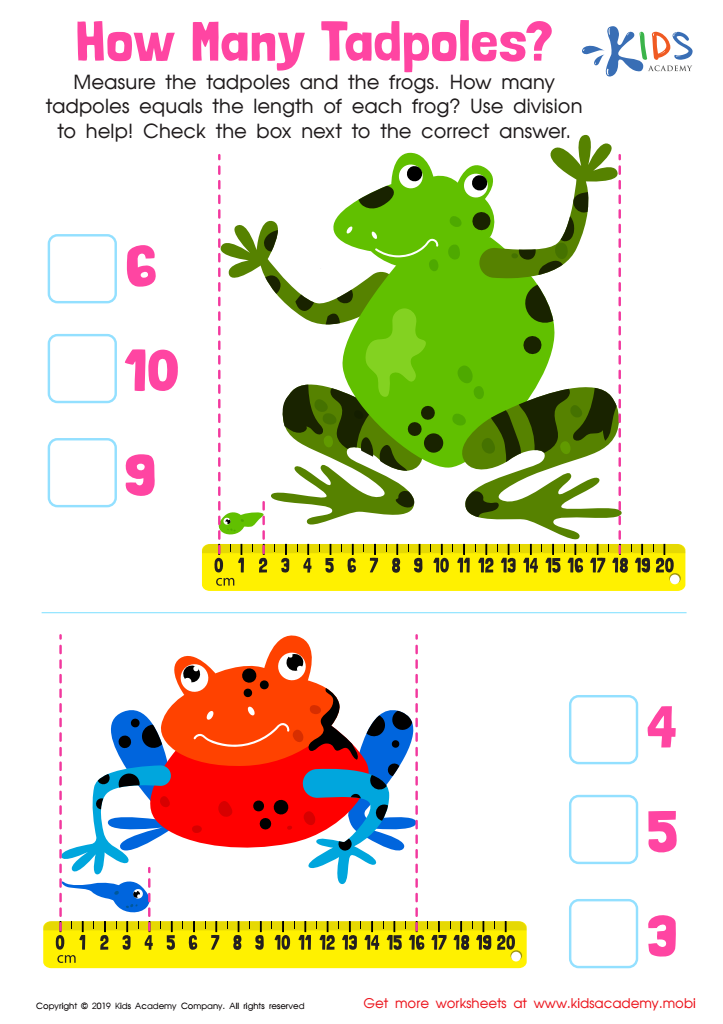
How Many Tadpoles Worksheet
 Assign to My Students
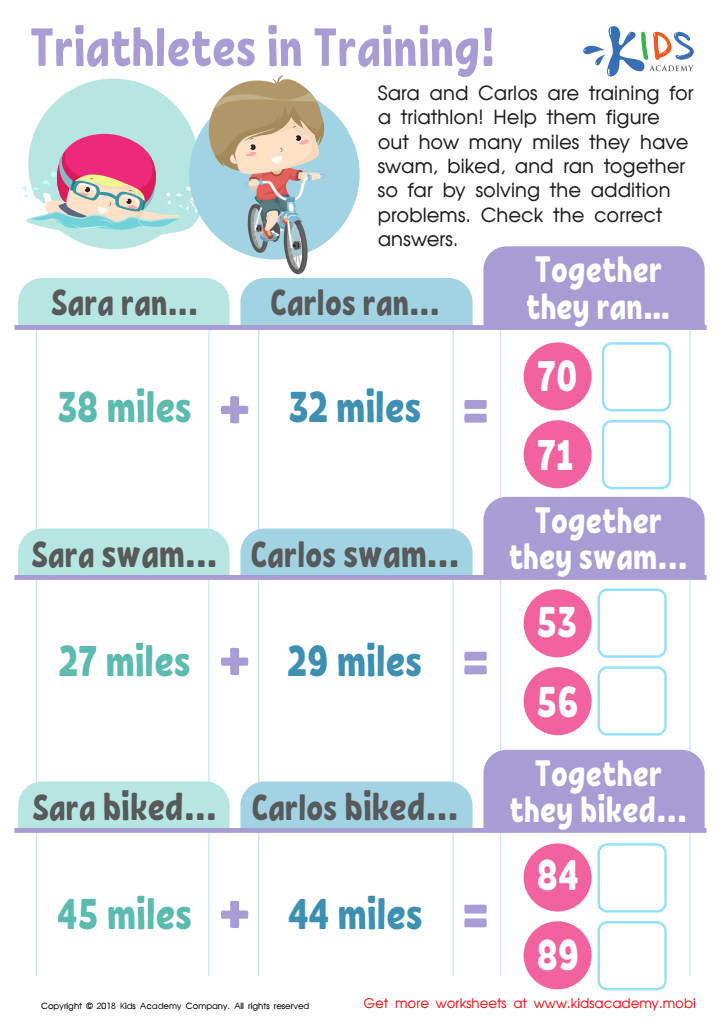
Triathletes in Training Worksheet
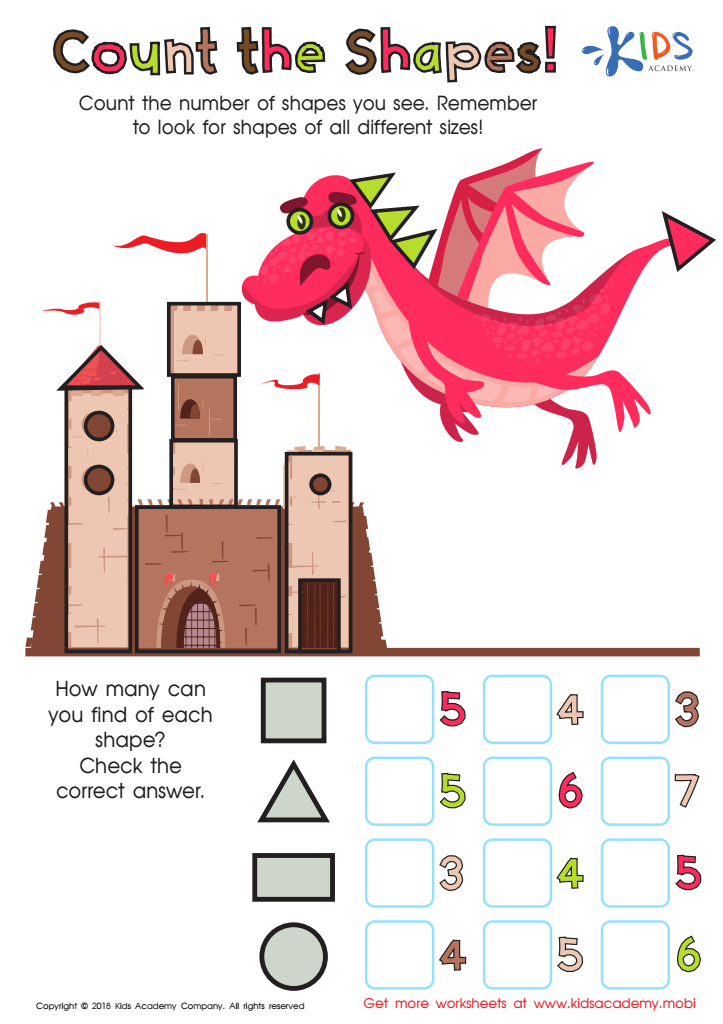
Count the Shapes Worksheet
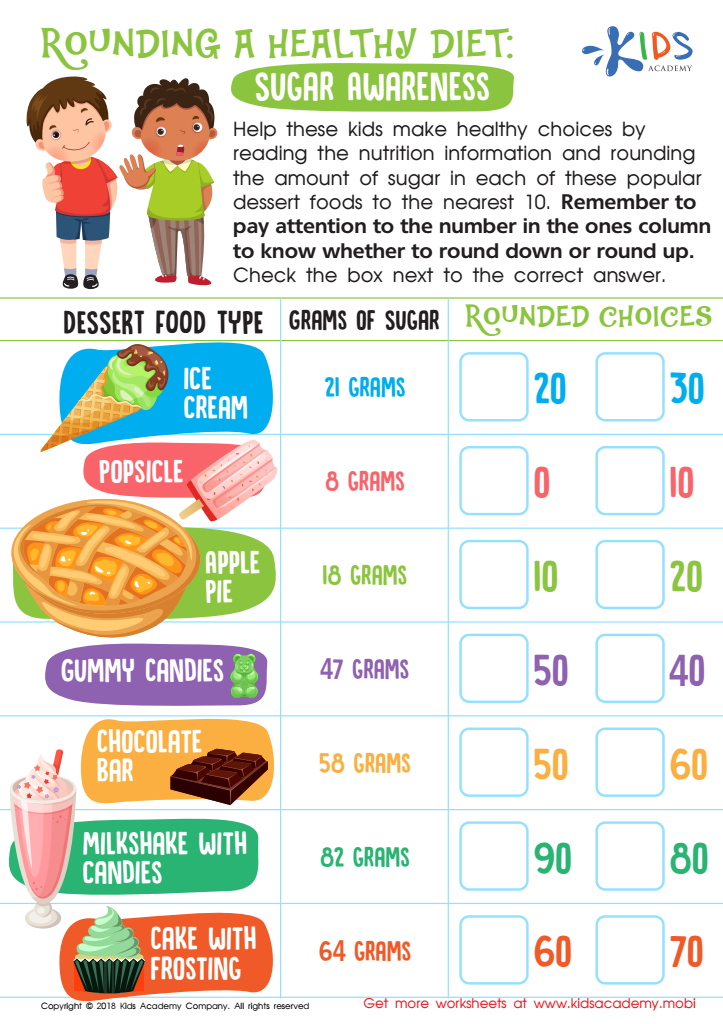
Rounding Healthy Diet Worksheet
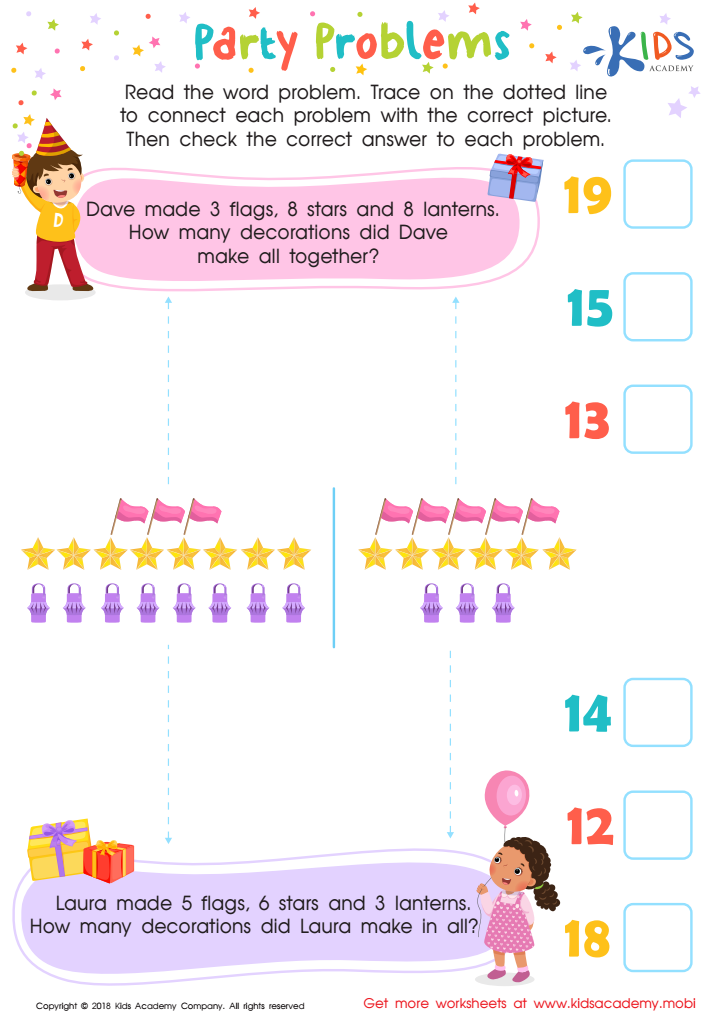
Party Problems Worksheet






Parents and teachers should prioritize basic mathematics for children aged 6 to 9 because this stage is crucial for developing foundational numerical skills that set the stage for future learning. During these years, children are naturally curious and eager to explore concepts like addition, subtraction, multiplication, and division. A solid grasp of these fundamental skills fosters critical thinking and problem-solving abilities, which are essential not only in mathematics but across all subject areas.
Understanding basic math concepts enhances children's confidence, enabling them to tackle more complex mathematical ideas later. Moreover, these skills help children make sense of the world around them, from managing money to recognizing patterns in nature. Engaging in math activities can also be a fun and interactive way to bond between parents and children.
Additionally, laying a strong mathematical foundation early on aligns with educational goals, ensuring that children meet learning standards. When parents and teachers work together to support children's mathematical growth, they create a positive learning environment that promotes enthusiasm for learning, helping to bridge gaps and nurture a lifelong appreciation for math. In sum, investing time and effort into basic mathematics for ages 6-9 pays lifelong dividends.








