Comprehension skills improvement Normal Worksheets for Ages 6-9
3 filtered results
-
From - To
At Kids Academy, our "Comprehension Skills Improvement Normal Worksheets for Ages 6-9" are thoughtfully designed to boost young learners' reading and understanding abilities. These engaging worksheets offer a range of activities that challenge children to think critically and enhance their comprehension skills in a fun and interactive way. By using age-appropriate texts and questions, we ensure that each child can develop at their own pace while enjoying the learning process. Perfect for both classroom and at-home use, our resources provide the foundation for lifelong reading success. Help your child master essential comprehension skills with Kids Academy today!
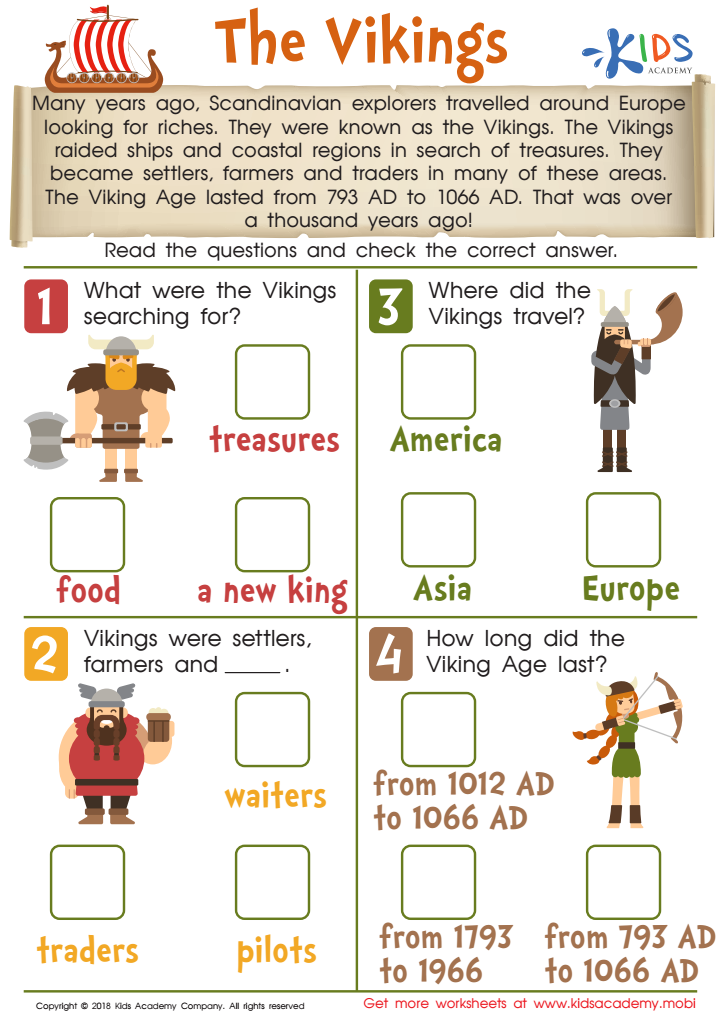
The Vikings Worksheet
 Assign to My Students
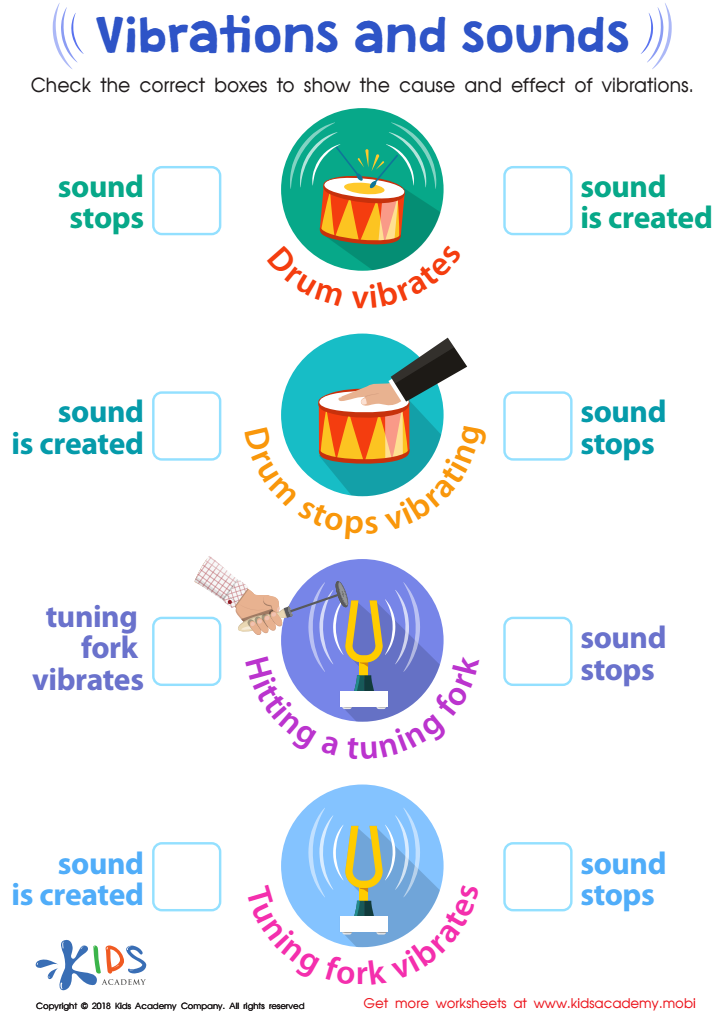
Vibrations and Sounds Worksheet
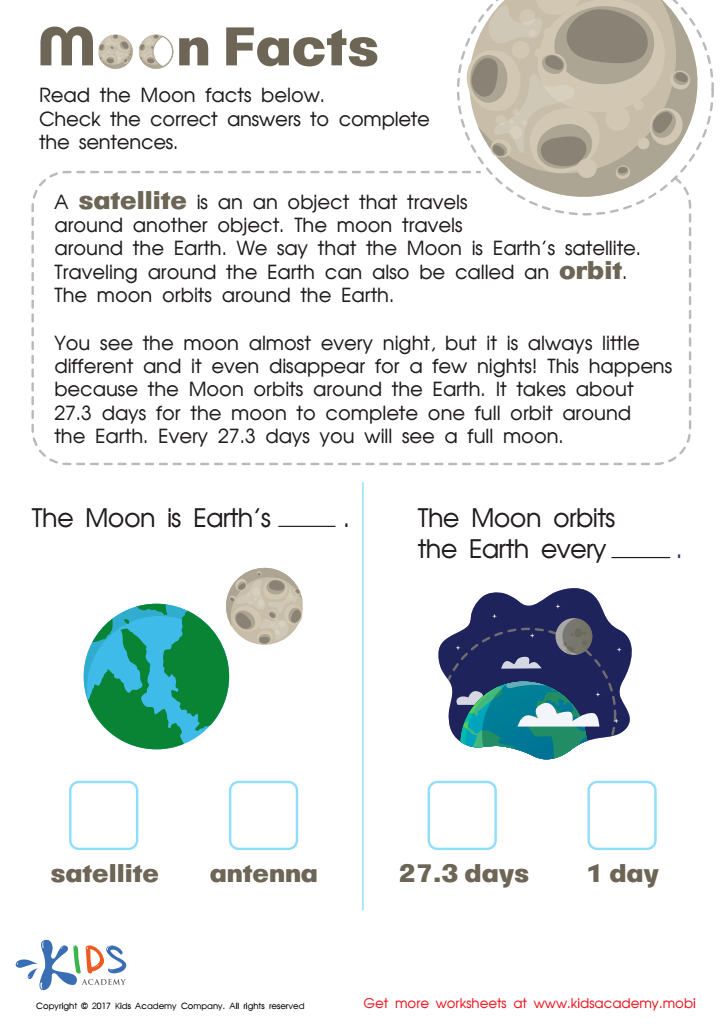
Moon Facts Worksheet



%20(1).jpg)




Comprehension skills are fundamental for children aged 6-9 as they form the cornerstone of their academic and personal development. At this stage, children transition from learning to read to reading to learn. Adequate comprehension skills enable children to grasp fundamental concepts in various subjects such as reading, math, science, and social studies.
Improving these skills ensures children can understand instructions, follow narratives, and engage with curricular content, making their educational experiences more effective and meaningful. Moreover, good comprehension skills are closely linked to language development. They help in expanding a child's vocabulary, improving their grammatical knowledge, and facilitating fluent communication. This leads to better writing and speaking abilities, essential for all academic areas and social interactions.
From a cognitive perspective, comprehension enhances critical thinking and problem-solving skills. A child who can analyze, infer, and understand text is better equipped to tackle complex questions and projects. Furthermore, strong comprehension skills boost confidence and motivation, fostering a positive attitude towards learning.
For parents and teachers, focusing on improving comprehension skills is an investment in a child's future. It not only aids in meeting current educational standards but also sets the foundation for lifelong learning and curiosity, ensuring that children are well-prepared for future academic challenges and real-world situations.








