Geographic Understanding Normal Worksheets for Ages 6-9
3 filtered results
-
From - To
Unlock your child's curiosity about the world with our Geographic Understanding Normal Worksheets, designed specifically for ages 6-9! These engaging, printable worksheets encourage young learners to explore fundamental geographical concepts, enhancing their knowledge of maps, continents, and key landmarks. Each worksheet offers a variety of activities, including identifying countries, understanding location cues, and recognizing geographic features. Perfect for home or classroom use, these resources promote critical thinking and inspire a love for geography. Foster your child's understanding of their place in the world while having fun! Download our worksheets today and watch their geographic skills soar!
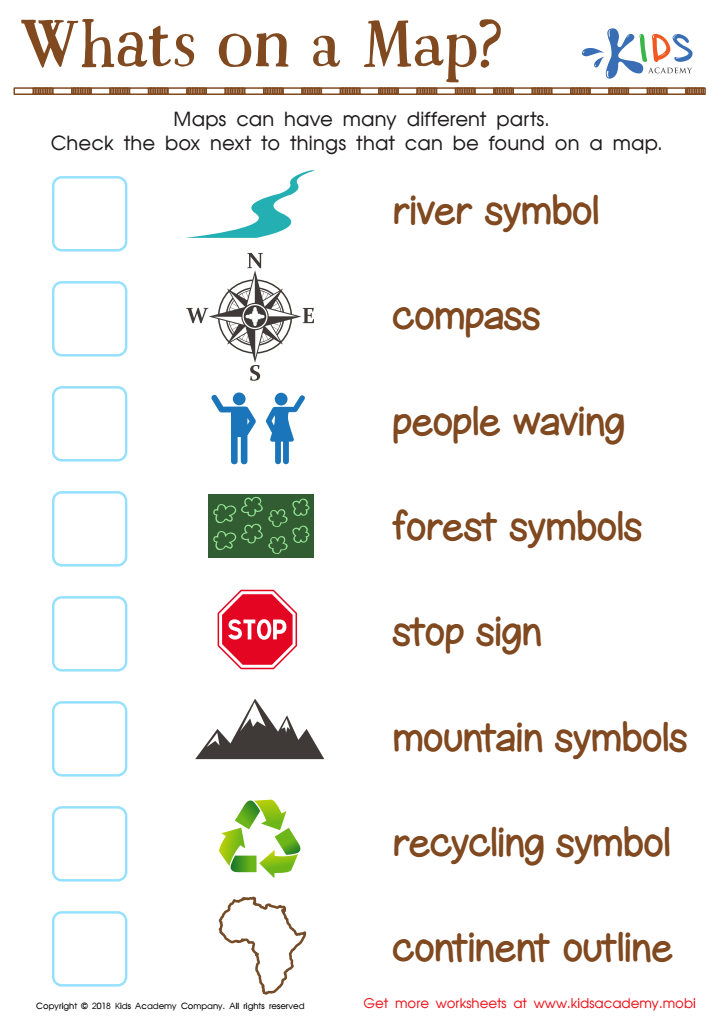
Whats on a Map? Worksheet
 Assign to My Students
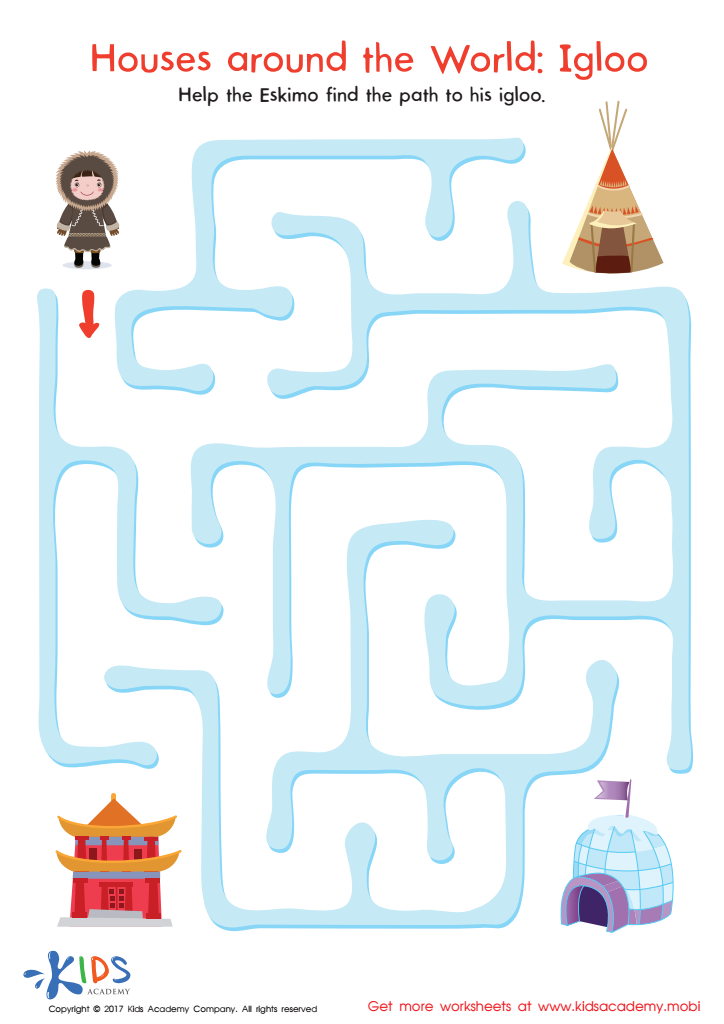
Houses Around the World: Igloo Printable
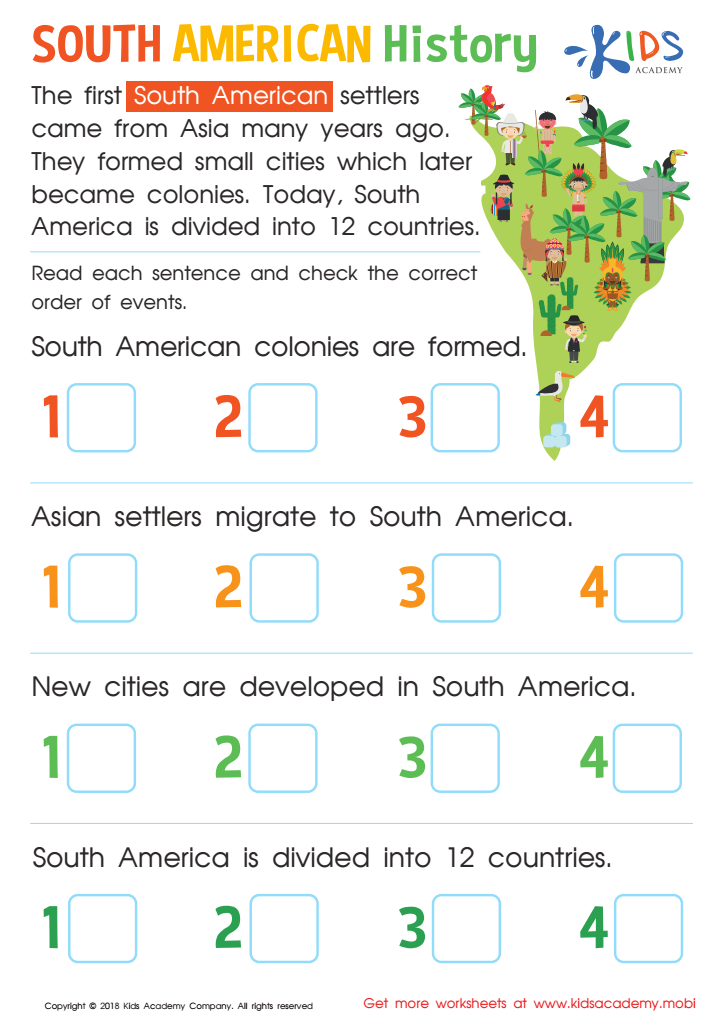
South American History Worksheet







Geographic understanding is crucial for children ages 6-9, as it lays the foundation for their perception of the world. By this age, children are naturally curious about their surroundings, and helping them develop geographic awareness fosters a sense of place and belonging. Understanding geography enables young learners to connect with their communities, recognize landmarks, and appreciate cultural diversity.
Teachers and parents should care about this because geographic literacy promotes critical thinking and problem-solving skills. It encourages children to explore concepts like maps, spatial relationships, and natural environments, which can enhance their observational skills and ignite interest in science and social studies.
Furthermore, familiarity with geographic concepts prepares children for global citizenship. As the world becomes increasingly interconnected, understanding different cultures, environments, and global issues becomes essential. This comprehension fosters empathy and respect for others, supporting a more inclusive society in the future.
In summary, promoting geographic understanding in early education not only enriches children's immediate learning experiences but also equips them with fundamental skills and knowledge that will serve them throughout their lives. Parents and teachers play a pivotal role in nurturing this understanding, shaping well-rounded, informed individuals.








