Geography knowledge Normal Worksheets for Ages 6-9 - Page 2
26 filtered results
-
From - To
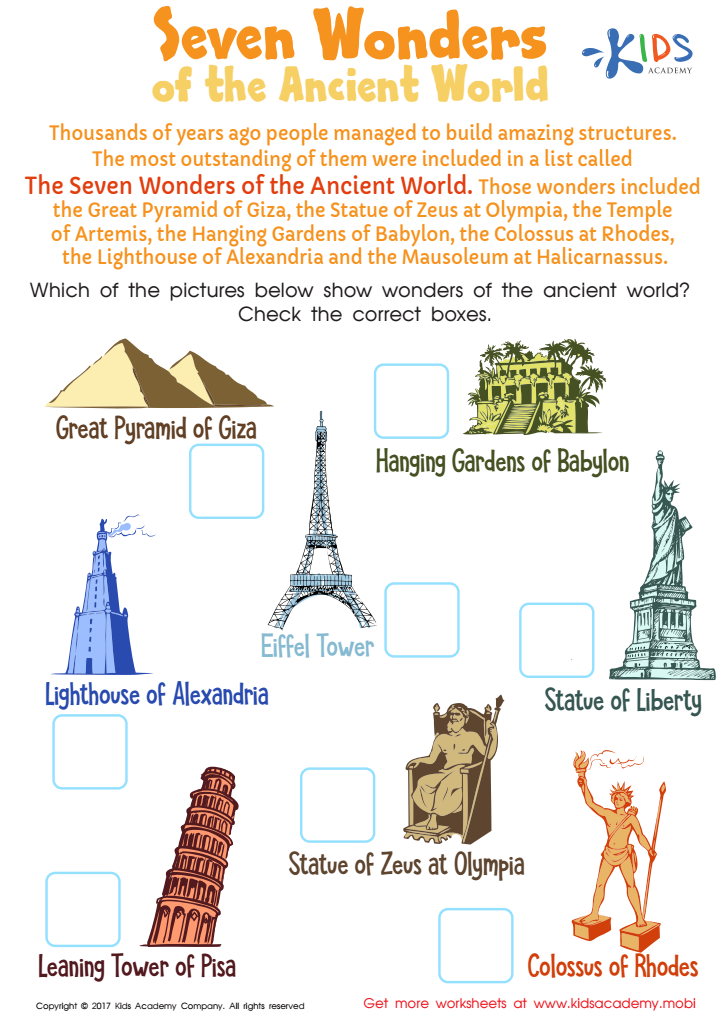
Seven Wonders of the Ancient World Worksheet
 Assign to My Students
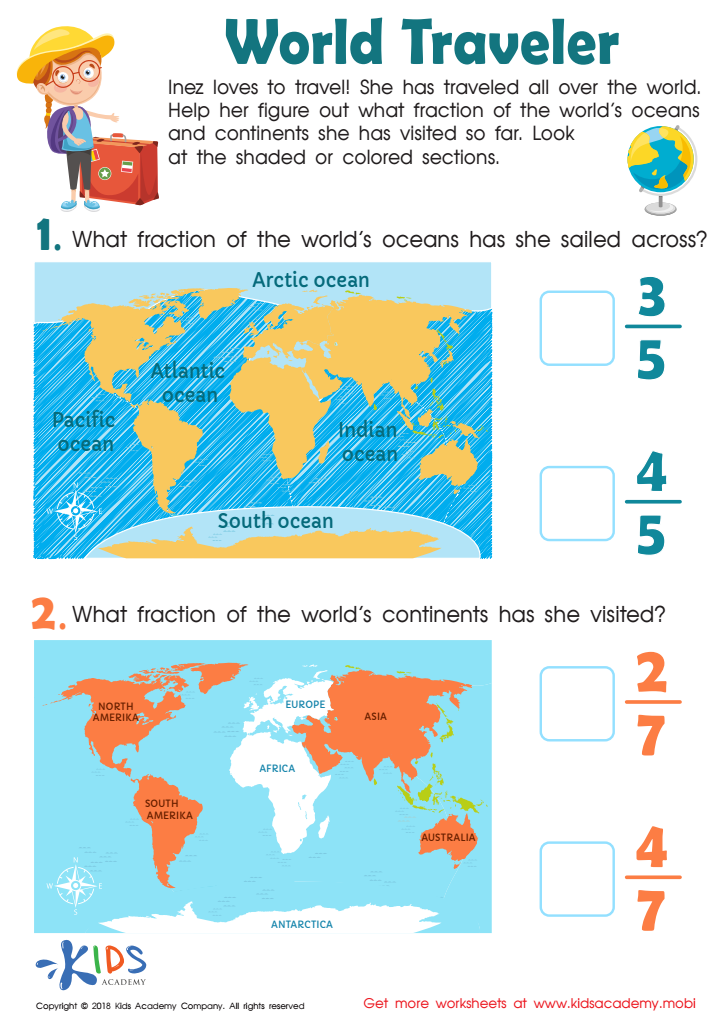
World Traveler Worksheet



.jpg)

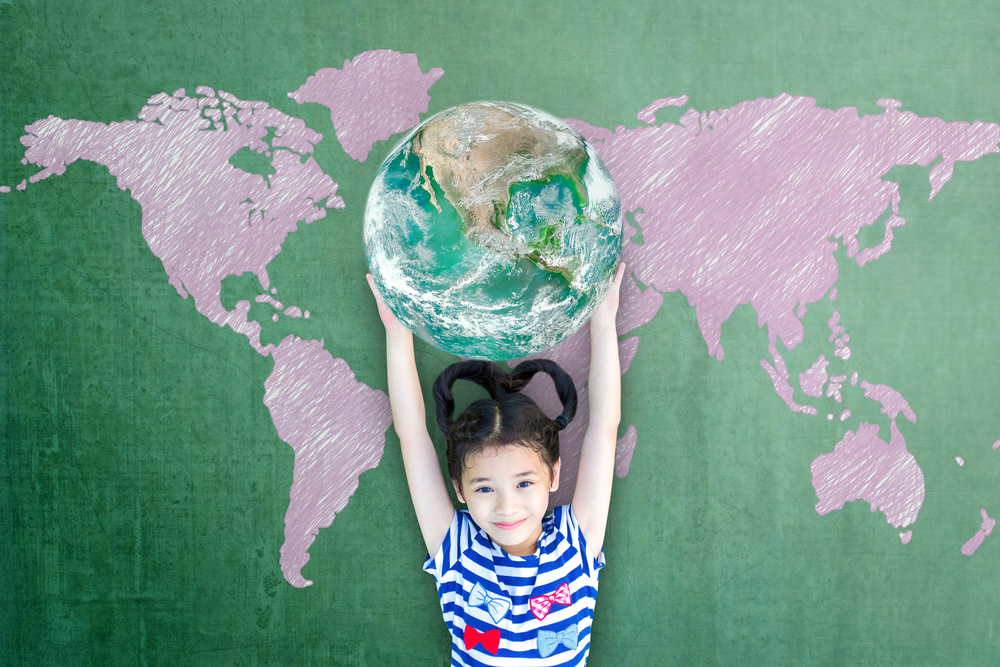


Geography is more than just knowing where places are on a map; it's a vital component of a well-rounded education that significantly benefits children aged 6-9. At this early stage, a child’s brain is like a sponge, readily absorbing new information and laying the foundation for future learning. Integrating geography at this age fosters a better understanding of the world, its diverse cultures, and global interconnections.
Key benefits include cognitive development and critical thinking. Geography educates young minds about different environments and the relationships between people and their surroundings, facilitating spatial thinking and problem-solving skills. Knowing how to read maps, understand scales, and identify geographical features nurtures children's ability to comprehend abstract concepts.
Moreover, a basic knowledge of geography equips children with cultural awareness and appreciation, fostering empathy, tolerance, and understanding of global diversity. They learn to appreciate various traditions, languages, and lifestyles, breaking down prejudices and contributing to their social development.
Furthermore, incorporating geography into early education lays the groundwork for future academic success. It bolsters subjects like history, science, and social studies by providing context and relevance. Engaged and informed students are likely to develop a sense of curiosity and value the interconnectedness of the world, essential qualities for lifelong learning and responsible global citizenship.








