Handwriting practice Normal Worksheets for Ages 6-9 - Page 3
57 filtered results
-
From - To
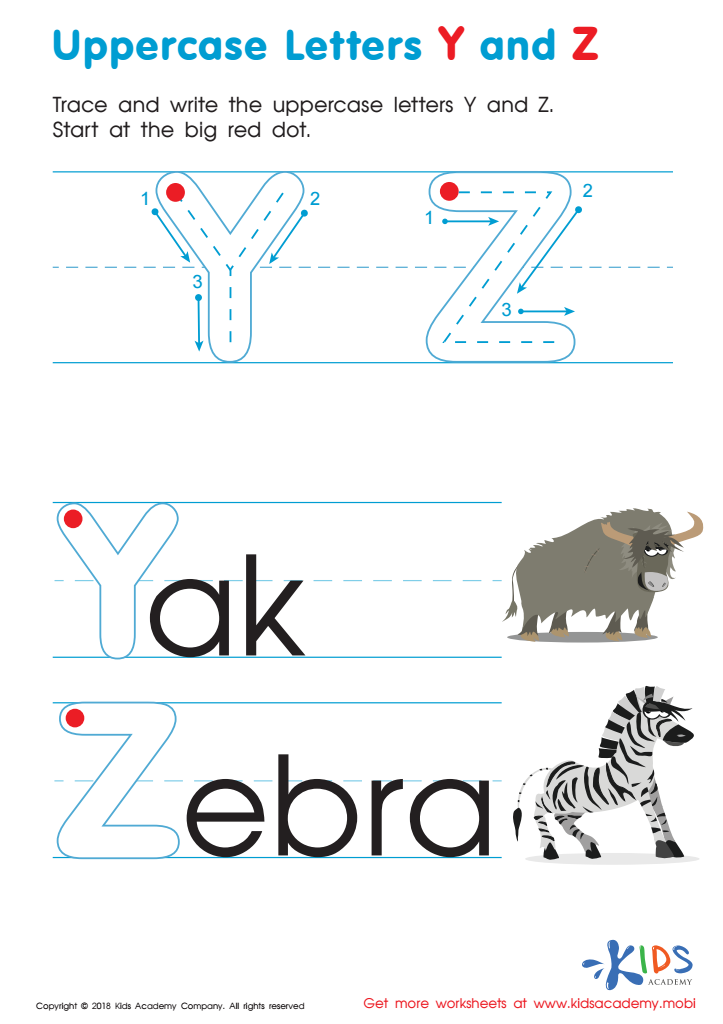
Uppercase Letters Y Z Worksheet
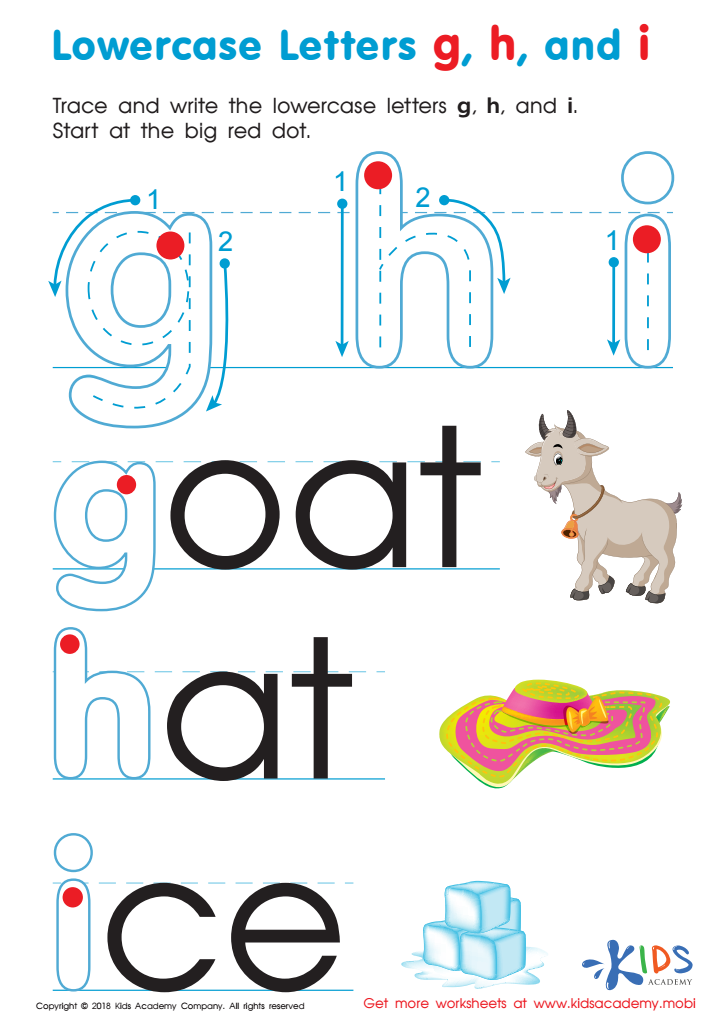
Lowercase Letters g h i Worksheet
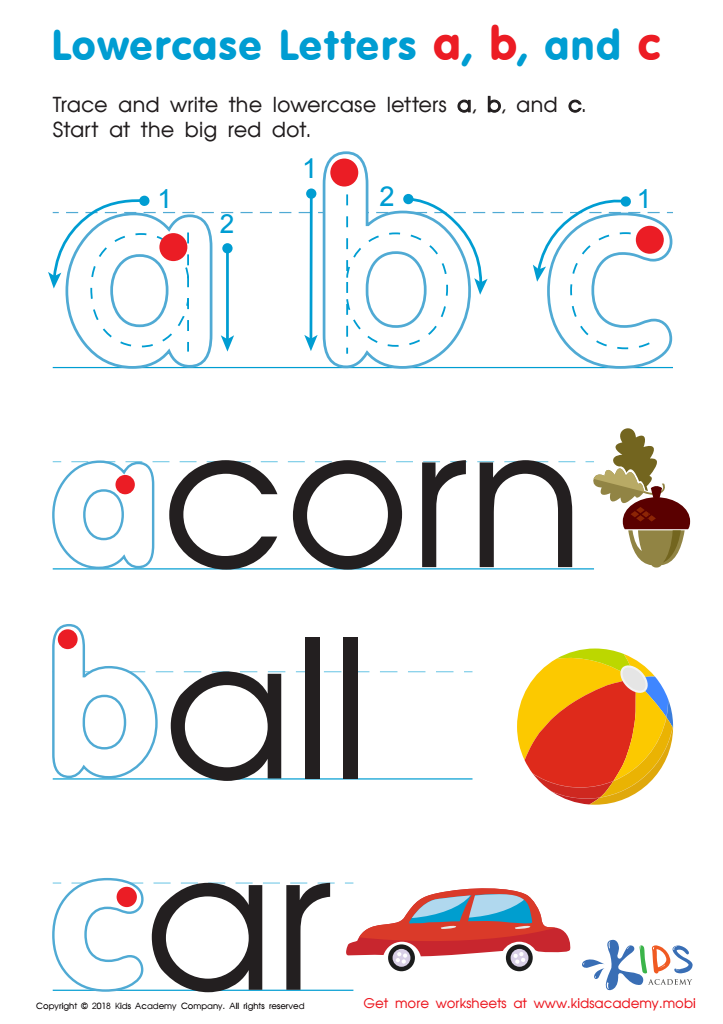
Lowercase Letters a b c Worksheet
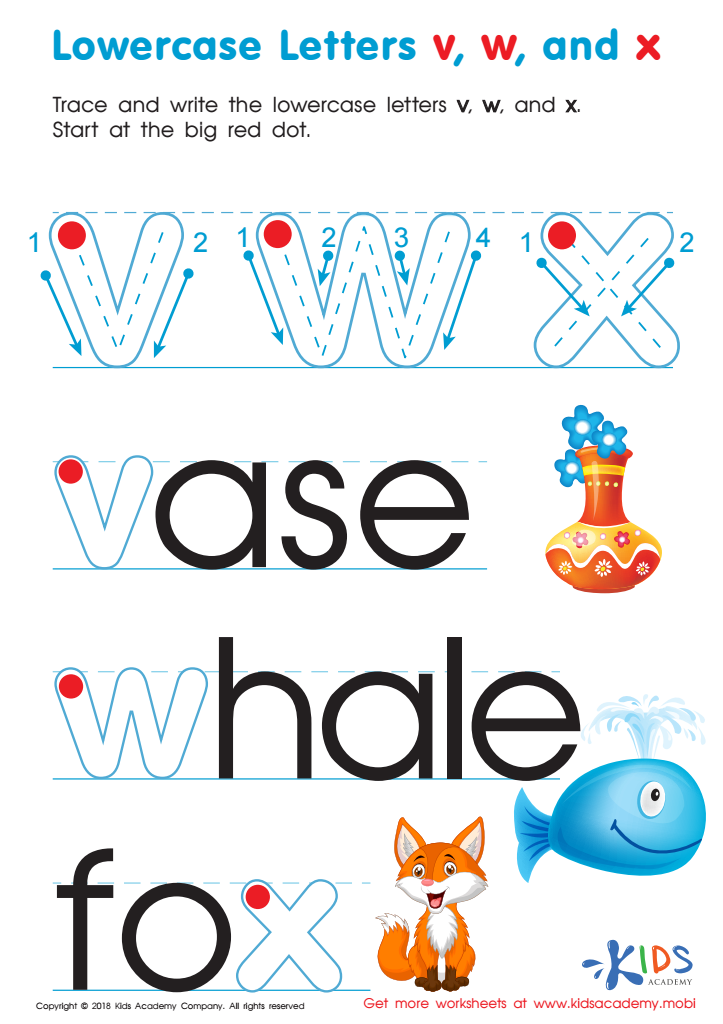
Lowercase Letters v w x Worksheet
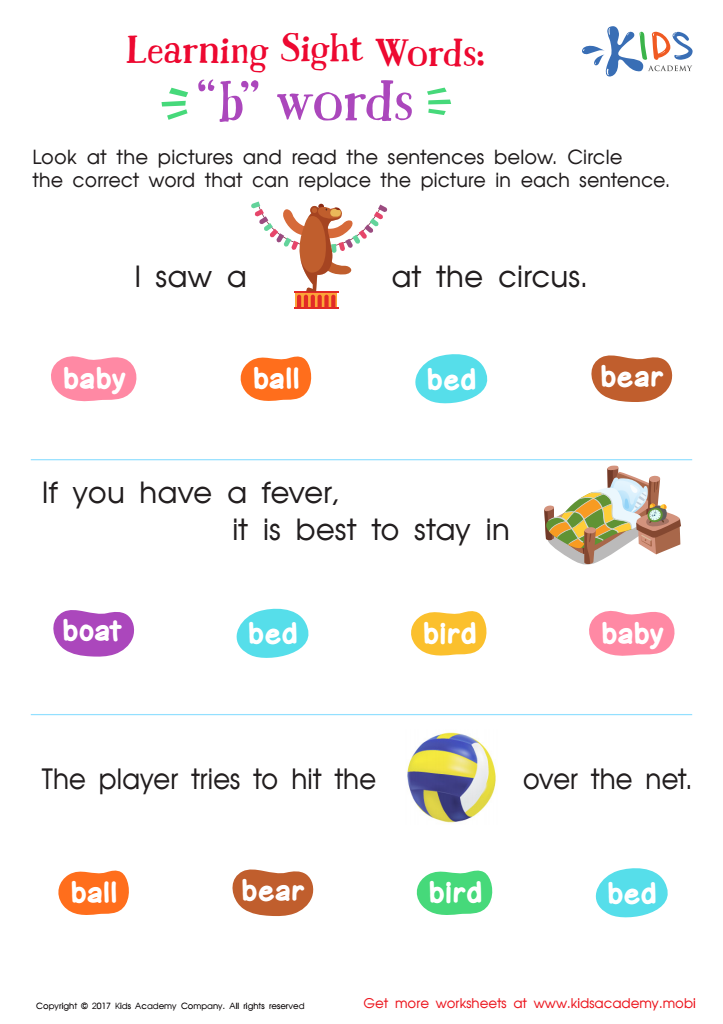
"B" Words Printable Sight Words Worksheet

Letter N Coloring Sheet
 Assign to My Students
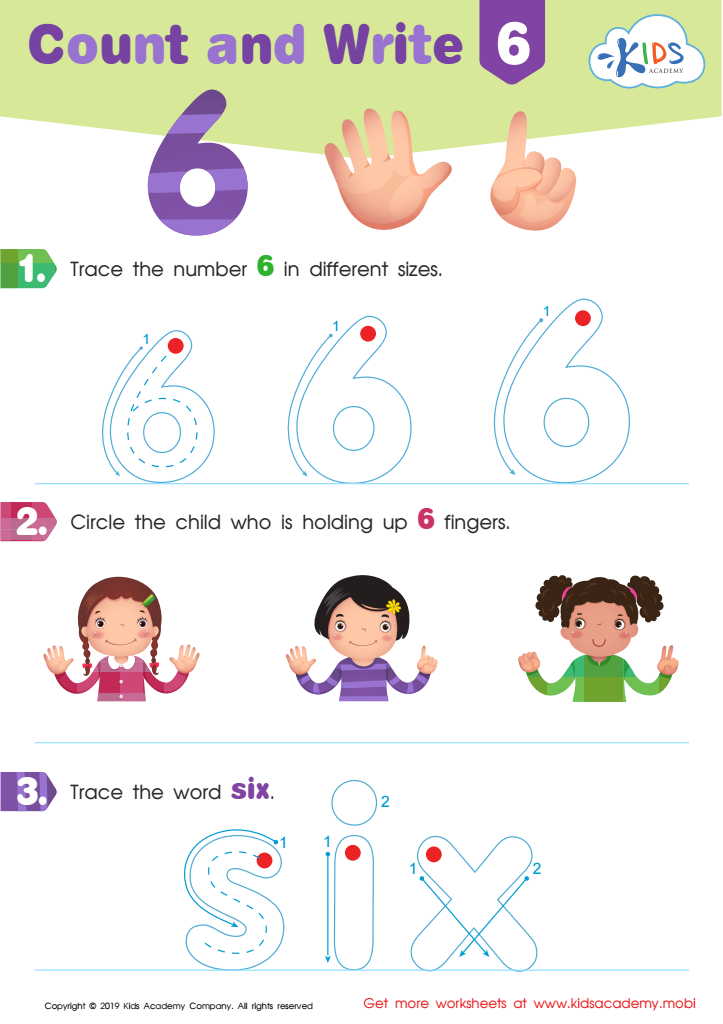
Count and Write 6 Worksheet
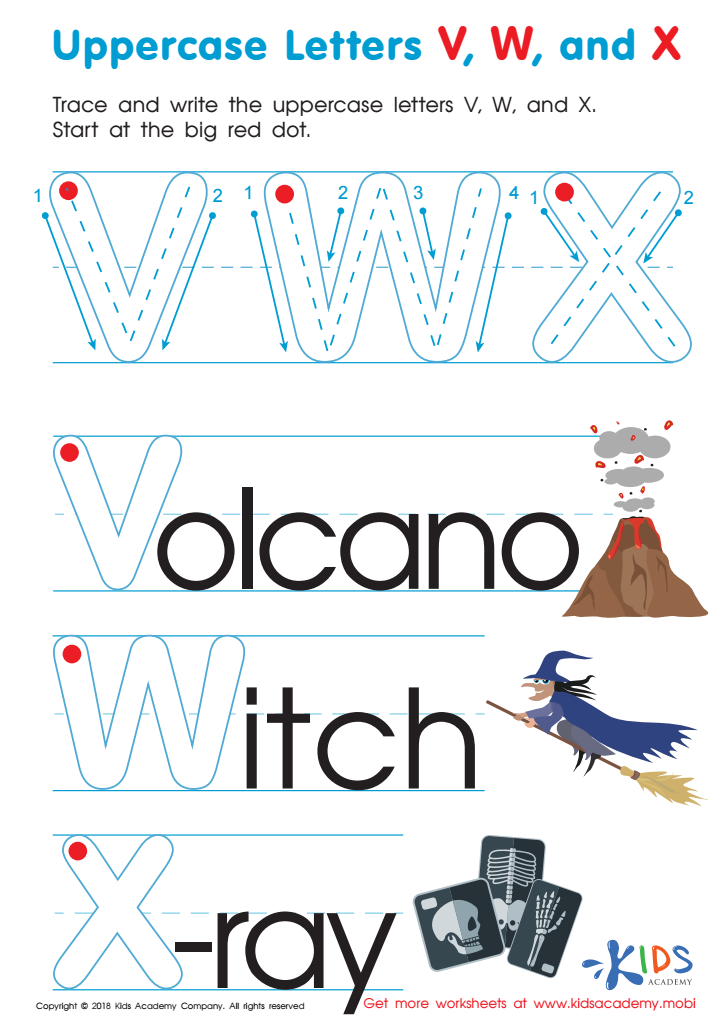
Uppercase Letters V, W, and X Worksheet
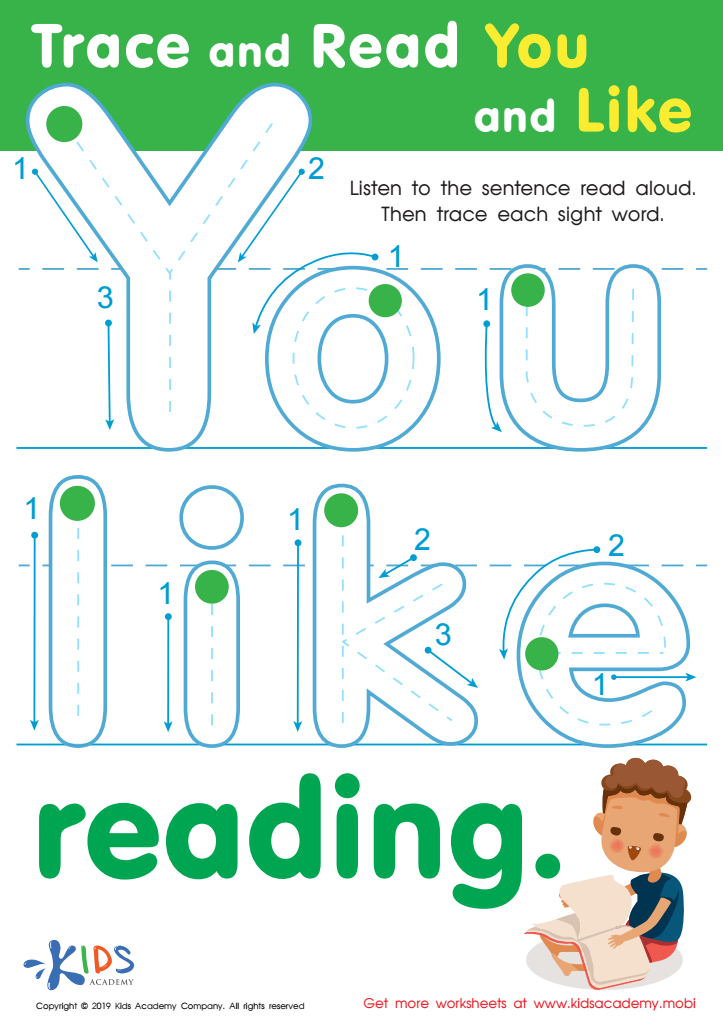
Trace Read You Like Worksheet







Handwriting practice is crucial for children aged 6-9 as it significantly influences their cognitive and motor development. During these formative years, children are refining their fine motor skills, and handwriting serves as an essential exercise for hand-eye coordination and dexterity. Research shows that writing engages different parts of the brain, which enhances memory retention and understanding.
Additionally, handwriting cultivates a child's ability to express thoughts clearly and effectively. As they practice, they also develop a sense of pride in their work, boosting self-esteem and motivation.
In an increasingly digital world, the ability to write legibly and with confidence remains invaluable. Effective handwriting contributes to academic performance across all subjects, while poor writing can lead to frustration and hinder communication skills.
Teachers and parents should prioritize handwriting practice in learning routines, incorporating engaging activities to make it enjoyable. Skillful handwriting allows children to communicate their knowledge more effectively in both written assignments and daily interactions. By valuing and encouraging this practice, adults can help children establish a strong foundation for academic success and personal expression that will serve them throughout their lives.








