Identifying Animals Normal Worksheets for Ages 6-9
3 filtered results
-
From - To
Discover our engaging "Identifying Animals Normal Worksheets" designed specifically for children ages 6-9. These educational resources aim to enhance young learners' understanding of various animal species, their habitats, and characteristics. With a variety of fun and interactive exercises, kids will enjoy sorting, matching, and identifying animals, while developing crucial observational and critical thinking skills. Our meticulously crafted worksheets align with grade-appropriate learning standards, making them an effective tool for classroom use or at-home study. Spark your child's curiosity about wildlife and nurture their love for nature with these delightful worksheets! Perfect for parents and educators alike seeking quality resources for early development.
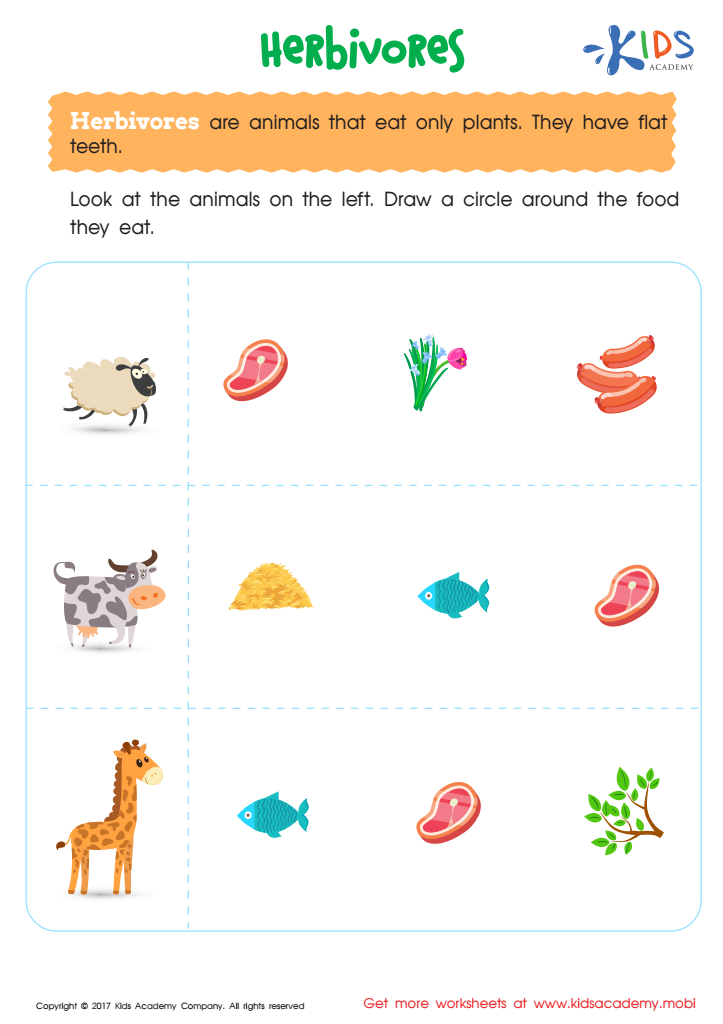
Herbivores Printable
 Assign to My Students
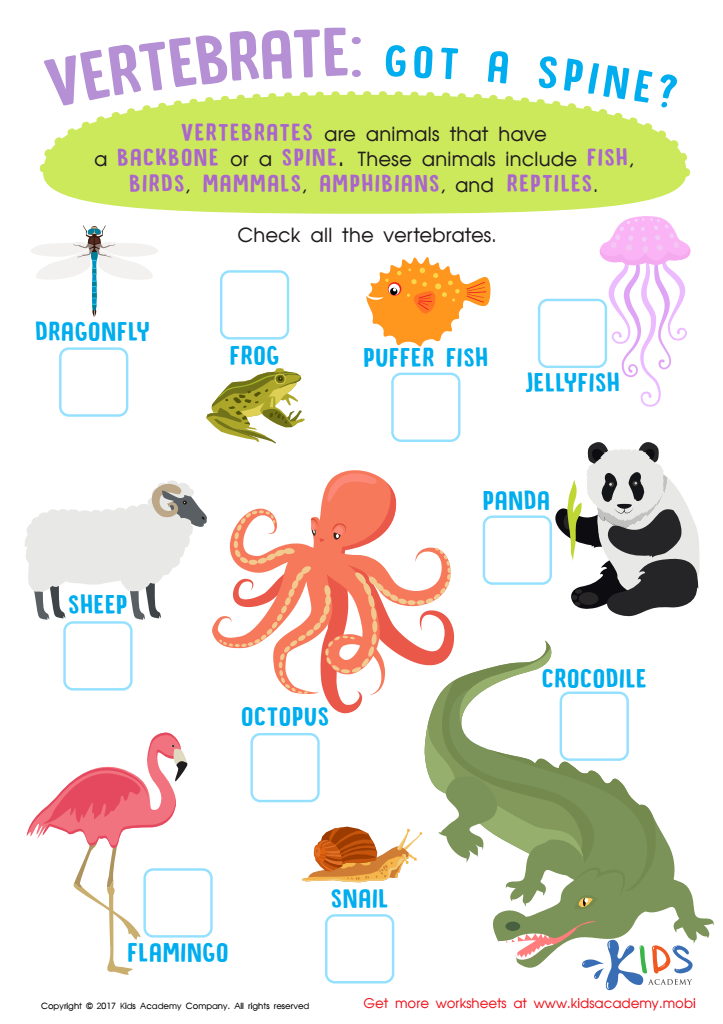
Vertebrates Animals Worksheet for 3rd Grade
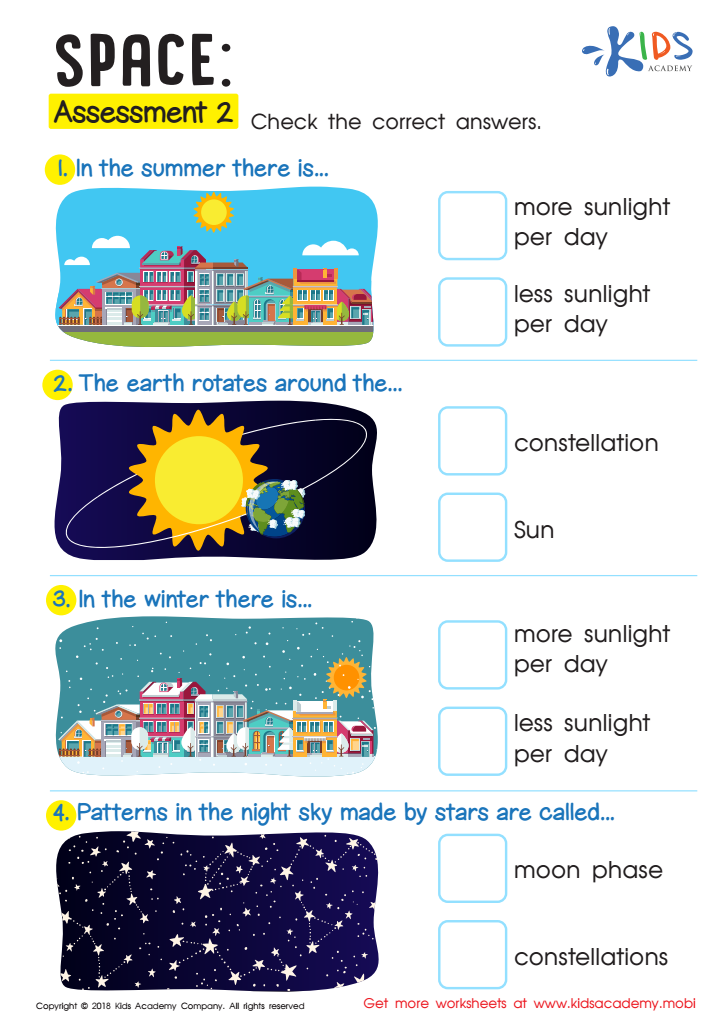
Space: Assessment 2 Worksheet







Identifying animals is a crucial skill for children aged 6 to 9, as it fosters curiosity about the natural world and enhances their understanding of biodiversity. Parents and teachers should care about this developmental milestone because it drives engagement with science, promotes observational skills, and nurtures children's ability to classify and categorize living things. Moreover, recognizing different animals and their habitats encourages environmental awareness and empathy towards wildlife, instilling a sense of responsibility in future stewards of the planet.
Engaging with animal identification activities also aids cognitive development, enhancing vocabulary and critical thinking skills as children learn to associate names, characteristics, and behaviors with specific animals. This early exposure to science is essential for building a foundation for future learning, as it integrates literacy and numeracy through interactive discussions, drawing, and mapping exercises.
Additionally, such activities can nurture social skills when children work collaboratively to observe and identify creatures, whether in the classroom or while exploring outdoors. By incorporating animal identification into educational experiences, parents and teachers can foster a lifelong enthusiasm for learning, promoting curiosity and respect for nature that extends beyond the classroom. Ultimately, these skills lay the groundwork for responsible and informed citizenship in an increasingly interconnected world.








