Improve vocabulary Normal Worksheets for Ages 6-9
3 filtered results
-
From - To
Enhance your child's vocabulary with our interactive worksheets designed for ages 6-9! Our "Improve Vocabulary" worksheets make learning fun and engaging, helping young learners explore new words and their meanings. Each worksheet is filled with colorful illustrations and creative activities that encourage students to practice word association, expand their vocabulary, and improve their reading comprehension skills. Whether at home or in the classroom, these age-appropriate worksheets provide a perfect balance of challenge and enjoyment. Help your child become a confident communicator while fostering a genuine love for language! Dive into our collection today and watch their vocabulary blossom!
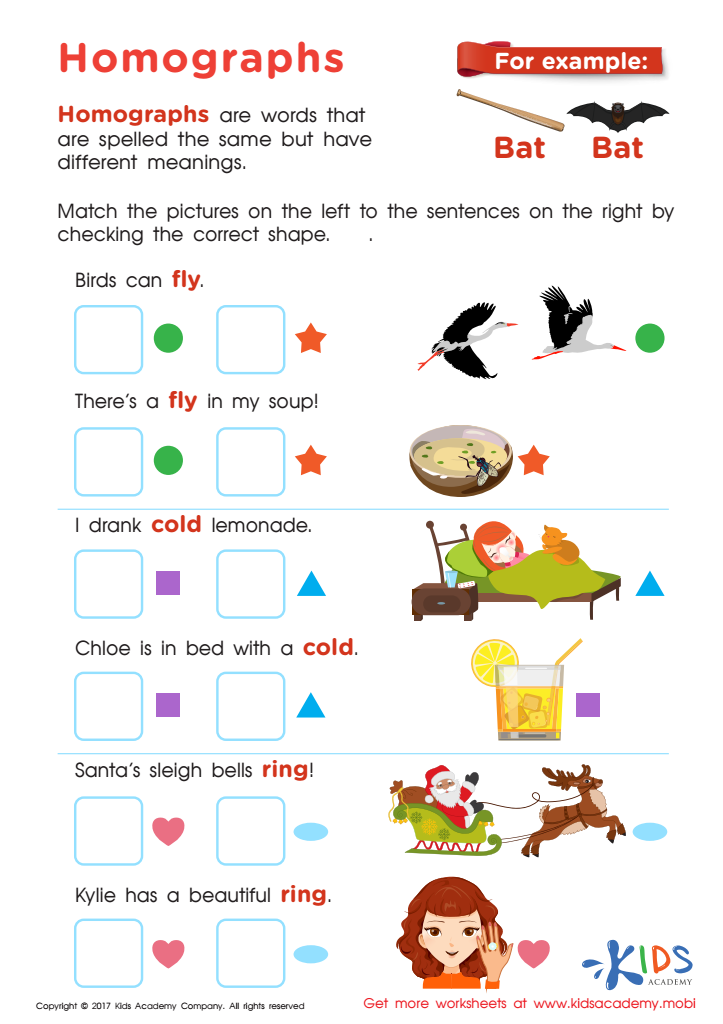
Homographs Free Printable Worksheet
 Assign to My Students
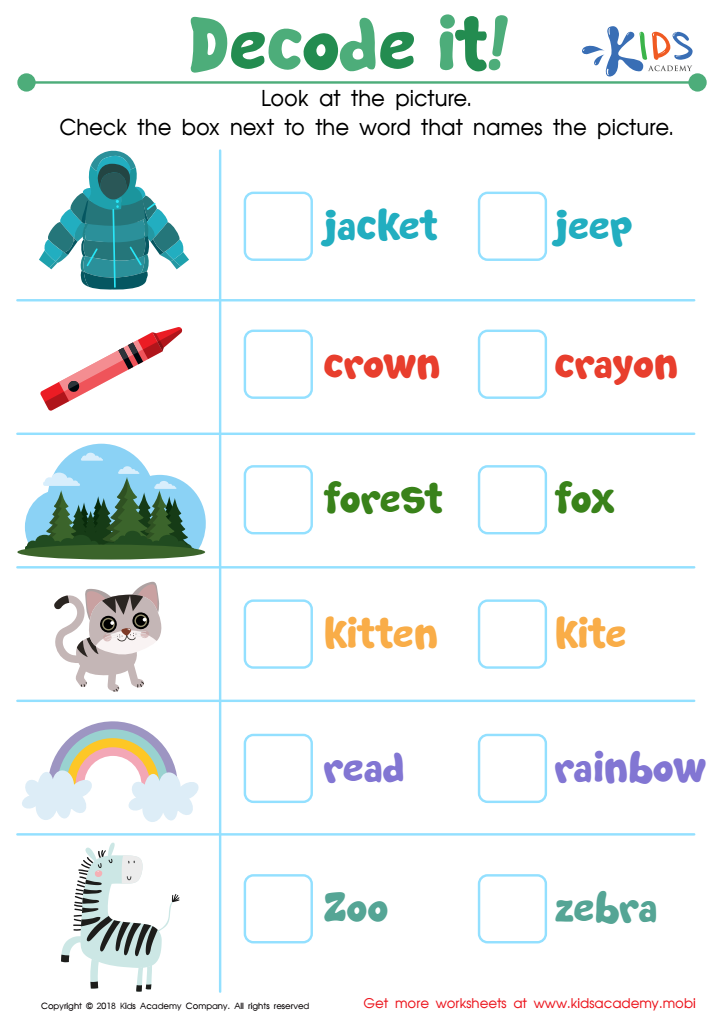
Reading: Decode It Worksheet
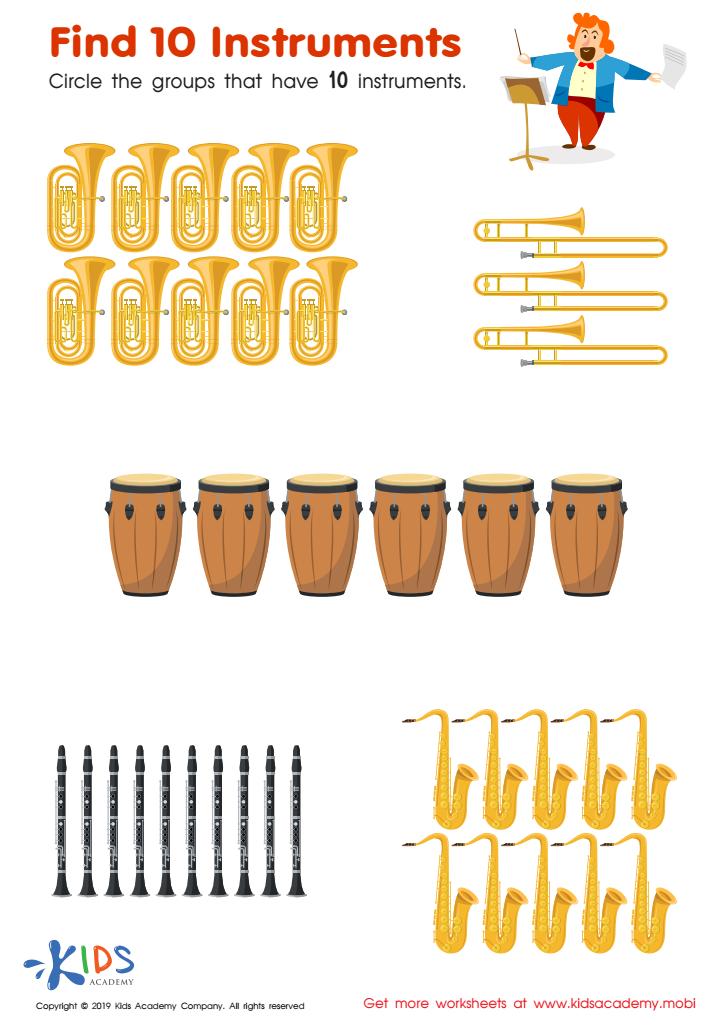
Find 10 Instruments Worksheet







Improving vocabulary in children aged 6-9 is crucial for their overall development and future success. At this stage, children are rapidly acquiring language skills, and a rich vocabulary plays a key role in their comprehension and communication abilities. A strong vocabulary helps children express themselves more clearly, fostering confidence in their speaking and writing skills.
Teachers and parents should prioritize vocabulary development because it enhances reading comprehension. As children encounter new words in texts, their ability to understand and analyze stories and information improves significantly. This is essential not only for academic success but also for developing critical thinking skills.
Furthermore, a robust vocabulary opens up broader opportunities for social interactions. Children who can articulate their thoughts and feelings more effectively are likely to build better relationships with peers and adults. This social proficiency can contribute to improved self-esteem and emotional intelligence.
Finally, investing in vocabulary improvement at this age sets a strong foundation for lifelong learning. As children progress through their education, a well-developed vocabulary will support their ability to grasp complex concepts, engage in discussions, and appreciate literature. Thus, fostering vocabulary growth is vital for nurturing well-rounded and capable individuals.








