Improving observation skills Normal Worksheets for Ages 6-9
4 filtered results
-
From - To
Enhance your child's observation skills with our engaging Normal Worksheets designed for ages 6-9. Kids Academy offers a variety of printable activities that will captivate young minds while sharpening their attention to detail. These worksheets focus on recognizing differences and similarities, detecting patterns, and noticing subtle changes in pictures and sequences. By practicing regularly, children will develop critical thinking and better concentration, essential for academic success. Perfect for home or classroom use, our expertly crafted worksheets make learning enjoyable and effective. Empower your child with the tools they need to become keen observers and confident learners. Explore our collection today!
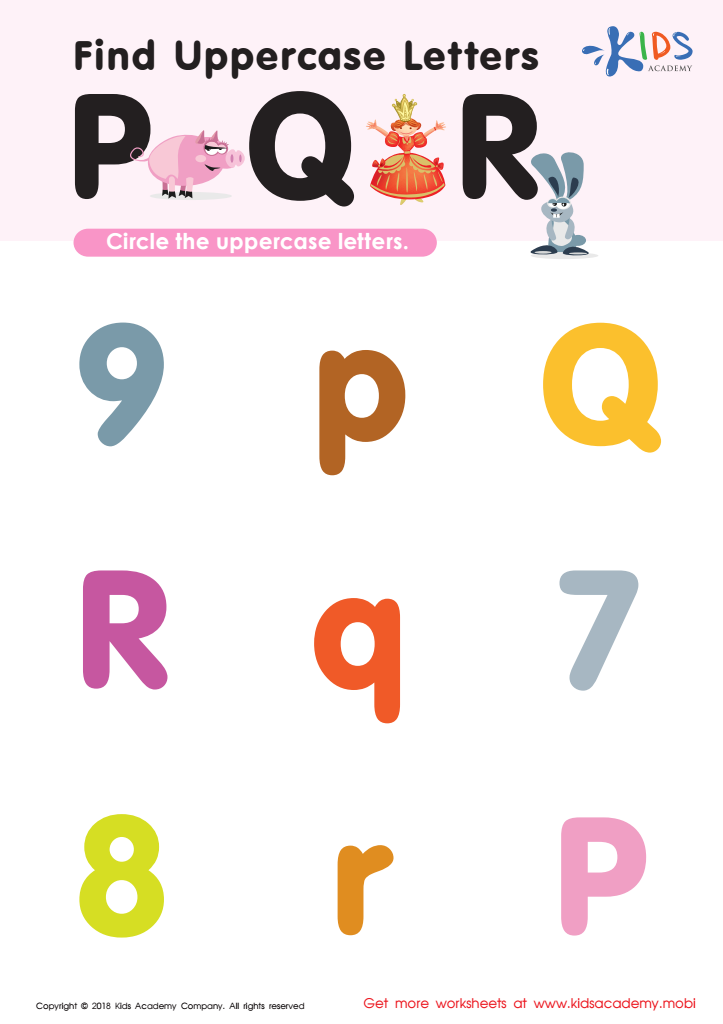
Find Uppercase Letters P, Q, and R Worksheet
 Assign to My Students
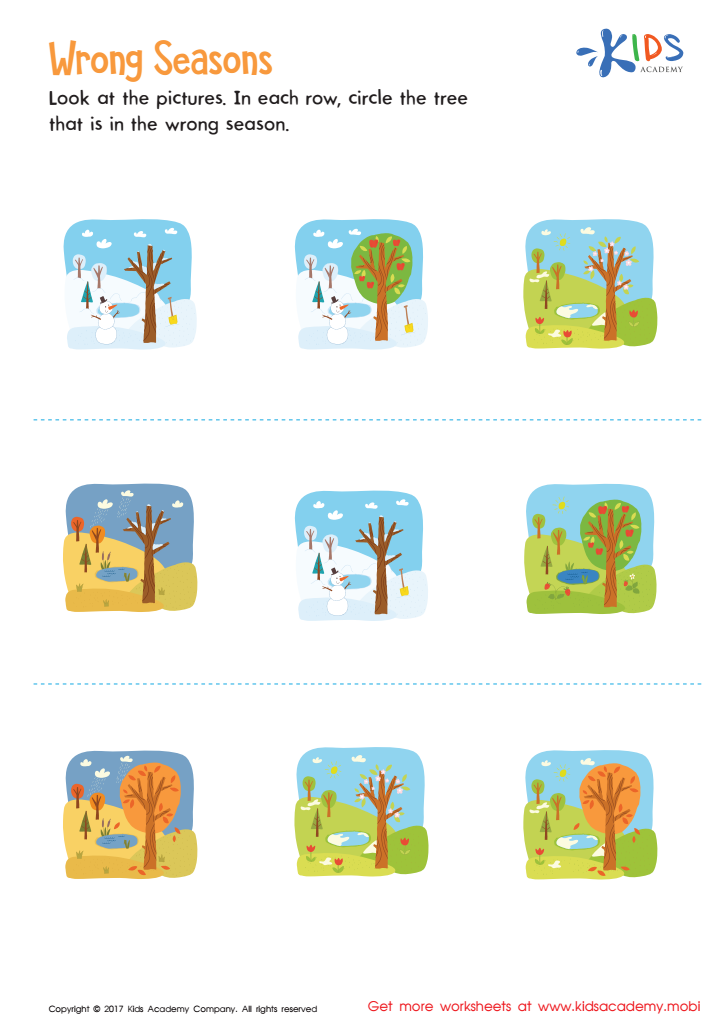
Wrong Seasons Worksheet
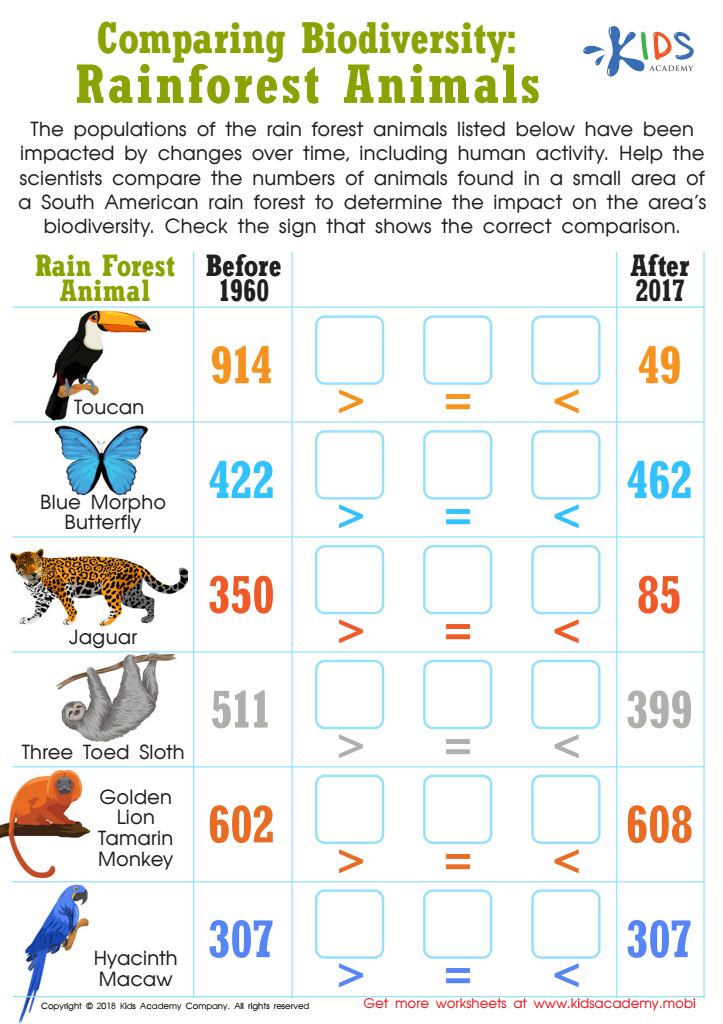
Comparing Biodiversity: Rainforest Animals Worksheet
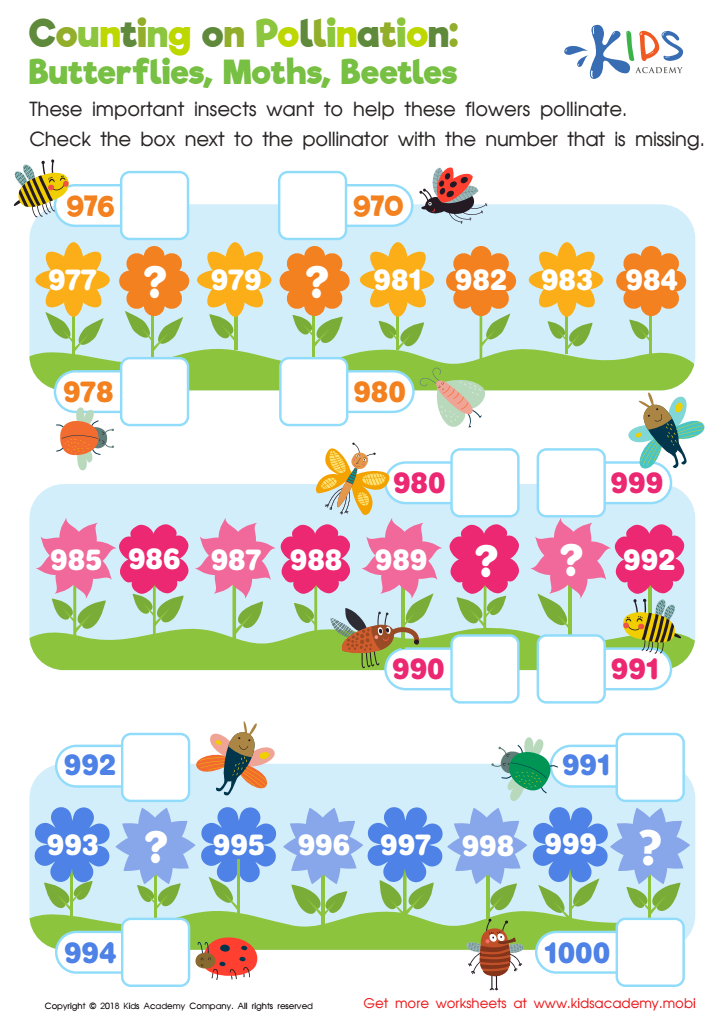
Counting on Pollination: Butterflies, Moths, Beetles Worksheet







Improving observation skills in children aged 6-9 is essential for their cognitive and personal development. At this age, children are curious and inclined to explore their environment, and honing their observation skills can significantly enhance their learning experiences. By teaching children to observe carefully, we help them develop critical thinking skills, enabling them to notice details, identify patterns, and make connections between different pieces of information. This skill is fundamental in subjects like science and math, where detailed attention is crucial.
Observation skills also play a significant role in social development. Children learn to read social cues, understand body language, and empathize with others when they observe their surroundings and the people within them. This leads to better interpersonal relationships and effective communication skills.
Additionally, strong observation skills enhance creativity and imagination. When children notice minute details in their environment, their play becomes more enriched and imaginative. They become more curious and motivated learners, willing to explore new ideas and concepts.
For parents and teachers, fostering these skills means creating an environment where children are encouraged to question, explore, and engage with their surroundings. Activities like nature walks, puzzles, and interactive discussions can greatly aid in sharpening observation skills, laying a strong foundation for lifelong learning and success.








