Knowledge application Normal Worksheets for Ages 6-9
6 filtered results
-
From - To
Discover the perfect resource for engaging young minds with our Knowledge Application Normal Worksheets for Ages 6-9. These expertly crafted worksheets help children actively apply their learning to real-world scenarios, enhancing problem-solving and critical thinking skills. Each printable worksheet provides varied exercises tailored specifically for this age group, ensuring a comprehensive learning experience. From math to reading comprehension, these worksheets aid in reinforcing knowledge in a practical and enjoyable way. Ideal for teachers and parents, our worksheets offer structured and informative activities to support educational development. Unlock your child’s potential with our versatile and effective learning tools.
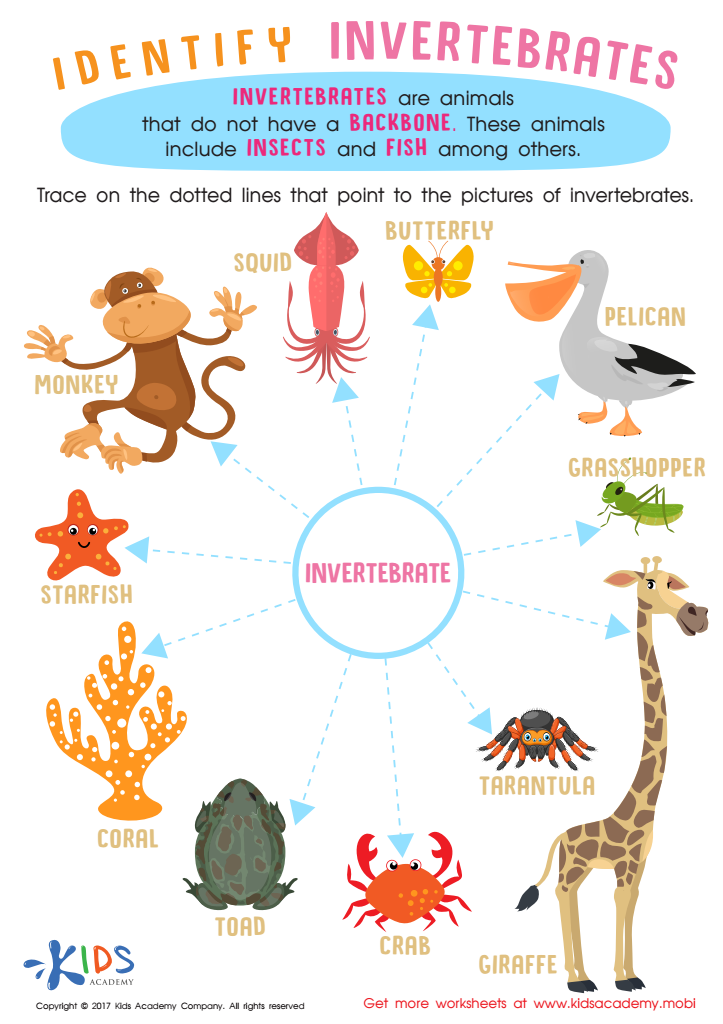
Invertebrates Worksheet for Grade 3
 Assign to My Students
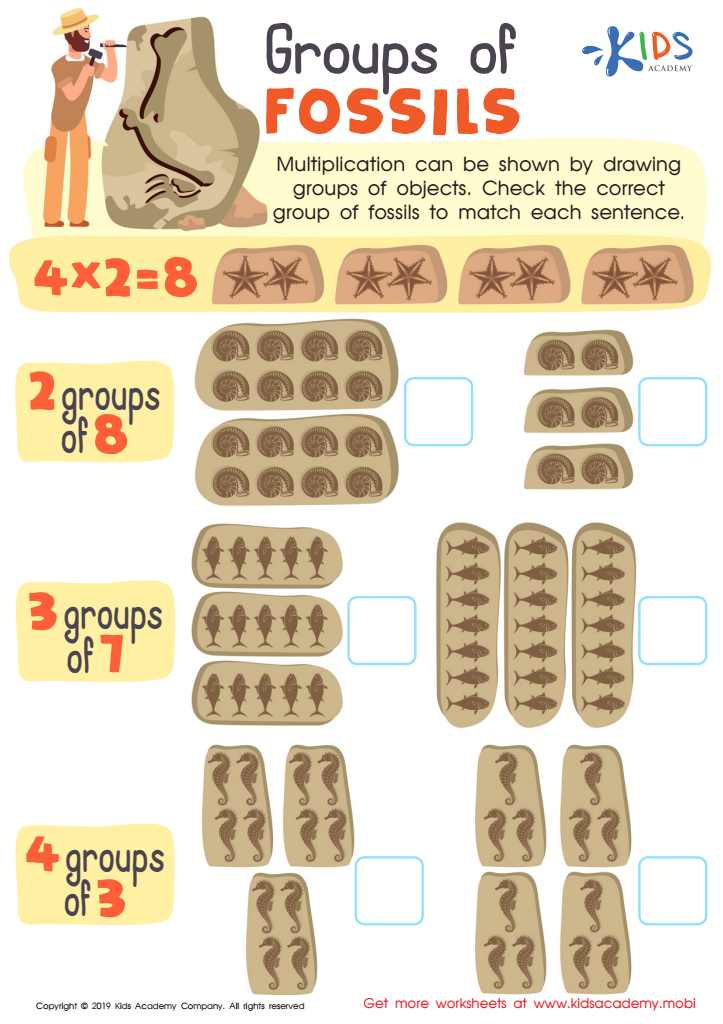
Groups of Fossils Worksheet
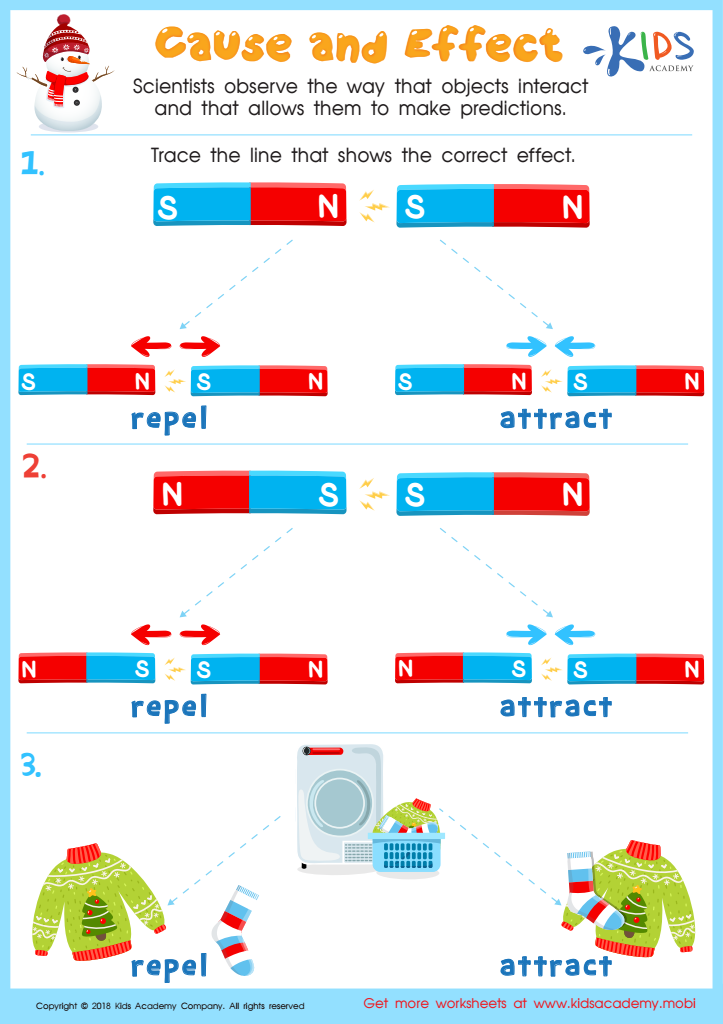
Repel and Attract Magnet Worksheet
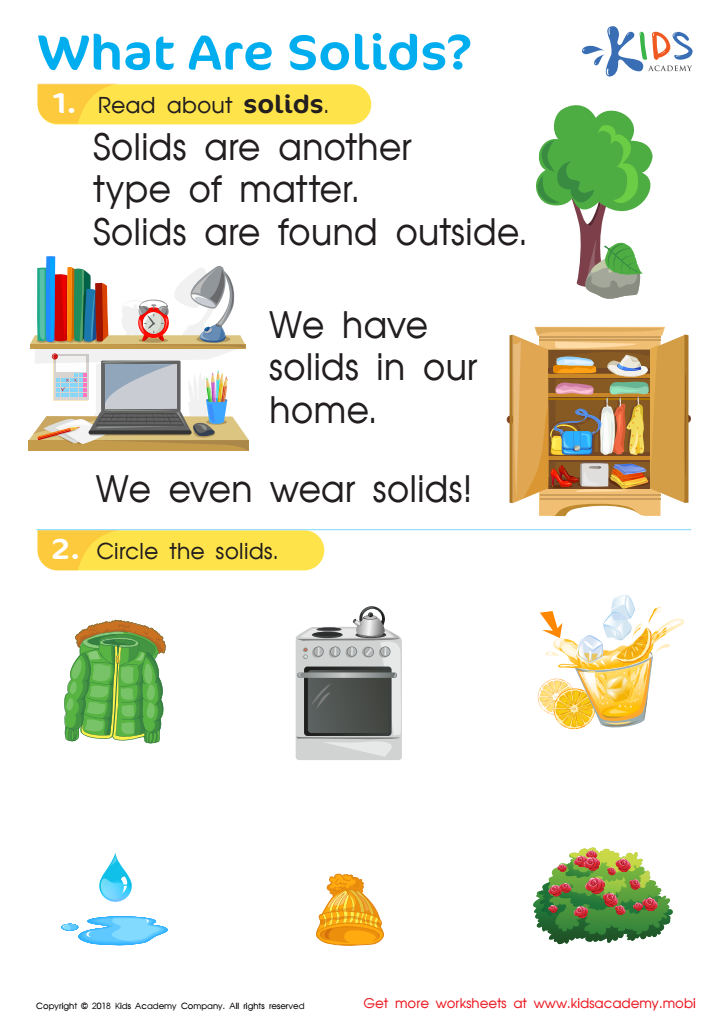
What Are Solids? Worksheet
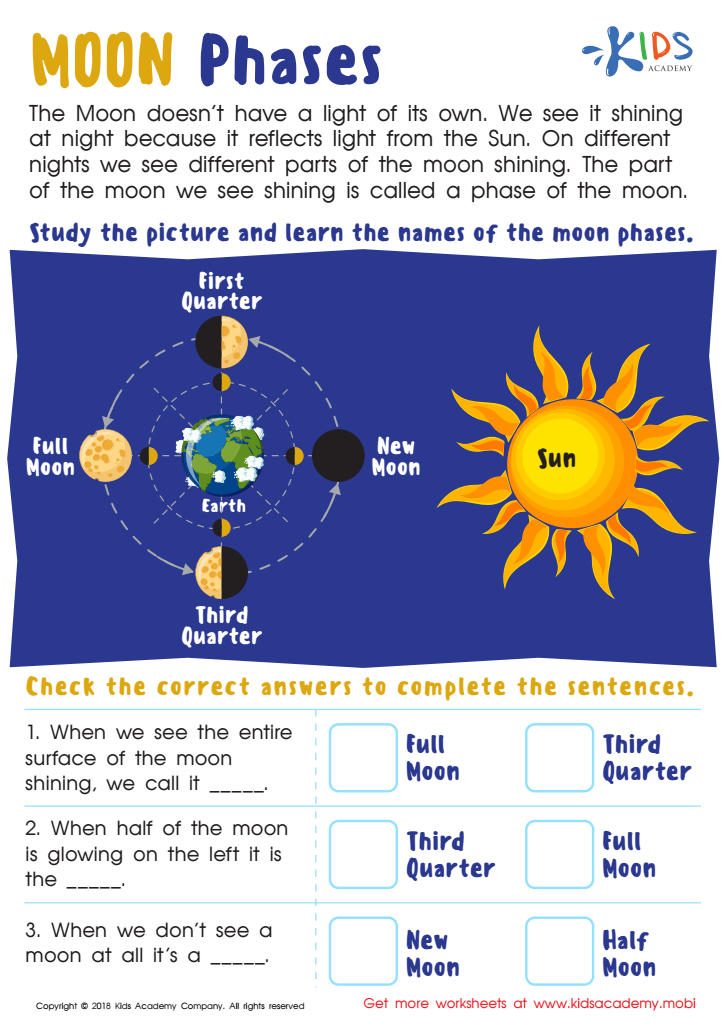
Moon Phases Worksheet
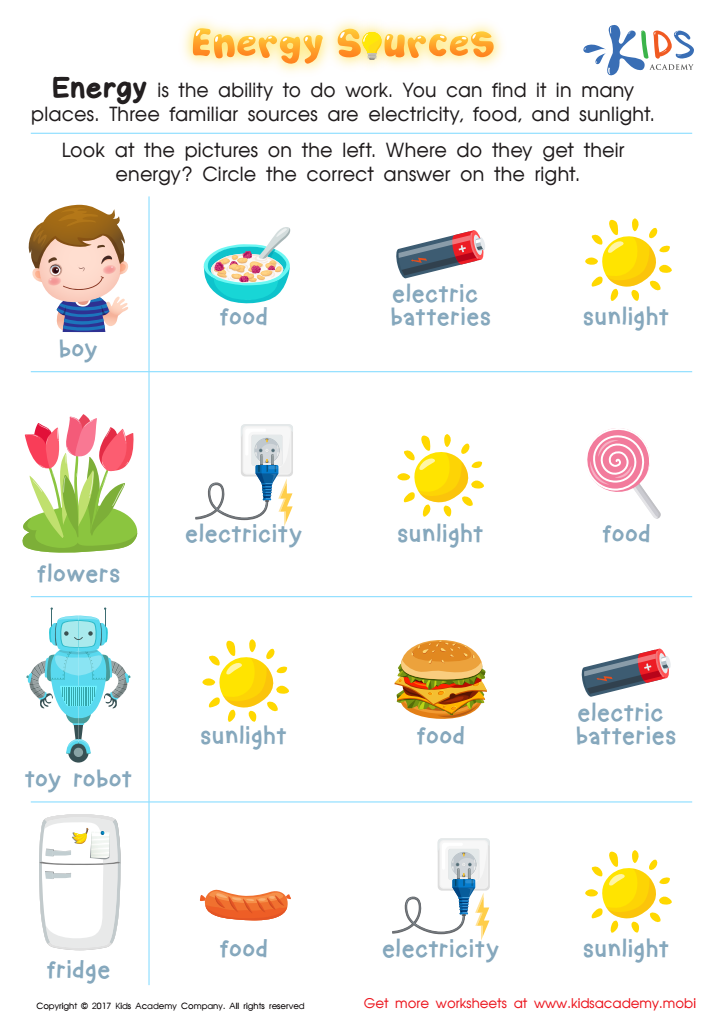
Energy Sources Printable








Parents and teachers should prioritize understanding and nurturing knowledge application for children aged 6-9 because this developmental stage is crucial for building a strong foundation in learning. At this age, children are transitioning from concrete thinking to more abstract thought processes, making it essential they not only gather information but learn how to apply it in various contexts. By focusing on knowledge application, we encourage critical thinking, problem-solving, and creativity.
When children can apply what they learn to real-life situations, it solidifies their understanding and makes the learning process meaningful to their lives. For instance, a child who learns basic math concepts and then uses them while shopping enhances both their arithmetic skills and their application of these skills in daily activities. This contextual learning is key for retention and fosters a love for learning as children see the practical implications of their education.
Furthermore, strong knowledge application skills at an early age build confidence and independence. When children realize they can solve problems and make informed decisions, their self-esteem grows, promoting a positive attitude towards learning. Thus, caring about knowledge application lays the groundwork for lifelong learning, adaptability, and success in an ever-changing world.








