Learning addition Normal Worksheets for Ages 6-9
4 filtered results
-
From - To
Unlock a world of math fun with our "Learning Addition Normal Worksheets for Ages 6-9." These captivating worksheets are expertly designed to build strong addition skills in young learners. Through engaging activities and vibrant visuals, children practice adding single and double-digit numbers while developing confidence in their mathematical abilities. Each worksheet combines educational content with fun exercises to make learning an enjoyable experience. Ideal for classroom and home use, our worksheets support various learning styles and paces, ensuring every child achieves mastery. Empower your child to excel in math with our seamless blend of education and entertainment!
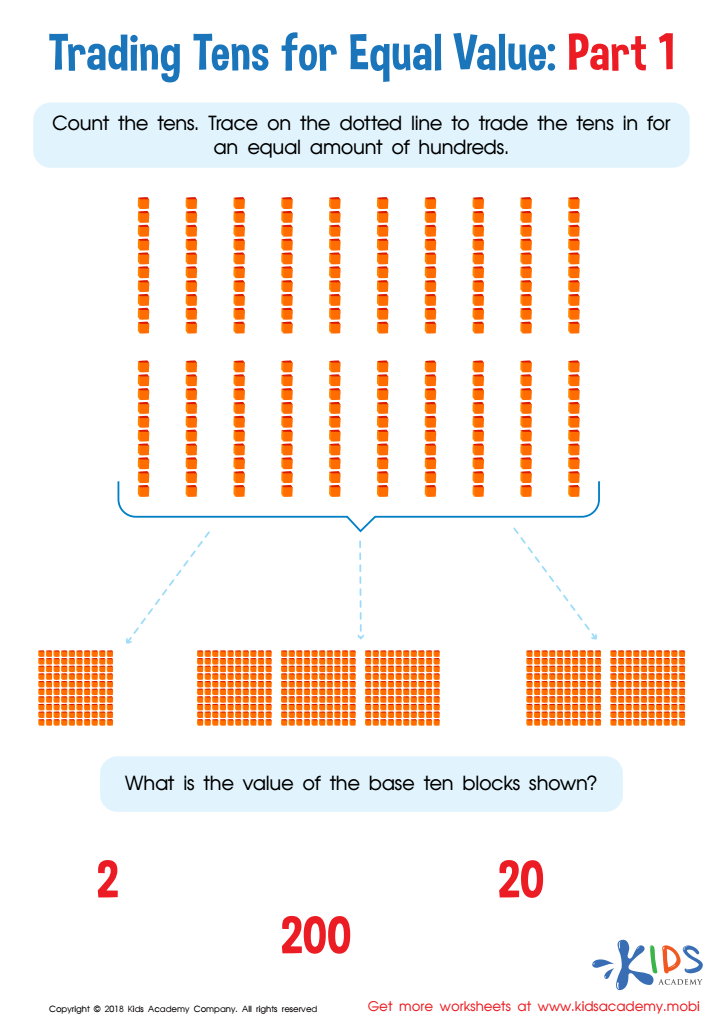
Trading Tens for Equal Value Worksheet: Part 1
 Assign to My Students
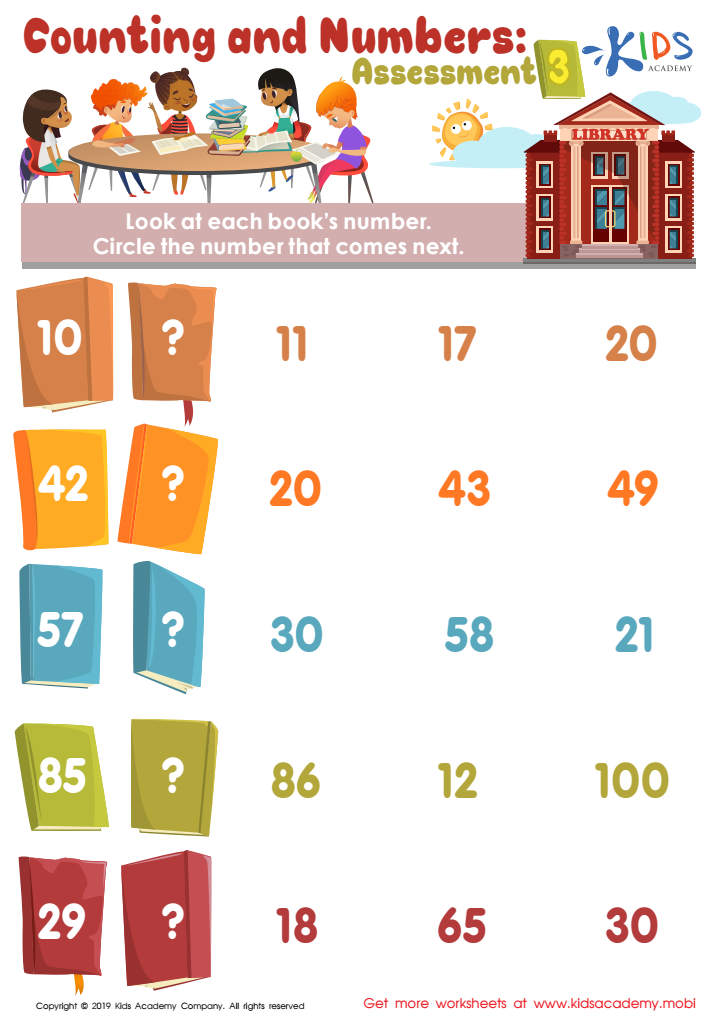
Counting and Numbers: Assessment Worksheet
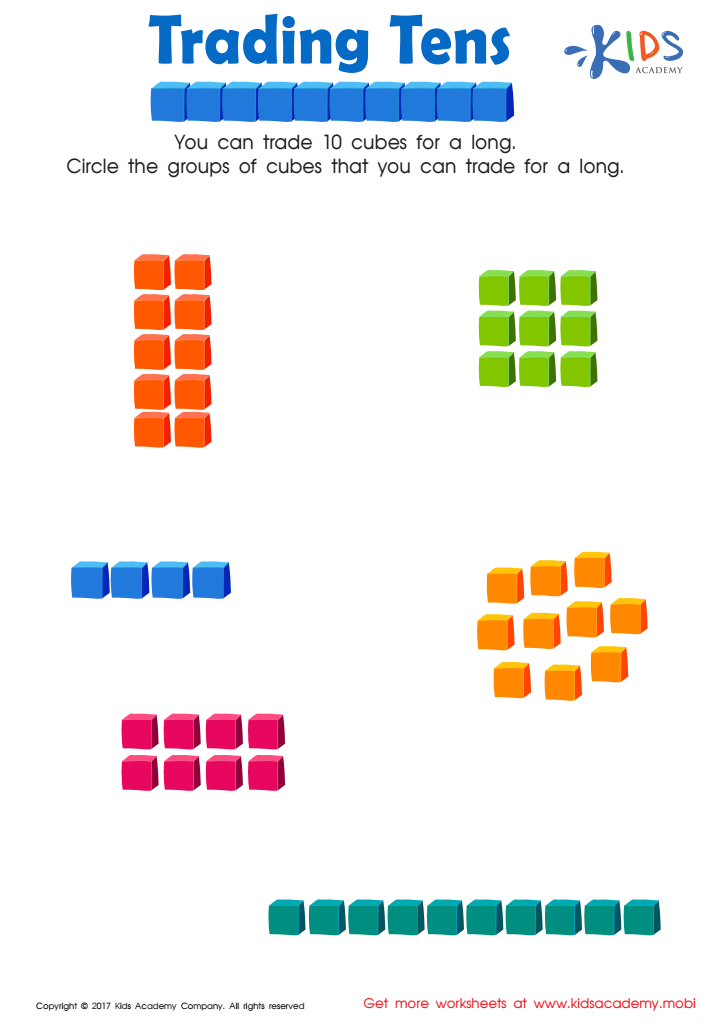
Trading Tens Worksheet
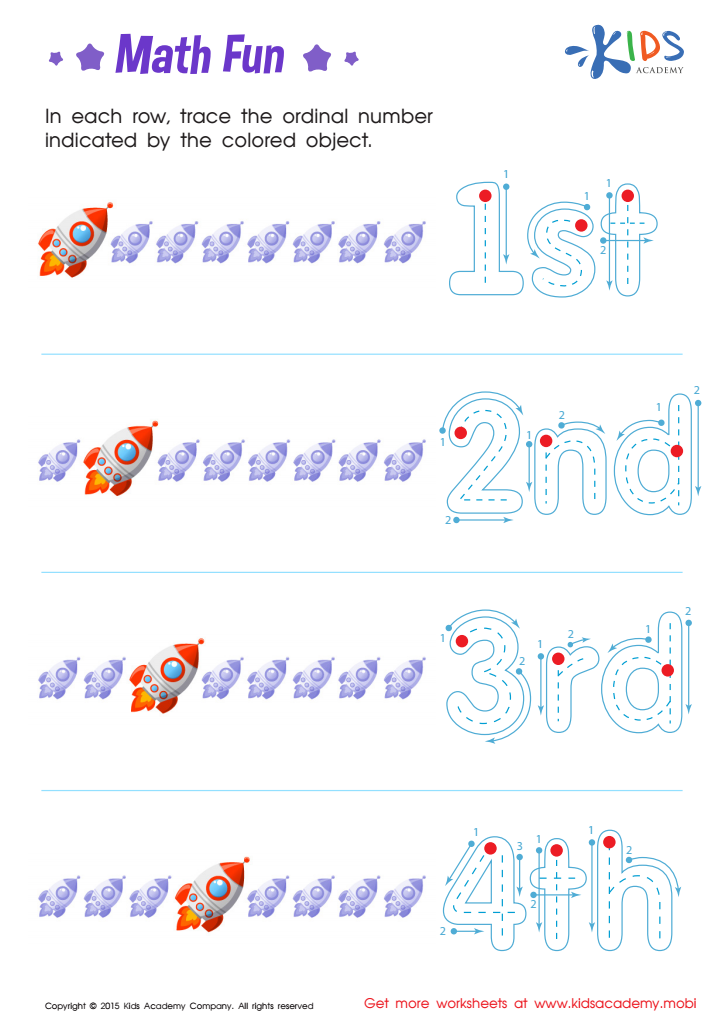
Ordinal Numbers: Math Fun Worksheet








Understanding addition forms a crucial foundation for young learners aged 6-9. Parents and teachers should recognize the significance of this basic mathematical skill because it acts as the gateway to all future math concepts. Proficiency in addition not only enhances computational skills but also boosts children's confidence and willingness to engage with more complex math later on.
At this developmental stage, children's brains are especially receptive to patterns and logical structures. Introducing addition exercises helps cultivate critical thinking and problem-solving abilities, which are essential across all subjects. By mastering addition, children learn to grasp the concept of number sense, such as understanding quantities, comparing numbers, and recognizing relationships between them.
Moreover, addition skills are vital for real-life applications. Whether calculating expenses, measuring ingredients for a recipe or playing games, these everyday activities reinforce the practical importance of math. For parents and teachers, focusing on addition ensures children attain a practical, lifelong skill, while also strengthening their cognitive abilities.
Investing time and resources to make addition fun and engaging sets students up for academic success and a positive attitude toward learning. It's an essential building block that supports overall intellectual growth and practical, everyday functionality. Therefore, it's crucial to prioritize and nurture this fundamental mathematical proficiency in early education.








