Observational skills development Normal Worksheets for Ages 6-9
3 filtered results
-
From - To
Enhance your child's observational skills with our engaging worksheets designed for ages 6-9! These thoughtfully crafted activities focus on developing attention to detail, critical thinking, and the ability to analyze information. Each worksheet encourages children to observe their surroundings, recognize patterns, and draw conclusions through fun exercises that include visual puzzles, comparison tasks, and interactive games. Perfect for home or classroom use, our normal worksheets provide a comprehensive way to build essential cognitive abilities, preparing your young learners for academic success. Nurture their curiosity and observation skills today with our range of vibrant and stimulating resources!
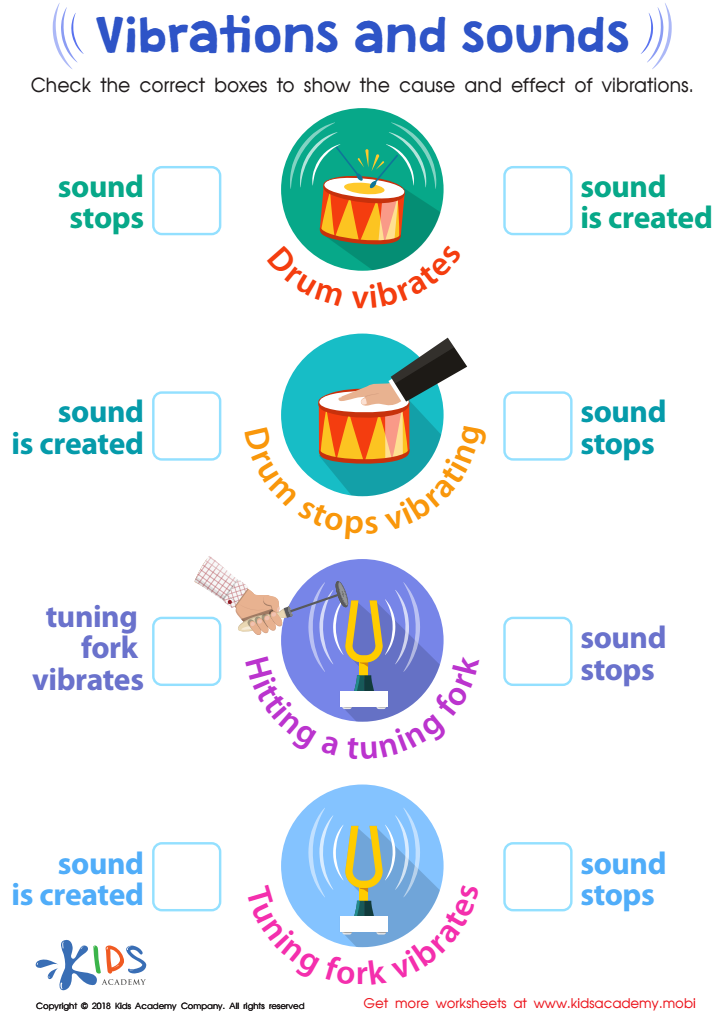
Vibrations and Sounds Worksheet
 Assign to My Students
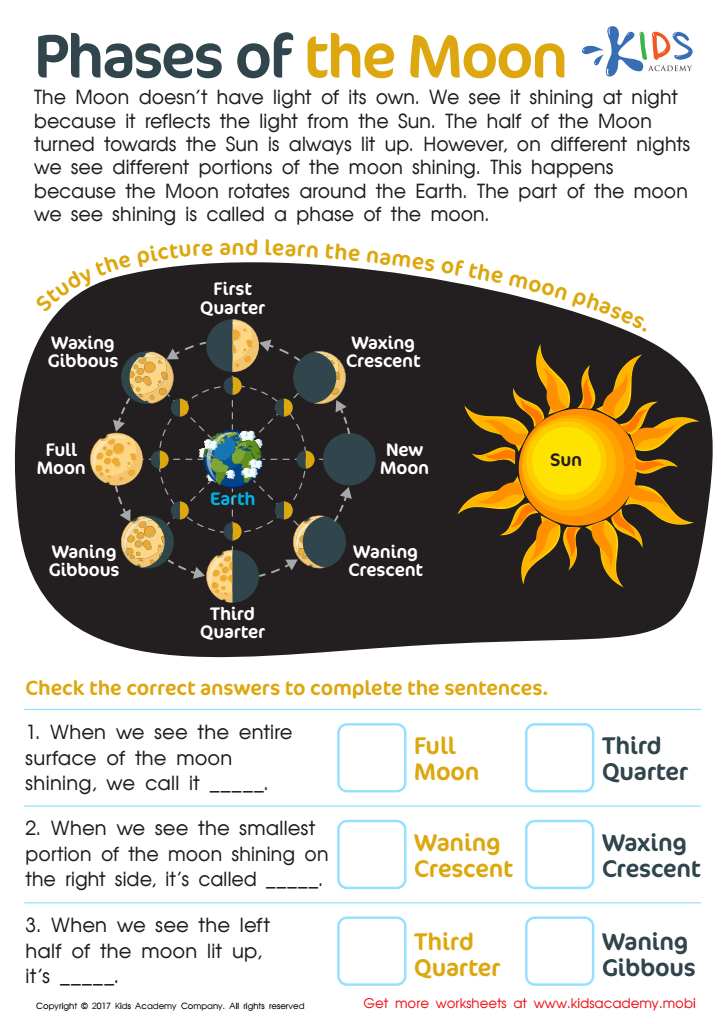
Phases of The Moon Worksheet
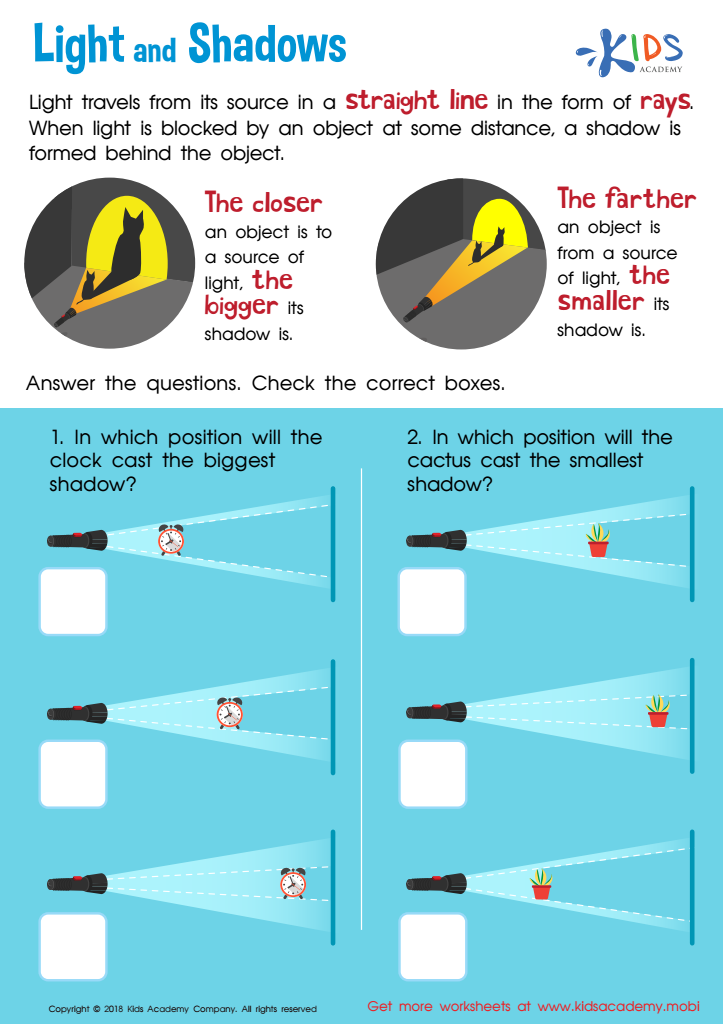
Light and Shadow Worksheet for Grade 3





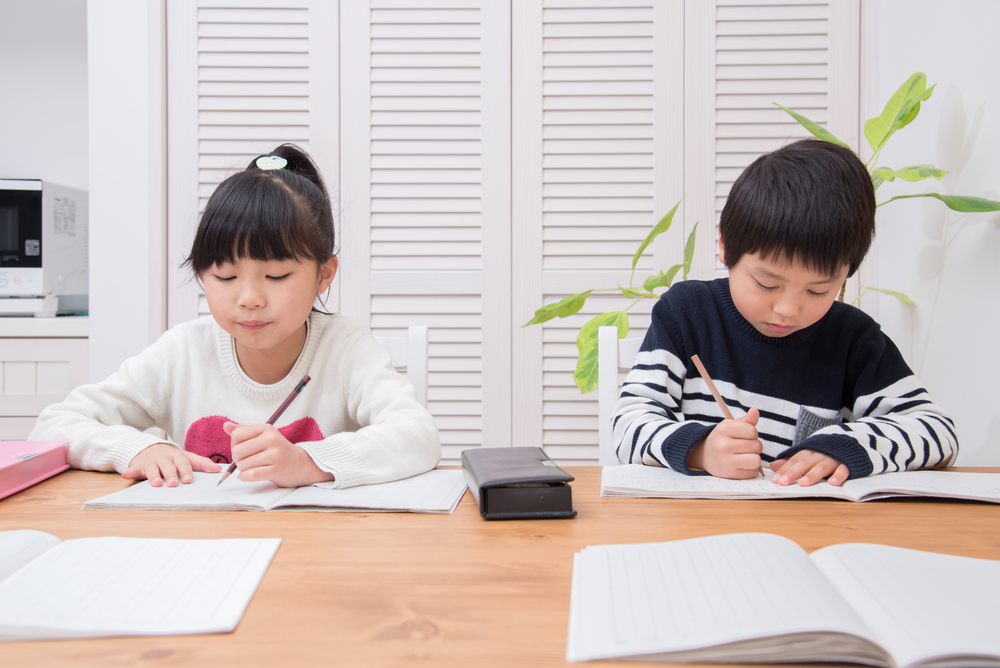

Observational skills are crucial for children aged 6-9 years, as they’re foundational for learning and development. At this stage, children are beginning to interact more with their environment and peers, where strong observational skills enable them to classify, compare, and actively engage with the world around them.
For parents and teachers, fostering these skills helps children become more effective learners. Good observational skills encourage critical thinking and shape problem-solving abilities, as children learn to notice details, recognize patterns, and draw conclusions based on their observations. These skills are essential across subjects, especially in science, where observation is key to experimentation.
Additionally, 6 to 9-year-olds are developing social skills, which rely heavily on the ability to observe social cues, body language, and emotions. By enhancing observational skills, adults can help children become more empathetic and improve their ability to navigate social situations.
Ultimately, nurturing these skills creates confident learners who are curious about their surroundings and eager to explore. When parents and teachers prioritize observational skill development, they lay the groundwork for lifelong learning, resilience, and successful interpersonal interactions. Encouraging this type of exploration and attentiveness fundamentally enriches the developmental journey of children.








