Recognizing Patterns Normal Worksheets for Ages 6-9
6 filtered results
-
From - To
Explore our "Recognizing Patterns Normal Worksheets" designed specifically for children aged 6-9! These engaging activities help young learners identify and understand patterns through fun exercises and colorful visuals. Perfect for home or classroom use, our worksheets encourage critical thinking and cognitive development as kids recognize sequences, shapes, and colors. Each worksheet is carefully crafted to keep students motivated while enhancing their problem-solving skills. With a variety of activities tailored to different learning styles, children will gain confidence in their abilities. Start your child’s journey into the world of patterns today and watch their skills flourish with our interactive resources!
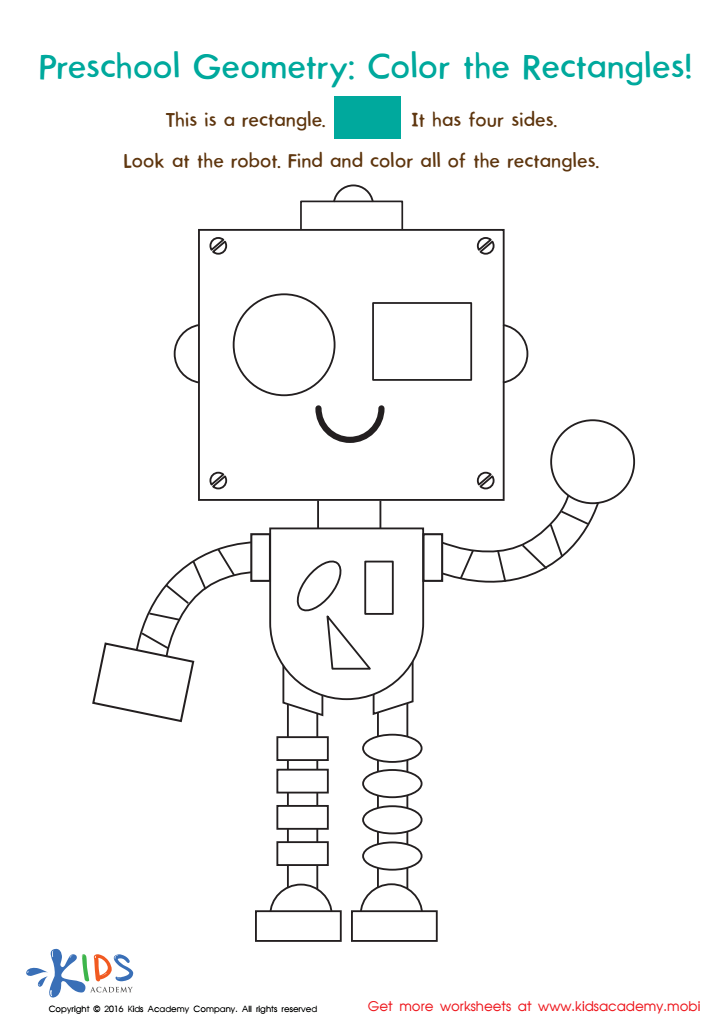
Geometry Worksheet
 Assign to My Students
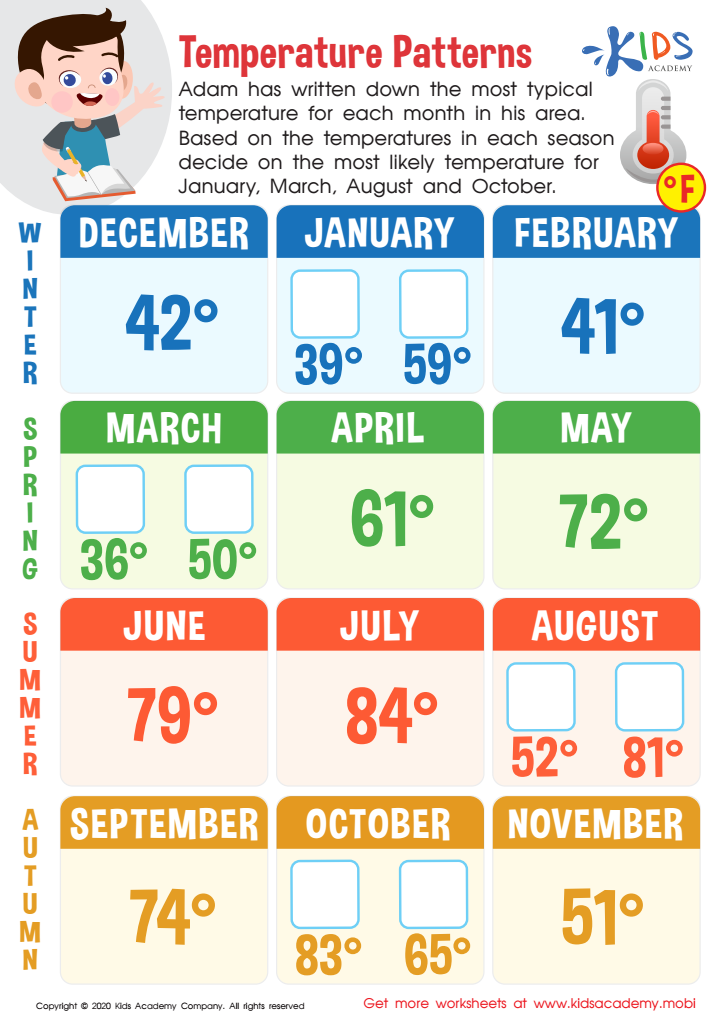
Temperature Patterns Worksheet
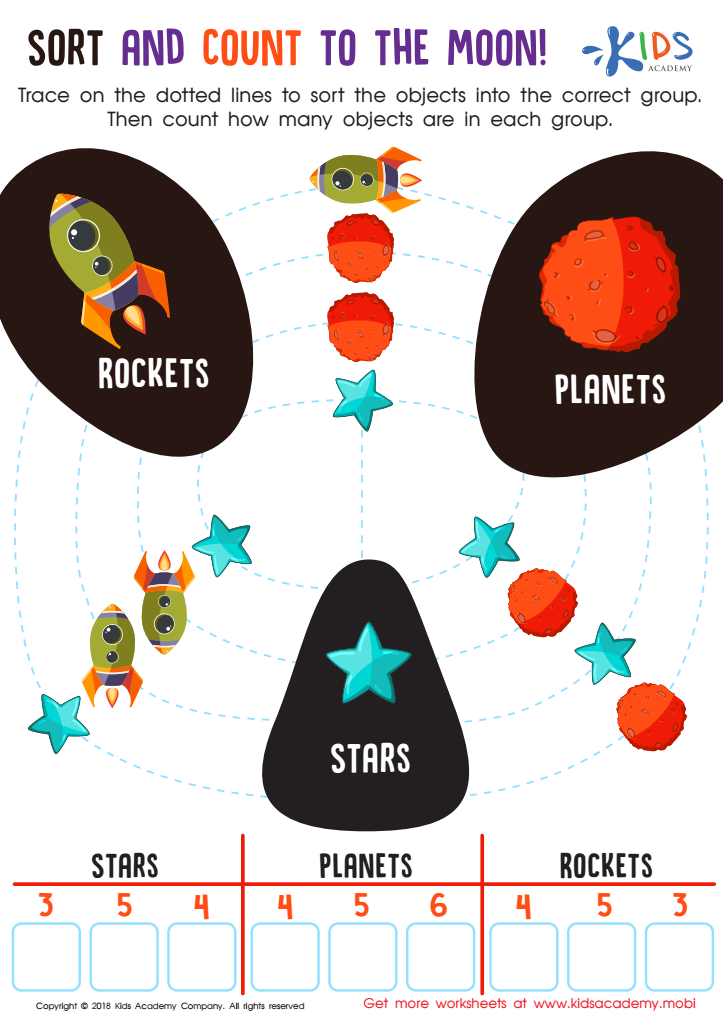
Sort and Count to the Moon Worksheet
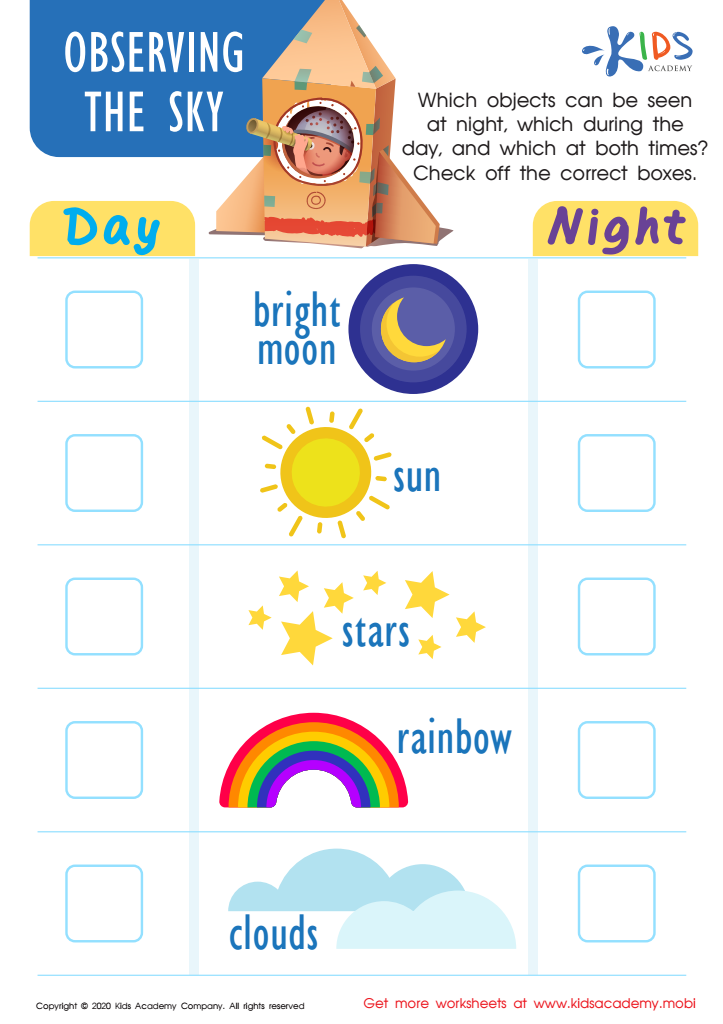
Observing the Sky Worksheet
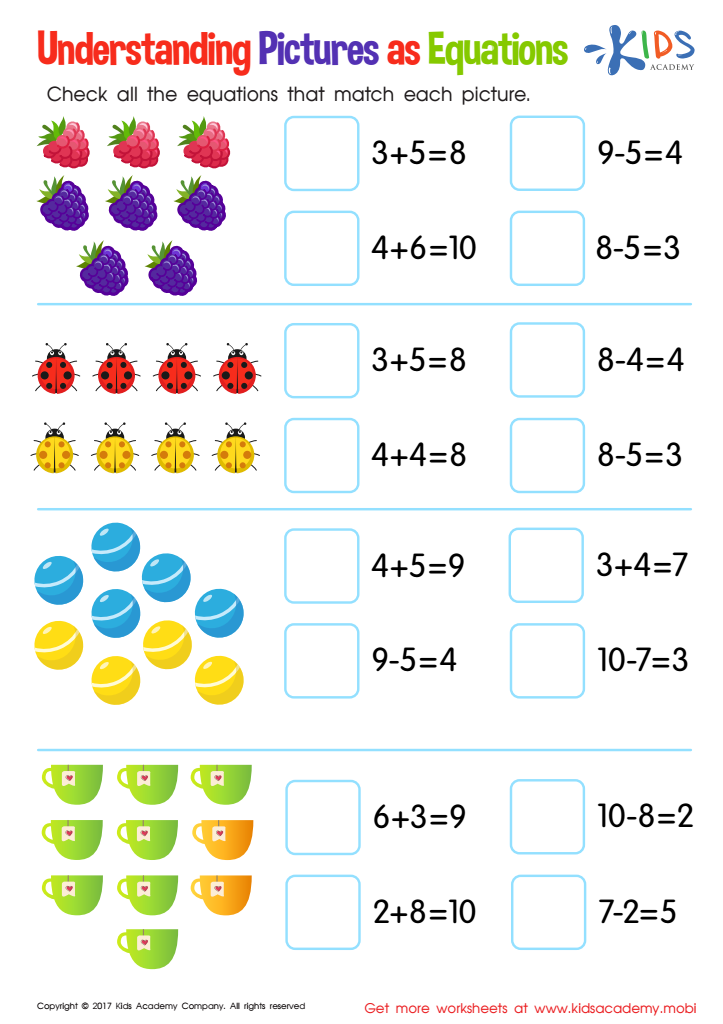
Understanding Pictures as Equations Worksheet
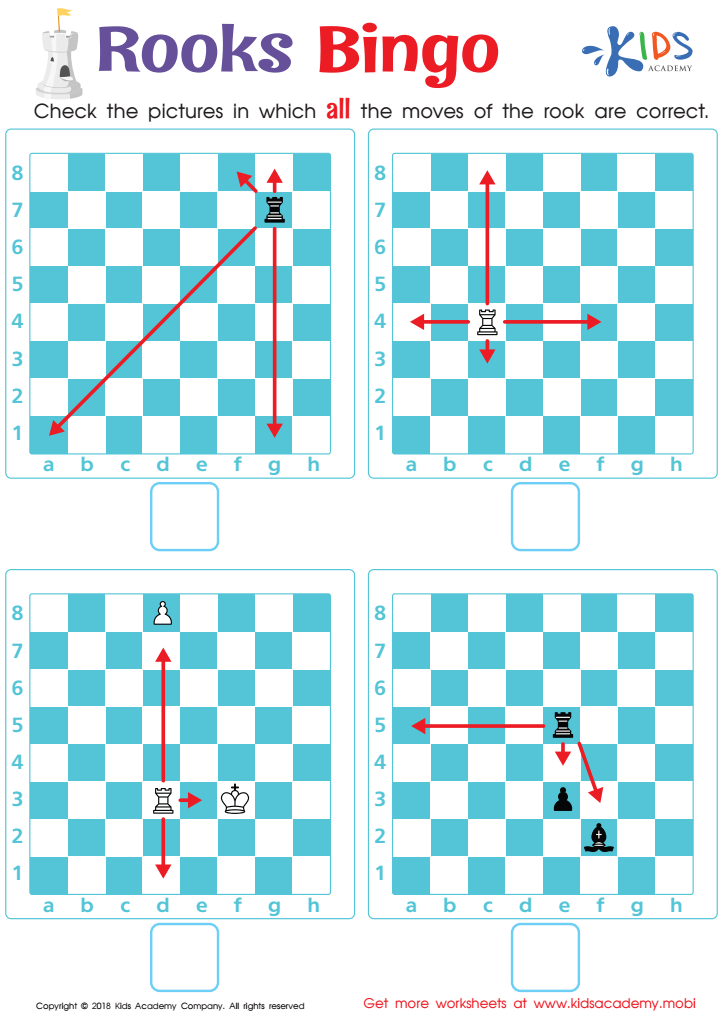
Rooks Bingo Worksheet




.jpg)


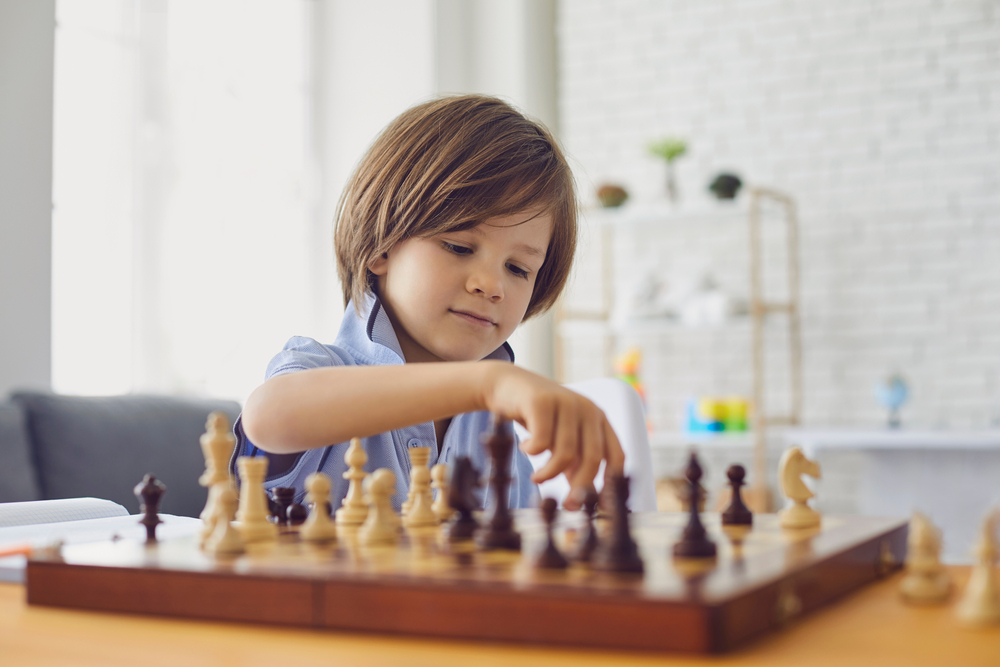
Recognizing patterns is fundamental for children aged 6-9 as it lays the groundwork for critical thinking, problem-solving, and advanced math skills. At this developmental stage, kids are naturally curious and eager to make sense of the world around them. Pattern recognition helps them identify relationships between objects and events, essential for both academic and everyday life.
For parents and teachers, fostering this skill can enhance children's cognitive abilities, boosting their confidence as learners. By learning to recognize numerical, visual, or conceptual patterns, children develop their analytical skills and can tackle more complex mathematical concepts like addition, subtraction, and multiplication, which often rely on understanding sequences and relationships.
Additionally, recognizing patterns aids in literacy and language development. Children who can spot recurrent sounds, words, or themes in stories can improve their comprehension and vocabulary, facilitating better communication skills.
Encouraging pattern recognition can also enhance creativity. It encourages children to predict outcomes and explore new solutions to problems, essential skills for success in any field. Ultimately, by prioritizing pattern recognition, adults can support children's holistic development, equipping them with tools necessary for their future academic journeys and everyday challenges.








