Understanding habitats Normal Worksheets for Ages 6-9
5 filtered results
-
From - To
Explore our "Understanding Habitats Normal Worksheets" designed for children ages 6-9! These engaging worksheets provide a fun and interactive way for young learners to discover different types of habitats, their ecosystems, and the animals that inhabit them. Featuring colorful illustrations and age-appropriate activities, these resources help reinforce key concepts related to environmental science. Encourage critical thinking and foster a love for nature as students match animals to their habitats, complete fill-in-the-blank exercises, and expand their vocabulary. Perfect for home or classroom use, these worksheets promote hands-on learning and creativity while enhancing comprehension skills. Dive into the wonders of nature today!
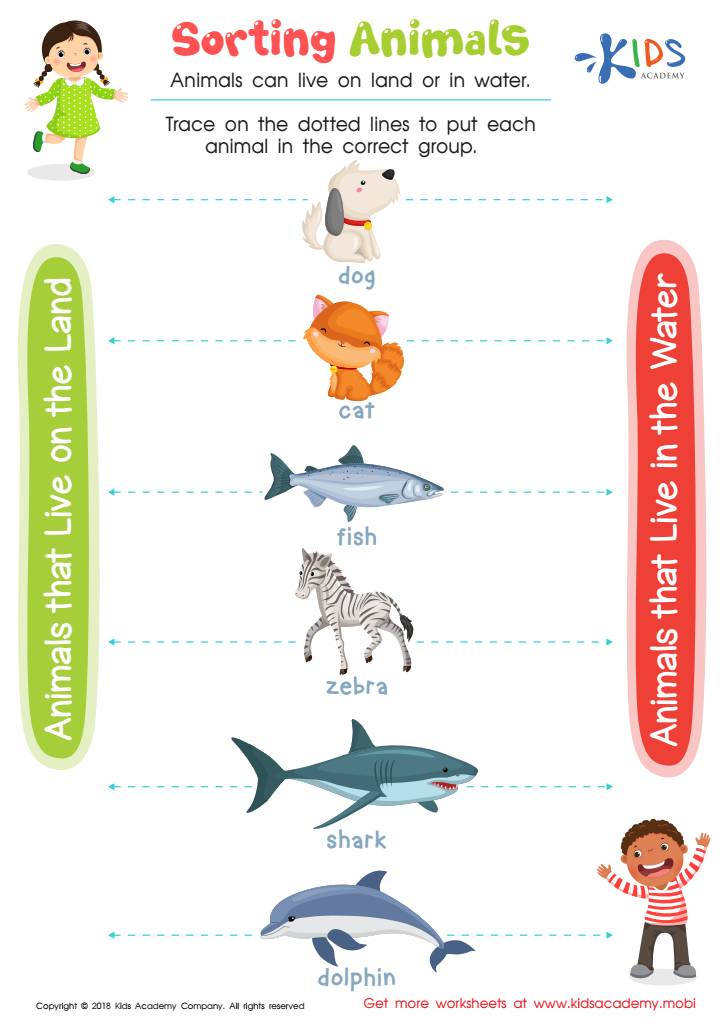
Sorting Animals Worksheet
 Assign to My Students
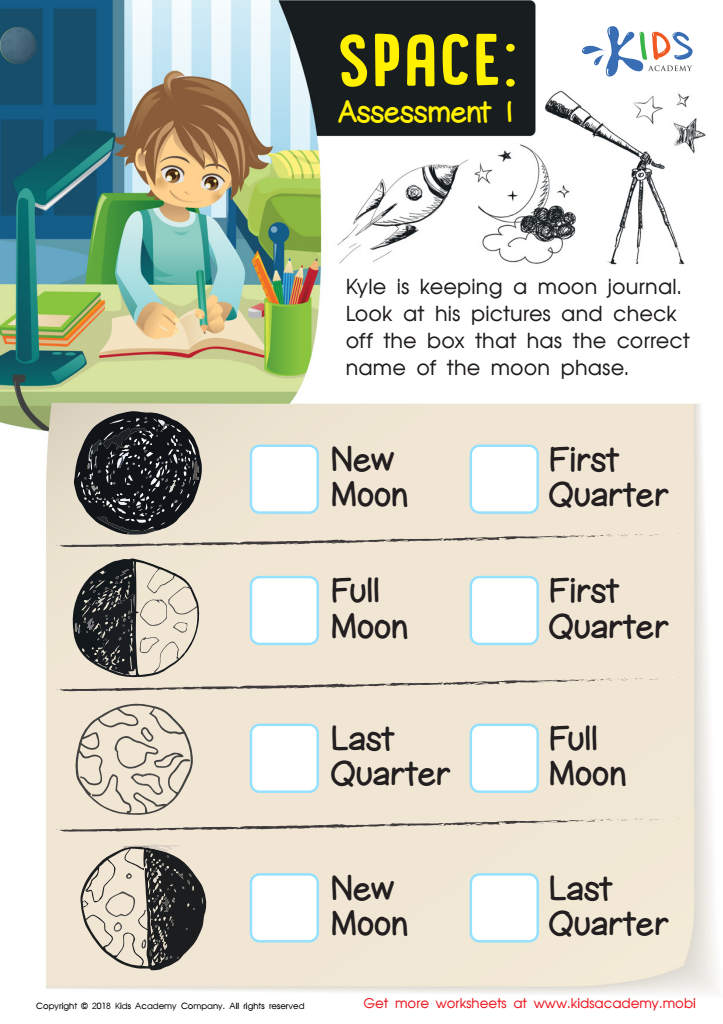
Space: Assessment 1 Worksheet
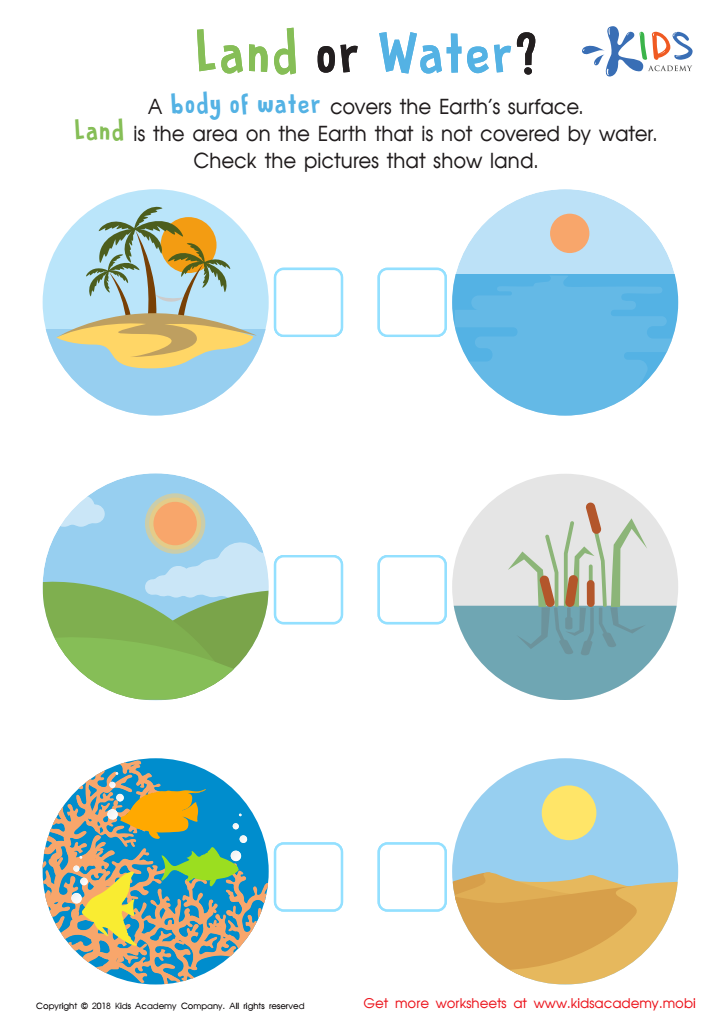
Land or Water Worksheet
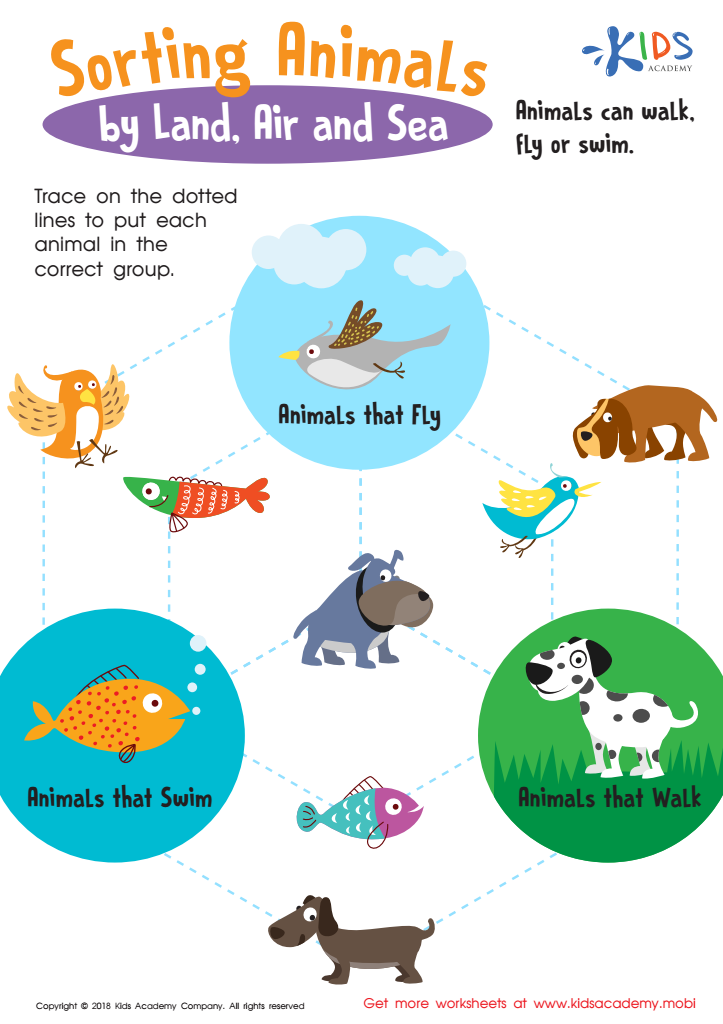
Sorting Animals by Land, Air and Sea Worksheet
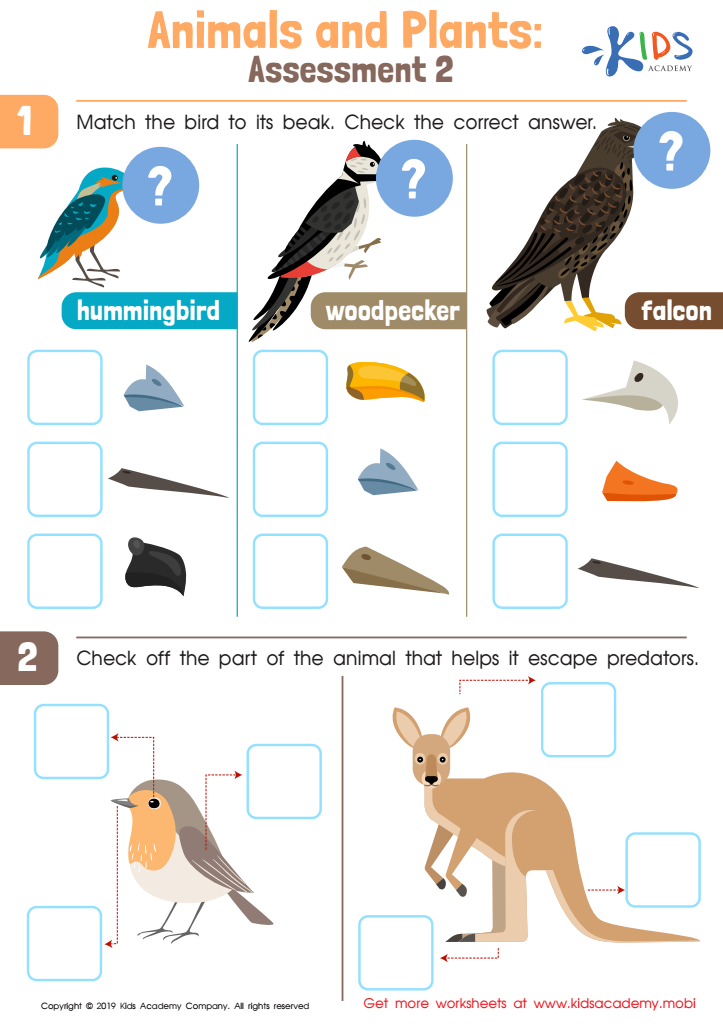
Animals and Plants: Assessment 2 Worksheet


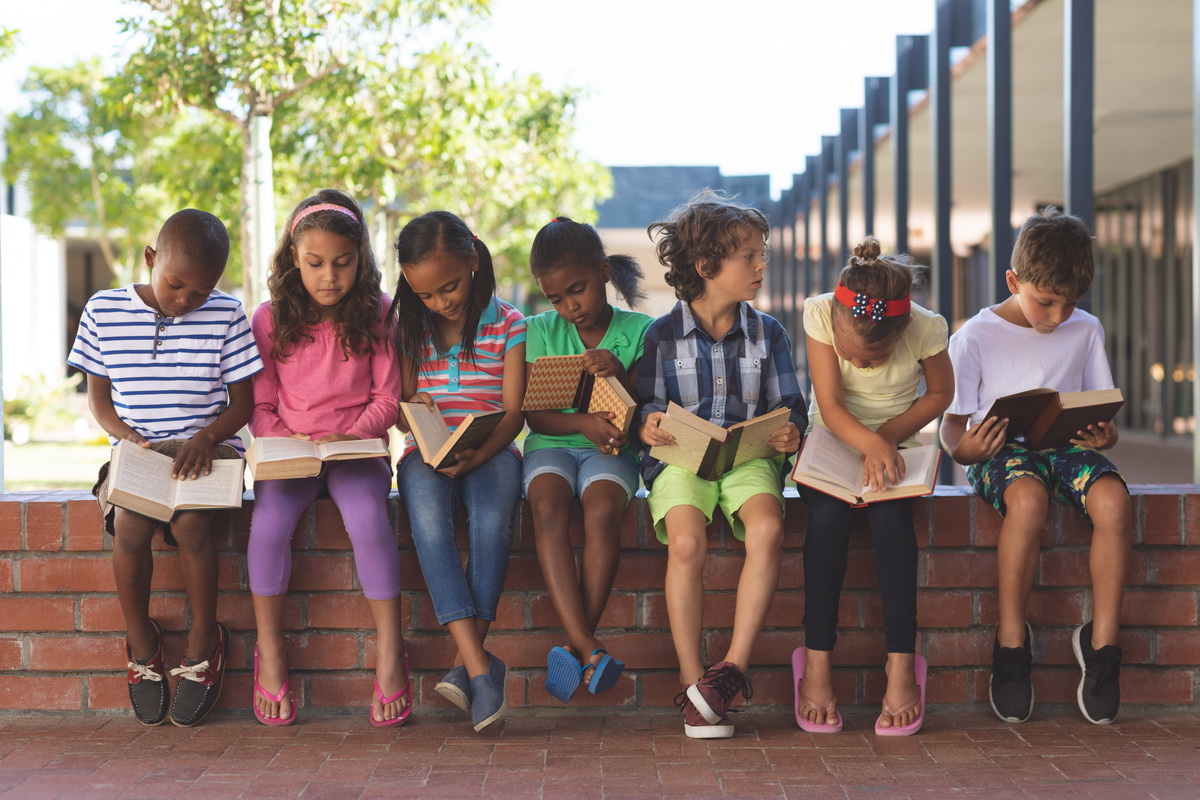




Understanding habitats is vital for children ages 6-9 as it lays the foundation for their appreciation of the environment. Parents and teachers should care because learning about habitats helps children recognize the diverse ecosystems that exist around them, from forests and oceans to deserts and wetlands. This education enhances their awareness of the interdependence between plants, animals, and their habitats, fostering respect for living organisms and promoting a sense of responsibility toward nature.
Learning about habitats encourages critical thinking, problem-solving, and observation skills. Children can explore questions like what animals need to survive and how they adapt to their environment. Such inquiry stimulates curiosity and a love for science, which is essential for their cognitive development. Moreover, understanding habitats helps kids connect their actions to environmental health, encouraging sustainable practices like recycling and conservation early on.
In addition, discussing habitats fosters empathy and compassion, as children learn to value different life forms. This holistic understanding nurtures a generation that's motivated to protect the environment, contributing to a healthier planet. By prioritizing habitat education, parents and teachers empower children to become informed stewards of nature, an essential aspect of personal and social development.








